BIO 141 Exam 1 - ch 1, 2, 3, 4, 5, :)
 Call Kai
 Learn
Learn Practice Test
 Spaced Repetition
 Match
Match Flashcards
 Knowt Play
1/89

There's no tags or description
Looks like no tags are added yet.
Name | Mastery | Learn | Test | Matching | Spaced | Call with Kai | Chat |
|---|
No analytics yet
Send a link to your students to track their progress
90 Terms
order
evolutionary adaptation
energy processing
regulation
reproduction
response to environment
growth and development
describe the properties of life [6]
molecule
organelle
cell
tissue
organs
organisms
populations
communities
ecosystems
bioshphere
list the levels of biological organization [10]
organization
new properties emerge at successive levels if biological organization [emergent props, structure and function, the cell is the basic unit]
information
life processes involve expression and transmission of genetic information [ DNA, genomics ]
energy and matter
life requires transfer and transformation of energy and matter [ consumer and producers ]
interactions
important in biological systems [ internal feedback, external detect environment ]
evolution and natural selection
care the accounts for unity and diversity
describe the 5 unifying themes of biology
There is a correlation between structure and function
Looking and analyzing biological structure gives clues as to what it does and how it works. And looking at the structure of something can give insight to its structure and organization
Cell theory says that all organisms are made from cells `
what is the basic unit of structure and function
looks at the isolated components of the living system
define reductionism
they are a result from the arrangement and interaction of parts as complexity increases
explain what emergent properties mean
Within cells structures called chromosome contain genetic material in the form of DNA
genes encode information for the building of molecules - the genetic information is encoded by DNA
Genome is the library of genetic instructions
Proteomics is the study of whole sets of proteins and their properties
bioinformatics the use of tools to process a large volume of data rapidly
explain how cells get their information to carry out function
DNA
genes
genome
proteomics
bioinformatics
domain bacteria
domain archaea
domain eukarya
animals, fungi plants
explain how organisms are currently classified [the 3 domains of life]
must be testable
begins with an observation
then a question
then test different possibilities [ hypothesis’s ]
describe some of the key characteristics of a hypothesis
sample number
controlled experiment
describe what to use to judge the validity of a scientific study
in a controlled experiment an experimental group is compared to a control group
the control group has no interference done to the thing being tested
variables are the things being changed in an experiement
explain how a controlled experiment is designed to be carried out
in vivo vs in vitro experiments
in vivo [in life]
pros
you can see the effect on the whole organism
track side effects and see long term impacts
cons
high cost, long time frame, ethical concern
in vitro [non living] [ looking at the cellular level ]
pros
low cost, you see more specific responsive, more tests easily, more control, no animals at risk, quick
cons
doesn’t look at the whole organism / real human reactions, misses complexity of a human / animal system, findings will need to be re-examined using live subjects
describe the advantages and disadvantages of controlled experiments [vivo and vitro ]
All scientists, faculty, or students, have to undergo training and be certified on how to handle animals correctly
in order to conduct research, an institutional animal care and use committee needs to be created at the institution and provide reviews of all experiments of vertebrates on the campus
explain how animal care is safeguarded in the united states research institutions
eukaryotic has membrane
prokaryotic has no membrane
eukaryotic vs prokaryotic cell
evolution
the scientific explanation for both the unity and diversity of organisms is ………
model organisms
these are known as ……. they have genetic similarities to humans and their genome h
monomers are a single amino acid
polymers are a chain of amino acids / monomers
compare and contrast monomers and polymers

condensation synthesizes a polymer
it essentially takes one short and one unlinked polymer and brings them together by removing a water molecule which them forms a new longer polymer
hydrolysis is the process of breaking down a polymer
water is added and the long polymer breaks apart
compare condensation and hydrolysis
carbs
sugar
protein
amino acid
lipids
fatty acid - glycerol
nucleic acid
nuecleotides
list the four major classes of macromolecules
what are their monomers
multiples of CH2O
glucose, fructose
di are two separate monos coming together with glycosidic linkage
lactose, sucrose
distinguish between monosaccharides and disaccharides
a glycosidic linkage takes the OH from two monosaccharides and brings them together to form H20 witch detaches from the molecules, leaving the O to connect the two into a disccaride
identify a glycosidic linkage and describe how it is formed
function is the store energy
starch - in plants
store glucose in plant cell walls
cellulose - in plants
strengthen plant cell walls
glucose - in animals
energy
chitin - animals and fungi
animal exoskeletons
describe the structure and functions of polysaccharides
what are the types [4] and describe each
they are not true polymers
they are hydrophobic
explain what distinguishes lipids from other major classes of macromolecules
fats
energy storage / source
these are the oils/butter - tricylycerols
phospholipids
structure
when 2 FA are attached to glycerol [the double layer sheet] - their tails are hydrophobic
steroids
regulation
carbon skeleton consisting of four rings
cholesterol is a type of steroid
describe the unique properties, building blocks molecules, and biological importance of the three important groups of lipids
fats
phospholipids
steroids
saturated fat is solid at room temperature - has all single bonds
unsaturated fat is liquid at room temperature - has a double bond
distinguish between a saturated and unsaturated fat and list some unique emergent properties that are consequences of these structural differences
enzyme
carry out reaction
storage
defensive
transport
hormones
receptors
contractile and motor
structural
describe the characteristics that distinguish proteins from the other major classes of macromolecules and explain the biologically important functions of this group
amino acids are the building blocks of proteins
amino group and a carboxyl group
non polar side chain =hydrophobic
polar side chains = hydrophilic
electrically charged side chains = hydrophilic
what are the building blocks of proteins
describe the basic structure of an amino acid
what are the 3 amino acid groups
a strong covalent bond that joins amino acids together to build proteins
identify peptide bonds and explain how it is formed
a primary structure is when DNA determines the sequence of AA, mRNA transcribes
folding begins and hydrogen bonds form - could be sigma helix or beta pleated sheet
hydrogen bonds help to begin to stabilize the protein
more bonds are forming other than just hydrogen bonds [ionic, hydrophobic, Vander waals, strong covalent] . this is the first stage when the protein can be biologically active
when many tertiary structures come together - in other words, when two or more poly peptides chain form one macromolecule
Proteins taking shape
define primary structure and describe how it may be deduced in the laboratory
in secondary describe the two types of protein structure what is happening
explain the role of hydrogen bonds in maintaining the structure
tertiary what is happening
Quaternary structure results when two or more peptides form one macromolecul
hemoglobin is globular protein consisting of 4 poly peptides - 2 alfpa 2 beta
using hemoglobin as an example, describe quaternary protein structure
Denaturation is the process in which a protein unravels and loses its native, functional three-dimensional shape, rendering it biologically inactive
Causes: Denaturation occurs when physical or chemical environmental conditions change, such as extreme shifts in pH, salt concentration, or temperature (e.g., high fevers)
define denaturation and explain how proteins may be denatured
DNA and RNA
DNA holds hereditary information and directs RNA to be a messenger to eventually control protein synthesis
gene expression
[basically just know it goes from DNA - RNA - Protein ]
summarize the functions of nucleic acid
what is the process called
each has a nitrogenous base, pentose sugar, and or or more phosphate groups
they are linked by a polynucleotide
list the major components of a nucleotide and describe how these monomers are linked to form a nucleic acid
pyridines
cytosine, thymine, uracil
purine
adenine and guanine
distinguish between a pyrimidine and purine
Effect of Substitution: A mutation that substitutes a single amino acid in a protein's primary sequence can alter its higher-level folding, 3D conformation, and overall function14.
Example: Sickle-cell disease is caused by a single amino acid substitution at position 6 of the beta-globin polypeptide chain, where valine replaces glutamic acid. This minor primary change causes abnormal hemoglobin molecules to aggregate into rigid chains, deforming red blood cells into a sickle shape and severely reducing oxygen delivery
describe what occurs when a mutation occurs and there is a substitution of amino acids
energy storage structure, cell ID
carbohydrate function
carb
which of the 4 major groups is this

it is a small difference in structure but a big difference in function
a = for storage and the compound is easier to break
b = structural support which is very hard to break
what is the functional difference between a and b glucose

cholesterol
a high level of ………. in the blood may contribute to cardiovascular disease
20
proteins are all constructed from the same set of …… amino acids
polypeptides
……… are unbranched polymers built from amino acids
proteins
a …….. is a biologically function molecule that consists of one or more poly peptides
their three dimensional architecture
what do the specific activities of proteins result from
functional
a ……….. protein is one or mole polypeptides twisted, folded, and coiled into a unique shape
weak interactions would be hydorgen bids, ionic bonds, hydrophobic interactios, vander waals
string would be covalent bonds
Explain how weak interactions and disulfide bridges contribute to tertiary protein structure

RNA has Uracil
DNA has Thymine
either one doens’t have the other
what is the difference between DNA and RNA in terms of nucleic acid
the study of compounds that contain carbon, regardless or origin
define organic chemistry
Stanley miller’s classic experiment demonstrated the abiotic synthesis of organic compounds
in this experiment sea water was heated up - the water vapor was shocked by electrodes
explain a possible origin of organic molecules
describe any evidence for this idea
the key is its electron configuration
explain the key to an atoms chemical characteristics
carbon is a very compatible element. it has 4 ve allowing for many connections / combinations with other elements.
carbon can form 4 bonds
carbon can bond to other carbons resulting in carbon skeletons. car
explain why carbon is able to form such diverse molecules
because it indicates the number of covalent bonds an atom can form
why is the valance shell important
isomer is a compound with the same molecular formula but with different structures and properties
structural isomer
have different covalent arrangements of their atoms
cis-trans isomers
have the same covalent bonds but differ in their spatial arrangements
enantiomers
isomers that are mirror images of each other
define isomer. describe three types of isomers
functional groups are the most commonly involved in chemicals reactions
testosterone functional sex hormone for men
explain how functional groups add to the distinctive properties of organic molecules
give a specific molecular example
C,H,O,N,S,P
what are the major elements of life
hydroxyl group
forms hydrogen bonds with water
what group and function
-OH

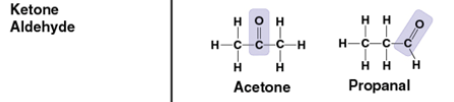
carbonyl group
sugars with ketone groups are called ketoses
what group and function
C=O
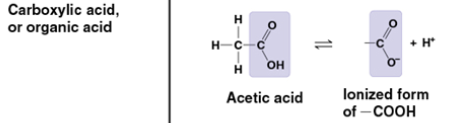
carboxyl group
acts as an acid
what group and function
-COOH
amino group
acts as a base
what group and function
-NH2

sulfhydryl group
two -SH groups react to form a cross link that stabalize a protein structure
what group and function
-SH

phosphate group
gives a molecule the ability to react with water
what group and function
-OPO32-

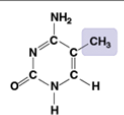
methyl group
affects the expression of genes - affect the shape and function sex hormones
what group and function
-CH3
properties of chemical elements and compounds result of their atomic structure
why is a biologist interested in the atomic structure of an atom
atomic number is the number of protons
mass number is sum of protons and neutrons
atomic mass is the approximation of total mass
isotopes is the variation of neutrons within the same element
define atomic number, mass number, and isotopes
an emergent property looks at the whole rather than its individual parts
A single heart muscle cell cannot pump blood. When thousands of heart cells combine to form cardiac tissue and structure a whole heart, the synchronized ability to pump blood emerges
what is an emergent property and give a specific compound example
a half life is the time it takes for the element to reach half its original concentration
it helps to determine dating because it is not affected by temperature, pressure, or other enviormental variables
what is a half life and how to interpret a radioactive isotope decay curve
when energy is absorbed the ve moves outward
when energy is lost the ve moves inward [closer to nucleus]
explain the movement of electrons from one shell orbital to another
inert gasses are stable because they have a full 8 ve in their outer shell.
why are inert elements so stable
covalent
strong bonds
share electrons
ionic
transfer elections
made from - and positive / metal - nonmetal
hydrogen bond
hydrogen atom binds to electronegative atom
van der waals
short positive and negative areas that can bond with other atoms
what is the differences between
covalent
ionic
hydrogen bonds
van der waals
certains systems act as a lock and key
For example the structures of endorphin and morphine have specific heads that allow them to bind to endorphin receptors
describe, with an example, of how molecular structure affects function
cohesion of water molecules
surface tension
cohesion because H bonds allow water molecules to stay close to each other
adhesion due to H bonds sticking to other molecules like cell walls
moderation of temperature - due to specific heat
specific heat is the amt of heat that must be absorbed or lost for 1g of that surface to change its temperature by 1 degree C
floating of ice on water
solid ice is less dense than liquid
solvent of life
water is solvent and solute dissolves in it
list the four emergent properties of water and explain how each come about
h plus and OH- are very reactive so they are able to separate from the compound
explain the process of water dissociation
the higher the concentration of H plus means more acidic
more h- is more basic
7 is normal
lower the number the more acidic
higher the number the more basic
explain the PH scale
Each element is unique and different from other elements because of the number of ________________.
protons
When two atoms are equally electronegative, they will interact to form___.
non polar covalent bonds
Ionic bonds occur when________.
an electron is transferred to another atom
Water is able to form hydrogen bonds because _____________________
the bonds that hold together the atoms in a water molecule are polar covalent bonds
Enantiomers _____________.
are mirror image of one another
Which of the following properties or processes do we associate with living livings?
all
What is biology?
study of life
Which of the following sequences represents the correct order of hierarchy of biological organization from the least to the most complex level?
molecule, cell, organ system, ecosystem
The major difference between a prokaryotic cell and an eukaryotic cell is _____
eukaryotic cells have membrane enclosed organelles
What is the core theme of biology?
evolution and natural selection
Which of the following describes the use of reductionism?
focusing on a specific small issue of a process
What do we call the study of the entire set of proteins expressed by a given cell?
the proteome
When blood glucose level rises, the pancreas releases insulin, and as a result blood glucose levels decrease. When blood glucose level is low, the pancreas secretes glucagon and as a result blood glucose levels rise. Such regulation of blood glucose level is result of
negative feedback
Humans are in which of the following domains?
archea
protist
eukarya
bacteria
Eukarya
Which of the following is a weak bond?
hydrogen
covalent
ionic
nonpolar covalent
hydrogen
Which statement is true of all atoms that are anions?
| |||
| |||
| |||
|
the atom has more electrons than protons
What determines the cohesiveness of water molecules?
hydrogen bonds
what is the symbol for phosphorus
P