Client Need Category Quiz #4: Physiological Adaptation
 Call Kai
 Learn
Learn Practice Test
 Spaced Repetition
 Match
Match Flashcards
 Knowt Play
1/50

There's no tags or description
Looks like no tags are added yet.
Name | Mastery | Learn | Test | Matching | Spaced | Call with Kai | Chat |
|---|
No analytics yet
Send a link to your students to track their progress
51 Terms
A nurse in an outpatient clinic is assessing a client with a red circular rash with dark red in the center, approximately 6 inches in diameter, with a “bull's-eye” appearance. Which condition would the nurse most likely suspect?
A.
Roseola
B.
Lyme disease
C.
Staphylococcus infection
D.
Shingles
A nurse views the cardiac monitor of a client with a bundle branch block. The nurse expects which of the following findings on the monitor in a client with bundle branch block?
A.
Sagging ST segments
B.
The absence of P wave configurations
C.
Peaked T waves following every QRS complex
D.
Widening of the QRS complexes to 0.12 seconds or greater
Next
A nurse observes the rhythm below on a client’s cardiac monitor. The client complains of chest pain and feeling “lightheaded.” His blood pressure is 70/50 mmHg. Which of the following treatments is appropriate for this client?

A.
Cardioversion
B.
Fluid resuscitation
C.
Transcutaneous pacing
D.
Amiodarone
A nurse is providing discharge teaching for a client diagnosed with cirrhosis of the liver. Which of the following statements by the client indicates an understanding of the teaching?
A.
“I should take acetaminophen instead of aspirin.”
B.
“I should reduce my alcohol consumption to fewer than 4 drinks per week.”
C.
“I should eat a low-carbohydrate, low-calorie diet.”
D.
“I should avoid heavy lifting and binding clothing that increases abdominal pressure.”
A nurse is providing discharge instructions about dietary modifications for a client with GERD. Which of the following foods should the nurse tell the client to avoid?
A.
Pears
B.
Oranges
C.
Bananas
D.
Avocados
A nurse is caring for a client with syndrome of inappropriate antidiuretic hormone (SIADH). Which of the following is a common clinical manifestation of this disorder?
A.
Decreased sodium level
B.
Increased serum osmolality
C.
Decreased blood pressure
D.
Increased urine output
Next
A nurse is caring for a client with syndrome of inappropriate antidiuretic hormone (SIADH). Which of the following is a common clinical manifestation of this disorder?
A.
Decreased sodium level
B.
Increased serum osmolality
C.
Decreased blood pressure
D.
Increased urine output
Which of the following is a priority for a client who has just had a myocardial infarction?
A.
Low back training program
B.
Risk modification education
C.
Strength training program
D.
Jogging exercise program
A nurse is providing education to a client who is preparing to undergo radiation therapy for treatment of head and neck cancer. Which of the following complications of radiation therapy will the nurse include in the teaching?
A.
Jaw stiffness, nausea, and lymphedema
B.
Shortness of breath and stiffness in the shoulders
C.
Cough and fever
D.
Lung fibrosis and diarrhea
A nurse is providing instruction to the parent of a school-aged child who has otitis externa. Which of the following instructions should the nurse include to help prevent a reoccurrence of the infection?
A.
"Use a hairdryer set on medium heat to dry the ear canal after showering."
B.
"Place a solution of vinegar and alcohol in the ear canal three times a day."
C.
"Dry your child's ear canals with cotton swabs after swimming."
D.
"Remind your child that gentle nose blowing will help prevent a reoccurrence."
Next
A nurse is caring for a client with Addison’s disease. Which of the following does the nurse expect to find when assessing the client?
A.
Hyperpigmentation of skin
B.
Truncal obesity
C.
Acne
D.
Hirsutism
The nurse is developing a care plan for a client with hypocalcemia. The client's serum calcium level is below 8.5 mg/dL. Which of the following nursing diagnoses is appropriate?
A.
Risk for imbalanced fluid volume
B.
Constipation
C.
Risk for injury
D.
Ineffective coping
Next
A nurse is assessing a client who has just completed hemodialysis. Which of the following signs indicates an increased risk of hemorrhage?
A.
Redness, warmth, and tenderness at the vascular access site
B.
Cool, pale skin distal to the vascular access site
C.
Auscultation of a swishing sound at the vascular access site
D.
The presence of blebs or bulging at the vascular access site
A nurse is teaching a client with a new colostomy how to perform irrigation. Which of the following actions by the client indicates a need for further teaching?
A.
Hangs the irrigation container at shoulder level, 20 inches above the stoma
B.
Inserts a lubricated enema set into the stoma and holds it in place
C.
Opens the roller clamp slowly to allow the irrigation solution to flow
D.
Clamps the tubing of the irrigation set when cramping occurs
Next
A nurse is caring for a client who is admitted with a new diagnosis of hepatic encephalopathy and has a prescription for lactulose. Which of the following indicates to the nurse, that the treatment was effective?
A.
Increased bowel movements
B.
Increased bruising
C.
Increased sedation
D.
Hypoactive bowel sounds
Which of the following actions is accurate when performing cardiopulmonary resuscitation (CPR) on an adult patient?
A.
Allow complete chest recoil with each compression.
B.
Check for a pulse after one minute of compressions.
C.
Compress at a rate of 80 to 100 compressions per minute.
D.
Perform compressions and ventilations at a ratio of 10:2.
A nurse is providing care to a geriatric client. Findings on assessment include oliguria, elevated hematocrit, and falling blood pressure. These symptoms are consistent with which of the following conditions?
A.
Hypoglycemia
B.
Myasthenic crisis
C.
Mitral valve disease
D.
Fluid volume deficit
A nurse is preparing to perform endotracheal suctioning for a client who is intubated and mechanically ventilated. Which of the following will the nurse consider when performing this task?
A.
Suction for the shortest time possible to remove secretions
B.
Instill 10 cc of normal saline solution into the tube to break up secretions for better results
C.
Start suction pressure at the highest setting and slowly decrease the amount
D.
Decrease the FiO2 prior to suctioning and then turn it up when suctioning is complete
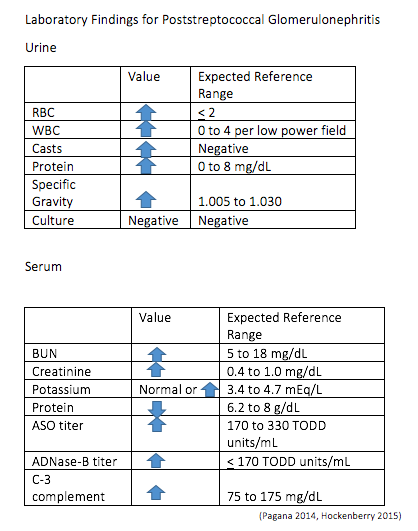
A nurse is caring for a 10-year-old child who has acute post-streptococcal glomerulonephritis (APSGN). Which of the following findings is the priority for the nurse to report to the provider?
A.
Serum BUN 8 mg/dL
B.
Serum creatinine 1.3 mg/dL
C.
1+ edema to the genitalia
D.
Urine that is cola-colored
A flight nurse arrives at the scene of a motor vehicle collision and observes that the victim has had a traumatic amputation. What action is a nursing priority?
A.
Place the severed bodily part into a clean paper bag so that air can circulate to it
B.
Apply pressure to the stump with sterile gauze to prevent hemorrhage
C.
Provide psychological support to the client who has just had a traumatic injury
D.
Place the severed part in a plastic bag and then submerge the bag in ice water to preserve it
A nurse is caring for a client who was admitted early in the shift with pancreatitis. When evaluating the client’s laboratory results, what is the immediate priority for intervention?
A.
White blood cell count 11,000 cells/mm^3
B.
Sodium 118 mEq/L
C.
Potassium 3.5 mEq/L
D.
Serum amylase 120 units/dL
A nurse is reviewing the medical record of a client who has osteoporosis. Which of following findings should the nurse expect? (Select all that apply.)
A.
Client report of drinking three glasses of wine per week.
B.
Loss in height of 5.1 cm (2 in)
C.
Body mass index (BMI) of 25
D.
Kyphotic curve at upper thoracic spine
E.
History of lactose intolerance
A nurse admits a client with weakness, hypotension, nausea, and abdominal pain after the client abruptly stopped using long-term exogenous corticosteroids. Which of the following laboratory results does the nurse expect?
A.
Serum sodium 150 mEq/L
B.
Serum sodium 118 mEq/L
C.
Serum calcium 9 mg/dL
D.
Serum potassium 2.0 mEq/L
E.
Serum potassium 3.6 mEq/L
A nurse is assessing a client admitted to the recovery unit after exploratory laparotomy. The client’s two previous baseline blood pressure measurements were 125/80 mmHg and 130/84 mmHg. The current blood pressure reading is 90/60 mmHg. What is the most appropriate intervention by the nurse?
A.
Double the rate of the client’s intravenous fluid infusion
B.
Recheck the client’s vital signs in 15 minutes since hypotension may occur postoperatively in normal circumstances
C.
Contact the surgeon and anesthesiologist and prepare the client to return to the OR
D.
Draw blood for basic chemistries to determine if the cause of hypotension is an electrolyte imbalance
A client complains of feeling “lightheaded” after radiofrequency catheter ablation. His cardiac monitor reveals dissociation of P waves and QRS complexes as shown below. Which of the following is the most appropriate first nursing intervention?

A.
Call the rapid response team for cardioversion.
B.
Notify the healthcare provider and prepare to administer atropine.
C.
Notify the cardiologist and prepare for transcutaneous or transvenous pacing.
D.
Document the rhythm and assessment in the client’s chart and monitor for further changes.
A nurse is reviewing the health record of a client who has been staged as having T2-N3-M0 ovarian cancer. The nurse should recognize that this finding indicates which of the following results?
A.
The tumor has increased in size and involves the ovary and adjacent tissues.
B.
No lymph nodes contain cancer cells.
C.
The tumor is receptive to current medication therapy.
D.
The cancer has metastasized to other areas in the body.
A nurse is assessing an elderly client with pneumonia. Which of the following findings is potentially an early sign of sepsis?
A.
Respiratory rate of 19/minute
B.
Altered mental status
C.
White blood cell count of 11,000
D.
Hypoglycemia
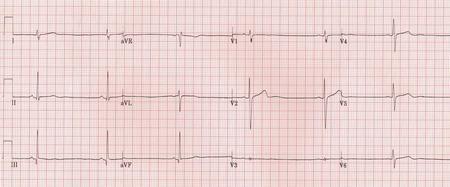
A client is in the hospital two days after an acute myocardial infarction when he develops sinus bradycardia. His blood pressure is 85/40 mmHg, and his heart rate is 42/minute. Which of the following is the appropriate action?
A.
Place the client in the reverse Trendelenburg position
B.
Give atropine 0.5 mg IVP every 3-5 min up to 3 mg maximum dose
C.
Give the next dose of propranolol
D.
Commence Valsalva maneuver (encourage the client to “bear down” or to cough forcefully)
A nurse in the emergency department is caring for a client with a score of 11 on the Glasgow Scale. What does this score indicate?
A.
The client has a moderate brain injury
B.
The client has a high level of consciousness
C.
The client is at risk for falls and injuries
D.
The client is at risk for skin breakdown
A nurse is providing discharge teaching to a client who is post-op day 3 after an open cholecystectomy. When providing discharge teaching about wound care, which of the following will the nurse advise the client may indicate a wound infection?
A.
Serous drainage from the incision
B.
Increased fatigue when performing daily activities.
C.
Warmth and erythema at the wound site
D.
Pink skin at the incision
A nurse in a pediatric clinic is assessing a young child who was exposed to roseola. The nurse understands that which of the following is characteristic of roseola?
A.
Rash accompanied by a low-grade fever
B.
Fever, sore throat, and pustular rash
C.
Symptoms of a cold followed by a rash
D.
High fever followed by a rash after the fever has subsided
A nurse is caring for a client who has sustained full-thickness burns on the arms, face, neck, and shoulders and is in the resuscitation phase. The nurse notes that the client's voice has become hoarse with a brassy cough and drooling. The nurse should identify these findings as indications that the client has which of the following?
A.
Pulmonary edema
B.
Bacterial pneumonia
C.
Inhalation injury
D.
Carbon monoxide poisoning
A nurse is providing discharge teaching to a client who has a new colostomy. The client asks if it is all right to get the colostomy bag wet. Which of the following is the most appropriate response?
A.
“Yes, you can get it wet, but you may want to empty it before swimming or bathing.”
B.
“Yes, you can get it wet if you use a specially-designed waterproof bag.”
C.
“No, you cannot get it wet and you must apply plastic wrap or a plastic bag before swimming or bathing.”
D.
“No, you cannot get it wet and you should remove the bag before swimming or bathing.”
A nurse is caring for a client on a ventilator who has ventilator settings with a preset tidal volume. Which best describes the tidal volume (VT) in this setting?
A.
The number of breaths each minute
B.
The amount of air inhaled with each breath
C.
The pressure needed for each breath of the patient
D.
The percentage of oxygen in the surrounding air
A client experiencing anaphylaxis after exposure to an allergen is having which of the following types of reaction?
A.
Type I
B.
Type II
C.
Type III
D.
Type IV
A nurse is caring for a client who has undergone bariatric surgery for weight loss. Which of the following prescriptions by the healthcare provider should the nurse question?
A.
Place the client in a low Fowler position
B.
Begin administration of morphine by patient-controlled analgesia pump (PCA)
C.
Recommend a clear diet low in carbohydrates for 48 hours
D.
Place a nasogastric tube for nausea and vomiting
A nurse is caring for a client who has been on a mechanical ventilator for 2 days. What is the best indicator of ventilator-associated pneumonia?
A.
Fever and positive blood cultures
B.
Purulent sputum that grows a positive bacterial culture
C.
Crackles and rhonchi on auscultation
D.
Leukocytosis
A nurse is caring for a client who has been on a mechanical ventilator for 2 days. What is the best indicator of ventilator-associated pneumonia?
A.
Fever and positive blood cultures
B.
Purulent sputum that grows a positive bacterial culture
C.
Crackles and rhonchi on auscultation
D.
Leukocytosis
A client experienced onset of shortness of breath after a central venous pressure line is placed in the right subclavian vein. Which of the following supports a diagnosis of pneumothorax?
A.
Sudden, sharp pain on the affected side
B.
Tracheal deviation toward the affected side
C.
Bradypnea and elevated blood pressure
D.
Presence of crackles and wheezes
A nurse is caring for a client with a closed head injury who has had an increase in blood pressure from 168/92 to 254/120. What is this client’s current pulse pressure?
A.
28
B.
76
C.
86
D.
134
A nurse is caring for a client with a tracheostomy. Which of the following will the nurse do when suctioning the client?
A.
Use a new sterile suction catheter with each insertion
B.
Initiate suction as the catheter is being withdrawn
C.
Insert the catheter until the cough reflex is stimulated
D.
Remove the inner cannula before suctioning is initiated
A nurse is caring for a client with chronic obstructive pulmonary disease (COPD). Which clinical finding supports the nurse’s suspicion that the client is developing cor pulmonale?
A.
Peripheral edema
B.
Productive cough
C.
Twitching of the extremities
D.
Lethargy progressing to coma
An infant is suspected of having Kawasaki disease. Diagnostic tests are to be ordered after the assessment. To confirm the diagnosis, which of the following criteria needs to be present?
A.
Strawberry tongue
B.
Splenomegaly
C.
Abdominal distention
D.
Seizures
A nurse is conveying information to a client with an ileostomy. Which of the following statements by the client will indicate that the client has understood the teaching?
A.
“If a blockage occurs, I should add water through the stomal opening.”
B.
“If a blockage occurs, I should take a laxative to clear the obstruction.”
C.
“If a blockage occurs, I should eat high-fiber foods.”
D.
“If a blockage occurs, I should begin a liquid diet.”
A nurse is caring for a client with AIDS (acquired immunodeficiency syndrome) who is complaining about chills, night sweats, fever, and diarrhea. The client has significant weight loss and malabsorption. Which of the following may have caused the client’s symptoms?
A.
Tuberculosis
B.
Cryptosporidiosis
C.
Candidiasis
D.
Pneumocystis carinii
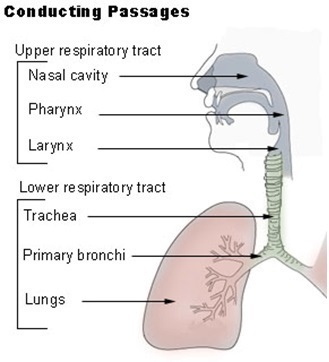
Which of the following activities is initiated in the lower respiratory tract?
A.
Filtration of incoming air
B.
Protection of the respiratory tract through coughing
C.
Gas exchange between carbon dioxide and oxygen
D.
Entrapment of particles of pollen or dust
A nurse knows that which of the following is most likely to be associated with central diabetes insipidus?
A.
Pancreas
B.
Kidney
C.
Anterior pituitary gland
D.
Posterior pituitary gland
A nurse is caring for a client who has just had a plaster cast applied after a fracture of the ulna. Which of the following is the most appropriate nursing intervention?
A.
Keep the cast covered until it is completely dry
B.
Handle the cast with only the tips of the fingers to avoid moving the plaster
C.
Rest the cast on a table for the first 48 hours while drying
D.
Observe edges of the cast to ensure they do not cut the skin
Select the type of stroke that is accurately paired with its etiology.
A.
Embolic stroke: The rupture of an aneurysm
B.
Thrombotic stroke: Clotting on cerebral artery plaque
C.
Hemorrhagic stroke: An occlusion of the cerebral artery
D.
Cerebral stroke: The rupture of a nerve
A nurse is caring for a client with Addison’s disease who has the following results on complete metabolic profile: sodium 128 mEq/L, potassium 3.8 mEq/L, calcium 10 mg/dL, HCO3 22 mEq/L, BUN 18 mg/dL, creatinine mg/dL 1.0. Which of the following conditions does this client have?
A.
Hyponatremia
B.
Hypokalemia
C.
Hypercalcemia
D.
Metabolic acidosis
When a nurse is changing a large, sterile, wet-to-damp dressing, which of the following techniques is correct?
A.
Placing sterile gauze dressing 1” from the edge of the sterile drape
B.
Using sterile normal saline solution from a bottle opened less than 48 hours ago
C.
Using gloved hands to open the sterile gauze package
D.
Holding the inverted package of sterile gauze 6” (15 cm) above the waterproof sterile field when dropping the gauze on the field
E.
Dropping the opened inverted gauze package from 1” above the sterile field