AH3 Exam 1 Combined

0.0(0)
Studied by 72 people
call kaiCall Kai
learnLearn
examPractice Test
spaced repetitionSpaced Repetition
heart puzzleMatch
flashcardsFlashcards
GameKnowt Play
Card Sorting

1/87

encourage image

There's no tags or description

Looks like no tags are added yet.

88 Terms

1
New cards

What would a nurse specifically look for when assessing a pt with Chest Tube? (5)

  1. resp assessment

  • crackles?

  • symmetrical chest rise?

  • tracheal deviation?

  • RR?

  • hesitant breaths?

  1. air leak?

  • check seal

  1. subQ air? aka emphysema/crepitus

  2. tidaling present?

  • fluctuation when breathing in water seal chamber

  1. bubbling in water seal chamber?

  • occasional (normal)

  • continuous (BAD = air leak)


2
New cards

What to asses when tidaling’s absent:

What does bubbling in water seal mean?

  1. assess obstruction, clot, kink

  2. bubbling=air leak → pneumothorax


<ol><li><p>assess <span style="color: rgb(208, 93, 36);"><strong>obstruction, clot, kink</strong></span></p></li><li><p><span style="color: rgb(58, 112, 194);"><strong>bubbling=air leak → pneumothorax</strong></span></p></li></ol><p></p>
3
New cards

4 mechanisms of blunt chest trauma and define:

  1. acceleration:

  • moving object hits chest (punched)

  • stationary, then gets thrown into motion

    • fall

    • assault


  1. deceleration

  • abrupt stop

    • MVC

  1. shearing

  • tissues/organs get pulled in different directions = tears

    • heart and lungs move at diff speeds even after you are stopped abruptly (MVC)

  1. compression

  • DIRECT blow to chest

    • construction

    • crushed


<ol><li><p><span style="color: rgb(234, 196, 196);"><strong>acceleration</strong>:</span></p></li></ol><ul><li><p><span style="color: rgb(237, 202, 202);"><strong>moving </strong></span><span style="color: rgb(23, 17, 17);">object</span><span style="color: rgb(23, 17, 17);"> hits chest (punched)</span></p></li><li><p><span style="color: rgb(237, 202, 202);"><strong>stationary</strong>, </span><span style="color: rgb(14, 11, 11);">then gets</span><span style="color: rgb(237, 202, 202);"> </span><span style="color: rgb(237, 202, 202);"><strong>thrown</strong></span><span style="color: rgb(248, 202, 202);"><strong> </strong></span>into motion </p><ul><li><p>fall</p></li><li><p>assault</p></li></ul></li></ul><p></p><ol start="2"><li><p><span style="color: rgb(40, 100, 164);"><strong>deceleration</strong></span></p></li></ol><ul><li><p><span style="color: rgb(47, 82, 156);"><strong>abrupt </strong></span>stop</p><ul><li><p><span style="color: rgb(17, 11, 11);">MVC</span></p></li></ul></li></ul><ol start="3"><li><p><span style="color: rgb(37, 151, 75);"><strong>shearing</strong></span></p></li></ol><ul><li><p><span style="color: rgb(37, 151, 75);"><strong>tissues/organs</strong></span> get pulled in different directions = tears</p><ul><li><p>heart and lungs move at diff speeds even after you are stopped abruptly (MVC)</p></li></ul></li></ul><ol start="4"><li><p><span style="color: rgb(207, 161, 28);"><strong>compression</strong></span></p></li></ol><ul><li><p><span style="color: rgb(207, 161, 28);"><strong>DIRECT</strong></span><strong> </strong>blow to chest </p><ul><li><p>construction</p></li><li><p>crushed</p></li></ul></li></ul><p></p>
4
New cards

Most common penetrating chest trauma: 2

  1. GSW

  • high velocity

  1. stab wounds

  • low velocity


<ol><li><p><span style="color: rgb(219, 96, 96);"><strong>GSW</strong></span></p></li></ol><ul><li><p><span style="color: rgb(219, 96, 96);">high velocity</span></p></li></ul><ol start="2"><li><p><span style="color: rgb(78, 22, 184);"><strong>stab </strong>wounds</span></p></li></ol><ul><li><p>low velocity</p></li></ul><p></p>
5
New cards

What are important initial assessments of chest trauma: (7)

  1. How injury occurred

  2. Time passed since injury

  3. airway, thorax, neck veins

  4. breathing effort, stridor, drooling

  5. tracheal shift

  6. accessory muscles use

  7. symmetrical chest rise and fall


6
New cards

8 Complications of Chest Trauma:

  1. sternal and rib fractures

  2. flail chest

  3. closed pneumothorax

  4. open pneumothorax

  5. tension pneumothorax

  6. hemothorax

  7. cardiac tamponade

  8. pulmonary contusions


7
New cards

Sternal and Rib fx

  • tx

  • organ involvement

  • s/s


  1. usually benign, treated conservational (rest, ice, pain meds, heals on its own)

  2. fx lower ribs associated w. spleen and liver lacerations

  3. diminished ventilation, atelectasis, progress to ARF


  • ex: MVC complication from direct blow to sternum from steering wheel


8
New cards

Sternal/rib fracture findings: (6)

  1. Overlying tenderness

  • soft tissue around injured bone

  1. ecchymosis

  2. crepitus

  3. point tenderness

  • directly over fractured bone

  1. muscle spasms

  2. punctured lung


<ol><li><p><span style="color: rgb(216, 111, 111);"><strong>Overlying </strong></span>tenderness</p></li></ol><ul><li><p>soft tissue around injured bone </p></li></ul><ol start="2"><li><p><span style="color: rgb(151, 142, 37);"><strong>ecchymosis</strong></span></p></li><li><p><span style="color: rgb(50, 154, 37);"><strong>crepitus</strong></span></p></li><li><p><span style="color: rgb(55, 135, 188);"><strong>point </strong></span>tenderness</p></li></ol><ul><li><p>directly over fractured bone</p></li></ul><ol start="5"><li><p><span style="color: rgb(61, 41, 188);"><strong>muscle spasms</strong></span></p></li><li><p><span style="color: rgb(155, 22, 204);"><strong>punctured lung </strong></span></p></li></ol><p></p>
9
New cards

Flail chest findings: (3)

  • 2 hallmarks


  1. 3+ adjacent ribs break in @ least 2+ places each

  • free-floating segment of chest wall

  1. HALLMARK: Paradoxical mvmt

  2. HALLMARK: MEDIASTINUM shifts AFFECTED side


<ol><li><p><span style="color: rgb(51, 154, 195);"><strong>3+ adjacent ribs break in @ least 2+ places</strong></span><strong> </strong>each</p></li></ol><ul><li><p><strong>free-floating</strong> segment of chest wall</p></li></ul><ol start="2"><li><p><span style="color: rgb(246, 24, 24);"><strong>HALLMARK</strong></span><strong>: </strong><span style="color: rgb(60, 144, 44);"><strong>Paradoxical </strong></span><strong>mvmt</strong></p></li><li><p><span style="color: rgb(243, 38, 38);"><strong>HALLMARK</strong></span><strong>: </strong><span style="color: rgb(213, 45, 144);"><strong>MEDIASTINUM </strong>shifts <strong>AFFECTED </strong>side</span></p></li></ol><p></p>
10
New cards

Define paradoxical mvmt:

part of the chest moves OPPOSITE to the normal mvmt of the rest of the chest during breathing

→ normal:

  • inhale: chest moves out

  • exhale: chest retracts


→ bad:

  • inhale: injured part moves IN

  • exhale: injured part moves OUT


<p>part of the chest moves <span style="color: rgb(201, 25, 25);"><strong>OPPOSITE </strong></span><strong>to the normal mvmt of the rest of the chest during breathing</strong></p><p>→ <span style="color: rgb(85, 155, 58);"><strong>normal</strong>:</span></p><ul><li><p><span style="color: rgb(85, 155, 58);"><strong>inhale</strong>: chest moves <strong>out</strong></span></p></li><li><p><span style="color: rgb(85, 155, 58);"><strong>exhale</strong>: chest <strong>retracts</strong></span></p></li></ul><p></p><p>→ <span style="color: rgb(193, 46, 46);"><strong>bad</strong>:</span></p><ul><li><p><span style="color: rgb(193, 46, 46);"><strong>inhale</strong>: injured part moves <strong>IN</strong></span></p></li><li><p><span style="color: rgb(193, 46, 46);"><strong>exhale</strong>: injured part moves <strong>OUT</strong></span></p></li></ul><p></p>
11
New cards

Closed pneumo findings: (5)

  1. air escapes from laceration in lung and enters pleural space

  2. sudden pleuritic CP

  3. absent breath sounds on AFFECTED side

  4. ⬇chest expansion

  5. HYPERresonance (air)


<ol><li><p>air escapes from <strong>laceration </strong>in lung and <span style="color: rgb(32, 163, 194);"><strong>enters pleural space</strong></span></p></li><li><p>sudden <span style="color: rgb(233, 146, 146);"><strong>pleuritic CP</strong></span></p></li><li><p><strong>absent breath sounds on </strong><span style="color: rgb(29, 135, 40);"><strong>AFFECTED</strong></span> side</p></li><li><p><span style="color: rgb(177, 69, 206);"><span data-name="arrow_down" data-type="emoji">⬇</span><strong>chest </strong>expansion</span></p></li><li><p><span style="color: rgb(170, 175, 29);"><strong>HYPERresonance</strong></span><strong> </strong>(air)</p></li></ol><p></p>
12
New cards

Open pneumo: (3)

  1. air enters and exits (less dangerous)

  2. hallmark: sucking/whistling sound

  3. 3-sided occlusive dressing


<ol><li><p>air <span style="color: rgb(109, 130, 241);"><strong>enters and exits</strong></span> (less dangerous)</p></li><li><p><span style="color: rgb(2, 2, 2);"><strong>hallmark</strong></span><span style="color: rgb(65, 157, 29);"><strong>: sucking</strong>/whistling sound</span></p></li><li><p><span style="color: rgb(225, 119, 226);"><strong>3-sided occlusive dressing</strong></span></p></li></ol><p></p>
13
New cards

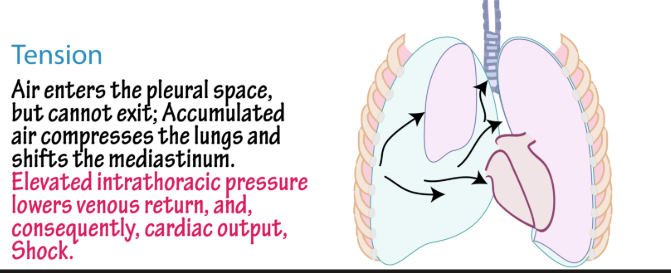
Tension pneumo findings: (2)

  1. air enters pleural space from injured lung gets TRAPPED!!

  2. Hallmark: each breath ⬆thoracic pressure, shifting TRACHEA towards UNaffected side!

<ol><li><p>air enters pleural space from injured lung gets <span style="color: rgb(213, 24, 24);"><strong>TRAPPED</strong></span>!!</p></li><li><p><strong>Hallmark</strong>: each breath <span data-name="arrow_up" data-type="emoji">⬆</span>thoracic pressure, <span style="color: rgb(90, 170, 237);"><strong>shifting TRACHEA towards UNaffected side</strong></span>!</p></li></ol><p></p>
14
New cards

If chest tube not available for tension pneumo, what do you do?

  • Needle decompression!!

  • 14/16G (longer better)

    • just over top of 3rd rib, (2nd intercostal space), midclavicular line


<ul><li><p>Needle decompression!!</p></li><li><p><span style="color: rgb(229, 25, 25);"><strong>14/16G</strong></span> (longer better)</p><ul><li><p>just over top of <strong>3rd rib</strong>, (<span style="color: rgb(43, 178, 121);"><strong>2nd intercostal space), midclavicular line</strong></span></p></li></ul></li></ul><p></p>
15
New cards

hemodynamic compromise in Hemothorax: (3)

  1. drainage >1.5L considered massive and pt becomes hemodynamically unstable

  2. >0.4 L = may become symptomatic

  3. tx: thoracotomy, transfusion


<ol><li><p><span style="color: rgb(38, 79, 204);"><strong>drainage &gt;1.5</strong></span><strong>L</strong> considered <strong>massive </strong>and pt becomes hemodynamically unstable</p></li><li><p><span style="color: rgb(10, 170, 116);"><strong>&gt;0.4 </strong></span><strong>L </strong>= may become symptomatic</p></li><li><p>tx: <span style="color: rgb(181, 103, 60);"><strong>thoracotomy, transfusion</strong></span></p></li></ol><p></p>
16
New cards

Cardiac tamponade hallmark:

Becks Triad!!!!

  1. hypotension (narrowed pulse pressure)

  2. muffled heart sounds

  3. JVD


<p><strong>Becks </strong>Triad!!!!</p><ol><li><p><span style="color: rgb(144, 83, 214);"><strong>hypotension</strong> (narrowed pulse pressure)</span></p></li><li><p><span style="color: rgb(144, 83, 214);"><strong>muffled heart sounds</strong></span></p></li><li><p><span style="color: rgb(144, 83, 214);"><strong>JVD</strong></span></p></li></ol><p></p>
17
New cards

Pulmonary contusion findings: (8)

  1. bruised lung

  2. hypoxemia

  3. hemoptysis

  4. crackles

  5. ecchymosis

  6. rib fx

  7. Alkalosis: Hyperventilation (⬇PaCO2)

  8. MINIMIZE IV fluids!!!


18
New cards
term image

Penetrating

  • classified by velocity

    • appearance may be deceptive

    • extent of damage can be wide spread


19
New cards
term image

Blunt (deceleration/shearing)

  • Sudden decrease in rate/speed/ velocity

  • MVC


20
New cards
term image

Flail Chest

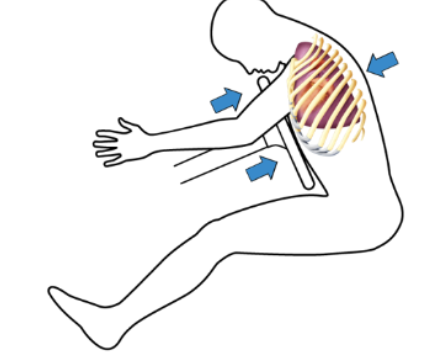
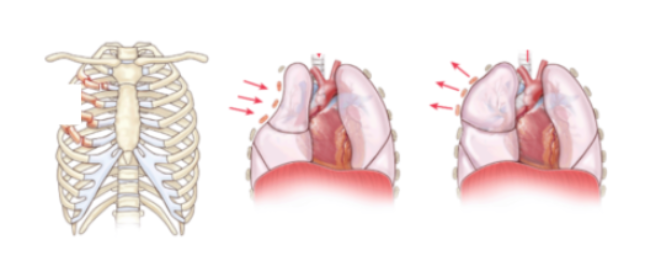
  • 3+ adjacent ribs break in 2+ sites (free floating ribs)

  • chest wall unstable

    • MEDIASTINUM shifts to AFFECTED side

    • PARADOXICAL mvmt


21
New cards
term image

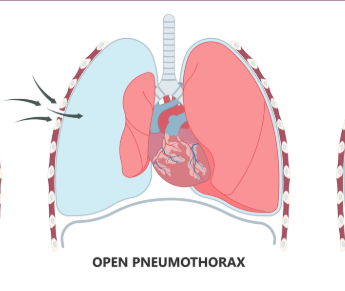
Open pneumo

  • chest wall large enough to allow air to pass freely in/out of thoracic cavity

  • “sucking” sound


22
New cards
term image

Tension pneumo

  • air enters pleural space, TRAPPED

  • ⬆thoracic pressure = mediastinum + TRACHEA shifts to UNAFFECTED side

23
New cards
term image

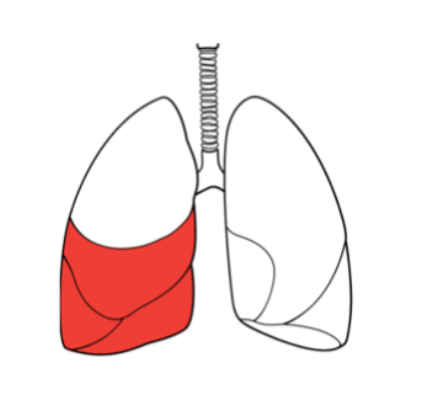
Hemothorax

  • rib fractures

  • tx w/ thoracostomy (CT) and autotransfusion

  • Hemodynamic compromise

    • > 1.5 L = massive hemorrhage

    • > 0.4 L = can be symptomatic


24
New cards
term image

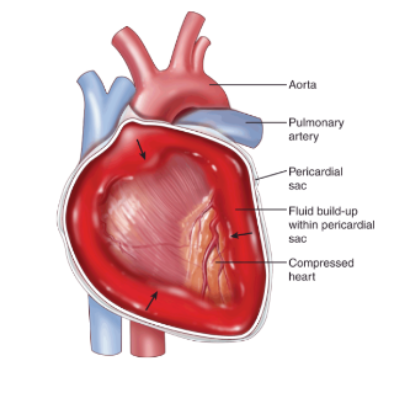
Cardiac tamponade

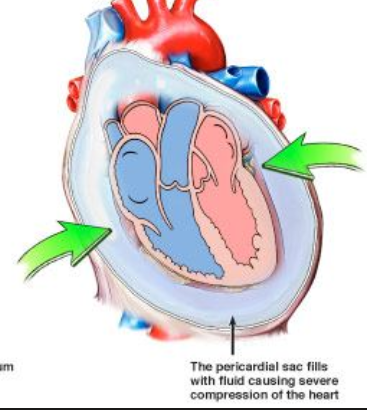
  • fluid/air/blood in pericardial sac

  • Becks triad!!!!

  • will cause obstructive shock


25
New cards
term image

Pulmonary contusions

  • lungs absorb energy from trauma

  • capillary blood leaks into lung = edema and inflammation

    • Hemoptysis, ecchymosis, ⬇PaCO2

  • progress @ 4-6hr; 24-48hr to fully develop


26
New cards

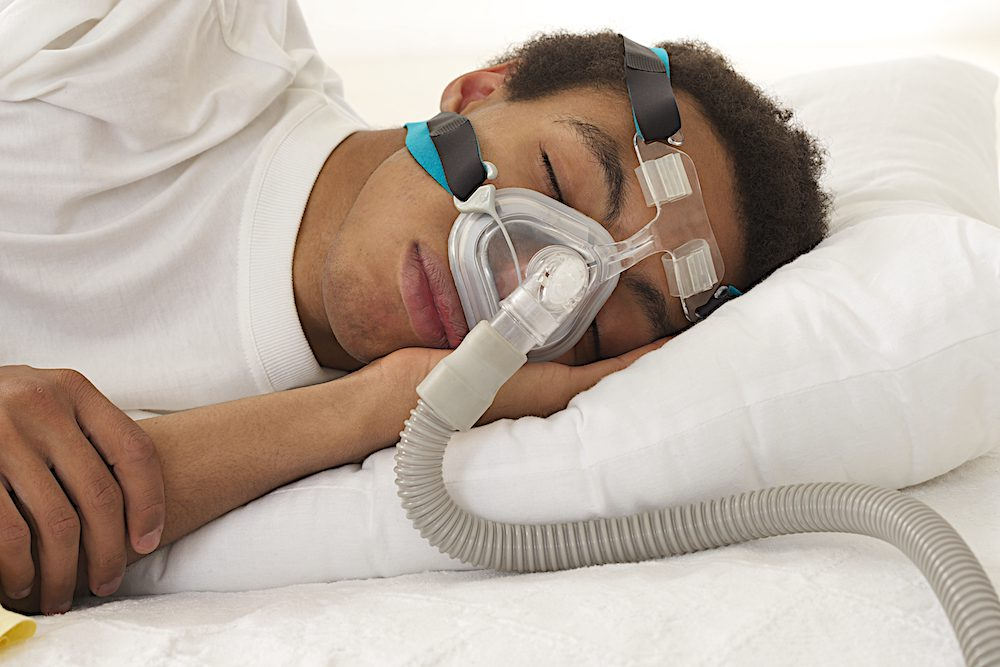
Whats CPAP? (3)

  1. same pressure for both inhale and exhale

  2. does NOT affect tidal volume

  3. Used for HYPOxemic resp. failure


<ol><li><p>same pressure for <span style="color: rgb(28, 204, 170);"><strong>both inhale and exhale</strong></span></p></li><li><p>does <span style="color: rgb(218, 46, 46);"><strong>NOT </strong>affect <strong>tidal</strong></span><strong> </strong>volume</p></li><li><p>Used for <span style="color: rgb(110, 130, 219);"><strong>HYPOxemic</strong></span> resp. failure</p></li></ol><p></p>
27
New cards

Whats BiPAP?

  1. 2 diff. pressure settings

  2. useful for hypercapnic resp. failure

  • COPD pt retains CO2, so needs to blow off acidic gas= prolonged expiratory pressure


<ol><li><p><span style="color: rgb(247, 56, 56);"><strong>2 diff</strong></span>. pressure settings</p></li><li><p>useful for <span style="color: rgb(47, 64, 193);"><strong>hypercapnic </strong></span>resp. failure</p></li></ol><ul><li><p>COPD pt retains CO2, so needs to blow off acidic gas= prolonged <strong>expiratory </strong>pressure</p></li></ul><p></p>
28
New cards

Whats Rapid Sequence Intubation? (RSI)

  • whats a key feature of RSI?


giving a sedative + paralytic quickly to secure airway while ⬇️aspiration risk

  • ex: (decreased LOC, not NPO, ARF etc)


→ key feature: NO BMV between meds and tube placement bc we assume pt has “full stomach” and could aspirate if we ventilate

<p>giving a <span style="color: rgb(53, 159, 207);"><strong>sedative + paralytic</strong> quickly to secure <strong>airway </strong>while <strong>⬇️aspiration</strong></span> risk</p><ul><li><p>ex: (decreased LOC, not NPO, ARF etc)</p></li></ul><p></p><p></p><p>→ key feature: <span style="color: rgb(224, 27, 27);"><strong><mark data-color="#f5e6e6" style="background-color: rgb(245, 230, 230); color: inherit;">NO BMV</mark></strong> </span><span style="color: rgb(6, 5, 5);">between meds and tube placement bc we assume pt has</span><span style="color: rgb(224, 27, 27);"> “<strong>full stomach</strong>” </span><span style="color: rgb(9, 8, 8);">and could aspirate if we ventilate</span></p>
29
New cards

Mechanical Vent terms to know:

  1. FiO2 (and RA %)

  2. Tidal Volume


  1. FiO2

  • concentration of O2 inhaled

  • normal = 21%

  1. Tidal Volume

  • amt of pre-set air delivered w/ each ventilator breath

  • 8-10 ml/kg


30
New cards

Whats PEEP?

whys it used: (2)

  • normal range?


  • Positive End Expiratory Pressure: pos pressure used @ end of exhale

→ Uses: (2)

  1. keep alveoli open (lungs dont deflate all the way)

  2. allows FiO2 levels to be lower


→ normal range: 3-5 cm

31
New cards

Complications of PEEP: (3)

  1. Hypotension

  • ⬆Intrathoracic pressure = ⬇venous return to heart→ hypotension

  1. ⬇CO

  • d/t ⬇venous return

  1. barotrauma

  • pressure > 5 cm can cause alveoli to over inflate → lung tissue tears → pneumothorax


<ol><li><p><span style="color: rgb(67, 114, 186);"><strong>Hypotension</strong></span></p></li></ol><ul><li><p><span data-name="arrow_up" data-type="emoji">⬆</span>Intrathoracic pressure = <span data-name="arrow_down" data-type="emoji">⬇</span>venous return to heart→ hypotension</p></li></ul><ol start="2"><li><p><span data-name="arrow_down" data-type="emoji">⬇</span><span style="color: rgb(209, 51, 51);"><strong>CO</strong></span></p></li></ol><ul><li><p>d/t <span data-name="arrow_down" data-type="emoji">⬇</span>venous return</p></li></ul><ol start="3"><li><p><span style="color: rgb(43, 150, 127);"><strong>barotrauma</strong></span></p></li></ol><ul><li><p>pressure &gt; 5 cm can cause alveoli to over inflate → lung tissue tears → pneumothorax</p></li></ul><p></p>
32
New cards

What are the 2 ventilator alarms?

  1. High pressure: increase in peak airway pressure (occlusions)

  • biting the tube (oral airway)

  • secretions

  • kinked tube

  • pneumothorax

  • ⬇lung compliance (elasticity)

  1. Low pressure: decrease in pressure/loss of volume (leak)

  • cuff not tight

  • disconnected


<ol><li><p><span style="color: rgb(195, 68, 68);"><strong>High </strong>pressure:</span><span style="color: rgb(29, 17, 17);"> increase in peak airway pressure</span><span style="color: rgb(195, 68, 68);"> (<strong>occlusions</strong>)</span></p></li></ol><ul><li><p><span style="color: rgb(195, 68, 68);">biting the tube (oral airway)</span></p></li><li><p><span style="color: rgb(195, 68, 68);">secretions</span></p></li><li><p><span style="color: rgb(195, 68, 68);">kinked tube</span></p></li><li><p><span style="color: rgb(195, 68, 68);">pneumothorax</span></p></li><li><p><span style="color: rgb(195, 68, 68);"><span data-name="arrow_down" data-type="emoji">⬇</span>lung compliance</span> (elasticity)</p></li></ul><ol start="2"><li><p><span style="color: rgb(26, 146, 80);"><strong>Low </strong>pressure: decrease in pressure/loss of volume (<strong>leak</strong>)</span></p></li></ol><ul><li><p><span style="color: rgb(26, 146, 80);">cuff not tight</span></p></li><li><p><span style="color: rgb(26, 146, 80);">disconnected</span></p></li></ul><p></p>
33
New cards

Ventilator Associated Pneumonia prevention measures: (6)

  1. HOB 30-45

  2. oral/ETT care (chlorhexidine)

  3. daily SAT/SBT

  4. early mobilization

  5. VTE prophylaxis

  • bed bound → clots = give heparin

  1. GI prophylaxis

  • stress ulcers = reduce stomach acid (Pantoprazole)


<ol><li><p><span style="color: rgb(234, 92, 92);"><strong>HOB 30-45</strong></span></p></li><li><p><span style="color: rgb(189, 130, 54);"><strong>oral/ETT care</strong> (chlorhexidine)</span></p></li><li><p>daily <span style="color: rgb(62, 172, 41);"><strong>SAT/SBT</strong></span></p></li><li><p>early <span style="color: rgb(80, 157, 207);"><strong>mobilization</strong></span></p></li><li><p><span style="color: rgb(237, 40, 242);"><strong>VTE </strong></span><strong>prophylaxis</strong></p></li></ol><ul><li><p>bed bound → clots = give heparin</p></li></ul><ol start="6"><li><p><span style="color: rgb(43, 200, 176);"><strong>GI </strong></span><strong>prophylaxis</strong></p></li></ol><ul><li><p>stress ulcers = reduce stomach acid (Pantoprazole)</p></li></ul><p></p>
34
New cards

considerations for weaning off vent: (4)

  1. SBT

  • can they breathe w/o vent?

  1. SAT

  • decrease sedation and see if they can follow commands


  1. PO4 (electrolyte replacement)

  • strength muscle


  1. + cuff leak

  • deflate ballon & hear air move around tube

    • no noise = maybe airway edema


35
New cards

Whats ARF?

normal ranges:

  • pH

  • CO2

  • PaO2

  • HCO3


body cant exchange O2 and CO2 (bad ventilation)

  • pH: (a) 7.35-7.45 (b)

  • CO2: (b) 35-45 (a)

  • PaO2: 80-95

  • HCO3: (a) 22-26 (b)


36
New cards

2 major ARF types:

  • criteria for each


I: Hypoxemic/ failure to oxygenate

  • PaO2 < 60 mmHg

II: hypercapnic/ failure to ventilate (exchange O2 and CO2 efficiently)

  • pH < 7.35 & PaCO2 > 45 mmHg (acidic)


37
New cards

How to manage ARF: (5)

  1. BiPAP

  • T2 ARF (hypercapnic)

  1. CPAP

  • T1 ARF (hypoxemic)

  1. NR mask (100% FiO2)

  2. check ABG

  3. check H&H


<ol><li><p><span style="color: rgb(42, 132, 217);"><strong>BiPAP</strong></span></p></li></ol><ul><li><p><span style="color: rgb(42, 132, 217);">T2 ARF (<strong>hypercapnic</strong>)</span></p></li></ul><ol start="2"><li><p><span style="color: rgb(220, 19, 19);"><strong>CPAP</strong></span></p></li></ol><ul><li><p><span style="color: rgb(220, 19, 19);">T1 ARF (<strong>hypoxemic</strong>)</span></p></li></ul><ol start="3"><li><p><span style="color: rgb(111, 35, 189);"><strong>NR mask</strong></span> (100% FiO2)</p></li><li><p>check ABG</p></li><li><p>check H&amp;H</p></li></ol><p></p>
38
New cards

early impaired O2 findings: (8)

late: (6)

early:

  1. restless

  2. anxious

  3. fatigue

  4. HA

  5. dyspnea

  6. air hunger

  7. tachycardia

  8. ⬆BP

late

  1. confused

  2. lethargic

  3. central cyanosis

  4. diaphoresis

  5. accessory muscles

  6. diminished breath sounds


39
New cards

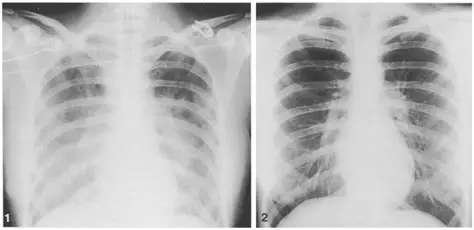
Clinical manifestation specific to ARDS (2)

  1. Progressive Refractory Hypoxemia: O2 keeps dropping even though ⬆O2

  • increases in FiO2

  • worsening P/F ratio

    • PaO2/FiO2

  1. CXR Bilateral Pulmonary Infiltrates (aka P. Edema)

  • CXR gets cloudy each day


<ol><li><p><span style="color: rgb(235, 72, 72);"><strong>Progressive Refractory Hypoxemia</strong>: O2 keeps dropping even though <span data-name="arrow_up" data-type="emoji">⬆</span>O2</span></p></li></ol><ul><li><p>increases in FiO2</p></li><li><p><span style="color: rgb(243, 61, 61);"><strong>worsening P/F</strong></span> ratio</p><ul><li><p>PaO2/FiO2</p></li></ul></li></ul><ol start="2"><li><p>CXR <span style="color: rgb(30, 149, 181);"><strong>Bilateral Pulmonary Infiltrates</strong> (aka P. Edema)</span></p></li></ol><ul><li><p>CXR gets cloudy each day</p></li></ul><p></p>
40
New cards

P/F ratio categories: (3)

PaO2 (from ABG)/ FiO2 %(amt O2 given)

  • < 300= mild ARDs

  • < 200= moderate ARDs

  • < 100= severe ARDs!!!


41
New cards

Tx for ARDs:(6)

  1. Mechanical Vent w/ high PEEP to keep alveoli open

  • barotrauma

  • hypotension

  1. high flow NC (acts as CPAP)

  2. ECMO (lung bypass)

  3. lay in PRONE position early!!

  • recruit alveoli (re-opening collapsed alveoli)

  1. Paralytics for Intubated pts: patient can't fight the ventilator

  • Ventilator desynchrony

  1. No excess fluids! (p. edema)

  • just enough for hydration


<ol><li><p><span style="color: rgb(246, 137, 137);">Mechanical Vent w/ high <strong>PEEP </strong>to keep alveoli open</span></p></li></ol><ul><li><p>barotrauma</p></li><li><p>hypotension</p></li></ul><ol start="2"><li><p><span style="color: rgb(153, 130, 35);"><strong>high flow NC</strong> (acts as CPAP)</span></p></li><li><p><span style="color: rgb(52, 164, 19);"><strong>ECMO</strong> </span><span style="color: rgb(22, 6, 6);">(lung bypass)</span></p></li><li><p>lay in <span style="color: rgb(61, 160, 214);"><strong>PRONE </strong></span><span style="color: rgb(7, 8, 8);">position early</span><span style="color: rgb(61, 160, 214);">!!</span></p></li></ol><ul><li><p><span style="color: rgb(61, 160, 214);">recruit alveoli</span> (re-opening collapsed alveoli)</p></li></ul><ol start="5"><li><p><span style="color: rgb(53, 38, 217);"><strong>Paralytics </strong></span>for Intubated pts: patient can't fight the ventilator</p></li></ol><ul><li><p>Ventilator <strong>desynchrony</strong></p></li></ul><ol start="6"><li><p><span style="color: rgb(183, 20, 200);"><strong>No excess fluids!</strong> (p. edema)</span></p></li></ol><ul><li><p>just enough for hydration</p></li></ul><p></p>
42
New cards

Why is low tidal volume used in ARDS?

  • to protect lungs bc of ⬇lung compliance

    • if too high, can rupture lung → pneumothorax


43
New cards

ARDs complications: (4)

  1. barotrauma

  • can cause stiff, wet lungs so ⬇compliance

  • high PEEP

  1. renal failure

  • due to hypotension and nephrotoxic meds

  • kidneys 1st organ to fail!!

    • assess urine output

    • BUN, Cr

  1. multisystem organ dysfunction syndrome (MODS)

  • prolonged hypoxemia and sepsis

  1. VAP


44
New cards

What assessment finding alerts nurse intrathoracic pressure in mechanically vented pt is too high?

hypotension

  • ⬆pressure = ⬇venous return = tanks BP


45
New cards


  1. Packed RBCs

  2. Whole Blood

  3. FFP

  4. Platelets

  5. Cryoprecipitate

  6. Albumin


  • Packed RBCs: replaces O2-carrying RBCs

  • Whole Blood: massive hemorrhage

  • Plasma (FFP): clotting factors

    • helps form blood clots

  • Platelets: forms initial platelet plug (repairs injured blood vessels)

  • Cryoprecipitate: fibrinogen (strengthens clots)

    • contains Factor VIII, Factor XIII

  • Albumin: protein (increase blood viscosity)


46
New cards

How long can pts donate blood up to for autotransfusions?

And how often can they do this?

  • donate up to 6 weeks b4 surgery!

  • can donate weekly if H&H stay stable


47
New cards

What does 1:1:1:1 mean in Massive Transfusion Protocol?

1 PRBC: 1 Plasma 1: Platelet 1: Cryoprecipitate

  • basically mimics whole blood


48
New cards

Considerations for massive transfusion protocol: (4)

  • what lab do u want to monitor?


  1. Emergency release (o+/o-)

  • no time to type & cross

  1. Tranexamic acid (aka TXA)

  • antifibrinolytic med.

    • preserves clot

  1. Labs

  • monitor low Calcium

  • citrate in blood bag binds to Ca = ⬇Ca+

    • decreased Ca means ⬇CO, Hypotension

  1. Hypothermia

  • large amts of cold blood products ⬇body temp and worsen coagulopathy


49
New cards

What fluids to always give pt when giving blood?

0.9% NS and new tubing!!

50
New cards

What is FFP?

  • considerations: (3)


Fresh plasma immediately frozen after donation

  1. needs ABO compatibility

  2. platelets are fragile = hung to gravity

  • dont pressure infuse!!

  1. VS taken 15 mins b4 infusion, q15mins for 1 hr, then on completion.


51
New cards

What causes an Acute Hemolytic Rx:

Findings specific to Acute Hemolytic Rx: (4)

→ ABO incompatibility (Rh factor or Blood type)

  • as little as 10 mL… x_x

  1. low back pain (kidneys → erythropoietin)

  2. hemoglobinuria

  3. chest tightness/pain

  • tachypnea, tachycardia

  • flushing, anxiety, nausea

  1. impending doom


52
New cards

Why would a patient develop Febrile rx?

classic finding?

→ pt had multiple transfusions → anti-WBC antibodies

  • ABO good, just has a fever


  1. ⬆ > 1oF (0.5o C) from pretransfusion temp


53
New cards

Nursing actions to reduce Febrile reactions: (3)

  1. use WBC filter for admin to catch WBCs

  2. stop transfusion and give antipyretics

  3. start 0.9 NS using new tubing


54
New cards

Mild allergic transfusion rx s/s(2) + treatment

Severe (4) allergic rx+ treatment (5)

Mild:

  1. itching

  2. urticaria (hives)

→ diphenhydramine


Severe: (4)

  1. bronchospasms

  2. laryngeal edema

  3. hypotension

  4. shock

→ EPI, corticosteroids, vasopressors, O2, CPR


<p><strong>Mild</strong>: </p><ol><li><p><span style="color: rgb(205, 48, 199);"><strong>itching</strong></span></p></li><li><p><span style="color: rgb(205, 48, 199);"><strong>urticaria</strong></span><strong> </strong>(hives)</p></li></ol><p>→ <strong><mark data-color="#dff3d3" style="background-color: rgb(223, 243, 211); color: inherit;">diphenhydramine</mark></strong></p><p></p><p><strong>Severe</strong>: (4)</p><ol><li><p><span style="color: rgb(108, 157, 233);"><strong>bronchospasms</strong></span></p></li><li><p><span style="color: rgb(108, 157, 233);"><strong>laryngeal edema</strong></span></p></li><li><p><span style="color: rgb(108, 157, 233);"><strong>hypotension</strong></span></p></li><li><p><span style="color: rgb(108, 157, 233);"><strong>shock</strong></span></p></li></ol><p>→ <strong><mark data-color="#d0f3d3" style="background-color: rgb(208, 243, 211); color: inherit;">EPI, corticosteroids, vasopressors, O2, CPR</mark></strong></p><p></p>
55
New cards

What causes bacterial transfusion rx:

Findings: (2)

→ contaminated collected blood

  • not common now


  1. wheezing

  2. dyspnea


56
New cards

Findings of Circulatory overload from a blood transfusion: (4)

  • tx: (2)


→ blood given too quick or in HF pts

s/s: (4)

  1. crackles

  2. dyspnea

  3. JVD

  4. pulmonary edema


tx: (2)

  1. position upright. legs below level of heart

  2. diuretics


<p></p><p></p><p>→ blood given <span style="color: rgb(212, 32, 32);">too quick </span><span style="color: rgb(6, 5, 5);">or in</span><span style="color: rgb(212, 32, 32);"> HF pts</span></p><p>s/s: (4)</p><ol><li><p><span style="color: rgb(58, 125, 205);"><strong>crackles</strong></span></p></li><li><p><span style="color: rgb(58, 125, 205);"><strong>dyspnea</strong></span></p></li><li><p><span style="color: rgb(239, 80, 188);"><strong>JVD</strong></span></p></li><li><p><span style="color: rgb(170, 137, 23);"><strong>pulmonary edema</strong></span></p></li></ol><p></p><p>tx: (2)</p><ol><li><p><span style="color: rgb(6, 175, 56);">position upright. legs below level of heart</span></p></li><li><p><span style="color: rgb(6, 175, 56);">diuretics</span></p></li></ol><p></p>
57
New cards

What is Transfusion-Related Acute Lung Injury (TRALI)

  • 2 key findings:


  • serious blood reaction where pt suddenly develops pulmonary edema w/ hypoxia (ARDS)


  1. CXR: Bilateral infiltrates

  • no evidence of pulmonary vascular overload

    • hypoxemia

    • hypotension

  1. Progressive Refractory Hypoxemia:

  • giving pt O2 but still de-sating


<ul><li><p>serious blood reaction where pt suddenly develops <strong>pulmonary edema w/ hypoxia (</strong><span style="color: rgb(45, 150, 237);"><strong>ARDS</strong></span><strong>)</strong></p></li></ul><p></p><ol><li><p><span style="color: rgb(19, 172, 172);"><strong>CXR: Bilateral infiltrates</strong></span></p></li></ol><ul><li><p>no evidence of pulmonary vascular overload</p><ul><li><p>hypoxemia</p></li><li><p>hypotension</p></li></ul></li></ul><ol start="2"><li><p><span style="color: rgb(234, 92, 212);"><strong>Progressive Refractory Hypoxemia:</strong></span></p></li></ol><ul><li><p>giving pt O2 but still de-sating</p></li></ul><p></p>
58
New cards

What to look for when interpreting ECG

  1. is it regular?

  2. whats the rate?

  3. is there a P wave for every QRS?

  4. is there a QRS for every P wave?


59
New cards

Electrical conduction of the heart pathway:

  1. Atrial Depolarization at P wave (contracts)

  2. Ventricular Depolarization @ QRS

  3. Ventricular Repolarization @ T wave


<ol><li><p><span style="color: rgb(208, 99, 99);"><strong>Atrial </strong>Depolarization</span> at P wave (contracts)</p></li><li><p><span style="color: rgb(85, 81, 211);"><strong>Ventricular </strong></span>Depolarization @ QRS</p></li><li><p><span style="color: rgb(92, 73, 223);"><strong>Ventricular </strong></span>Repolarization @ T wave</p></li></ol><p></p>
60
New cards

treatment for Sinus Bradycardia:

  • what med is given?

    • if it doesnt work?


Atropine IV!!

  1. 1st dose: 1mg bolus

  2. repeat q3-5 mins

  3. max dose: 3mg


→ Move onto Transcutaneous Pacing

<p><span style="color: rgb(71, 75, 202);"><strong>Atropine </strong></span>IV!!</p><ol><li><p><span style="color: rgb(38, 129, 145);"><strong>1st dose</strong>: <strong>1mg bolus</strong></span></p></li><li><p><span style="color: rgb(183, 151, 36);">repeat<strong> q3-5 mins</strong></span></p></li><li><p><span style="color: rgb(38, 129, 145);"><strong>max dose</strong>: <strong>3mg</strong></span></p></li></ol><p></p><p>→ Move onto <span style="color: rgb(192, 29, 29);"><strong>Transcutaneous </strong></span>Pacing</p>
61
New cards

What are PACs?


Premature Atrial Contractions

  • atrial contracts early in a sinus rhythm…not worrisome

    • caffeine


<p><span style="color: rgb(65, 102, 239);"><strong>Premature </strong></span>Atrial Contractions</p><ul><li><p>atrial contracts early in a sinus rhythm…not worrisome</p><ul><li><p>caffeine </p></li></ul></li></ul><p></p>
62
New cards

Whats Atrial Fibrillation and Atrial Flutter?

  • tx?


Multiple impulses in atria with NO P wave and narrowed QRS

  • can turn into LETHAL rhythm!!

→ Cardioversion

<p><span style="color: rgb(70, 64, 196);"><strong>Multiple </strong></span>impulses in atria with <span style="color: rgb(230, 34, 34);"><strong>NO P wave</strong> and <strong>narrowed QRS</strong></span></p><ul><li><p>can turn into LETHAL rhythm!!</p></li></ul><p>→ Cardioversion</p>
63
New cards
  • Major complications of A. Fib/ Flutter (2)


complications

  1. loss of Cardiac output (blood just sits in atria, not moving)

  2. stationary blood in atria → clots → stroke

  • put on blood thinners


<p>complications</p><ol><li><p>loss of <span style="color: rgb(35, 158, 134);"><strong>Cardiac output</strong></span> (blood just sits in atria, not moving)</p></li><li><p>stationary blood in atria → <span style="color: rgb(149, 109, 38);"><strong>clots → stroke</strong></span></p></li></ol><ul><li><p>put on blood thinners</p></li></ul><p></p><p></p><p></p>
64
New cards

Whats the difference b/w A.Fib rhythm and A.Flutter rhythm?

A. Fib (quiver)

  • irregular (chaotic)

    • Random electrical activity

A. Flutter (sawtooth waves)

  • more regular/patterned

    • Organized rapid electrical activity


<p><span style="color: rgb(215, 57, 57);">A. <strong>Fib</strong> (quiver)</span></p><ul><li><p><span style="color: rgb(215, 57, 57);"><strong>irregular</strong></span><strong> </strong>(chaotic)</p><ul><li><p>Random electrical activity</p></li></ul></li></ul><p>A. <span style="color: rgb(30, 145, 87);"><strong>Flutter</strong> (sawtooth </span><span style="color: rgb(23, 38, 31);">waves)</span></p><ul><li><p><span style="color: rgb(30, 145, 87);">more <strong>regular/patterned</strong></span></p><ul><li><p>Organized rapid electrical activity</p></li></ul></li></ul><p></p>
65
New cards

Whats SVT? (3)

Supra Ventricular Tachycardia (happens in the atria = NO P wave)


  1. > 150-250 BPM

  2. regular rhythm w/ narrowed QRS

  3. NO P wave


<p>Supra Ventricular Tachycardia (happens in the atria = <span style="color: rgb(199, 38, 38);"><strong>NO P wave</strong></span>)</p><p></p><ol><li><p><span style="color: rgb(66, 132, 194);"><strong>&gt; 150-250</strong></span> BPM</p></li><li><p><span style="color: rgb(202, 33, 153);"><strong>regular rhythm w/ narrowed QRS</strong></span></p></li><li><p><span style="color: rgb(199, 38, 38);"><strong>NO P wave</strong></span></p></li></ol><p></p>
66
New cards

tx for SVT: (2)


1) Vagal Maneuvers

  • bearing down

  • blow into syringe

  • put face in ice water


2) adenosine!!

  1. 1st dose: 6mg via RAPID IVP

  2. 2nd dose: 12 mg rapid IVP if needed

  3. Follow each dose w/ RAPID 10-20 mL NS flush!!

*has extremely short ½ life and needs to reach heart quick!!—IV site closest to heart


<p></p><p></p><p><strong><mark data-color="#e1f9dc" style="background-color: rgb(225, 249, 220); color: inherit;">1) Vagal Maneuvers</mark></strong></p><ul><li><p>bearing down</p></li><li><p>blow into syringe</p></li><li><p>put face in ice water</p></li></ul><p></p><p><span style=""><strong>2) </strong></span><strong><mark data-color="#effce1" style="background-color: rgb(239, 252, 225); color: inherit;">adenosine!!</mark></strong></p><ol><li><p><span style="color: rgb(217, 132, 45);"><strong>1st dose: 6mg</strong></span> via RAPID IVP</p></li><li><p><span style="color: rgb(103, 166, 34);"><strong>2nd dose: 12 mg</strong></span> rapid IVP if needed</p></li><li><p>Follow each dose w/ RAPID <span style="color: rgb(69, 161, 212);"><strong>10-20 mL NS flush!</strong></span>!</p></li></ol><p>*has extremely <strong>short ½ life</strong> and needs to reach heart quick!!—IV site closest to heart</p><p></p><p></p><p></p>
67
New cards

What are PVCs: (2)

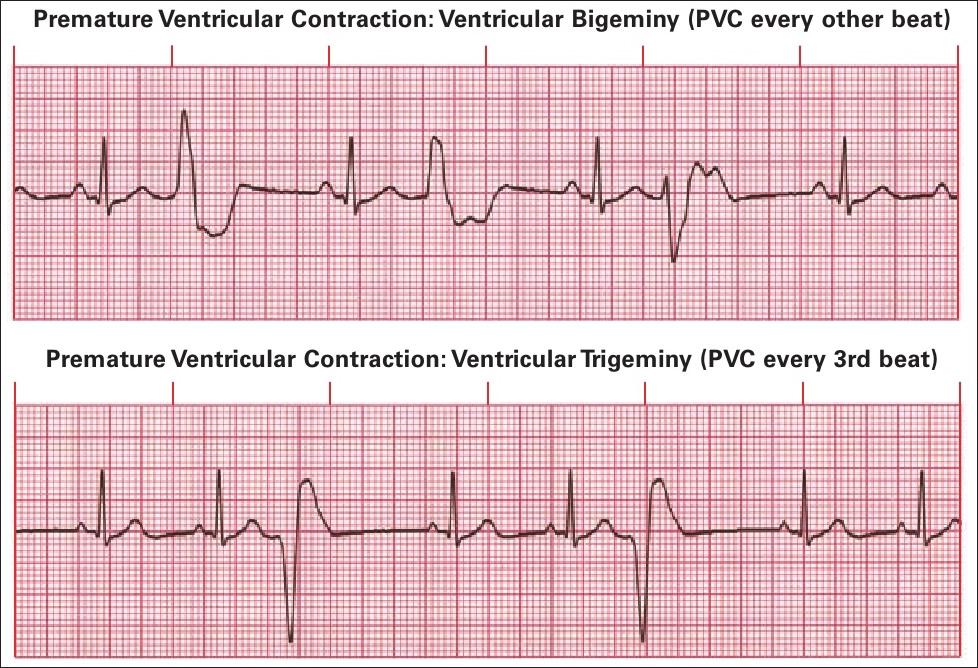
Premature Ventricular Contractions

  1. has a wide, abnormal QRS complex

  2. person may feel skipped beat


<p><strong>Premature </strong>Ventricular Contractions</p><ol><li><p>has a <strong>wide, </strong><span style="color: rgb(189, 23, 209);"><strong>abnormal QRS </strong></span><strong>complex</strong></p></li><li><p>person may feel <strong>skipped </strong>beat</p></li></ol><p></p>
68
New cards

What is V-Tach? (3)

  1. ventricles beat rapidly (3+ PVCs in a row)

  2. organized QRS

  3. Pulse OR no pulse


<ol><li><p><span style="color: rgb(215, 62, 62);">ventricles beat <strong>rapidly</strong></span><strong> </strong>(3+ PVCs in a row)</p></li><li><p><span style="color: rgb(39, 134, 80);"><strong>organized QRS</strong></span></p></li><li><p><span style="color: rgb(27, 148, 177);">Pulse <strong>OR </strong>no pulse</span></p></li></ol><p></p>
69
New cards

monomorphic v-tach vs polymorphic v-tach:

*important note

mono: QRS have similar appearances

poly (aka Torsades de Pointes): QRS vary in appearance

**give Magnesium!!!* for Torsades


<p><span style="color: rgb(110, 65, 196);"><strong>mono</strong>: QRS have <strong>similar </strong>appearances</span></p><p><span style="color: rgb(173, 114, 42);"><strong>poly</strong> (aka <em>Torsades de Pointes)</em>: </span><span style="color: rgb(178, 116, 41);">QRS <strong>vary </strong>in appearance</span></p><p><span style="color: rgb(178, 116, 41);"><mark data-color="#ece7d0" style="background-color: rgb(236, 231, 208); color: inherit;">**give </mark><strong><mark data-color="#ece7d0" style="background-color: rgb(236, 231, 208); color: inherit;">Magnesium</mark></strong><mark data-color="#ece7d0" style="background-color: rgb(236, 231, 208); color: inherit;">!!!* for Torsades </mark></span></p><p></p>
70
New cards

V-tach treatment

  • with pulse (3)

  • NO pulse: (2)


  • with pulse

  1. antiarrhythmic med (Procainamide, Amiodarone, Sotalol)

  2. electrolyte replacement (K+, Mg)

  3. cardioversion (shocks)

  • NO pulse:

  1. CPR

  2. defibrillate


71
New cards

What is V.Fib? (3)

  1. Ventricles quiver chaotically

  2. Chaotic, no organized QRS

  3. NO PULSE!!

worst one**


<ol><li><p>Ventricles <span style="color: rgb(207, 79, 79);"><strong>quiver chaotically</strong></span></p></li><li><p><span style="color: rgb(59, 134, 162);"><strong>Chaotic</strong></span>, no organized <strong>QRS</strong></p></li><li><p><span style="color: rgb(160, 29, 29);"><strong>NO PULSE!! </strong></span></p></li></ol><p>worst one**</p><p></p>
72
New cards

Tx V. Fib: (5)

  1. CPR

  2. Defibrillate

  3. EPI

  4. Amiodarone

  5. Lidocaine


<ol><li><p><span style="color: rgb(16, 197, 33);"><strong>CPR</strong></span></p></li><li><p><span style="color: rgb(16, 197, 33);"><strong>Defibrillate</strong></span></p></li><li><p><span style="color: rgb(84, 84, 251);"><strong>EPI</strong></span></p></li><li><p><span style="color: rgb(84, 84, 251);"><strong>Amiodarone</strong></span></p></li><li><p><span style="color: rgb(84, 84, 251);"><strong>Lidocaine</strong></span></p></li></ol><p></p>
73
New cards

Asystole protocol: (3)

No electrical activity!!

  1. Call Code!!

  2. Start CPR!

  3. Give Epi

  • 1mg IV bolus q 3-5 mins!


<p>No electrical activity!!</p><ol><li><p>Call <span style="color: rgb(250, 120, 120);"><strong>Code</strong></span>!!</p></li><li><p>Start <span style="color: rgb(57, 101, 189);"><strong>CPR</strong></span>!</p></li><li><p><span style="color: rgb(45, 173, 110);"><strong>Give Epi</strong></span></p></li></ol><ul><li><p><span style="color: rgb(45, 173, 110);"><strong>1mg IV bolus q 3-5 mins!</strong></span></p></li></ul><p></p><p></p>
74
New cards

What is PEA? (3)

  • treat?


Pulselessness Electrical Activity

  1. electrical activity present but NO pulse

  2. NOT shockable rhythm!! (pt dead x_x)

  3. can give 1mg IV bolus Epi q3-5 mins and CPR


<p><strong>Pulselessness </strong>Electrical Activity</p><ol><li><p>electrical activity present but <span style="color: rgb(229, 37, 37);"><strong>NO pulse</strong></span></p></li><li><p><span style="color: rgb(42, 152, 117);"><strong>NOT shockable</strong></span> rhythm!! (pt dead x_x)</p></li><li><p>can give 1mg IV bolus <span style="color: rgb(175, 93, 239);"><strong>Epi q3-5 mins and CPR</strong></span></p></li></ol><p></p><p></p>
75
New cards

What are NON-shockable rhythms??

Asystole!!

PEA!! (pulseless electrical activity)

  • continue CPR


76
New cards
  1. Which rhythm has NO P waves and is irregularly irregular?

  2. Which rhythm is associated with sawtooth waves?


  1. atrial fibrillation (quivering)

  2. a.flutter


<ol><li><p><span style="color: rgb(68, 107, 199);"><strong>atrial fibrillation</strong></span> (quivering)</p></li><li><p><span style="color: rgb(37, 151, 43);"><strong>a.flutter</strong></span></p></li></ol><p></p>
77
New cards
  1. Which rhythm is usually 150–250 bpm with a narrow, regular QRS?

  2. which rhythm has premature wide beats originating in the ventricles?

  1. V-tach + NO pulse =?

  2. Which rhythm is especially associated with magnesium?


  1. SVT

  2. PVC

  3. CPR and Defibrillator

  4. Torsades de Pointes


78
New cards
  1. What is the difference between PEA and asystole?

  2. What is the biggest complication of A-fib?


  1. PEA has activity but no pulse; asystole has no activity and no pulse

  2. ⬇CO & blood clots


79
New cards

Whats adenosine used for?

SVT

  1. 1st dose: 6mg rapid IVP

  2. 2nd dose: 12 mg rapid IVP

  3. flush 10-20 mL NS after each dose


80
New cards

What is the epinephrine dose for asystole and PEA?

1mg IV bolus q3-5 mins

  • no limit to this


81
New cards

What cardiac rhythm do u give atropine for? (3)

Sinus Brady

  1. 1st IV dose: 1mg bolus

  2. repeat q3-5 mins

  3. max 3 mg


82
New cards

What rhythms would u use cardioversion? (4)

  1. SVT

  • syncs with R wave

  • > 150 bpm


  1. A. Fib RVR

  • With caution


  1. A. Flutter

  1. V. Tach w/ PULSE


<ol><li><p><span style="color: rgb(210, 112, 112);"><strong>SVT</strong></span></p></li></ol><ul><li><p>syncs with R wave</p></li><li><p>&gt; 150 bpm</p></li></ul><p></p><ol start="2"><li><p><span style="color: rgb(34, 181, 64);"><strong>A. Fib RVR</strong></span></p></li></ol><ul><li><p>With caution</p></li></ul><p></p><ol start="3"><li><p><span style="color: rgb(106, 63, 190);"><strong>A. Flutter</strong></span></p></li></ol><ol start="4"><li><p><span style="color: rgb(175, 115, 55);"><strong>V. Tach w/ <u>PULSE</u></strong></span></p></li></ol><p></p>
83
New cards

Synchronized cardioversion pad placement:

NOT over Implanted device!! (port, pacer)

  • anterior/posterior


<p><strong>NOT </strong>over Implanted device!! (port, pacer)</p><ul><li><p>anterior/posterior</p></li></ul><p></p>
84
New cards

DeFib situations: (2)

What 2 rhythms can u NOT shock at all?

  1. V. Tach NO PULSE

  2. V.Fib


NO shock:

  1. asystole

  2. PEA


85
New cards

What is Defib and why is it different from Cardioversion?

DeFib:

  • emergency shock for uncontrolled rhythm

Cardioversion: shocks in sync with the R wave

  • resets an abnormal rhythm


<p><span style="color: rgb(214, 41, 41);"><strong>DeFib</strong>:</span></p><ul><li><p><span style="color: rgb(214, 41, 41);"><strong>emergency</strong></span> shock for uncontrolled rhythm</p></li></ul><p><span style="color: rgb(30, 157, 83);"><strong>Cardioversion</strong></span>: shocks in sync with the <strong>R wave</strong></p><ul><li><p>resets an <strong>abnormal </strong>rhythm</p></li></ul><p></p>
86
New cards

Whens transcutaneous pacing used?

Symptomatic Bradycardia when Atropine isnt working

  • low BP

  • sweaty

  • confused


<p>Symptomatic <span style="color: rgb(113, 105, 236);"><strong>Bradycardia </strong></span>when Atropine isnt working</p><ul><li><p>low BP</p></li><li><p>sweaty</p></li><li><p>confused</p></li></ul><p></p>
87
New cards

Adult code nursing actions: (6)

  1. Call Code!!

  2. Start CPR 1st!

  3. Use AED (DeFib) ASAP

  4. Patent IV (flush it)

  5. Free flowing 0.9NS

  6. give EPI as needed


88
New cards

Therapeutic Hypothermia (aka Target Temp. Management)—what is it?

reduce body temp (32-36oC; 89.6-96.8 F) will drop cerebral metabolic rate, reducing risk for anoxic brain injury

  • laymen terms: lowering the body's temperature slows down the brain, so the brain needs less O2

  • cooling blankets

  • cold IV fluids