Digestive System
 Call Kai
 Learn
 Practice Test
 Spaced Repetition
 Match
 Flashcards
 Knowt Play
1/77

There's no tags or description
Looks like no tags are added yet.
78 Terms
Two main categories of the digestive system:
group of organs that make up the alimentary canal
accessory digestive organs
what are the alimentary canal organs?
mouth, phrarynx, esophagus, stomach, and small and large intestines, anus
what are the accessary structures?
teeth and tongue, salivary glands
small intestine, gallbladder, liver pancreas
Four tissues of the alimentary canal
from lumen to outwards:
mucosa
submucosa
muscularis
serosa
type of epithelium found in the stomach and intestines
simple columnar epithelium
what are interspersed among epithelial cells of the alimentary canal?
goblet cells which secrete mucus and fluid into the lumen. and enteroendocrine cells, which secrete hormones into interstitial spaces between cells
what function does the lamina propria have?
loose connective tissue
contains numerous blood and lymphatic vessels to transport nutrients
mucosa-associated lymphoid tissue
muscularis mucosae
thin layer of smooth muscle that has folds to increase surface area for digestion and absorption
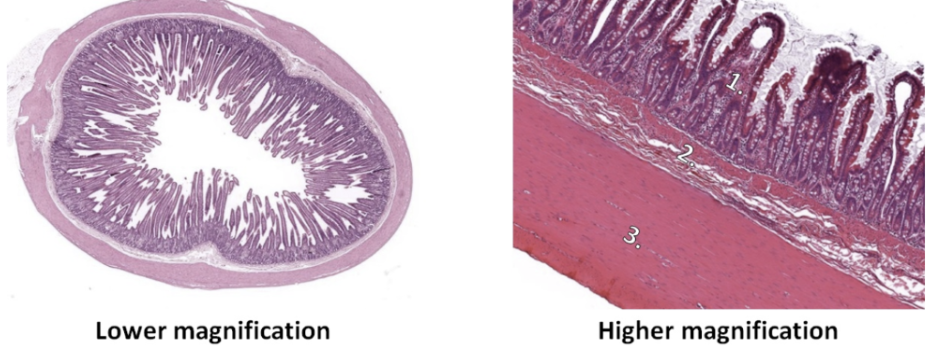
small intestine
small intestine mucosa consists of
simple columnar epithelium, connective tissue, and a thin layer of smooth muscle. numerous goblet cells found in the epithelium. intestinal villi
the walls of the GI tract can be divided into four concentric layers:
the mucosa is the inner layer
submucosa. consisting of areolar and dense irregular connective tissue
muscularis externa
adventitia or serosa
most of the abdominal GI tract organs are lined by
a simple columnar epithelium, specialized for absorption and secretion.
how does the submucosa of the esophagus differ than that of the ileum
esophagus - mucus glands
ileum - large lymphatic tissues called Peyer’s patches
what function does the pancreas serve?
both endocrine and accessory digestive
secrete insulin and glucagon
secrete pancreatic juice

gallbladder

duodenum

spleen
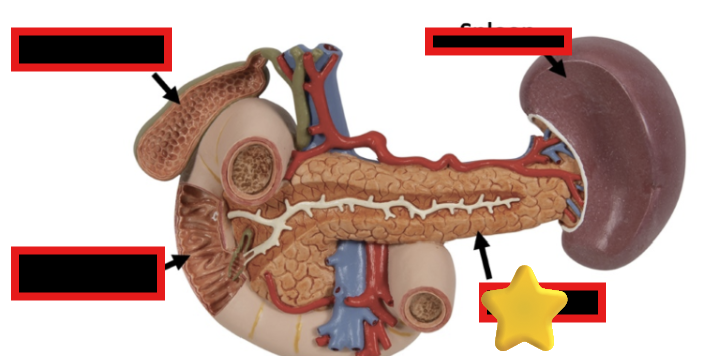
pancreas
important functions of the liver
detox of metabolites
protein and lipid synthesis
storage and release of glucose, minerals, and vitamins
hormone production
produce bile
important function of the gallbladder
store bile

liver

gallbladder
the journey of pancreatic juice
pancreas > pancreatic duct > common bile duct > duodenum

accessory pancreatic duct

pancreatic duct
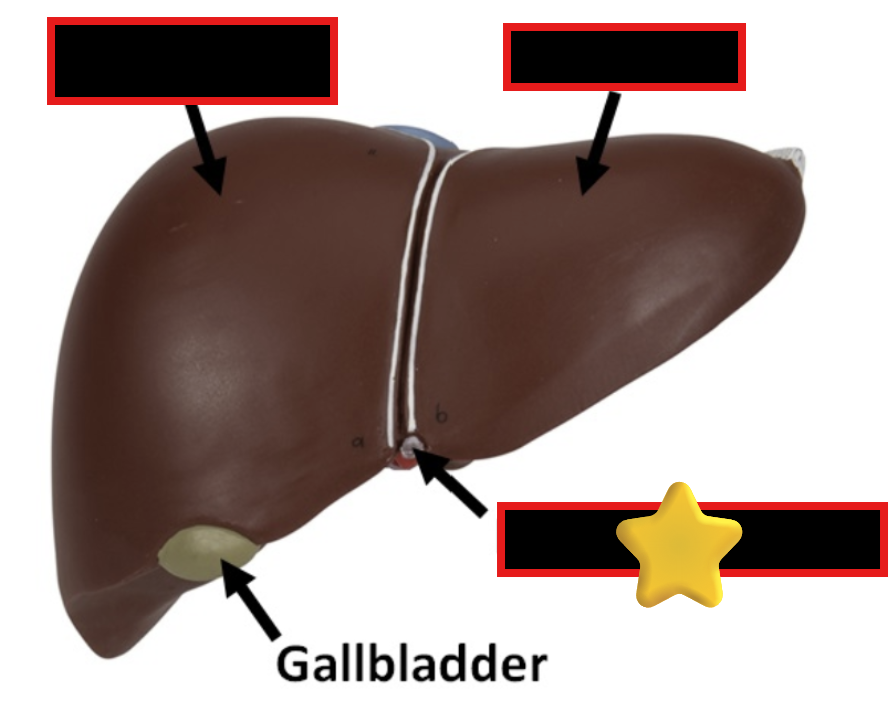
round ligament
what is the round ligament?
a dense band of connective tissue that runs along the underside of the liver. it is a remnant of the umbilical vein that was present before birth
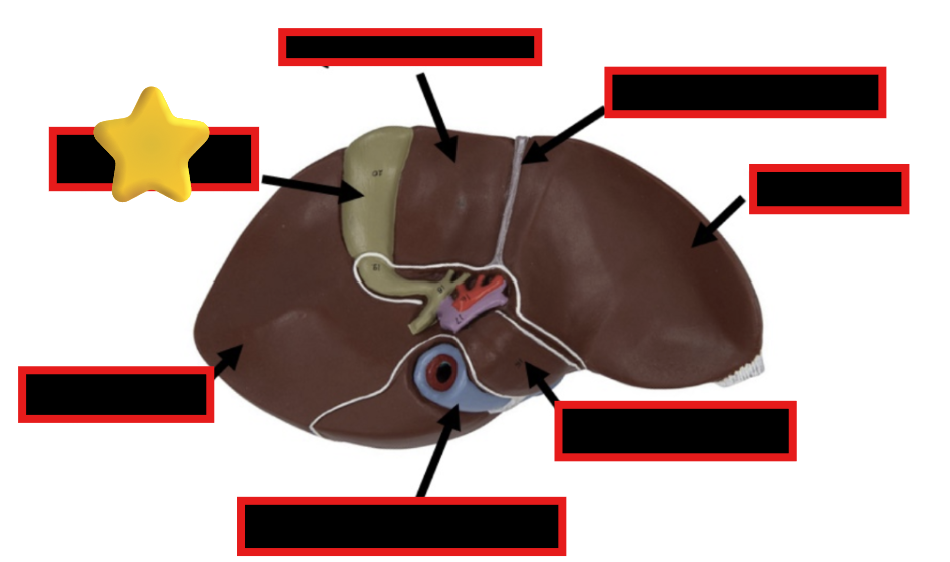
gallbladder

right lobe

inferior vena cava
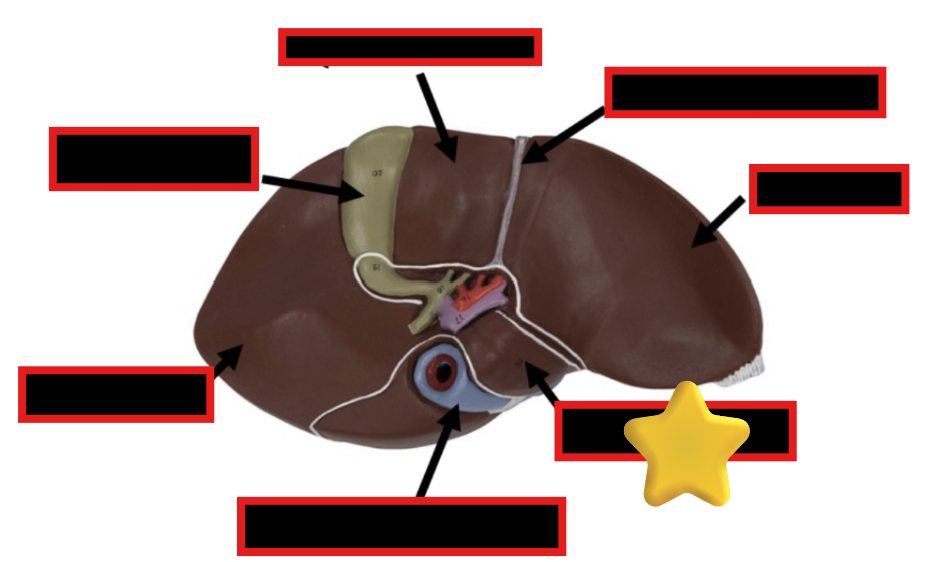
caudate lobe

quadrate lobe
what does the portal triad consist of
a branch of the hepatic artery proper
a branch of the hepatic portal vein
a bile duct

hepatic artery proper

bile duct
what do the left and right hepatic ducts do?
drain bile from the left and right sides of the liver. they then merge to form the common hepatic duct
what is the cystic duct
a short passageway that connects the common hepatic duct to the gallbladder.
what is the common bile duct
it drains bile from the common hepatic duct and cystic duct
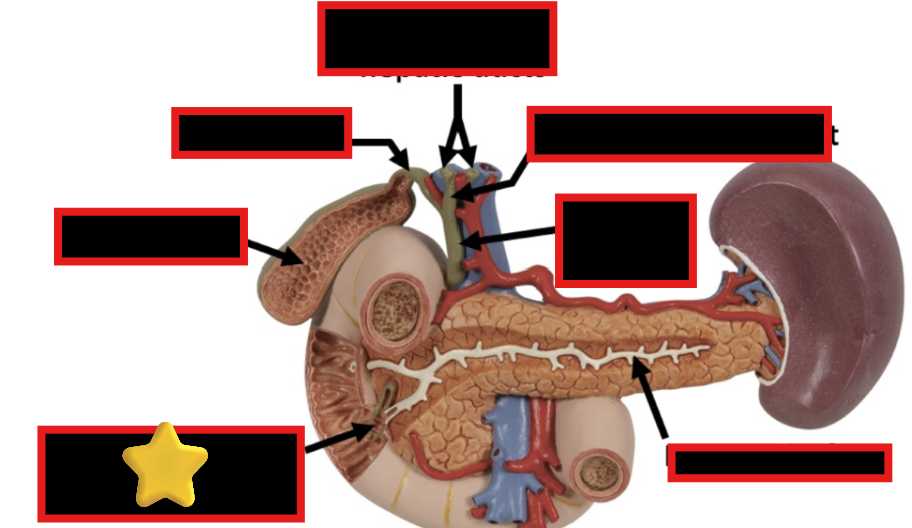
hepatopancreatic ampulla
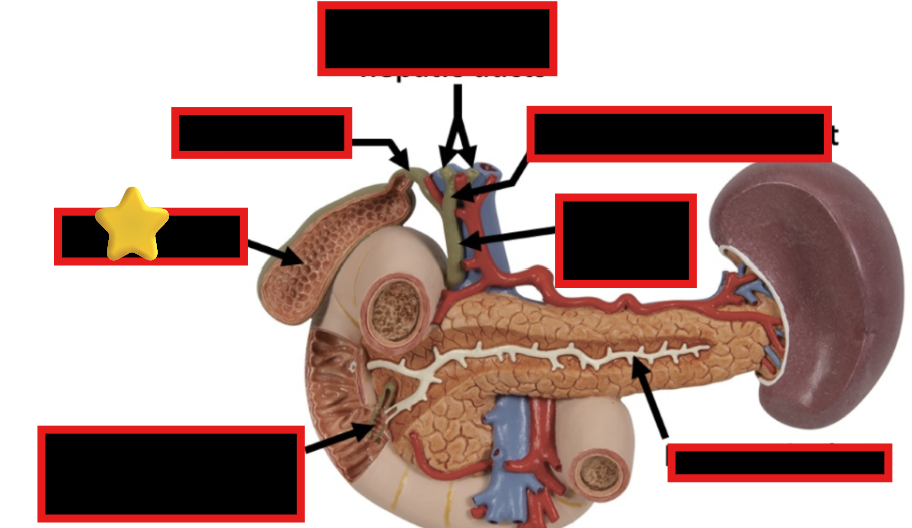
gallbladder

cystic duct

pancreatic duct
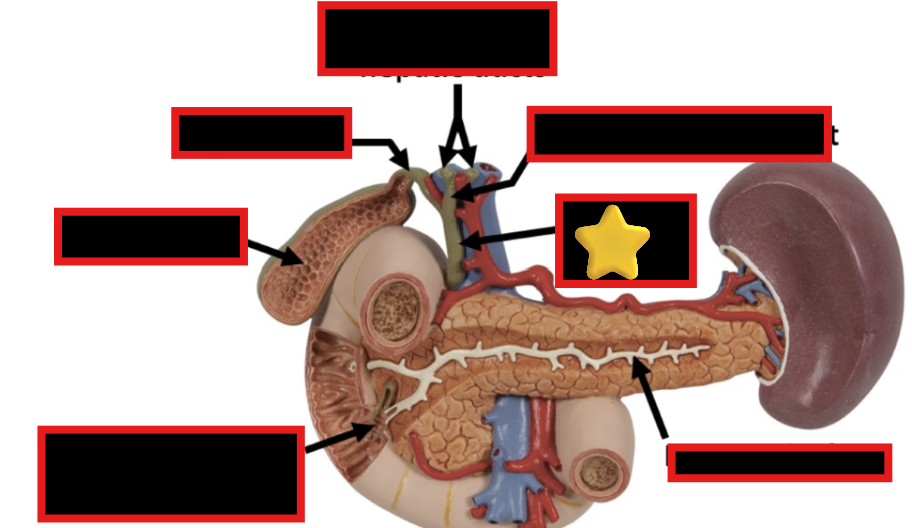
common bileduct

common hepatic duct
common bile duct merges with the pancreatic duct to form the
hepatopancreatic ampulla. this drains bile and pancreatic juice to the duodenum

small intestine

large intestine
importance of duodenum
receives chyme from stomach, bile from liver and gallbladder, and pancreatic juice from pancreas
considered part of the upper GI tract
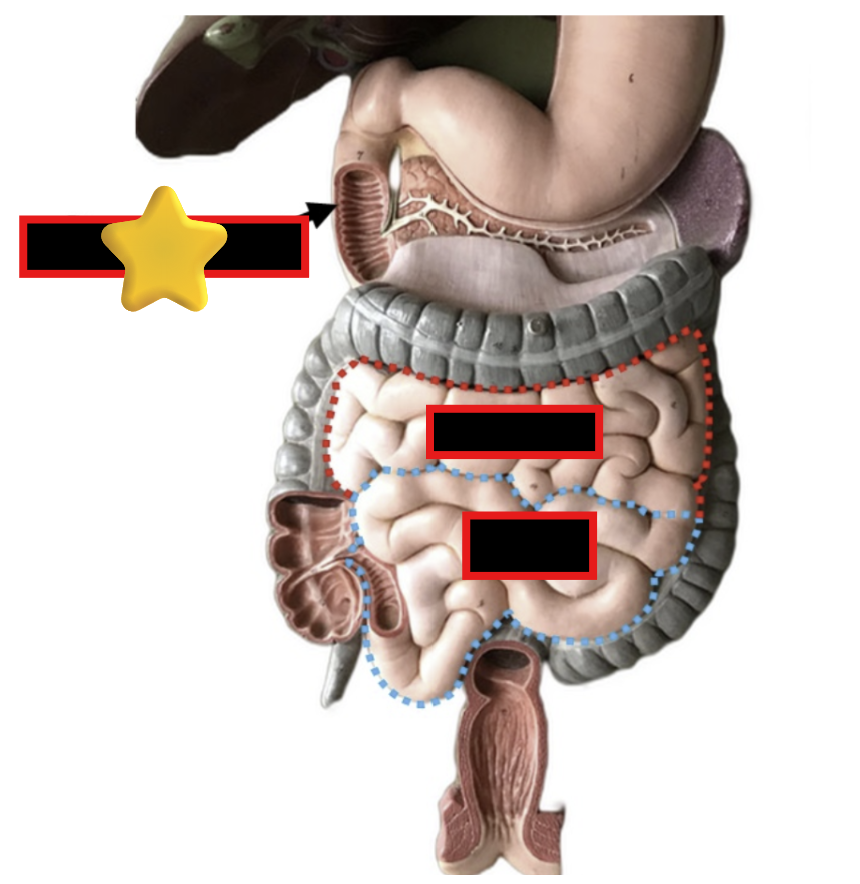
duodenum
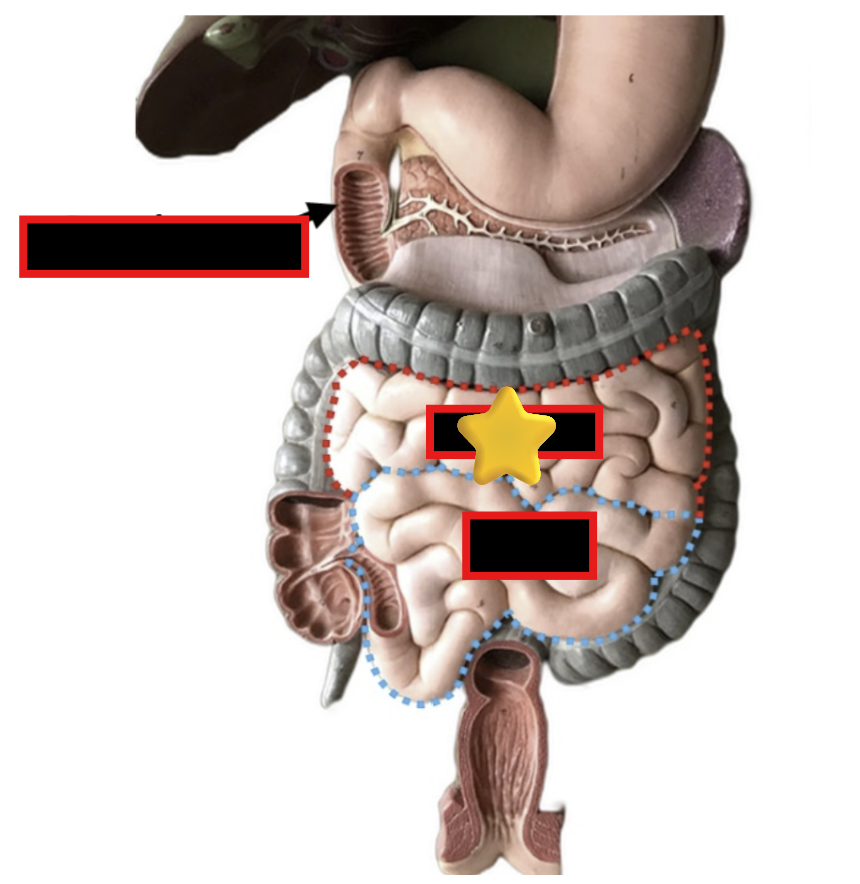
jejunum
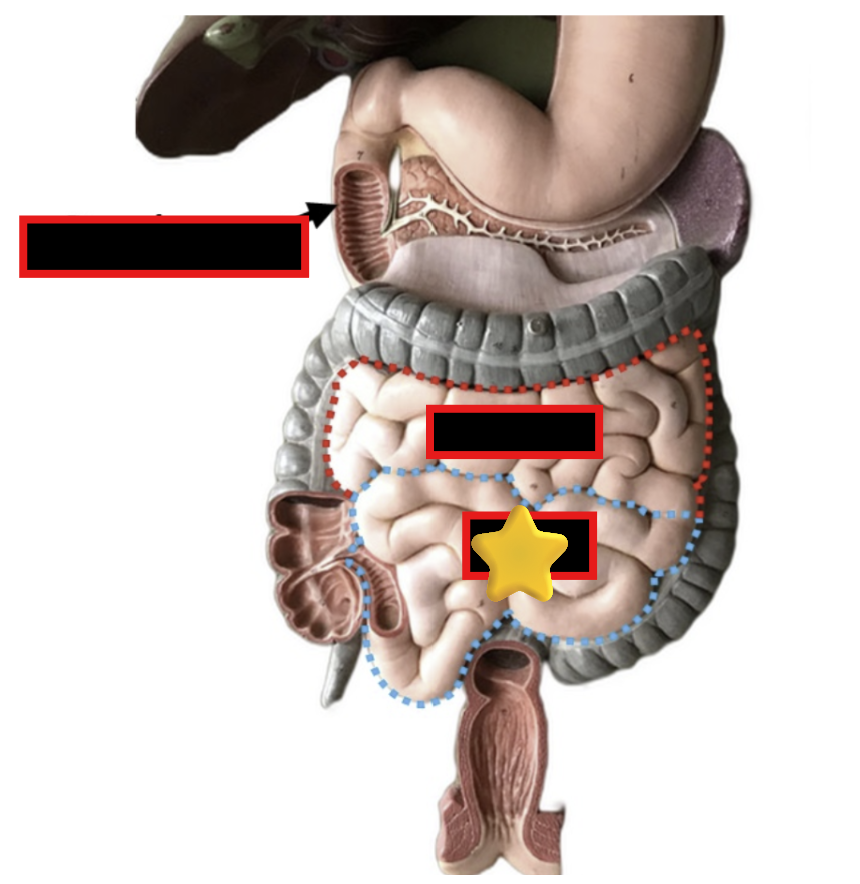
ileum
importance of the cecum
part of the large intestine
receives chyme from ileum of the small intestine

transverse colon

right colic feature

ascending colon

cecum
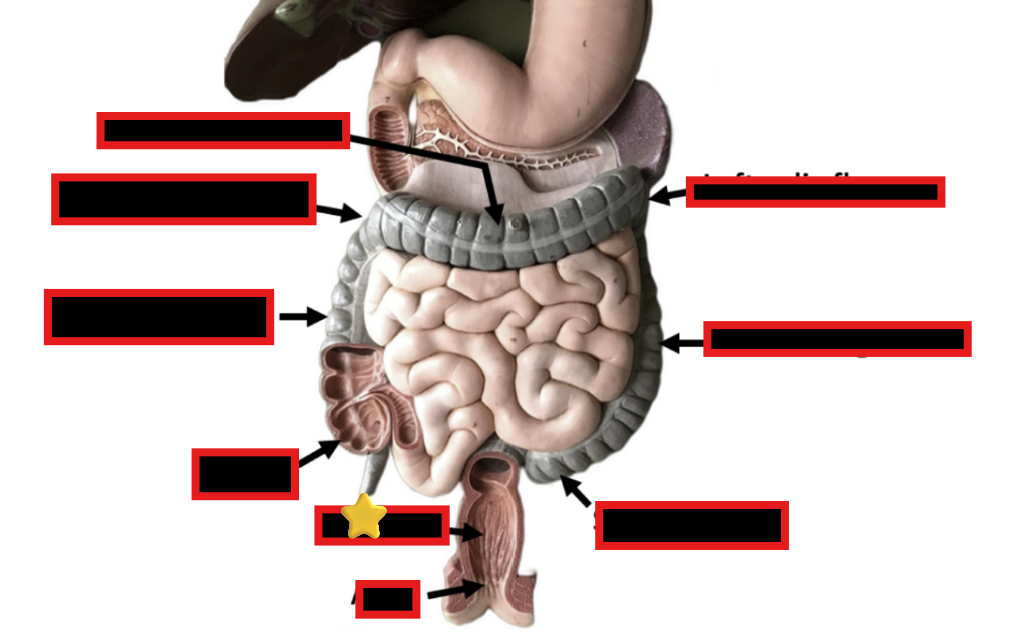
rectum

sigmoid colon

descending colon

left colic flexure
what does the ileocecal valve do?
it is a sphincter that controls the release of chyme from the ileum of the small intestine into the cecum of the large intestine

haustra

taeniae coli

circular folds

ileocecal valve

appendix

greater omentum
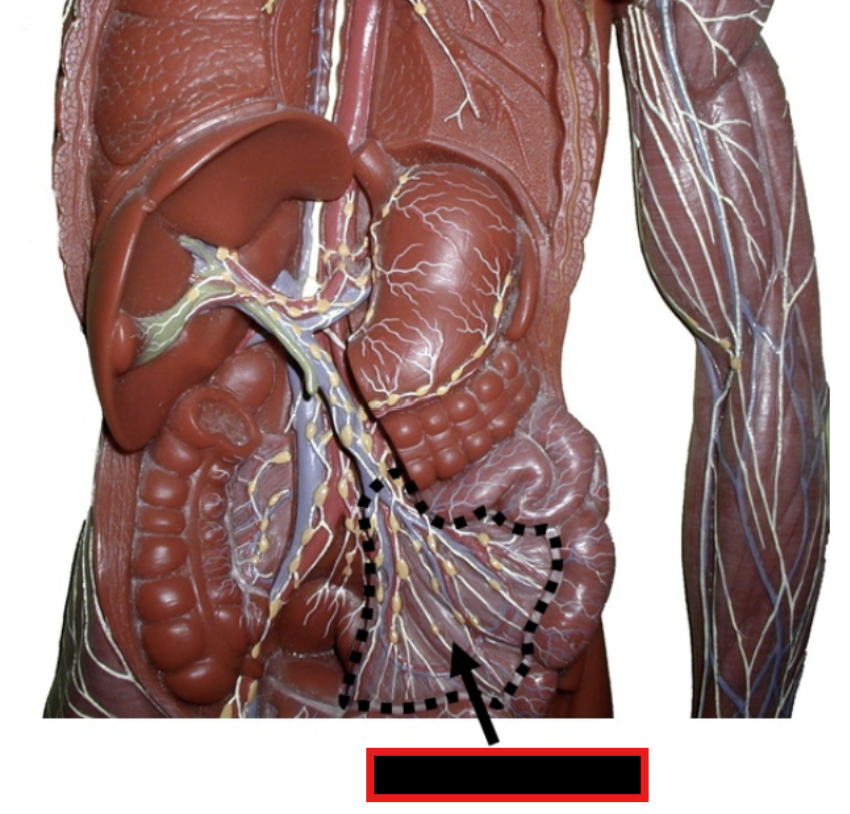
mesentery
what is the mesentery?
a fold of peritoneum that attaches the small intestine to the posterior abdominal wall
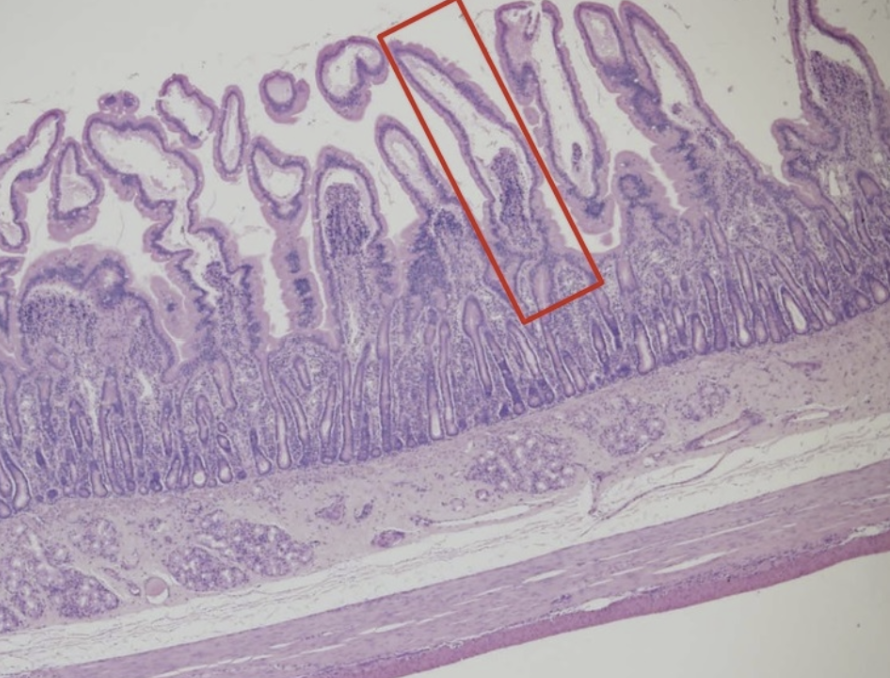
intestinal villi
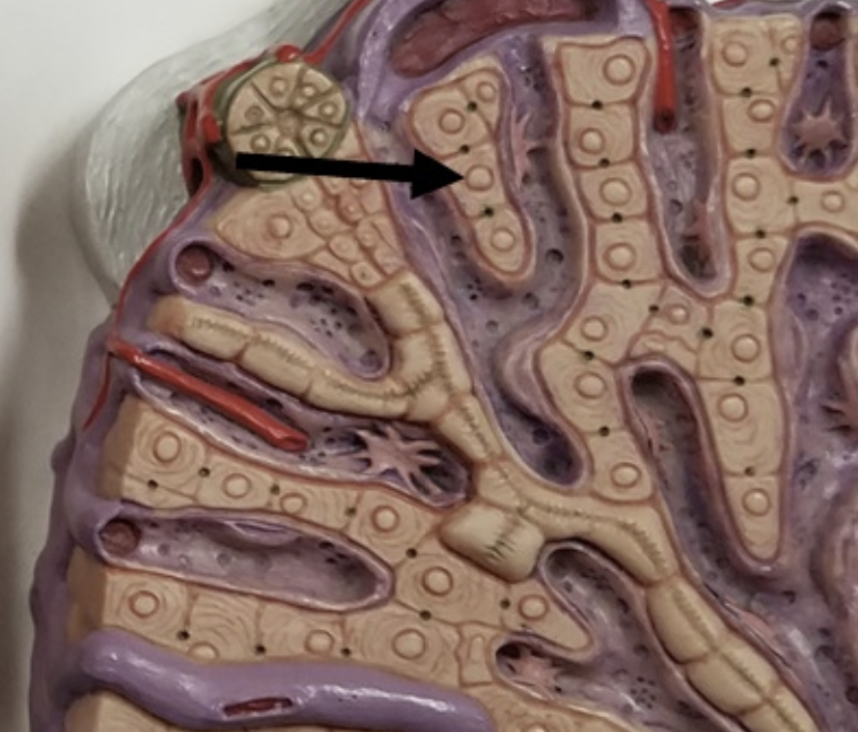
hepatocyte
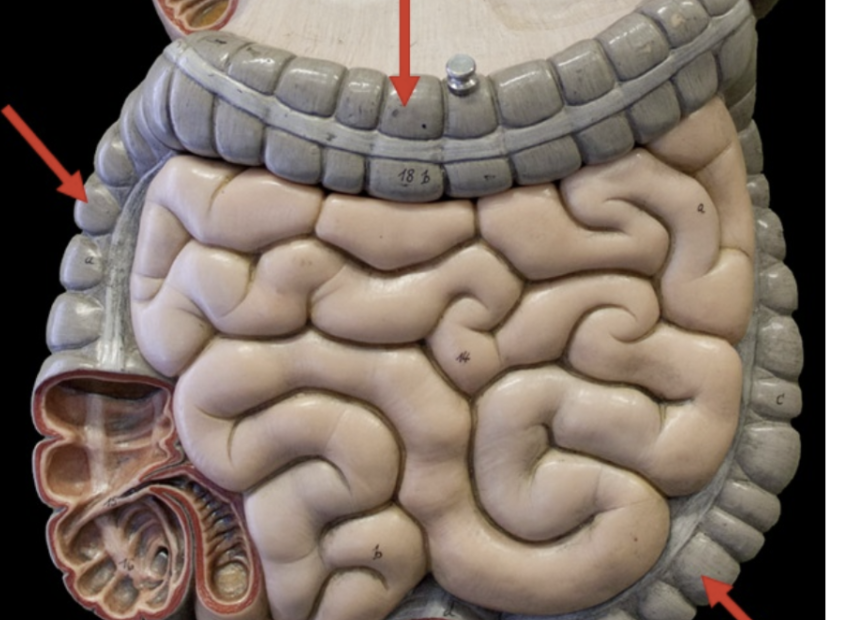
haustra
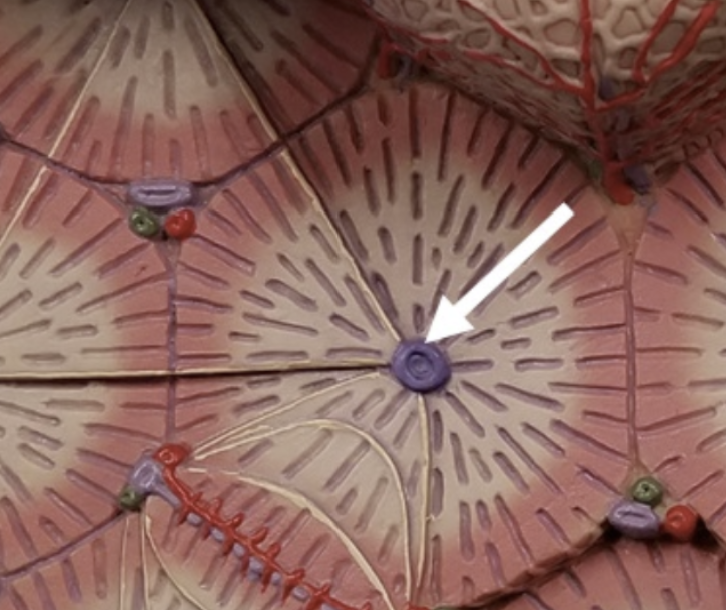
central vein

hepatic portal vein

hepatic artery proper

bile duct

duodenum

ileocecal valve