AFOM Chapter 8
 Call Kai
 Learn
 Practice Test
 Spaced Repetition
 Match
 Flashcards
 Knowt Play
1/79

There's no tags or description
Looks like no tags are added yet.
80 Terms

cervical vertebrae
start at the base of the back of the skull (C1-C7)

thoracic vertebrae
attaches to all ribs (T1-T12)


lumbar vertebrae
lower back (L1-L5)
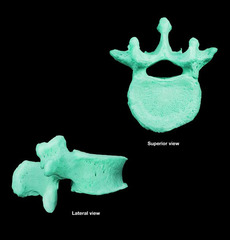

sacral vertebrae
fused in triangular-shaped bone called the sacrum (S1-S5)


coccyx vertebrae
4 fused vertebrae, tailbone


spinous process of vertebrae
protrudes posteriorly (back); mostly in thoracic vertebrae

transverse process
two; protrudes to the side (laterally)

body of vertebrae
anterior weight bearing region

superior and inferior articular facets
receives the vertebrae below or above it

vertebral foramen
a hole/opening down the middle of vertebrae that houses the spinal cord

bifid spinous process
only found in cervical vertebrae, the spinous process splits into 2 projections

transverse foramen
only found in the cervical vertebrae and allow passage of the vertabral artery, vein, and nerve
what is the first cervical vertebrae called
atlas

what is the second cervical vertebrae called
axis


dens (odontoid process)
the body of axis (C2)

atlantooccipital joint
the joint between the occipital bone and atlas; nodding the head yes

atlantoaxial joint
articulation between the atlas and axis; shaking the head no (pivot joint)

intervertebral discs
cartilaginous discs that lie on the vertebral bodies, separates vertebrae and act as shock absorbers

nucleus pulposus
inner portion of intervertebral disc, gelatin-type substance

annulus fibrosus
outer portion of intervertebral discs, fibrous

kyphosis
excessive posterior curvature of the spine, causing hunching of the back (hunchback), in the thoracic region

lordosis
excessive curvature of the lumbar spine

scoliosis
lateral curvature of the spine in any section (S-shaped or C-shaped)

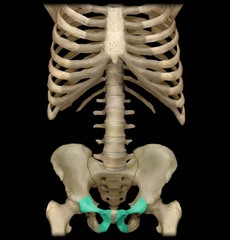
sarcum
the innominate bone consisting of three bones: ilium, pubis, ischium

ilium
flat bone; largest bone of the sacrum

pubis
bone of the sacrum that protrudes anteriorly

ischium
bone of the sacrum that protrudes posteriorly or downward

pubic bone
lower anterior part of the sacrum bone

anterior superior iliac spine (ASIS)
a bony projection at the anterior superior end of the iliac crest

posterior superior iliac spine (PSIS)
bony projection of the low back at the posterior superior end of the iliac crest

anterior inferior iliac spine (AIIS)
a bony prominence located just inferior to the anterior superior iliac spine

posterior inferior iliac spine (PIIS)
a bony projection located inferior to the posterior superior iliac spine


crest of the ilium
superior margin of the ilium that extends from anterior to posterior superior iliac spines

ischial tuberosity
rough projection that receives the weight of our body when we are sitting

acetabulum
large socket in the pelvic bone that holds the head of the femur

pubic symphysis
cartilaginous joint at which two pubic bones fuse together

inguinal ligament
ligament extending from pubic bone to anterior superior iliac spine, forming lower border of abdomen

linea alba
a tendinous, fibrous line / seam that runs vertically down the midline of the abdomen

sacroiliac joint
the joint between the sacrum and the ilium

flexion (bilateral contraction)
moving head forward and down; bending down to tie your shoe

extension (bilateral contraction)
bending backwards to look up

lateral flexion (unilateraal contraction)
only one side of the muscle is contracting, bending to the side
rotation (unilateral contraction)
rotate from side to side (only one side is contracting (unilateral))
ipsilateral rotation
rotation to same side of body
contralateral rotation
rotation to the opposite side of the body
anterior side of the cervical region muscles
sternocleidomastoid, prevertebrals and scaleni

origin of sternocleidomastoid
sternum, clavicle
insertion of sternocleidomastoid
mastoid process of the skull

action of sternocleidomastoid
flexion, lateral flexion and rotation

action of the prevertebrals
flexion, rotation

action of the scalene muscles
flexion, lateral flexion, elevate the first 3 ribs
posterior side of the cervical region muscles
rectus, obliques, splenius, levator scapulae, trapezius, rhomboids
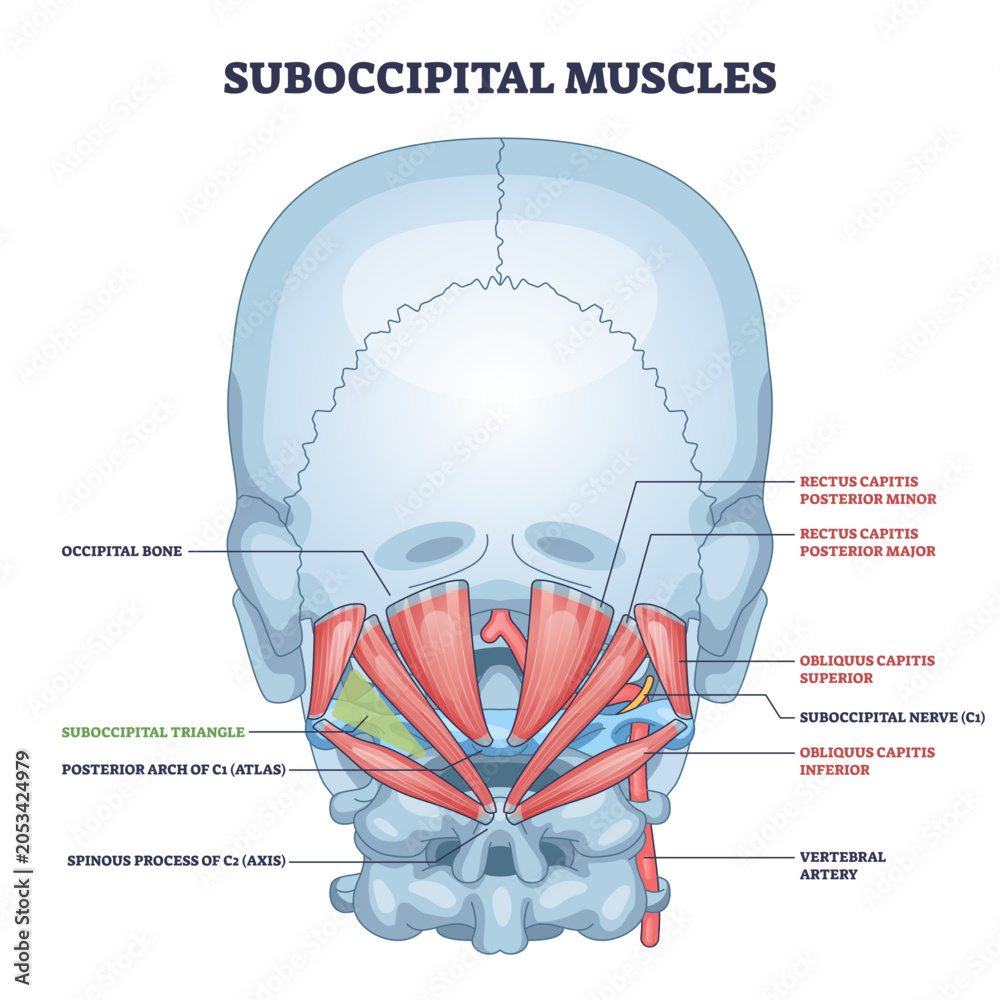
action of the rectus muscles
extension, lateral flexion and rotation

action of oblique muscles
extension, lateral flexion and rotation

action of the splenius muscles
extension, lateral flexion and rotation

action of levator scapulae
assist with extension, lateral flexion and rotation

action of trapezius (upper)
assist with extension, lateral flexion and rotation
abdominal muscles (anterior muscles of the thoracic and lumbar regions)
rectus abdominis, internal oblique, external oblique, transversus abdominis

origin of rectus abdominis
superior pubis, pubic symphysis

insertion of rectus abdominis
5-7th ribs, xiphoid process of the sternum

action of rectus abdominis
flexion, assist with lateral flexion

origin of internal obliques
iliac crest, inguinal ligament
insertion of internal obliques
9th-12th ribs, linea alba, superior pubis

action of internal obliques
flexion, lateral flexion, ipsilateral rotation

origin of external obliques
last 8 ribs (5-12)
insertion of external obliques
anterior half of iliac crest, line alba, pubis
action of external obliques
flexion, lateral flexion, contralateral rotation
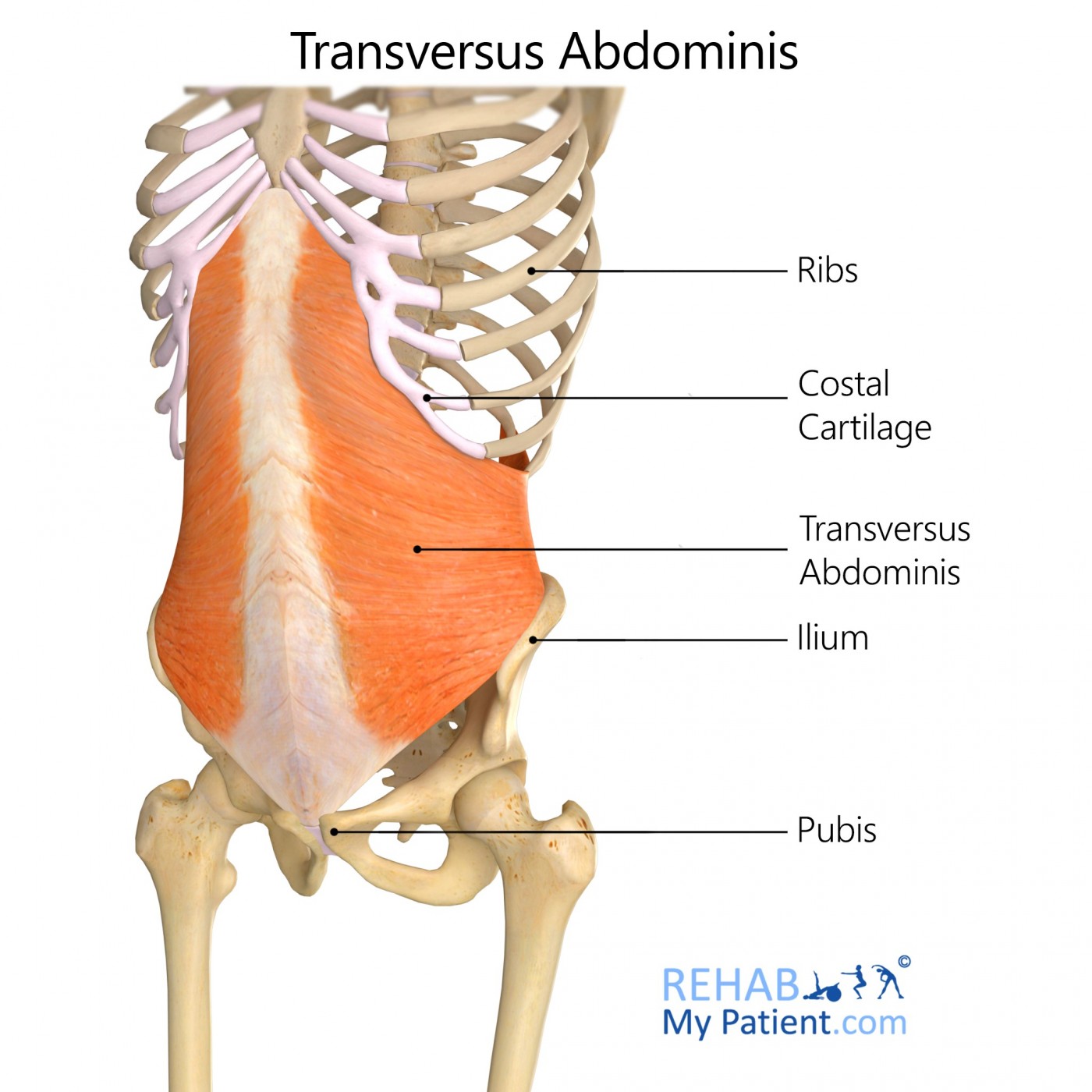
origin of transversus abdominis
lower 6 ribs (7-12), anterior iliac crest, inguinal ligament
insertion of transversus abdominis
pubis, xiphoid process, linea alba

action of transversus abdominis
assist with ipsilateral rotation

action of semispinalis group (dorsi, cervicis, and capitis)
extension of cervical and thoracic region, lateral flexion and contralateral rotation of the cervical region

action of erector spinae
extension, lateral flexion, assist with ipsilateral rotation

action of quadratus lumborum
lateral flexion of the lumbar spine, assist with lumbar extension
multifidus
covers all moveable section of the spine
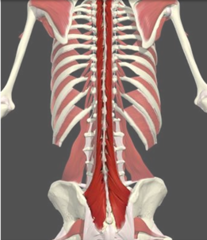
action of multifidus
extension, lateral flexion, contralateral rotation
movements of the pelvis
a combination of movements of the spinal column and the hip joint

backward tilt
sacrum and coccyx are tucking in (downward) and the ASIS forward (up); belt to the chin

forward tilt
sacrum and coccyx is moving up and ASIS is moving down (sticking butt out)

lateral tilt
the pelvis shifts to the right or left while maintaining a neutral spine, resulting in one side of the pelvis being higher than the other and the opposite hip dropping down

rotation of the pelvis
rotating one ASIS (one the same side) to right or left