117: Parenteral Products and Administration
 Call Kai
 Learn
 Practice Test
 Spaced Repetition
 Match
 Flashcards
 Knowt Play
1/29

There's no tags or description
Looks like no tags are added yet.
30 Terms
objectives
Be familiar with the different administration devices
• Know the different types of containers and advantages/disadvantages.
• Know the different types of catheters and advantages and disadvantages of each
Small Volume Parenterals (SVPs)
Intravenous solutions, 100 ml or less
pH and tonicity can be physiologically incompatible
Large Volume Parenterals (LVPs)
Intravenous solutions more than 100 ml
pH and tonicity should be physiologically compatible
different small volume parenterals
Multi-Dose Vials
Single Dose Vials
Ampules
Sterile lyophilized powders
IV Piggybacks
Prefilled Syringes
Add-Vantage IV System
Mini Bag Plus
multi-dose vial
vial of liquid med, has more than one dose of med
max 30 ml
has rubber stopper
can be punctured multiple times
reseals when needle withdrawn to protect from contamination
has preservatives —> sterile
once punctured, vial should be dated & discarded within 28 days (unless manu dated dif)
discard by manu exp date if not opened

single dose vial
vial of liquid med, single use for a single case, procedure, injection
1-100ml
has rubber stopper
penetrate once and discard vial
no preservatives

ampule
sealed glass container w. elongated neck
must be snapped off before use
do not reseal, discard remaining solution
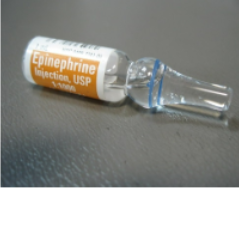
how to use ampule since can be contaminated w. glass shards when opened
use a filter needle to withdraw solution
replace filter needle w/ new one before adding to another container or give to pt
filter needle
has filter in needle

pred-filled syringe
prepackaged pre-filled syringes
ready for immediate use
use in cartridge for pump

large volume
Fluid Administration
Total Parenteral Nutrition (TPN)
Dialysis Solutions
Irrigation Solutions
containers
Must be able to maintain the integrity of the product as a sterile, pyrogen-free, high
purity preparation
2 types
glass
plastic
glass containers
usually has a vacuum
rubber stopper
graduation marks
require venting
Advantages of glass
Rigid
Fluid levels easier to read
Relatively nonreactive
Protects against vapor
Withstands steam sterilization*
Disadvantages of glass
Fragile
Takes up space
Venting can lead to contamination
2 types of plastic containers
Polyvinyl Chloride (PVC)
Polyethylene (polyolefin)
Advantages of plastic
Lightweight
Flexible
Easier to store
Will not break
No air venting needed because they collapse when emptying
Disadvantages of plastic
Permeable to vapors and other molecules in either direction through wall of plastic container
Leaching of constituents of plastic into product
Adsorption of drug onto sides of plastic container
permeation
Problem solved by using overwrap to retard water loss from container
administration set
Deliver IV fluids and regulate flow
Plastic spike to pierce the IV container
Drip chamber to trap air and allow for flow rate adjustment
Adjustable clamp
PVC tubing with injection port
Can inject additional medication through this port if needed
Needle or catheter adapter
Flashball*

tubing
Tubing without venting for use with plastic IV containers

types of tubing
macro drip
10 drops/ml
15 drops/ml
20 drops/ml
microdrip
60 drops/ml
ex: problem
1000 ml D5/0.45 NaCl + 30 meq potassium chloride to run continuously @ 100ml/hr
if tubing used to admin IV is labeled as 15 drops/ml
QueSTION: how fast should IV run in drops/minute\
answer: 25 gtt/min

admin devices
Manual Flow Regulator
Used with gravity infusion to set infusion rate
2 types of Controlled Rate Infusion Pumps
Cassette Pumps
Syringe Pumps
Cassette Pumps
Small in size, useful as ambulatory pumps
Cassette acts as reservoir, tubing connects the cassette to the patient
Syringe Pumps
Syringe attached to a pump expels solution from the syringe by advancing the
plunger or barrel at a predetermined rate
for intermittent drug administration
Useful for neonatal, infants, critical care
small volumes need to be given over extended periods of time
use to deliver IV push more controlled
Controlled Rate Infusion Pumps
Elastomeric Reservoirs/Pumps
aka home ball or ball pump
balloon like reservoirs, filled w. medication that is forced out thru a flow restrictor
intermittent or slow
continuous infusions
Volume Control Chamber
for ped pts
Purpose: Prevents accidental infusion of too much IV fluid.