INTRODUCTION TO PSYCHOLOGY EXAM 2 Developmental till pg 36 SLIDES
 Call Kai
 Learn
 Practice Test
 Spaced Repetition
 Match
 Flashcards
 Knowt Play
1/34

There's no tags or description
Looks like no tags are added yet.
35 Terms

What is developmental psychology?
The study of continuity and change across the life span
infancy
childhood
adolescence
adulthood
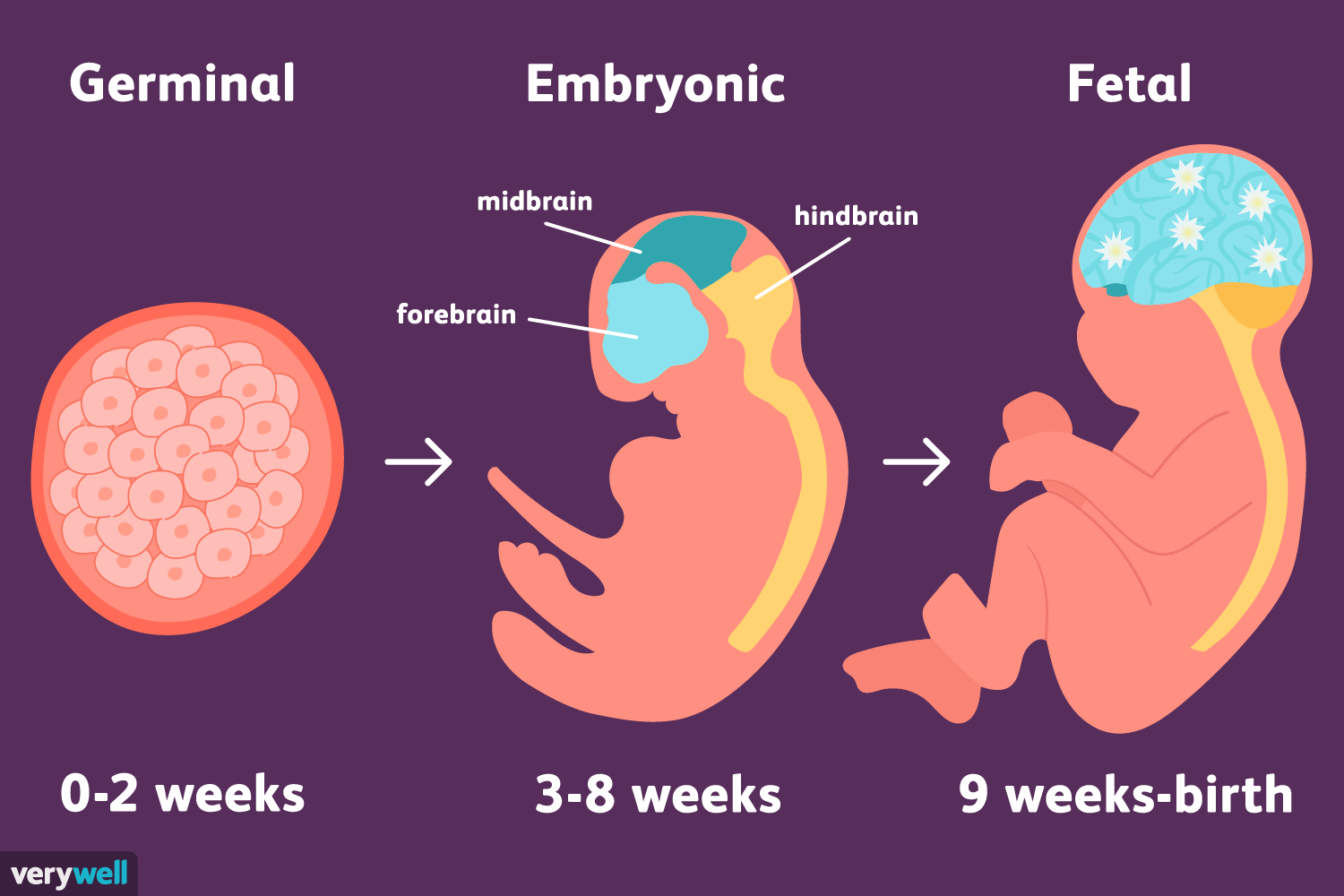
What are the 3 prenatal stages (conception-birth)?
1) Gemrinal Stage (conception-2 weeks)
2) Embryonic Stage (2nd-8th week
3) Fetal stage (9th week-birth)

What is prenatal development like? understand the image!!!

What is the environment that affects an unborn baby called?
The womb.
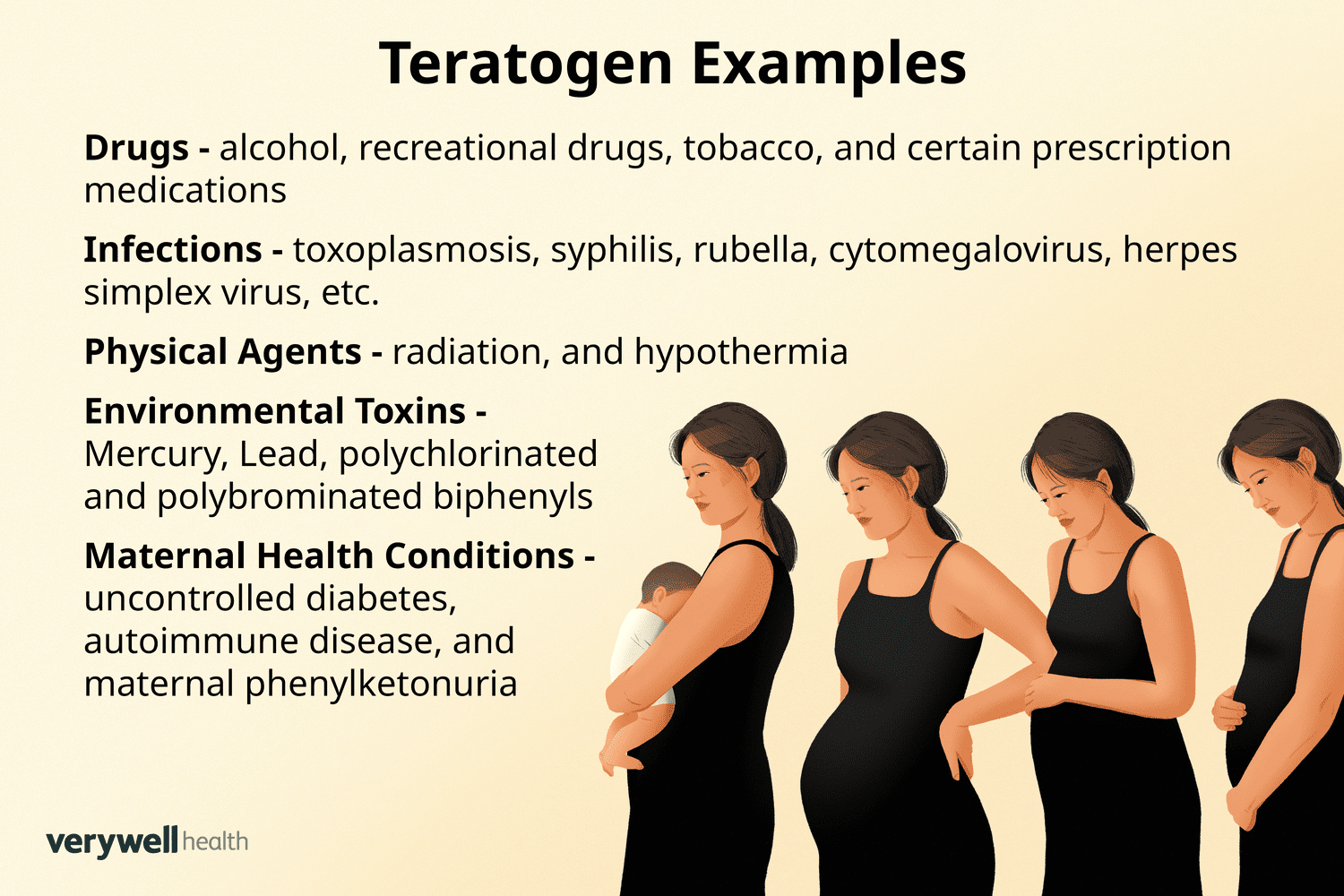
What are teratogens?
Agents, such as drugs and viruses, that pass from mother and impairs the process of development.

What is fetal alcohol syndrome?
A neurodevelopment disorder that results from heavy alcohol use by the mother during pregnancy.
Children born with FAS have a variety of brain abnormalities and cognitive deficits.
What months count as infancy?
18-24 months.
Infants are capable of much more than initially believed.

Perceptual Development has what?
Newborns have poor distance vision
Newborns can only see things that are 8-12 inches away.
Newborns habituate to visual-stimuli-respond less to repeated exposure of the same stimuli.
Newborns can see squares, triangles, and diagonal lines.
Neworns can mimic facial expressions within the first house of life.

What is motor development?
Emergence of the ability to execute physical action.

What are motor reflexes?
Specific patterns of motor response that are triggered by specific patterns of sensory stimulation; innate
EX: rooting, sucking, babinski

What is the cephalocaudal rule?
“Top-to-bottom” rule that describes the tendency for motor skills to emerge in sequence from head to the feet.

What is the proximodistal rule?
“Inside-to-outside” rule that describes the tendency for motor skills to emerge in sequence from the center to the periphery.


What is cognitive development?
Emergence of the ability to think and understand.
What are Jean Piagets suggested four stages of cognitive development in which infants and children learn in order?:
1) sensorimotor (birth-2 years)
2) preoperational (2-6 years)
3) concrete operational (6-11 years)
4) formal operational (11 years and up)

What happens during the sensorimotor stage (Birth-2 years)
Infants acquire information about the world through sensation and movement.
Schemas
Assimilation
Accommodation
Object permanence
What are schemas?
Models of the way the world works.


What is assimilation in the context for schemas?
Process by which infants apply their schemas in novel situations.

What is accommodation in the context of schemas?
Process by which infants revise their schemas in light of new information.

What is object permanence?
Idea that objects continue to exist even when they are not visible.
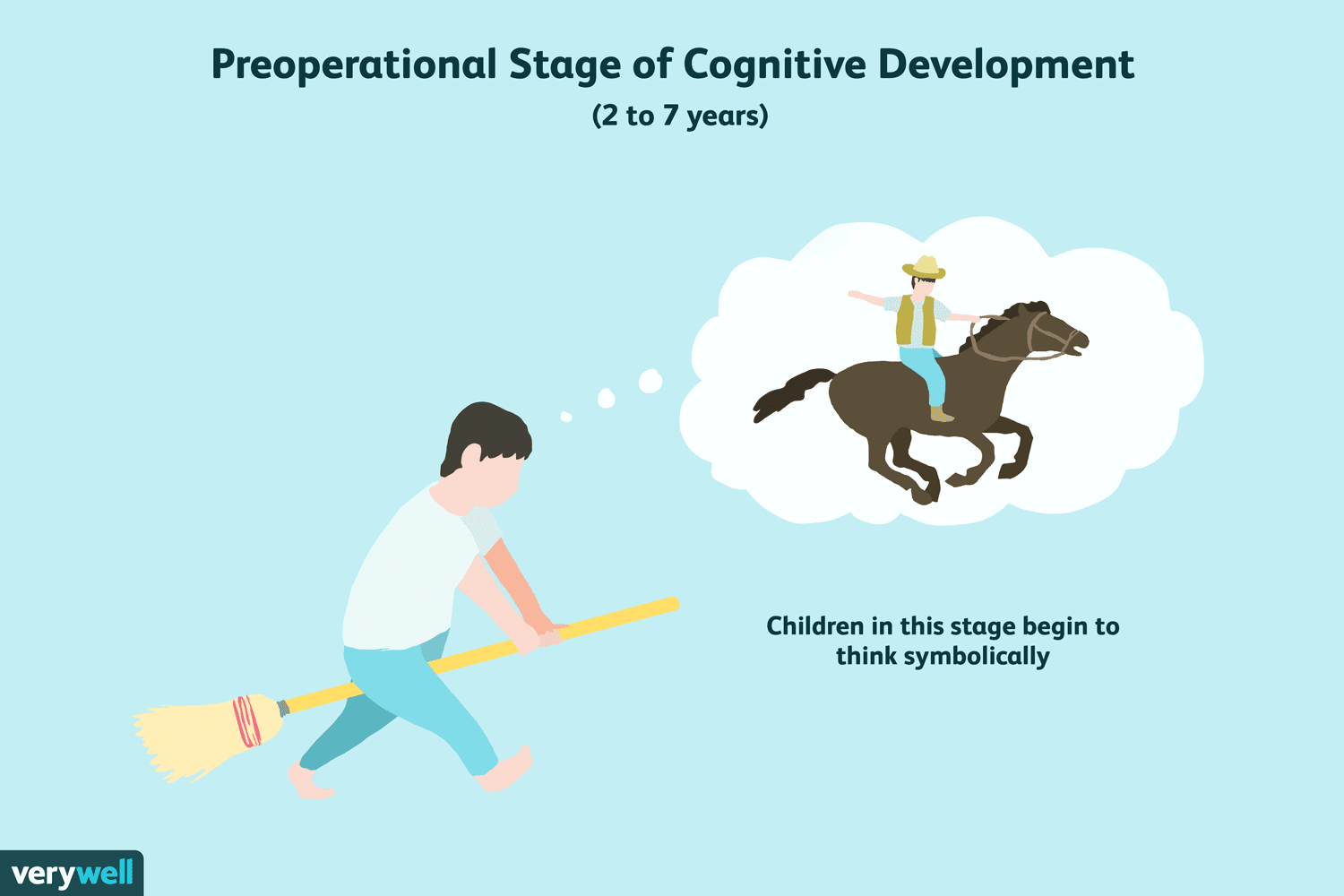
What happens during the pre operational stage (2-6 years)?
Semiotic function
Egocentrism
Conservation Problems
Centration
Lack of reversibility
Focus on states
What is semiotic function?
Capacity to represent one thing with another.

What is egocentrism?
Failure to understand that the world appears different to different observers; observed during pre operational stage.
Perception and beliefs in the pre operational stage:
3 year olds fail to realize that other people don’t see or know what they know.
False belief task-maxi and hidden chocolates.

What is the theory of mind telling us?
The understanding that the mind produces representations of the world and that these representations guide behavior.

What happens during the concrete operational stage (6-11 years)?
Capable of performing mental actions called operations
Decline in egocentrism
Able to seriate
Logic can be applied only in the presence of specific objects or events.

What happens during the formal operations stage (11 years-)?
Thought is logical and abstract
Hypothetical reasoning
Systematic and complete approaches to problem-solving
Idealism
What are the criticisms of Piagets theory?
Newer theories see the stages as continuous, not discrete.
Children may acquire abilities earlier than proposed.
What did lev Vygotsky believe?
He believed that children develop through interactions with members of their own culture rater than concrete objects.
Cultural tools have a strong influence on cognitive development.
Emphasis on environment and not genetics.
The ability to learn from others depends on the three fundamental skills which are:
1) Joint attention
2) Social Referencing
3) Imitation
What is joint attention?
The ability to focus on what another person is focused on
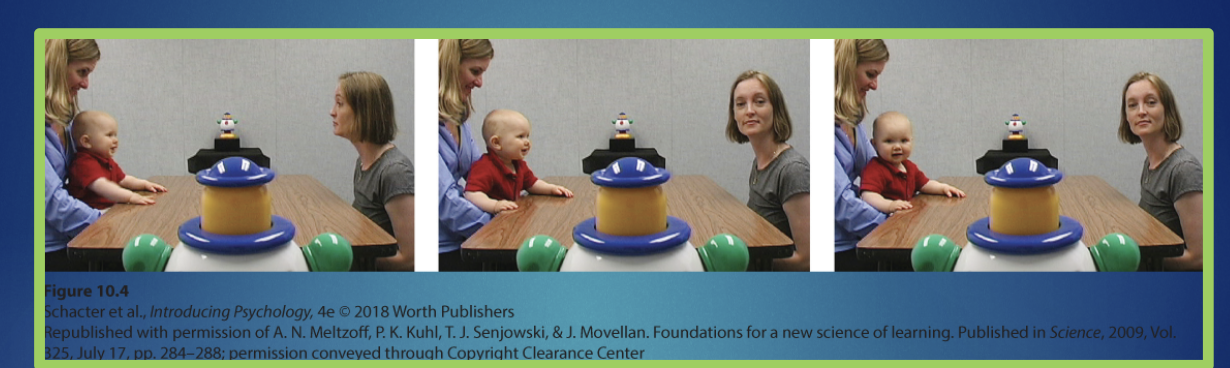

What is imitation?
The ability to do what another person does.
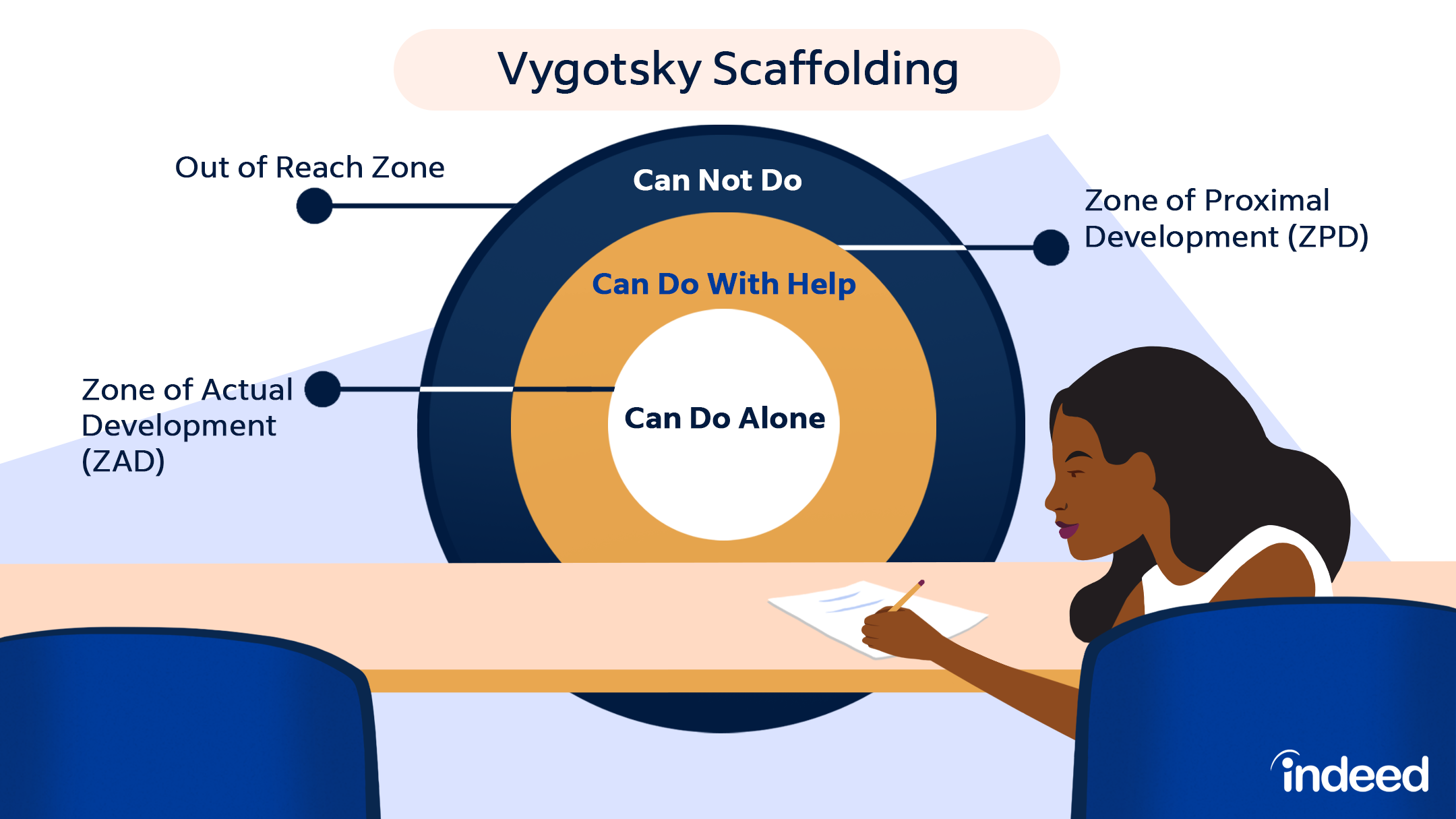
What is scaffolding?
Temporary aid provided by one person to support the learning of another person.

What is zone of proximal development?
Disparity between what a child can do with the assistance of others and what they can do.

What is guided participation?
Tendency for adults to provide scaffolding to children so they engage in mature activities.