IEB BIO HUMAN REPRODUCTION ST STITHIANS GR11/12

0.0(0)
Studied by 0 people
call kaiCall Kai
learnLearn
examPractice Test
spaced repetitionSpaced Repetition
heart puzzleMatch
flashcardsFlashcards
GameKnowt Play
Card Sorting

1/27

flashcard set

Earn XP

Description and Tags

Menstrual cycle, pregnancy and birth.

28 Terms

1
New cards

Menstrual cycle

A part of the reproductive process that involves the ovarian cycle and uterine cycle. It typically lasts about 28 days, regulating the preparation of the body for potential pregnancy.

<p>A part of the reproductive process that involves the ovarian cycle and uterine cycle. It typically lasts about 28 days, regulating the preparation of the body for potential pregnancy. </p>
2
New cards

Ovarian cycle

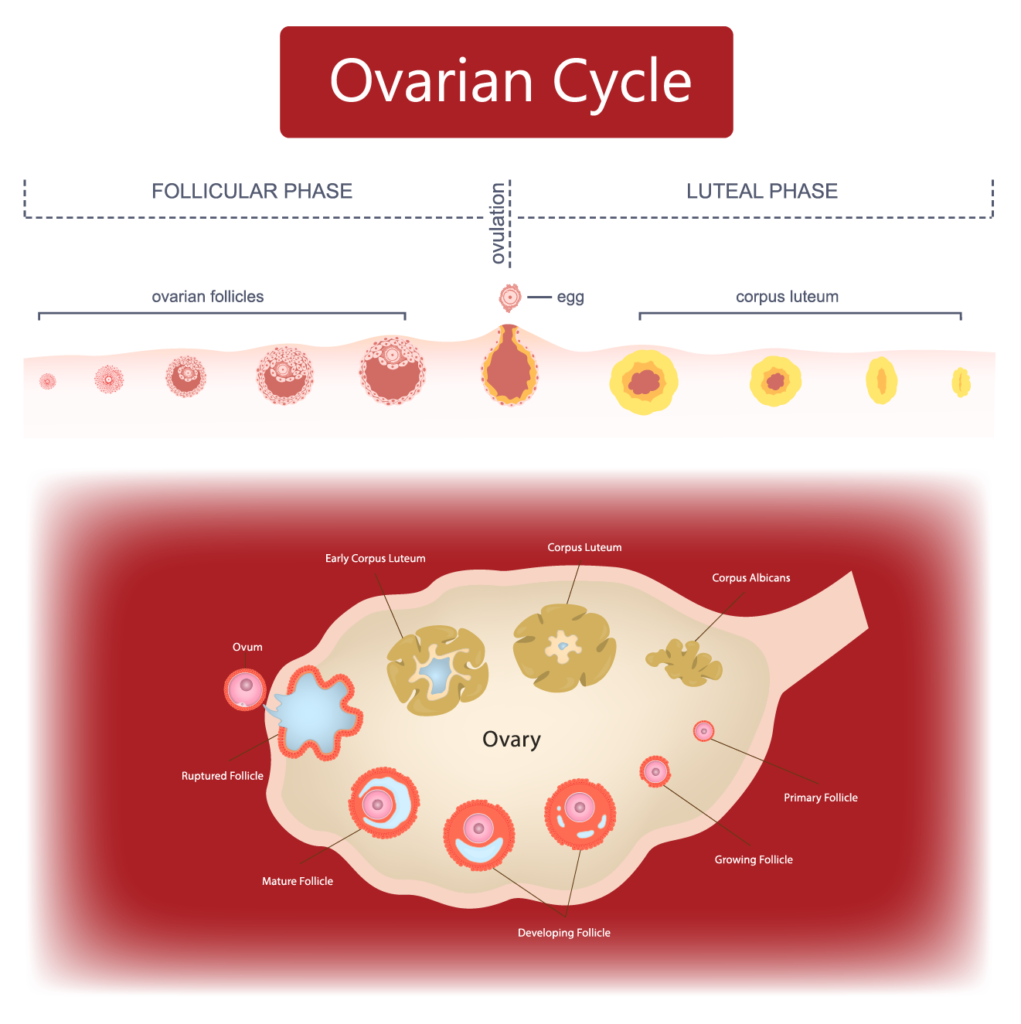
Cyclical changes in the ovaries that prepare for ovulation of the mature ovum to be fertilised. It consists of 4 phases: Menstruation, Follicular phase, Ovulation, Luteal Phase.
<p>Cyclical changes in the ovaries that prepare for ovulation of the mature ovum to be fertilised. It consists of 4 phases: Menstruation, Follicular phase, Ovulation, Luteal Phase. </p>
3
New cards

Uterine cycle

The monthly series of cyclical changes that occur in the endometrium from puberty to menopause, preparing the uterus for possible implantation and pregnancy or shedding the lining if fertilisation does not occur.

<p>The monthly series of cyclical changes that occur in the endometrium from puberty to menopause, preparing the uterus for possible implantation and pregnancy or shedding the lining if fertilisation does not occur.</p>
4
New cards

Hormonal Control of the cycle

  1. Menstruation (Days 1-5)

  • Endometrium breaks down and is shed.

  • FSH levels begin to rise


  1. Follicular phase (Days 6-13)

  • FSH stimulates follicle development

  • Oestrogen is secreted, causing the endometrium to thicken.


  1. Ovulation (Day ~14)

  • High oestrogen levels cause a surge of LH

  • The follicle ruptures, releasing a secondary oocyte


  1. Luteal Phase (Days 15-28)

  • Follicle forms the corpus luteum

  • Corpus luteum secretes progesterone, maintaining the endometium.

  • Progesterone inhibits FSH and LH.


<ol><li><p>Menstruation (Days 1-5)</p></li></ol><ul><li><p>Endometrium breaks down and is shed. </p></li><li><p>FSH levels begin to rise</p></li></ul><p></p><ol start="2"><li><p>Follicular phase (Days 6-13) </p></li></ol><ul><li><p>FSH stimulates follicle development</p></li><li><p>Oestrogen is secreted, causing the endometrium to thicken. </p></li></ul><p></p><ol start="3"><li><p>Ovulation (Day ~14)</p></li></ol><ul><li><p>High oestrogen levels cause a surge of LH</p></li><li><p>The follicle ruptures, releasing a secondary oocyte </p></li></ul><p></p><ol start="4"><li><p>Luteal Phase (Days 15-28) </p></li></ol><ul><li><p>Follicle forms the corpus luteum </p></li><li><p>Corpus luteum secretes progesterone, maintaining the endometium. </p></li><li><p>Progesterone inhibits FSH and LH.</p></li></ul><p></p>
5
New cards

Role of Oestrogen (Reproduction)

Oestrogen causes the thickening of endometrium lining.

Secreted by the maturing follicle. After follicle ruptures Oestrogen levels drop. Hormone production transitions to corpus luteum to secrete high levels of progesterone along with a smaller, secondary rise in oestrogen.

<p>Oestrogen causes the thickening of endometrium lining.</p><p>Secreted by the maturing follicle. After follicle ruptures Oestrogen levels drop. Hormone production transitions to corpus luteum to secrete high levels of progesterone along with a smaller, secondary rise in oestrogen.</p>
6
New cards

Role of Progesterone (Reproduction)

Secreted by corpus luteum to maintain thickened uterine lining.

Progesterone inhibits FSH and LH.

<p>Secreted by corpus luteum to maintain thickened uterine lining. </p><p>Progesterone inhibits FSH and LH. </p>
7
New cards

Phases of Ovarian Cycle

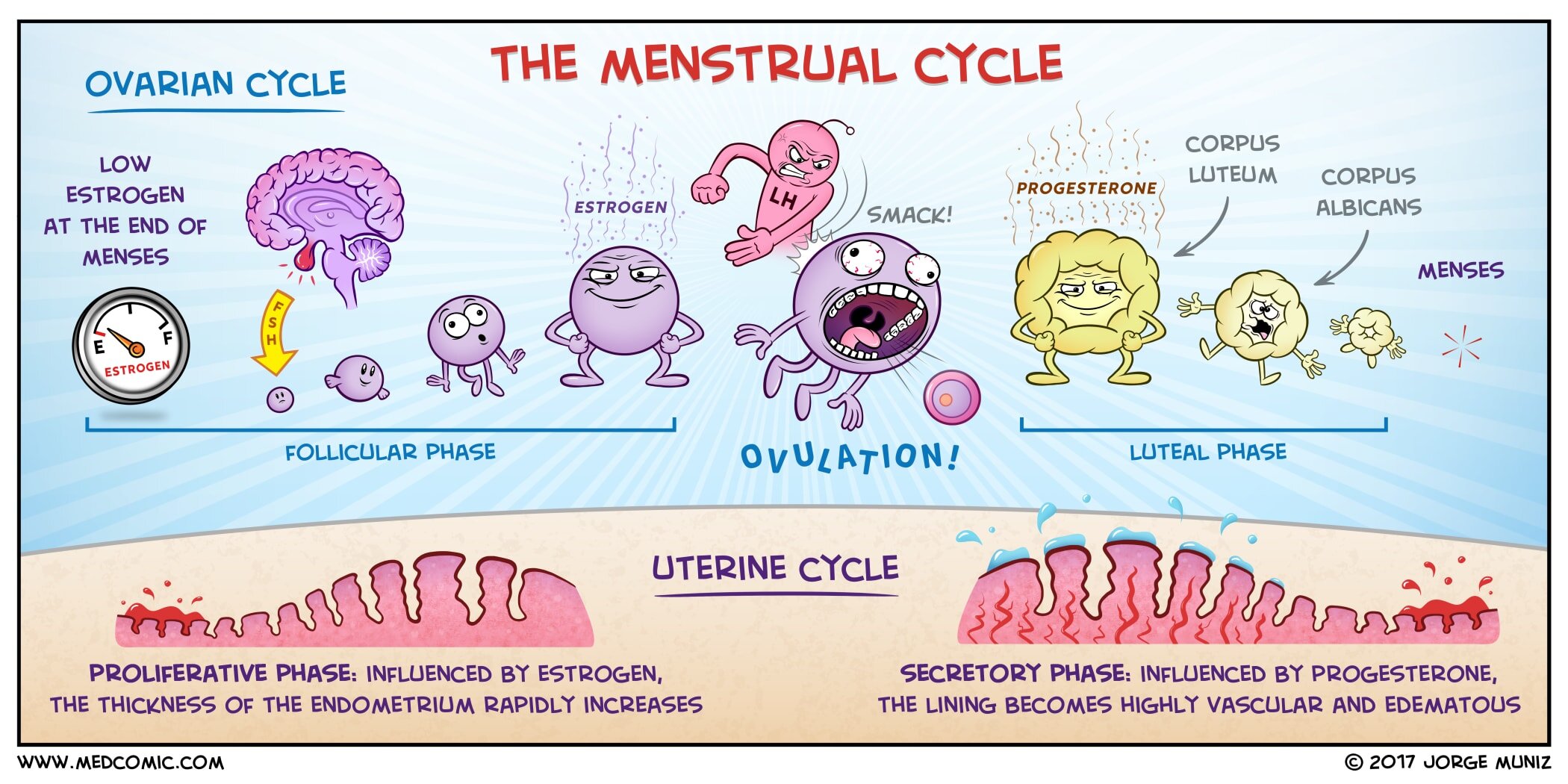
Follicular phase: The follicular phase is the first primary stage of the menstrual cycle, starting on the first day of your period and ending with ovulation.

Luteal phase: The luteal phase is the final stage of the menstrual cycle, occurring right after ovulation and ending the day before your next period
<p>Follicular phase: <span>The </span>follicular phase is the first primary stage of the menstrual cycle, starting on the first day of your period and ending with ovulation. </p><p>Luteal phase: <span>The </span>luteal phase is the final stage of the menstrual cycle, occurring right after ovulation and ending the day before your next period</p>
8
New cards

Phases of Uterine Cycle

Proliferative phase: Influenced by Oestrogen, the thickness of the endometrium rapidly increases.

Secretory phase: Influenced by progesterone, the lining becomes highly vascular and oedematous. (Swelling caused by an excessive accumulation of fluid in the body's tissues)

<p>Proliferative phase: Influenced by Oestrogen, the thickness of the endometrium rapidly increases.</p><p>Secretory phase: Influenced by progesterone, the lining becomes highly vascular and <span style="color: rgb(251, 6, 6);">oedematous</span>. <mark data-color="#ff0000" style="background-color: rgb(255, 0, 0); color: inherit;">(Swelling caused by an excessive accumulation of fluid in the body's tissues)</mark></p>
9
New cards

What happens if Fertilisation DOES occur.

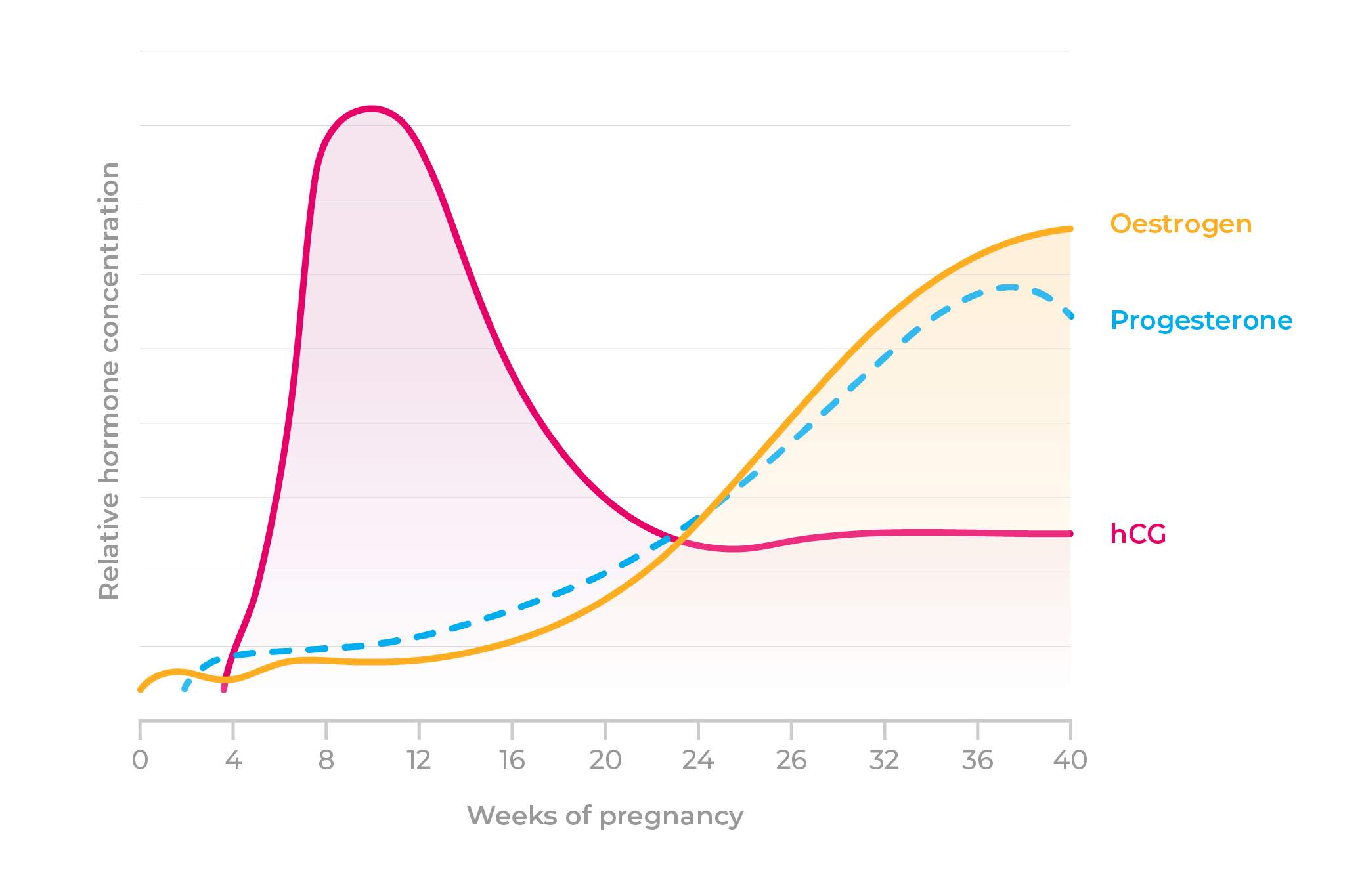
  • Corpus luteum continues secreting progesterone .

  • Endometrium is maintained.

  • Once the placenta develops, it takes over progesterone production to maintain pregnancy.

<ul><li><p>Corpus luteum continues secreting progesterone . </p></li><li><p>Endometrium is maintained.</p></li><li><p>Once the placenta  develops, it takes over progesterone production to maintain pregnancy.</p></li></ul><p></p>
10
New cards

What happens if Fertilisation DOES NOT occur.

  • Corpus luteum degenerates. (Progesterone is secreted by Corpus luteum. Therefore, progesterone levels fall)

  • Oestrogen and progesterone levels fall.

  • Endometrium breaks down - menstruate

  • A new cycle begins (progesterone is no longer present to inhibit FSH and LH)


<ul><li><p>Corpus luteum degenerates. <span style="color: red;">(Progesterone is secreted by Corpus luteum. Therefore, progesterone levels fall) </span></p></li><li><p>Oestrogen and progesterone levels fall.</p></li><li><p>Endometrium breaks down - menstruate </p></li><li><p>A new cycle begins <span style="color: rgb(250, 5, 5);">(progesterone is no longer present to inhibit FSH and LH) </span></p></li></ul><p></p>
11
New cards

Reproductive hormones with contraceptive pill.

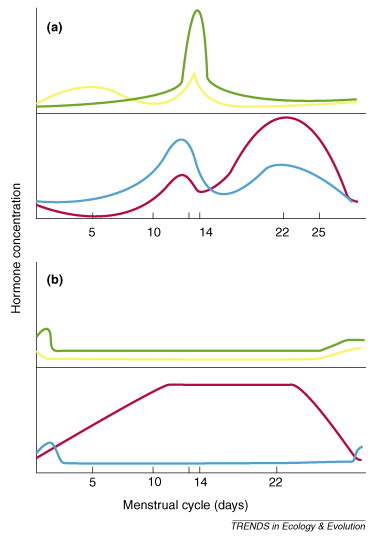
The pill contains Oestrogen/ Progesterone.

The constant intake of oestrogen/progesterone keeps the hormone levels artificially steady.

This steady level sends a negative feedback signal to hypothalamus and hypophysis.

As a result of negative feedback FSH secretion is suppressed → follicles do not mature. LH surge does not occur → No ovulation.

Therefore, there is no available ovum for fertilisation as ovulation has not occurred.
<p>The pill contains Oestrogen/ Progesterone. </p><p>The constant intake of oestrogen/progesterone keeps the hormone levels artificially steady. </p><p>This steady level sends a negative feedback signal to hypothalamus and hypophysis. </p><p>As a result of negative feedback FSH secretion is suppressed  →  follicles do not mature.   LH surge does not occur → No ovulation. </p><p>Therefore, there is no available ovum for fertilisation as ovulation has not occurred. </p>
12
New cards

HCG (Human chorionic gonadotropin)

hormone produced by cells in the placenta after a fertilised egg attaches to the uterine wall (links to chorionic membrane in placental development)

<p>hormone produced by cells in the placenta after a fertilised egg attaches to the uterine wall (links to chorionic membrane in placental development) </p>
13
New cards

Polycystic ovary syndrome (PCOS)

DEFINITION: A hormonal disorder that is characterised by ovaries that contain many small fluid-filled follicles that do not mature properly.

SYMPTOMS:

  • Irregular/ absent menstruation

  • Excess body or facial hair (hirsutism)

  • Acne

  • Obesity

  • Reduced fertility

TREATMENT:

  • Birth control pills to regulate menstruation

  • Metformin to reduce insulin resistance and prevent diabetes

  • Statins to control high cholesterol

  • Hormone therapy to improve fertility

  • Cosmetic and medical treatments to reduce excess hair growth.
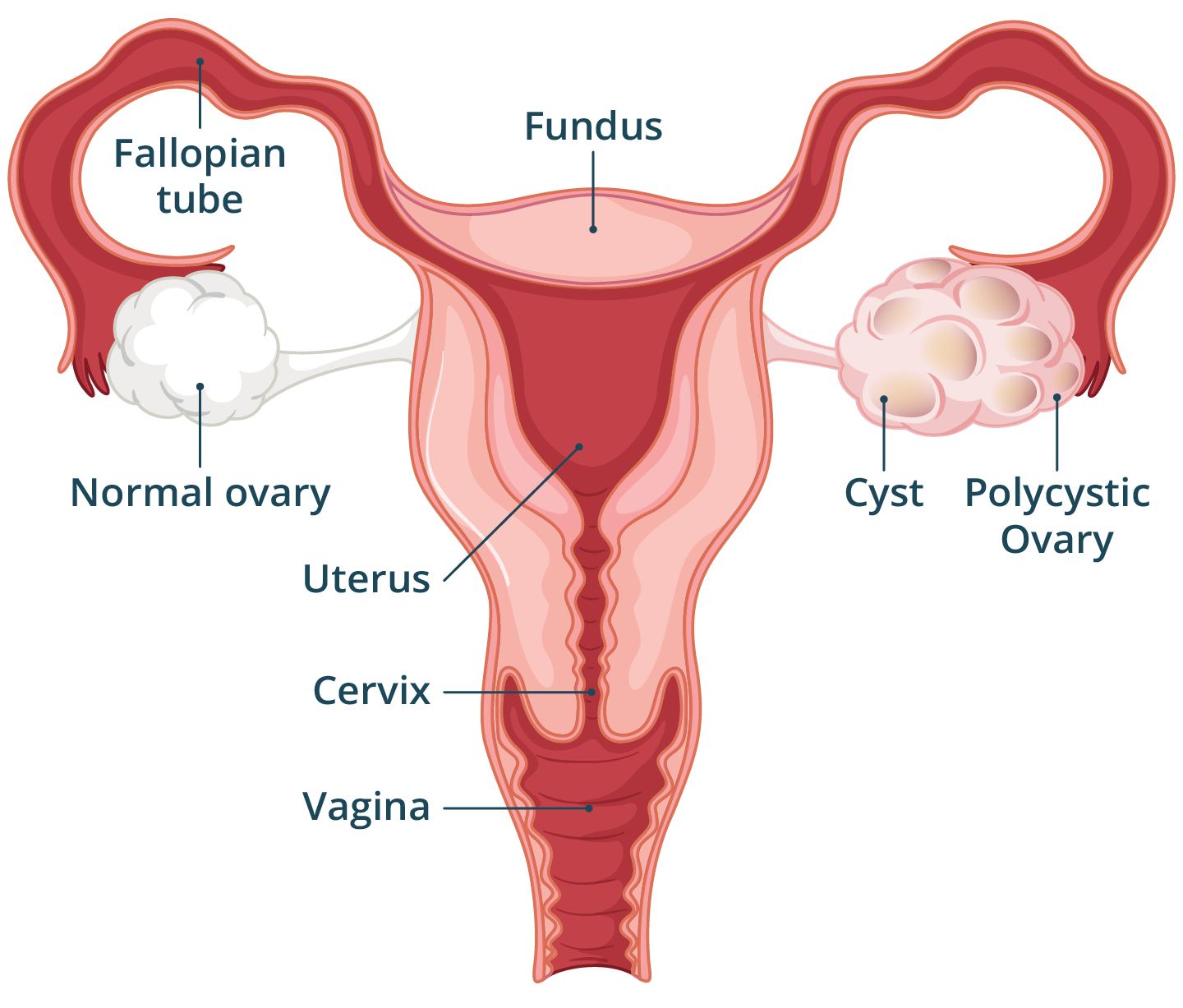

<p>DEFINITION: A hormonal disorder that is characterised by ovaries that contain many small fluid-filled follicles that do not mature properly. </p><p>SYMPTOMS: </p><ul><li><p>Irregular/ absent menstruation</p></li><li><p>Excess body or facial hair (hirsutism) </p></li><li><p>Acne</p></li><li><p>Obesity </p></li><li><p>Reduced fertility </p></li></ul><p>TREATMENT: </p><ul><li><p>Birth control pills to regulate menstruation </p></li><li><p>Metformin to reduce insulin resistance and prevent diabetes </p></li><li><p>Statins to control high cholesterol</p></li><li><p>Hormone therapy to improve fertility</p></li><li><p>Cosmetic and medical treatments to reduce excess hair growth. </p></li></ul><p></p>
14
New cards

Ovulation

The rupturing of a mature ovum from a follicle in the ovary to the fallopian tube

<p>The rupturing of a mature ovum from a follicle in the ovary to the fallopian tube </p>
15
New cards

Fertilisation

The process that involves the fusion of one sperm cell with the egg cell which has been released from the ovary during contraception (Normally occurs in fallopian tube after ovulation)

<p>The process that involves the fusion of one sperm cell with the egg cell which has been released from the ovary during contraception (Normally occurs in fallopian tube after ovulation) </p>
16
New cards

Sperm and Ovum during fertilisation

17
New cards

Implantation

The zygote is transported along the follapian tube towards the uterus by tge movement of the cilia. When it enters the cavity of the uterus it is sufficiently developed to sink into and attach to the endometrium

<p>The zygote is transported along the follapian tube towards the uterus by tge movement of the cilia. When it enters the cavity of the uterus it is sufficiently developed to sink into and attach to the endometrium</p>
18
New cards

Blastocyst

The blastocyst secretes HCH to:

  • Maintains corpus luteum

  • Ensures continued secretion of progesterone

  • Prevents menstruation


<p>The blastocyst secretes HCH to:</p><ul><li><p>Maintains corpus luteum </p></li><li><p>Ensures continued secretion of progesterone</p></li><li><p>Prevents menstruation </p></li></ul><p></p>
19
New cards

Structure of chorion

20
New cards

Function of chorion

21
New cards

The amnion

22
New cards

Amniotic fluid (structure + function)

23
New cards

Allantois

24
New cards

Yolk-sac

25
New cards

Umbilical cord (Structure)

26
New cards

Function of Umbilical chord.

27
New cards

Structure of placenta (3)


28
New cards

Functions of the placenta (4)



