1.1 - Investigating the Scene
 Note
 Call Kai
 Learn
 Practice Test
 Spaced Repetition
 Match
 Flashcards
 Knowt Play
1/48

There's no tags or description
Looks like no tags are added yet.
Name | Mastery | Learn | Test | Matching | Spaced | Call with Kai | Chat |
|---|
No analytics yet
Send a link to your students to track their progress
49 Terms
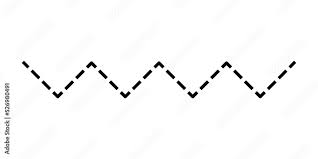
Link Method
Crime scene search method with no set pattern; uses logical links to connect crime activity and evidence.
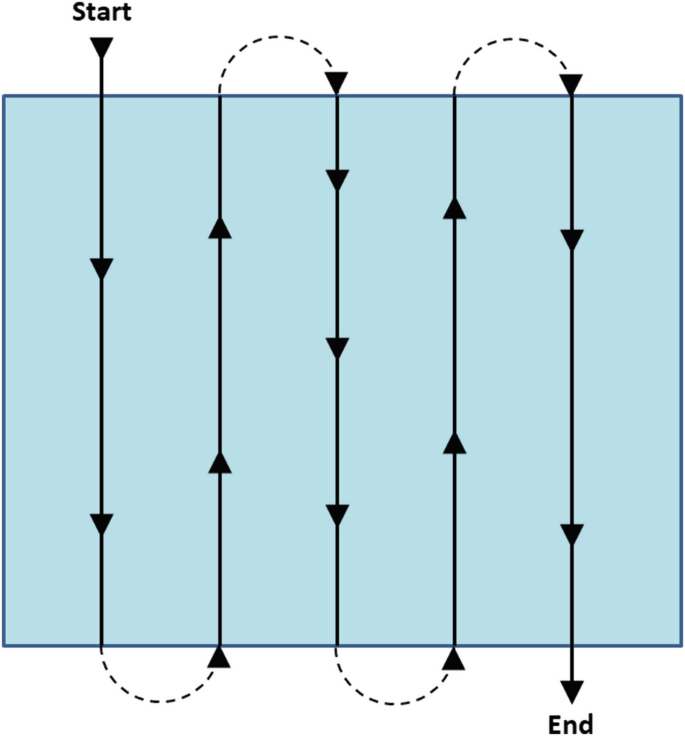
Line Method
Investigates a large outdoor area in straight lines or strips.
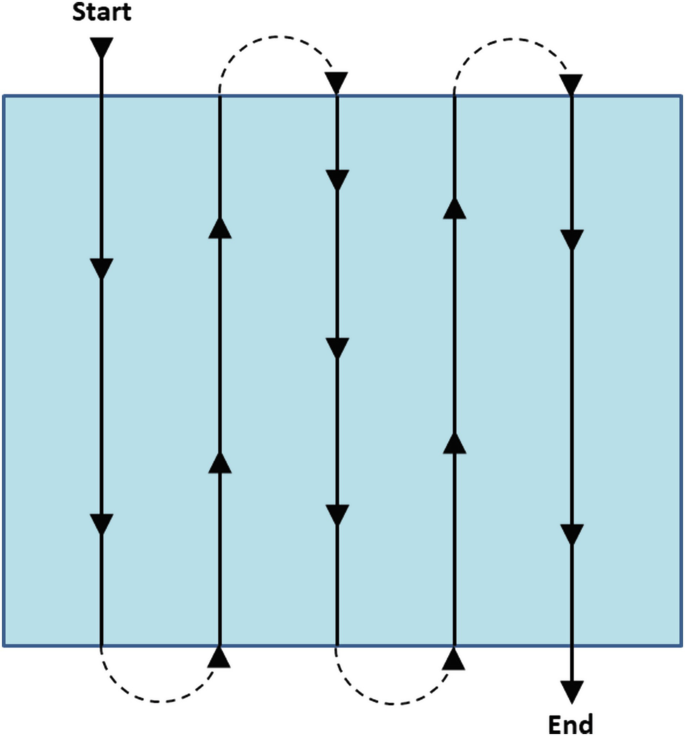
Grid Method
Two groups search a large outdoor area in lines, with one group searching in one direction and the other group in the opposite direction.
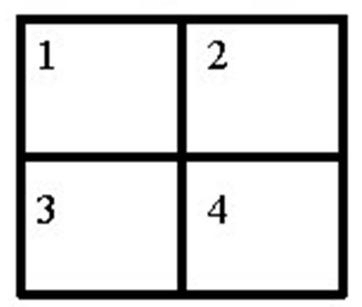
Zone Method
A crime scene search method where team members are assigned specific sections in small indoor areas.
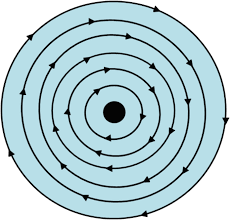
Spiral Method
Crime scene search method starting from a critical point and spiraling outwards or inwards.
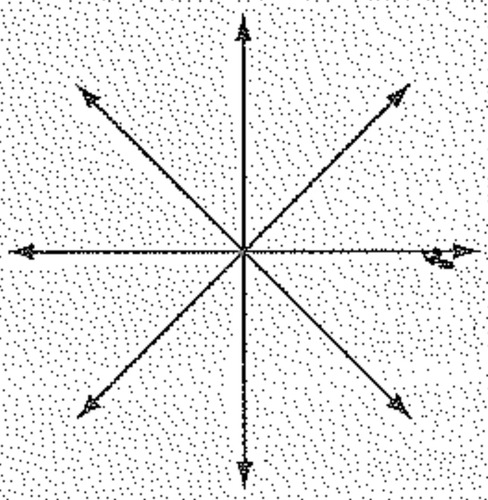
Wheel/Ray Method
Search method that involves moving outward from a critical point in a circular fashion.
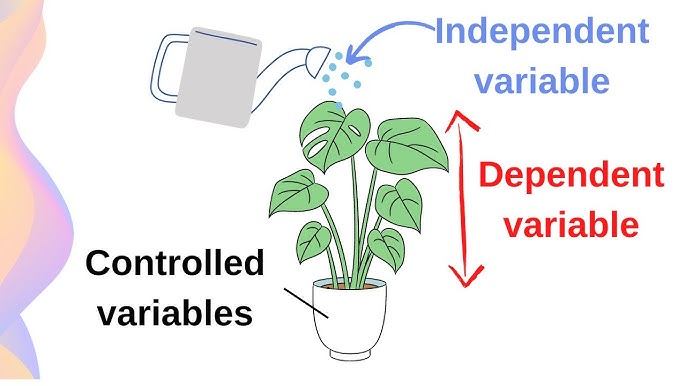
Independent Variable
The variable that is manipulated in an experiment, such as the intensity of exercise.
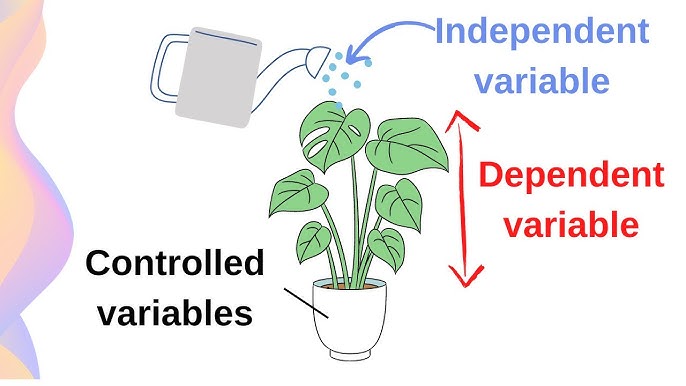
Dependent Variable
The measurable variable in an experiment, such as heart rate.
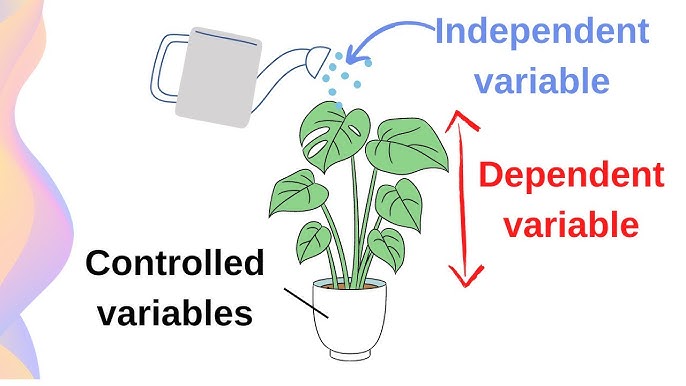
Control Variable
Variables that are kept the same throughout an experiment to ensure valid results.
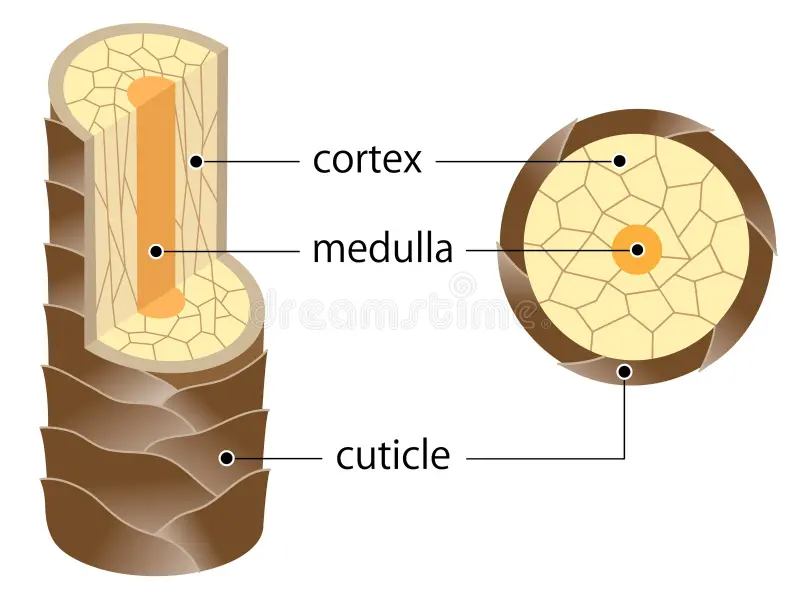
Cuticle
The outermost layer of a hair, which helps protect the inner layers.
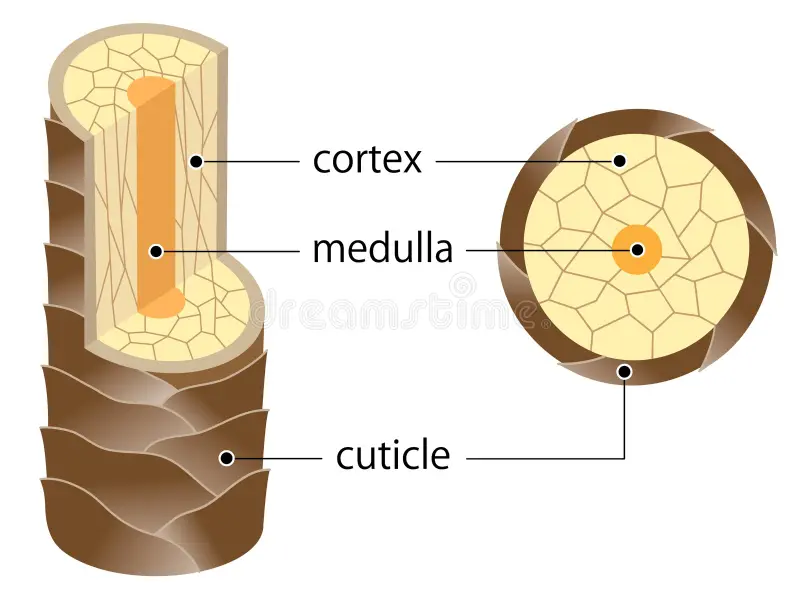
Cortex
The middle layer of hair, containing pigment, density, and size indicators.
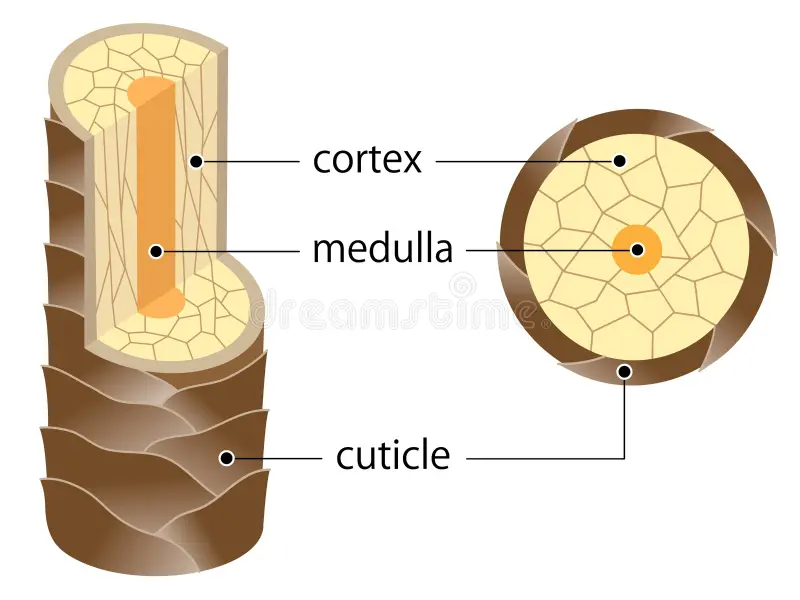
Medulla
The central core of a hair that adds volume and texture.
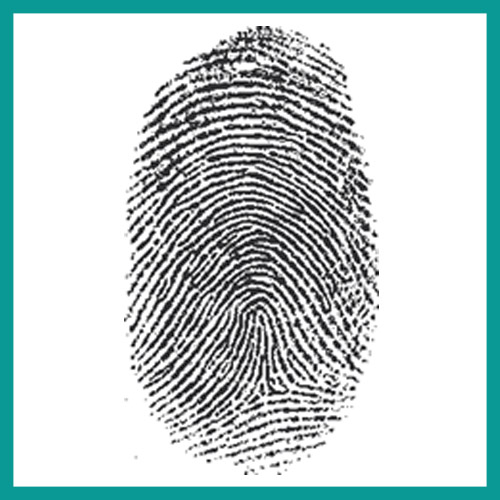
Arch fingerprint
A hair pattern where the ridges slope upward.
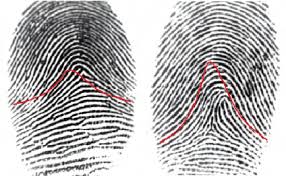
Tented arch fingerprint
A variation of the arch with a dramatic slope.
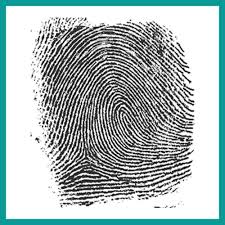
Loop fingerprint
A fingerprint pattern where ridges curve back on themselves.
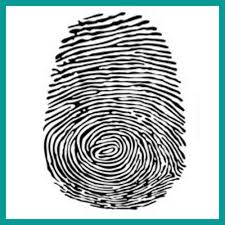
Whorl
A fingerprint pattern that is circular or spiral.
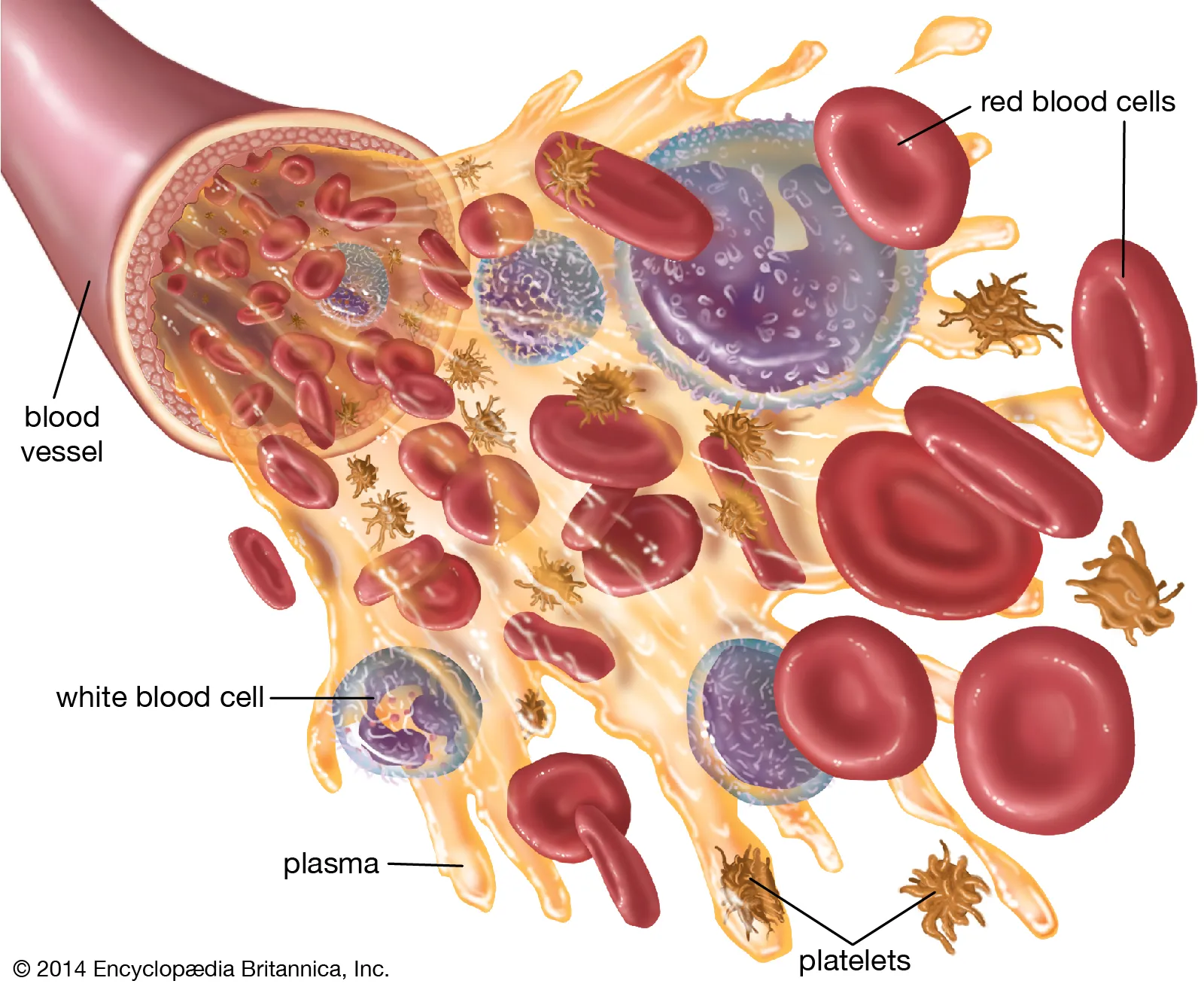
Plasma
The liquid portion of blood that carries nutrients and proteins throughout the body.
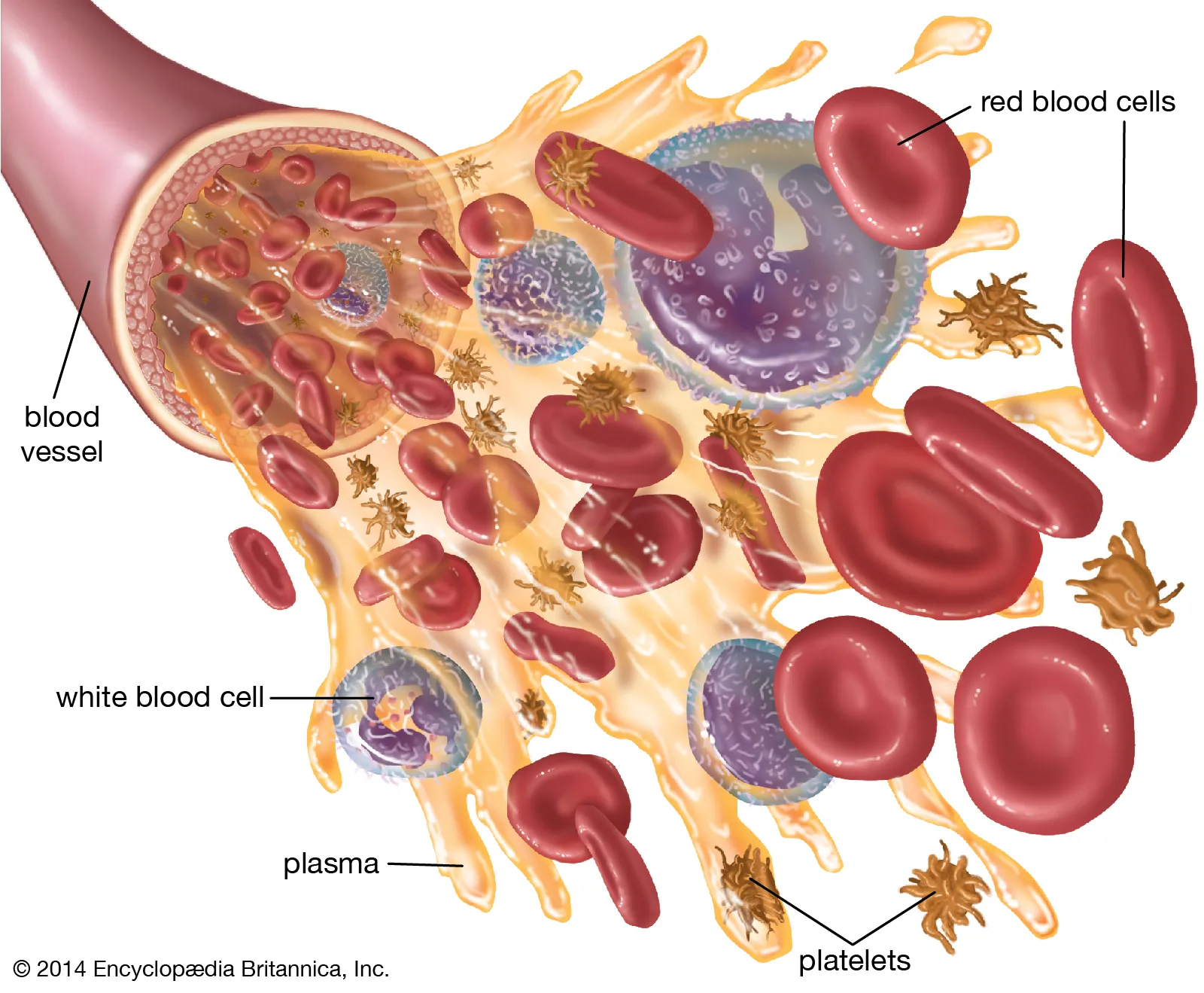
Erythrocyte
Red blood cells that carry oxygen to the lungs and body.
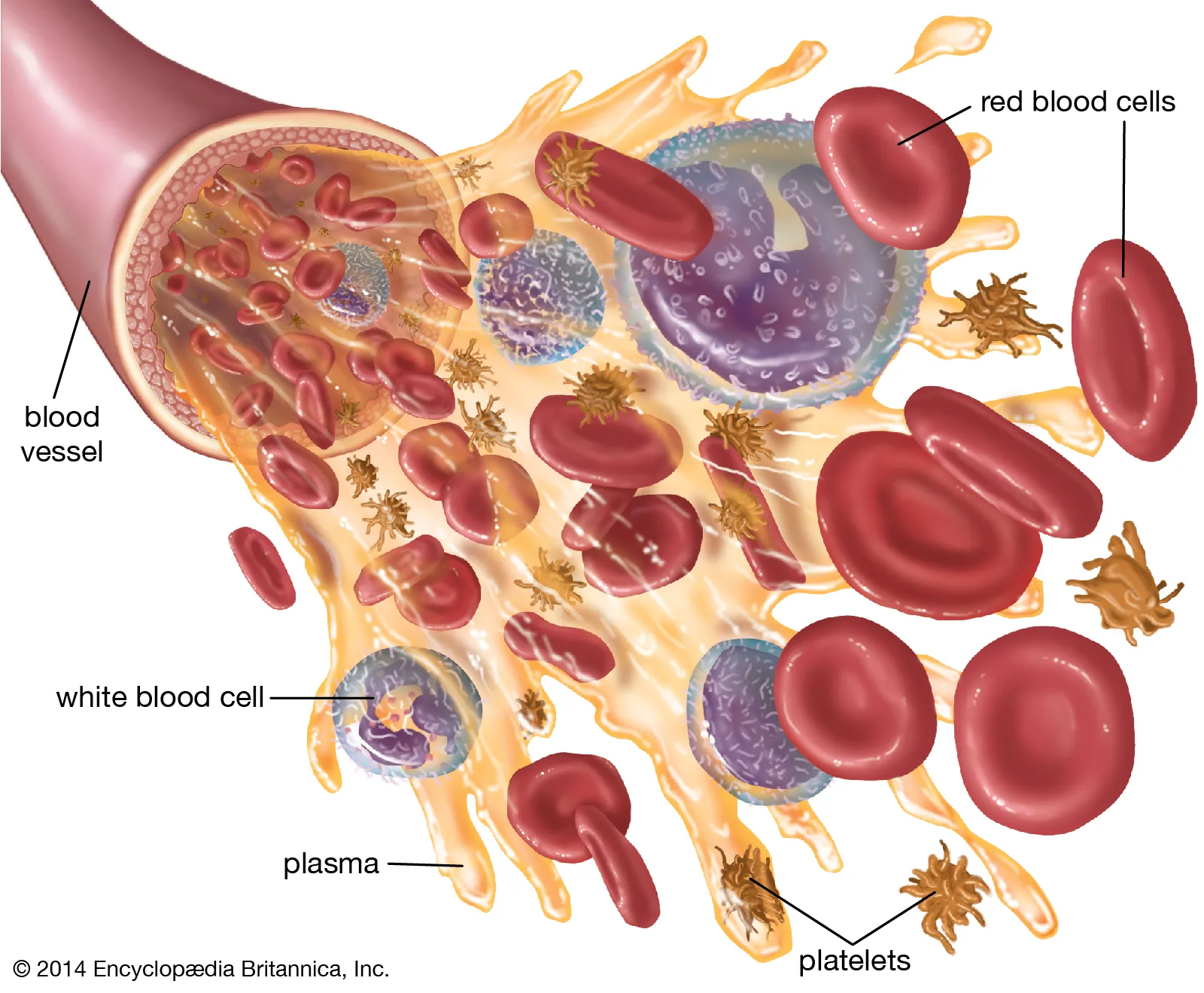
Leukocyte
White blood cells that fight infection.
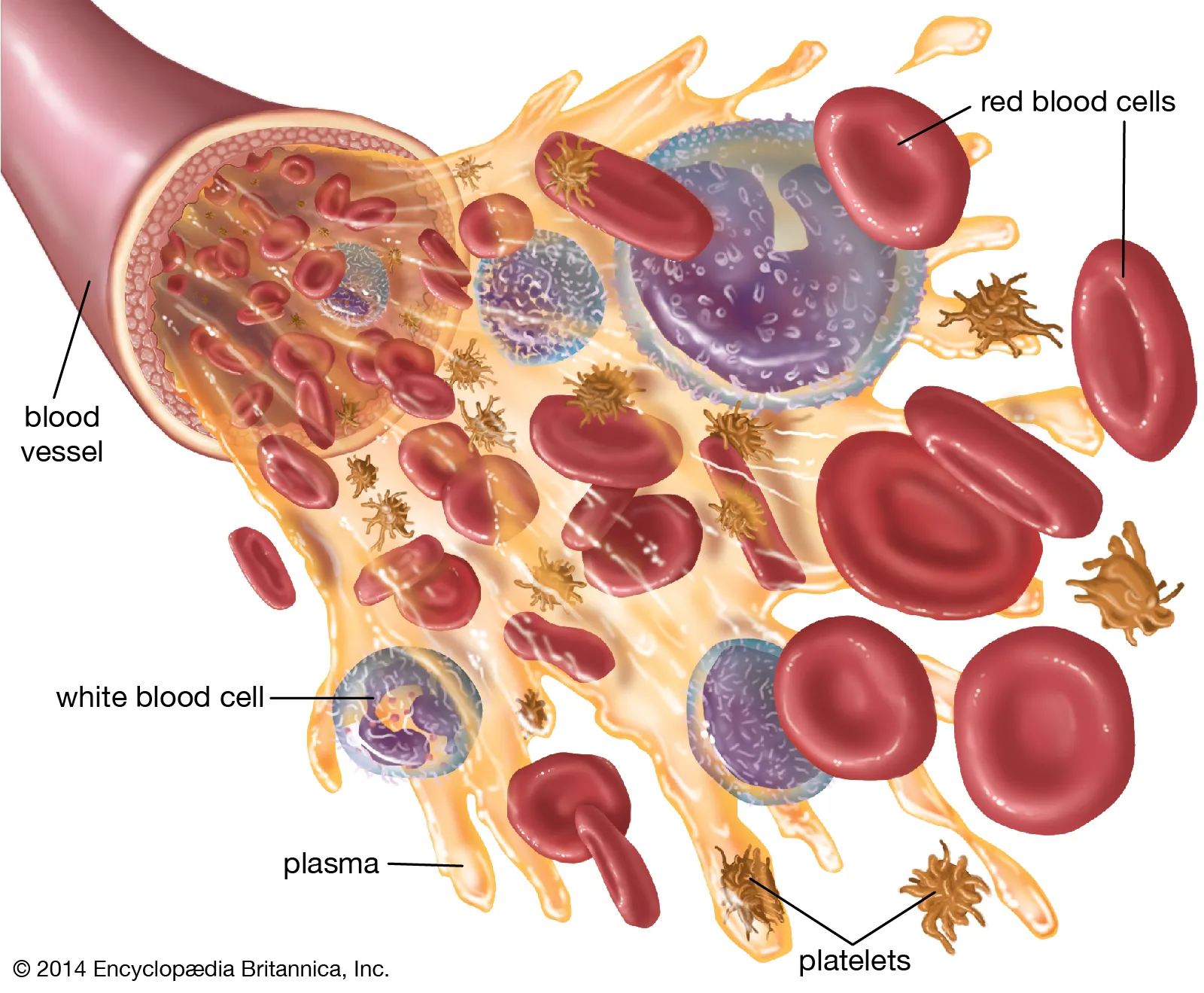
Thrombocyte
Platelets that help stop bleeding by clotting.
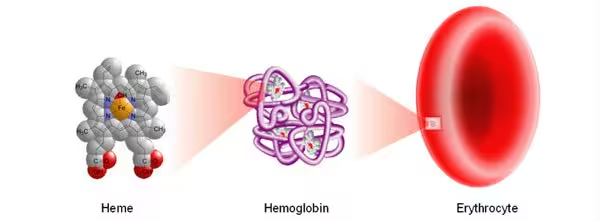
Hemoglobin
A protein in red blood cells that binds and carries oxygen.
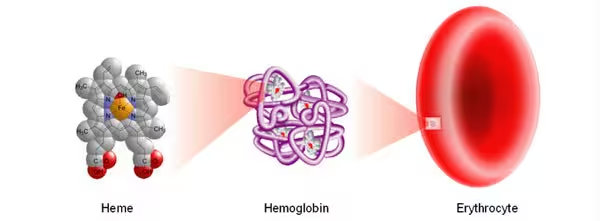
Hematocrit
Percentage of erythrocytes in blood; low levels can indicate anemia.
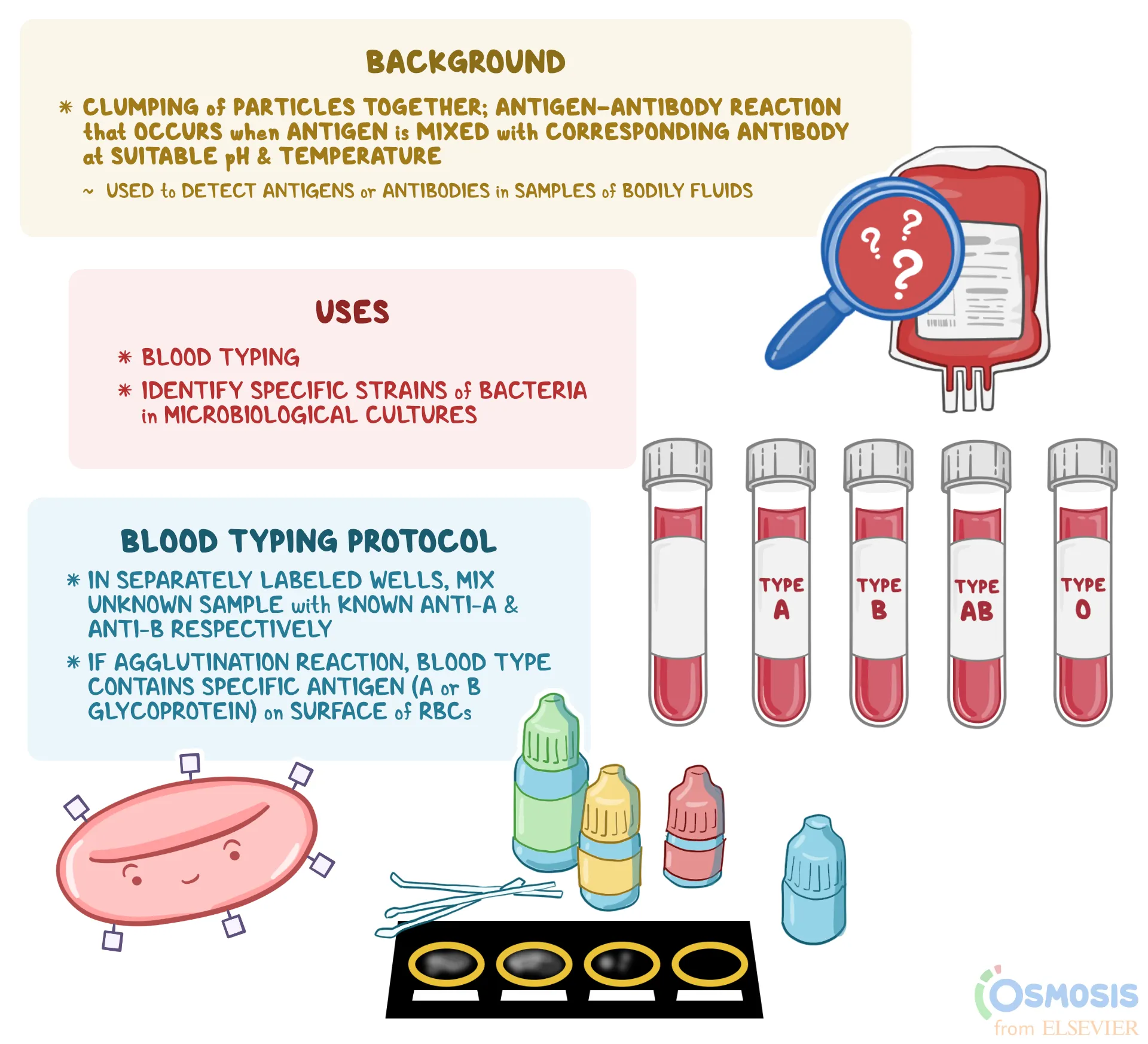
Agglutination
The clumping of erythrocytes.
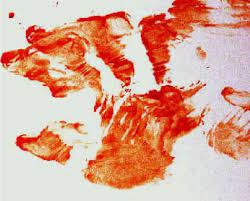
Transfer Blood Spatter
Smear, trail, or smudge created by a handprint or finger contact with blood.
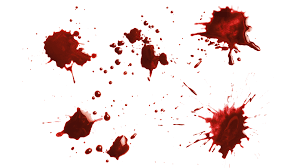
Spatter Blood
Blood traveling through the air before landing.
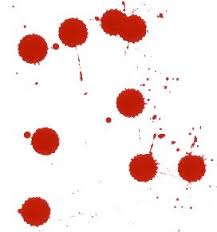
Falling Droplet Blood Spatter
Blood dropped directly from above, creating a circular stain.
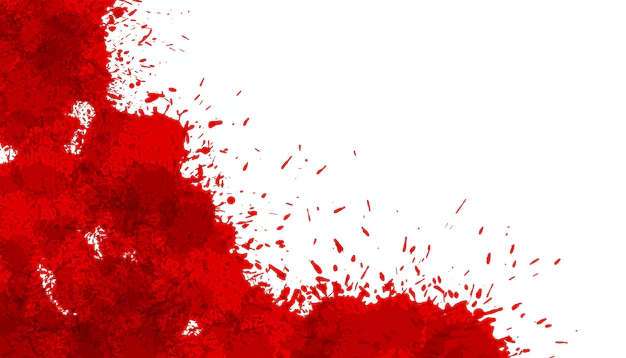
Radical Spatter
Blood spatter resulting from a large impact and high speed.
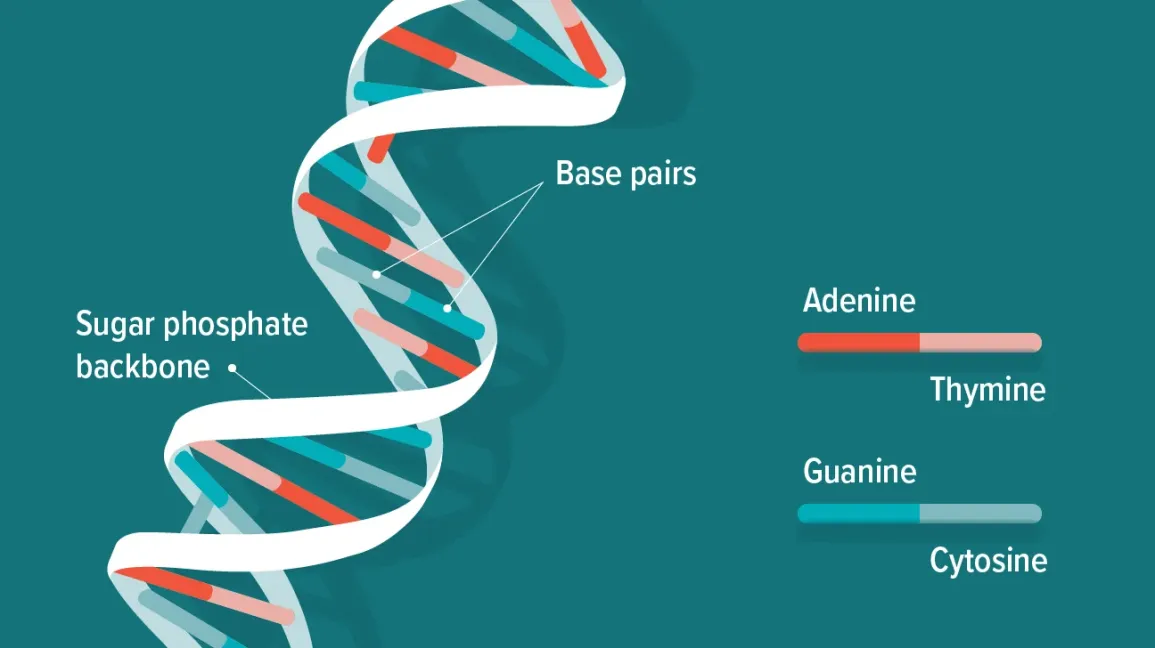
DNA
A negatively charged structure found in all living things, forming a double helix and housed in the nucleus.
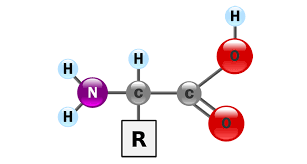
Amino Acid
The building block of proteins and DNA.
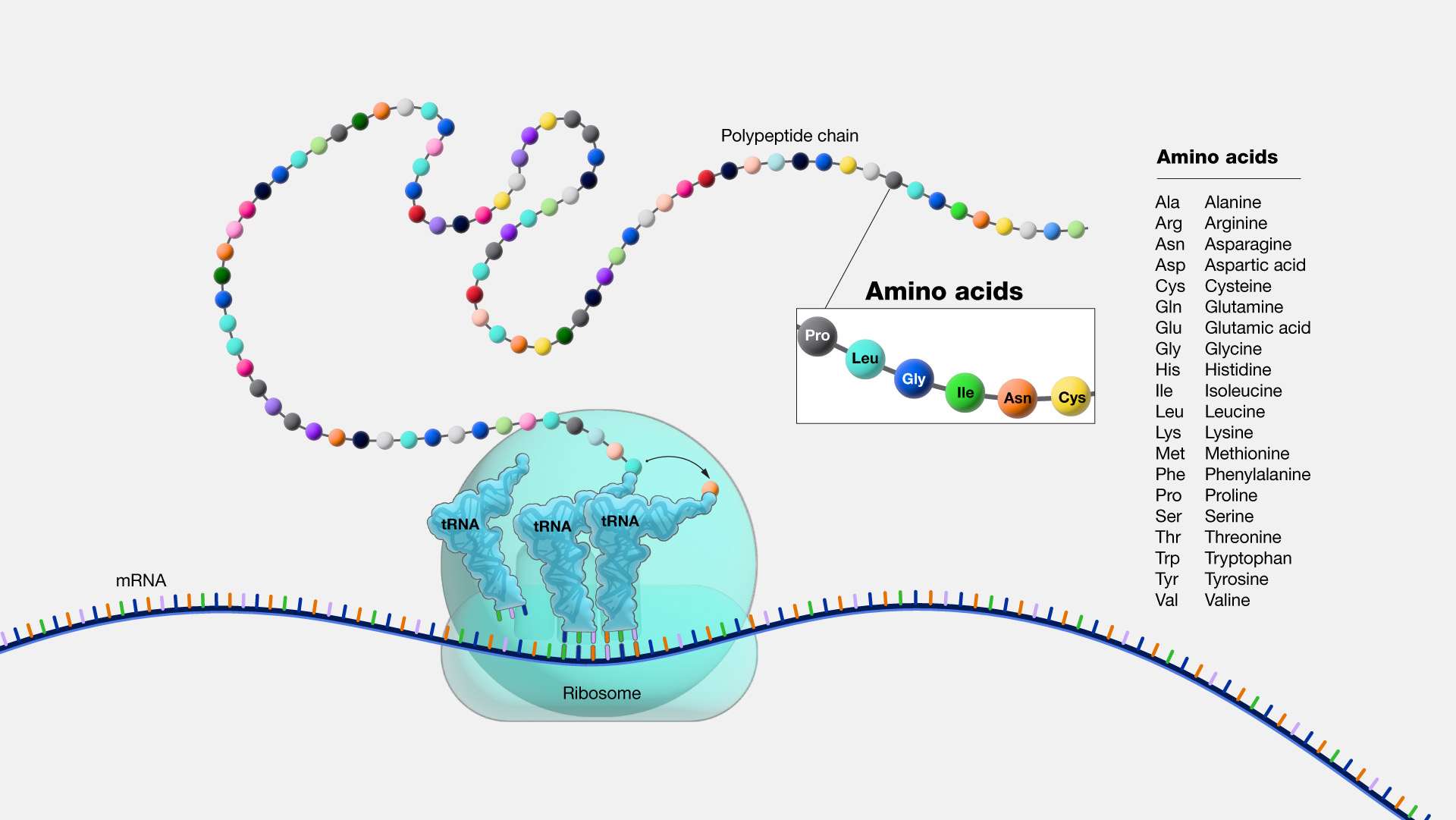
Ribosome
Cell structure that assembles proteins.
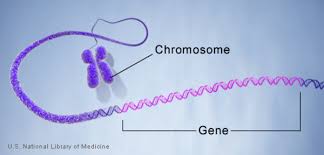
Gene
A set of instructions for building proteins.
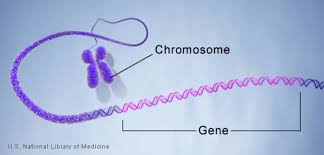
Chromosome
Tightly coiled packages of DNA.
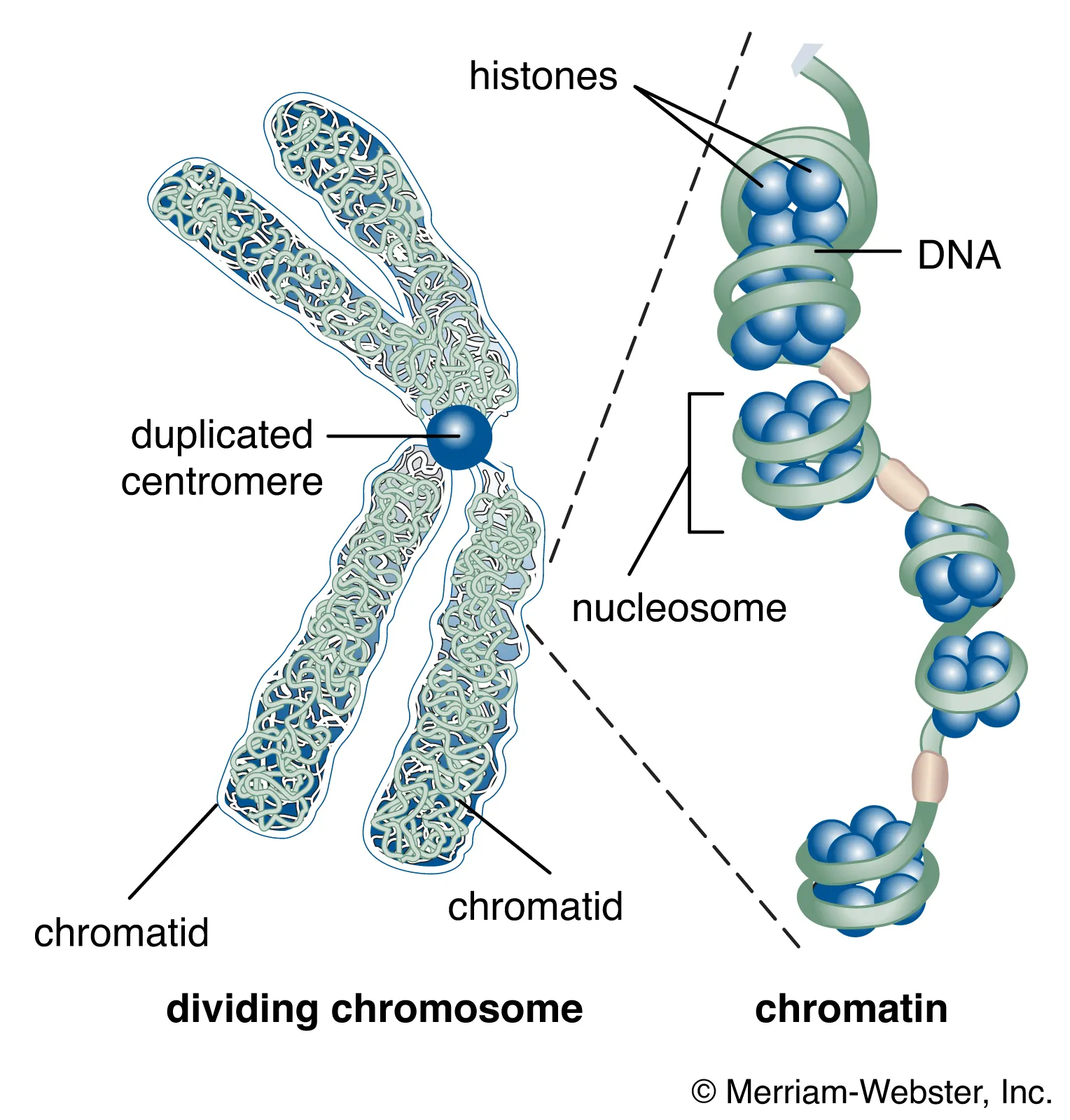
Histone
Proteins around which DNA strands wrap.
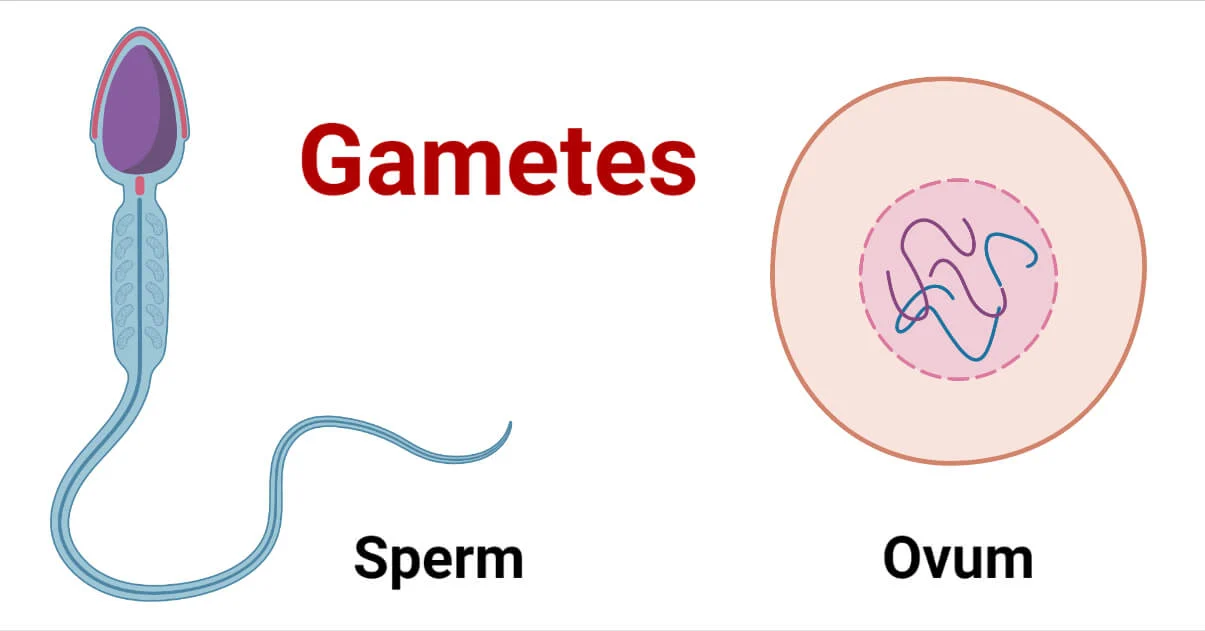
Gamete
Sperm or egg cell.
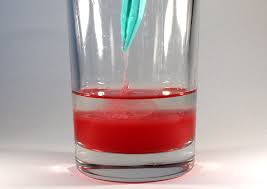
DNA Extraction
The process of breaking open cells to find DNA within the nucleus.
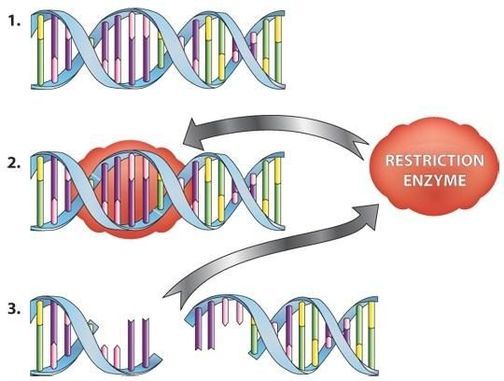
Restriction Enzymes
Molecular scissors that cut DNA at specific recognition sites.
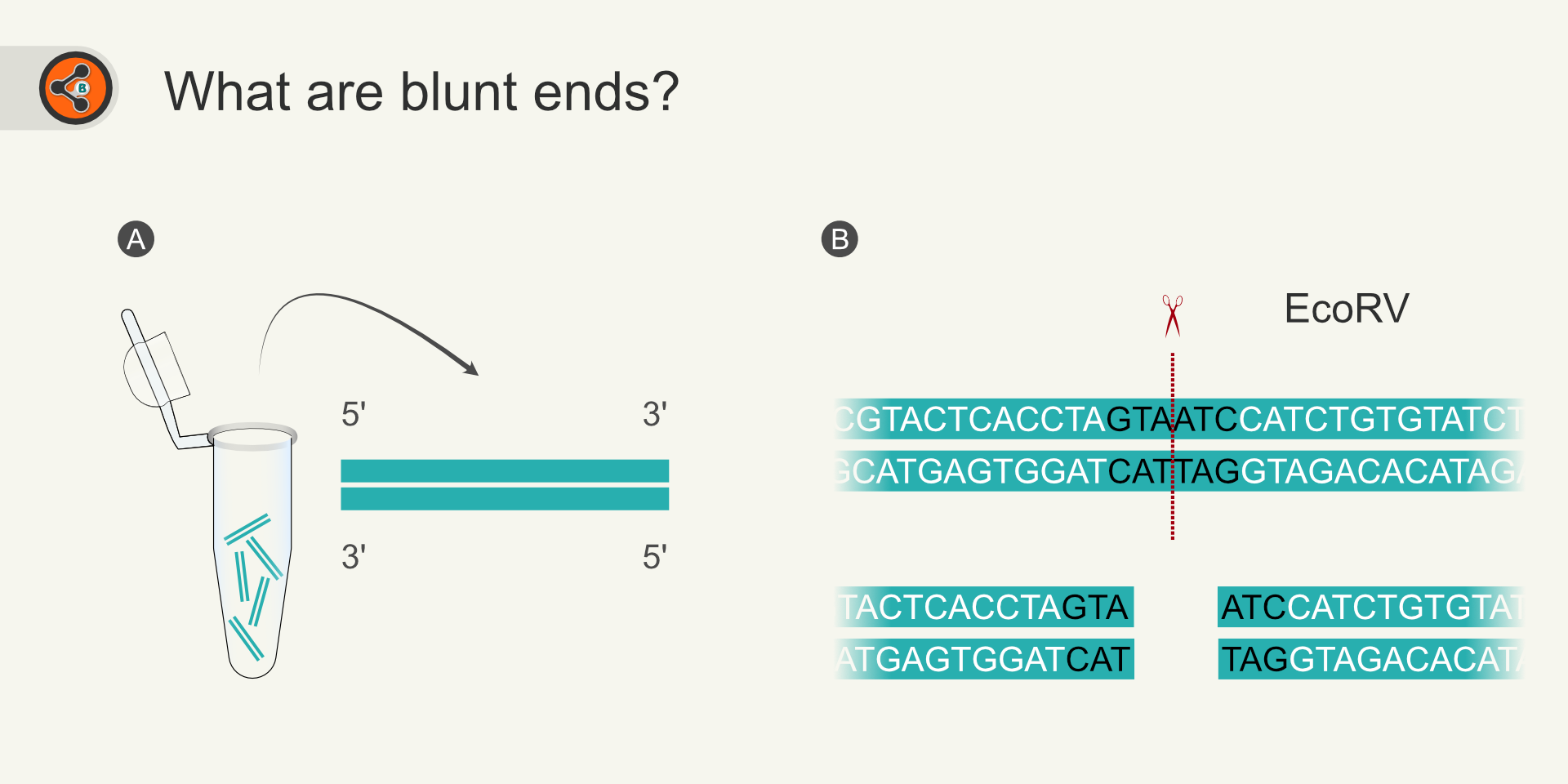
Blunt Ends
DNA ends created when restriction enzymes cut straight through recognition sites.
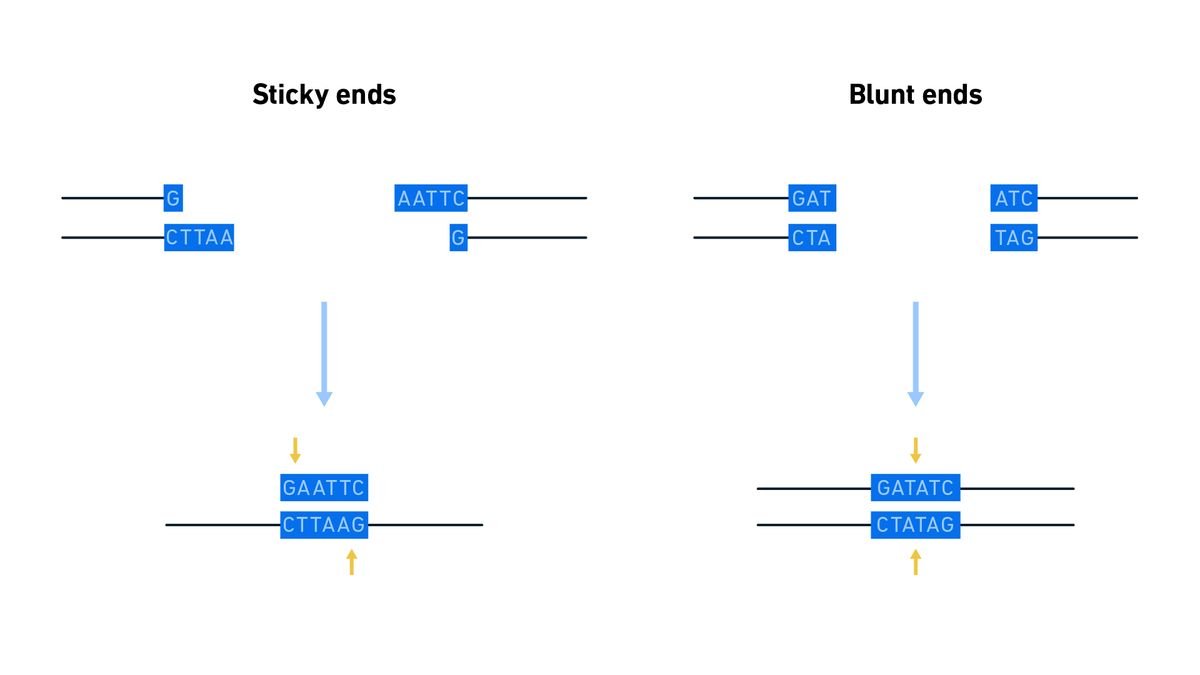
Sticky Ends
DNA ends created by jagged cuts made by restriction enzymes.
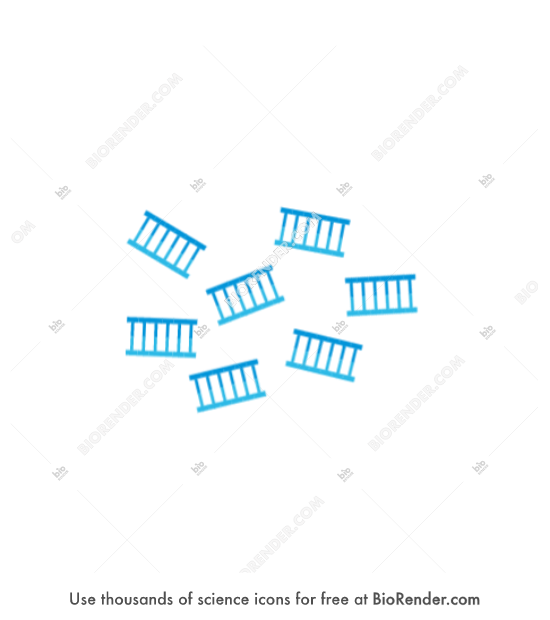
DNA Fragments
Small pieces of DNA resulting from restriction enzyme digestion.
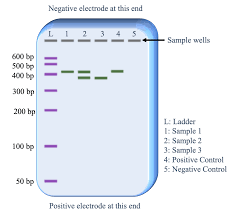
Gel Electrophoresis
A technique that separates and analyzes digested DNA fragments by size.
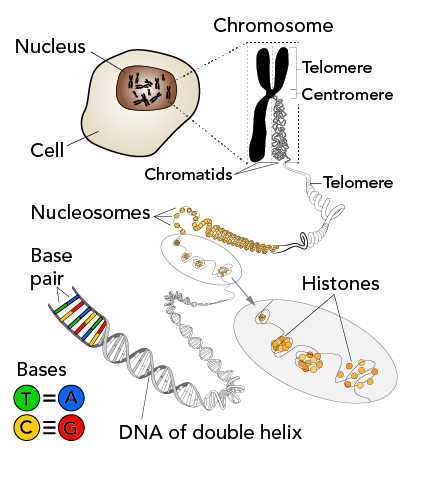
Sources of DNA Extraction
Leukocytes, bones, hair, preserved body parts, clothing/fiber, saliva/body fluids.
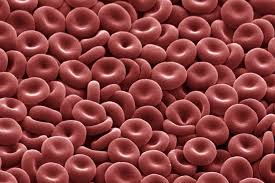
Non-sources of DNA extraction
Erythrocytes do not contain a nucleus and, therefore, do not have DNA.
experimental design step 1
Identify the question
experimental design step 2
make a prediction
experimental design step 3
design an experiment
experimental design step 4
conduct experiment
experimental design step 5
analyze data
experimental design step 6
communicate findings
conversion factor
desired unit/given unit