Physics- electrical circuits
 Call Kai
 Learn
 Practice Test
 Spaced Repetition
 Match
 Flashcards
 Knowt Play
1/34

Earn XP
Description and Tags
Electrical circuits
35 Terms
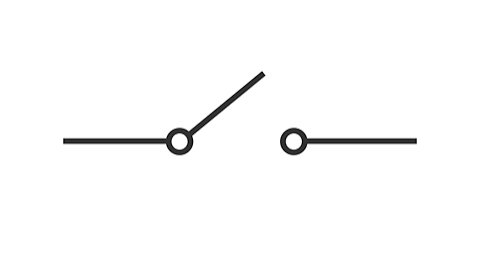
Switch
Connects or disconnects the path that allows current to flow or not

Cell
Converts electrical energy into chemical energy and is the power supply to the circuit
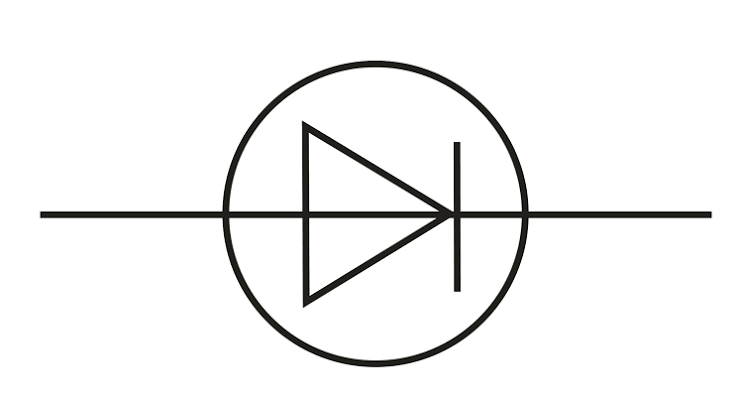
Diode
Controls which way the current flows

Resistor
Limits the flow of the current by creating resistance

Variable resistor
Can be adjusted to control the voltage or flow of current
Current
The flow of electrons through the circuit
Resistance
Opposes the current

Fuse
Breaks the circuit by melting if the current becomes to high and hot
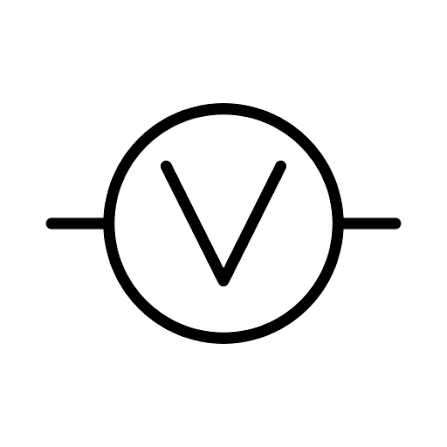
Voltmeter
Measures the voltage
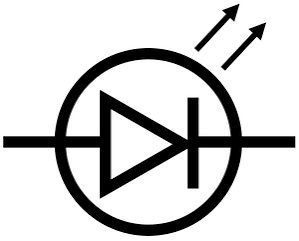
Led
Emits light when direct current passes through it

Ldr
Resistance decreases as light intensity increases

Ac power supply
Provides alternating current
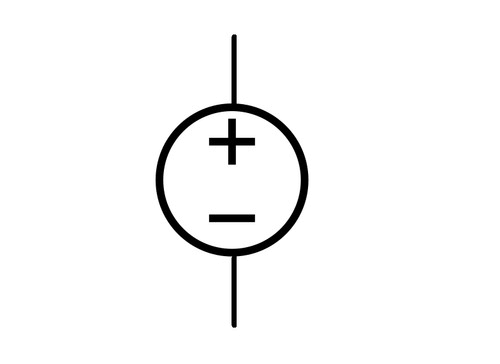
Dc power supply
Provides direct current

Variable dc power supply
Provides direct current with an adjustable voltage

Lamp
Coverts electrical energy into light and heat energy

Ammeter
Measures current

Thermistor
Resistance changes with the temperature
Voltage
The energy transferred per unit of charge between two points
Alternating current
Charge that can flow back and forth
Direct current
Charge that can only flow one way
What must An ammeter be connected in?
Series
What must a voltmeter be connected in?
Parallel
What happens between voltage in a series circuit?
It is shared between components
What happens between current in a series circuit?
It is equal
What happens between current in a parallel circuit?
It is shared between components
What happens between voltage in a parallel circuit?
It is equal
What happens to resistance in series
It increases
What happens to resistance in parallel
It decreases
Resistance in series equation
R=R1+R2
Resistance in parallel circuit equation
1/R=1/R1+1/R2

Iv graph
Filament lamp graph
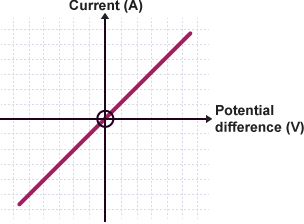
Iv graph
Resistor graph

Iv graph
Led graph
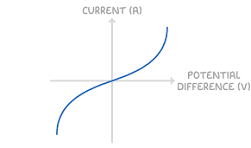
Iv graph
Thermistor graph
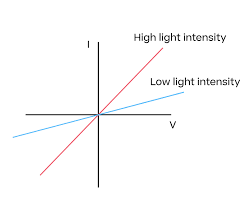
Iv graph
Ldr graph