Lab #3 - Blood Pressure
 Call Kai
 Learn
Learn Practice Test
 Spaced Repetition
 Match
Match Flashcards
 Knowt Play
1/42

There's no tags or description
Looks like no tags are added yet.
Name | Mastery | Learn | Test | Matching | Spaced | Call with Kai | Chat |
|---|
No analytics yet
Send a link to your students to track their progress
43 Terms
Hypertension
Elevated blood pressure
Hypotension
Low blood pressure
Blood Pressure
Force exerted by blood on the walls of blood vessels
What is the formula for blood pressure?
Blood Pressure = Cardiac Output x Peripheral Resistance
Systolic Pressure
Ventricular contraction
Diastolic Pressure
Ventricular relaxation
“Normal” Blood Pressure
120/80 mm Hg
Sphygmomanometer
Blood pressure cuff
Systolic position
Top number
Diastolic position
Bottom number
“Elevated” Blood Pressure
120-129/<80
Stage 1 Hypertension
130-139/80-89
Stage 2 Hypertension
>140/≥90
Severe Hypertension
>180/>120 + No symptoms
Hypertensive Emergency
>180/>120 + Symptoms
Consequences of high blood pressure
Stroke, Heart Failure, Erectile Dysfunction, Vision Loss, Heart Attack, Kidney Disease/Failure
Lub
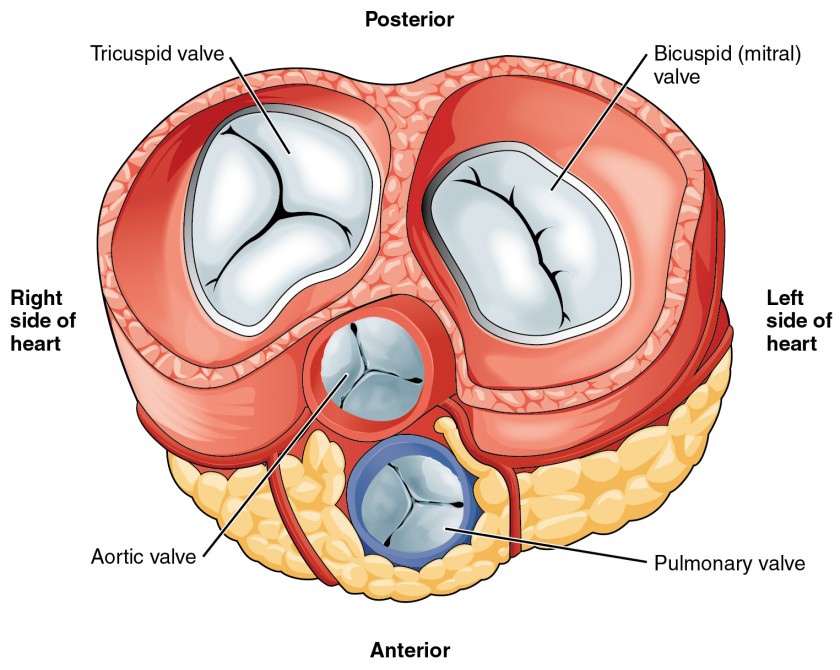
Closing of AV valves
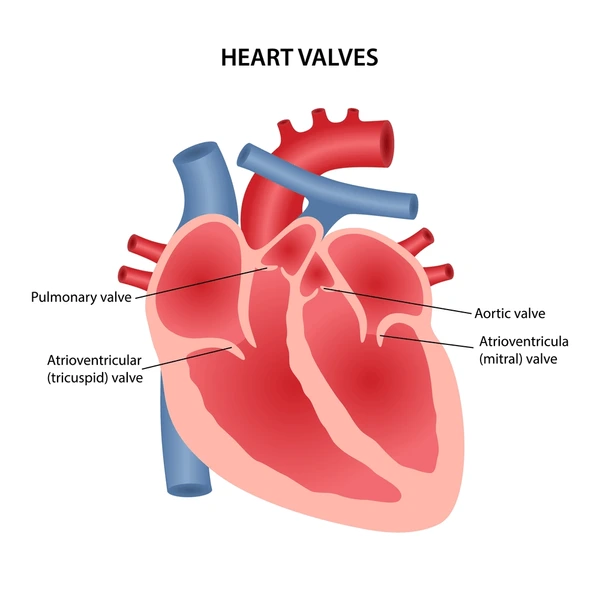
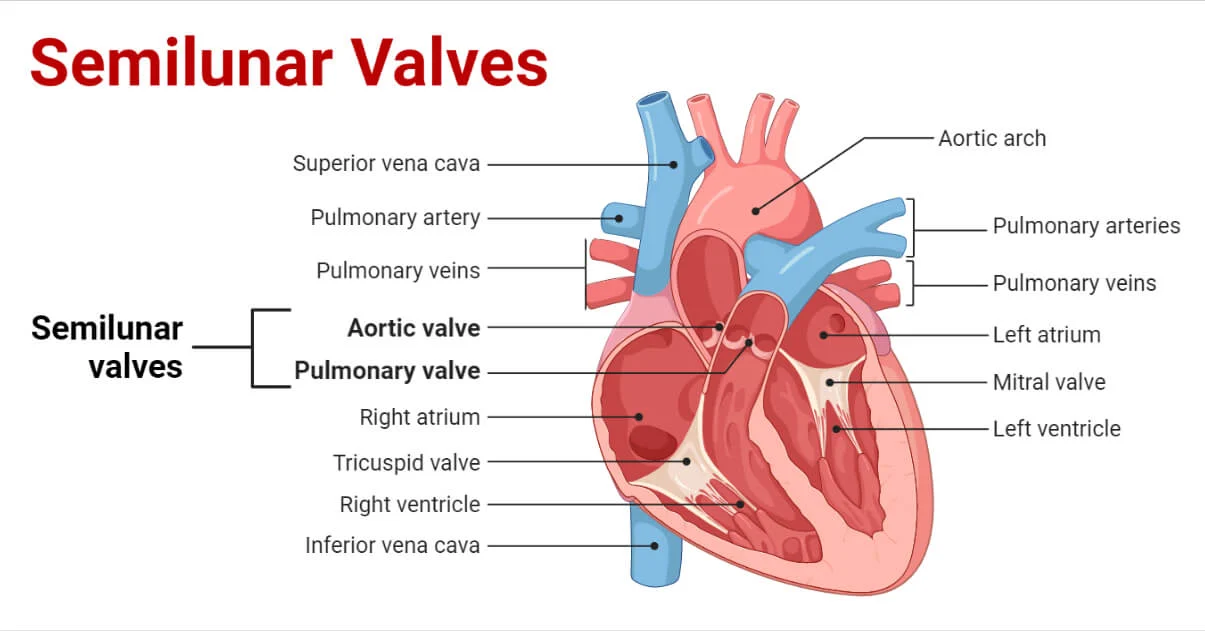
Dup
Closing of semilunar valves
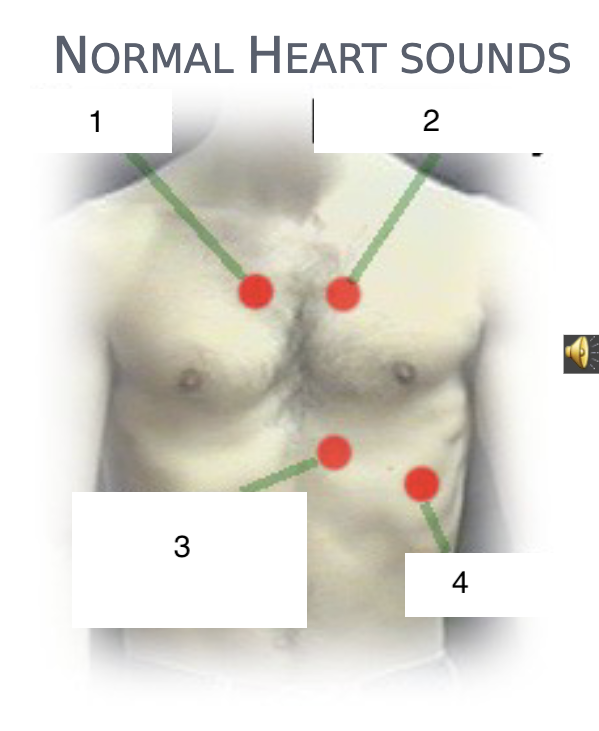
What is heard when a stethoscope is placed at #1?
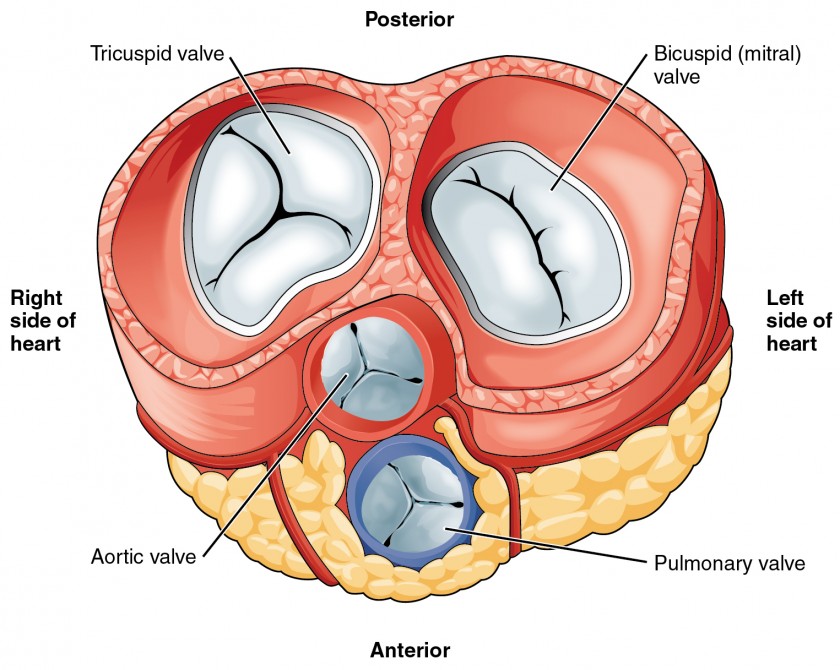
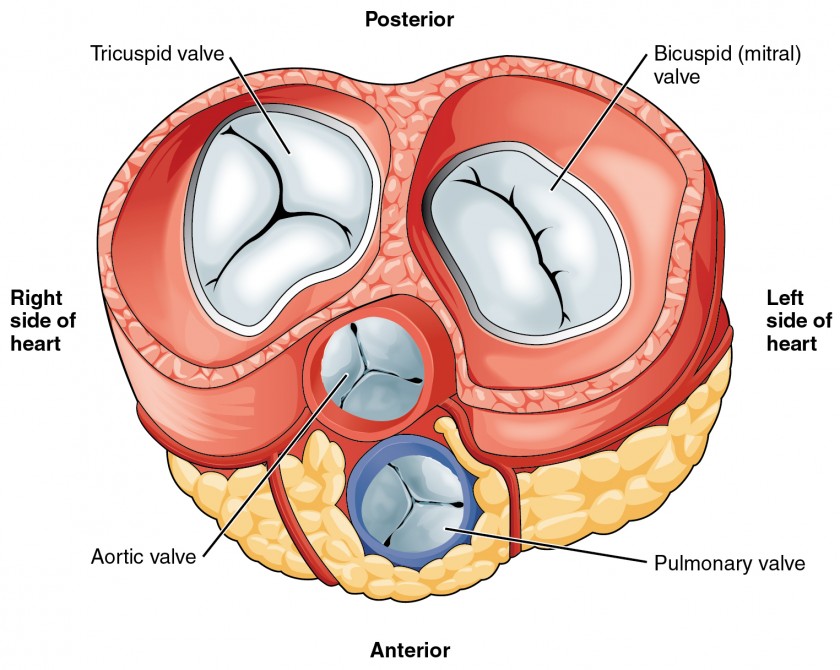
Sounds of the aortic semilunar valve.
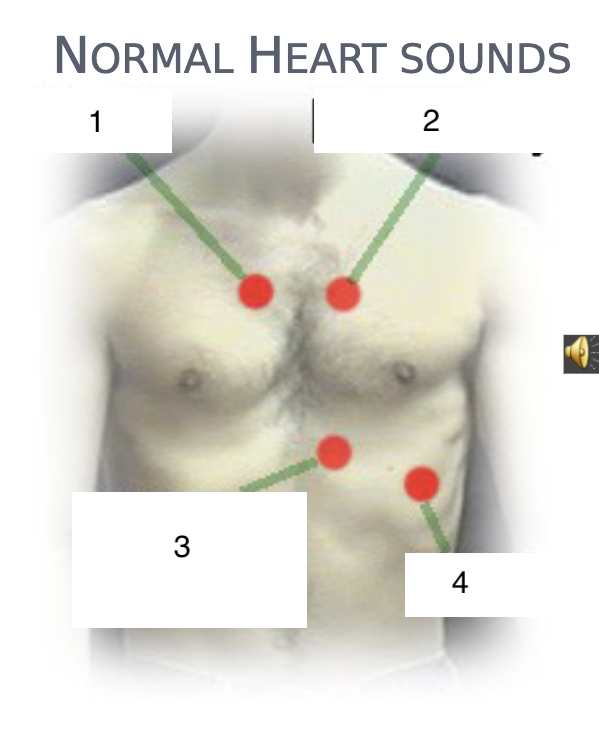
What is heard when a stethoscope is placed at #2?
Sounds of the pulmonary semilunar valve.
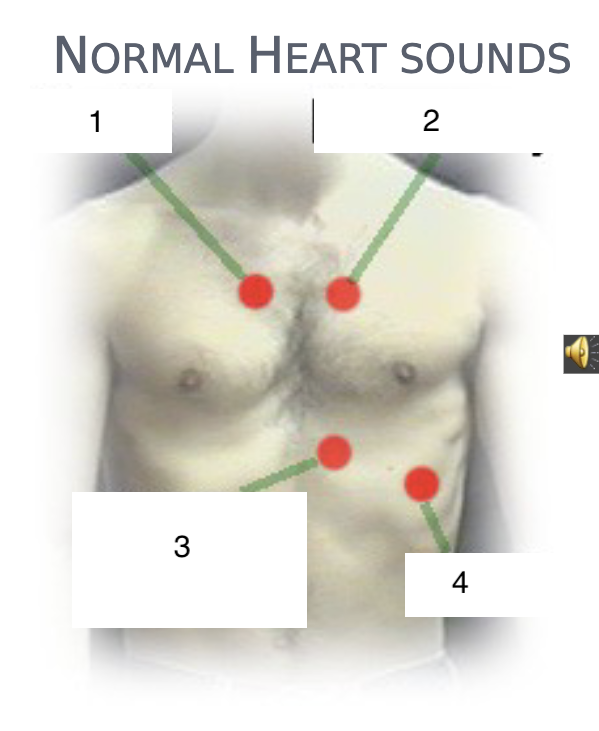
What is heard when a stethoscope is placed at #3?
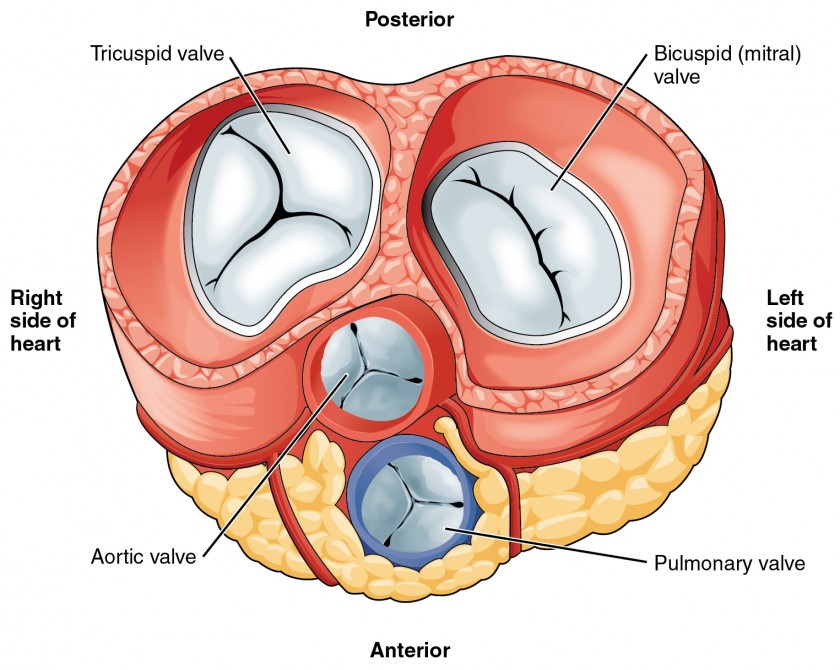
Sounds of the tricuspid valve.
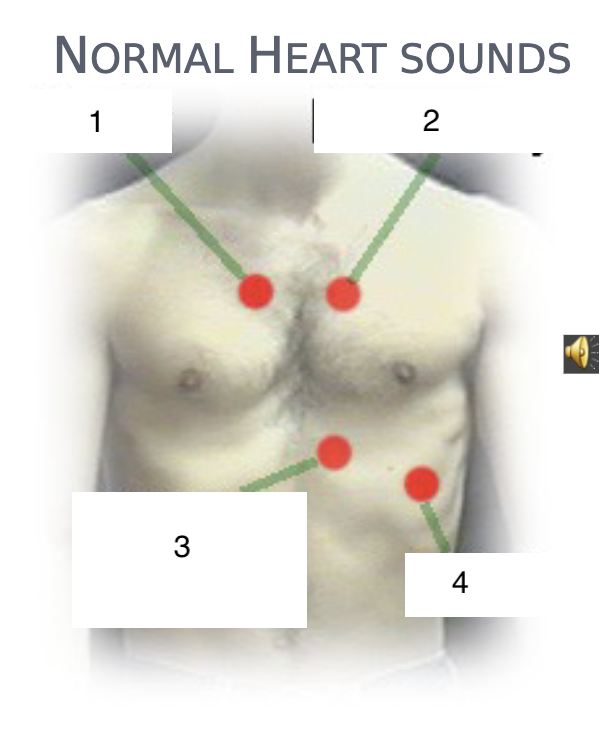
What is heard when a stethoscope is placed at #4?
Sounds of the mitral valve.
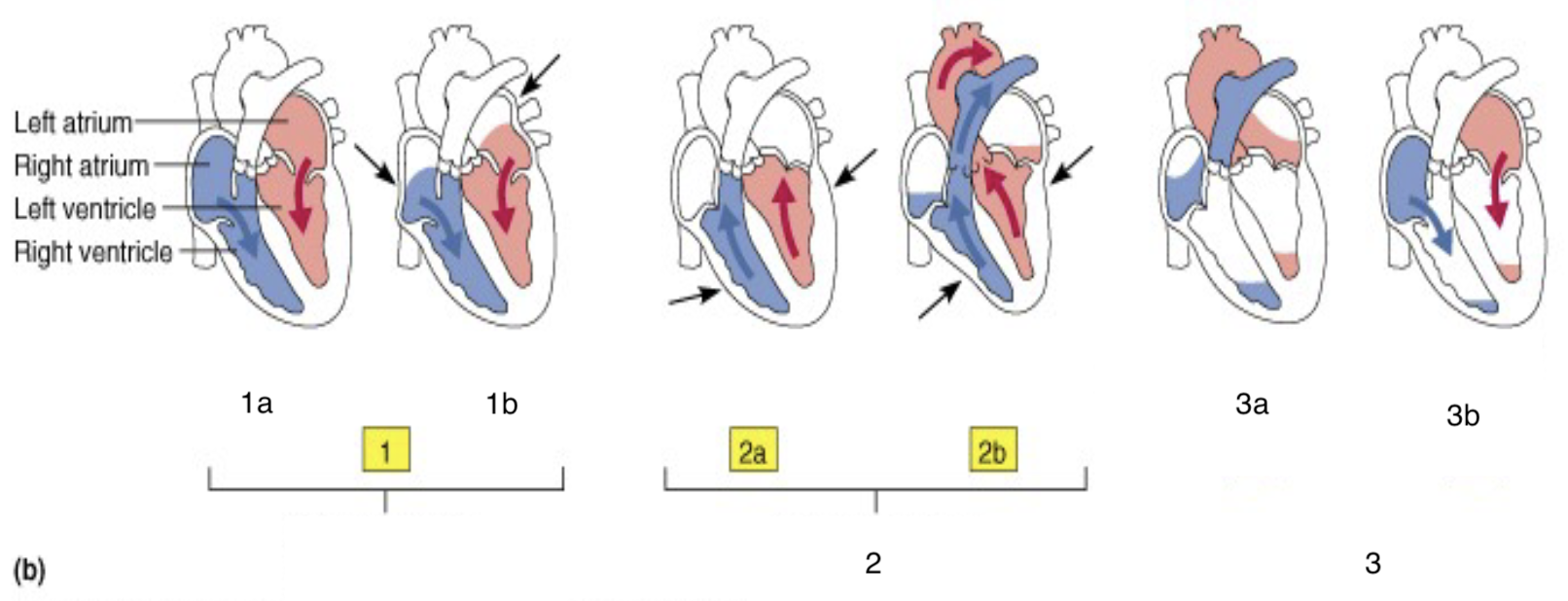
What is #1 in this image?
Mid-Late Diastole
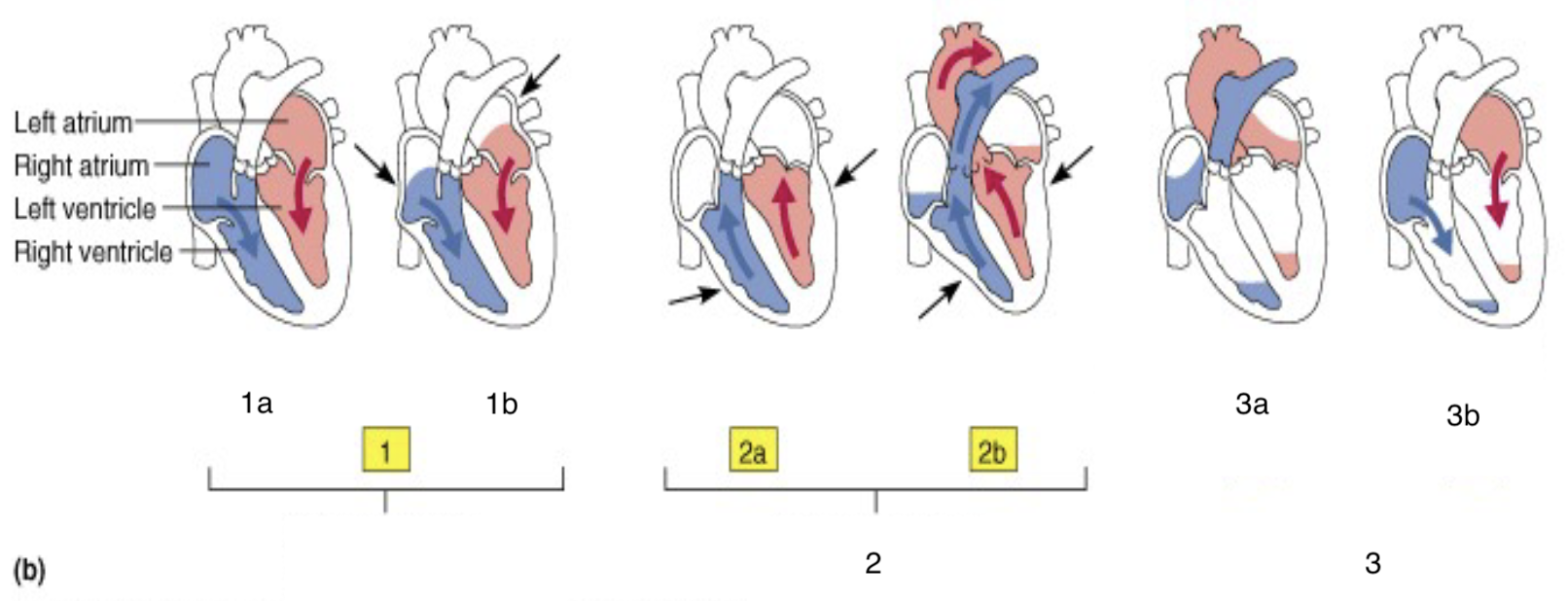
What is #1a in this image?
Ventricular Filling
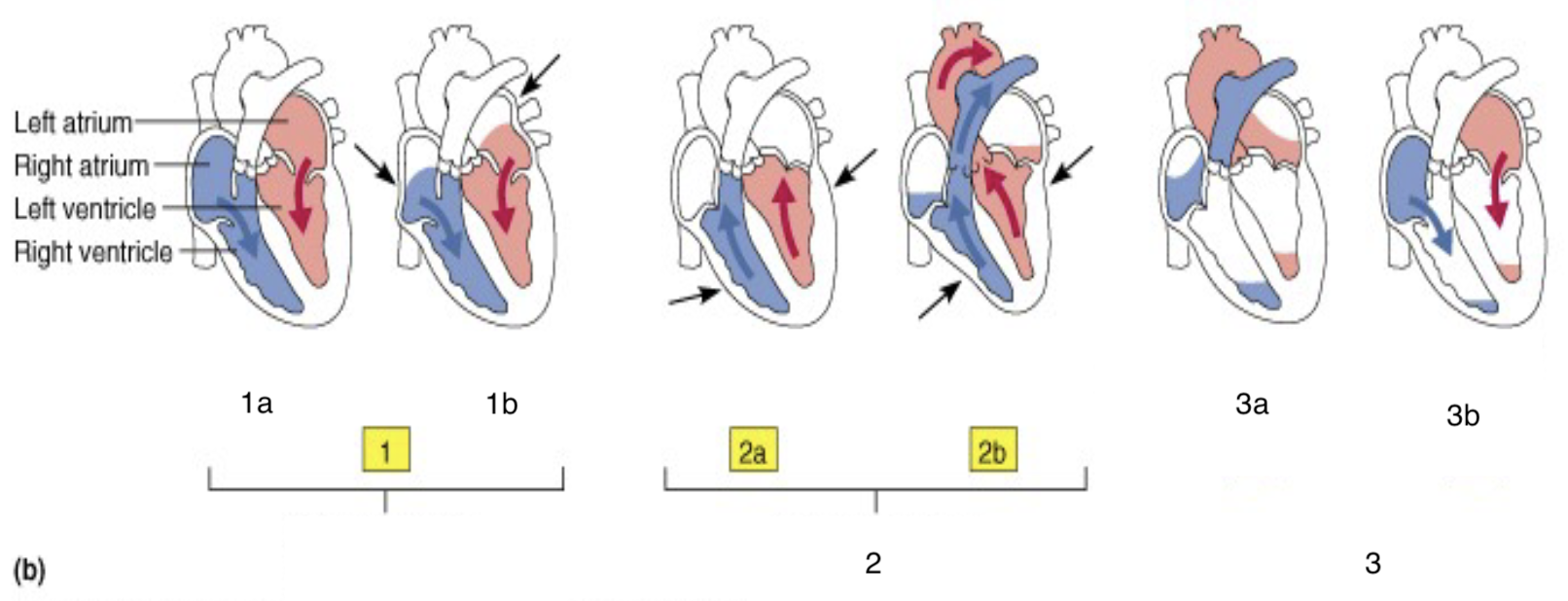
What is #1b in this image?
Atrial Contraction
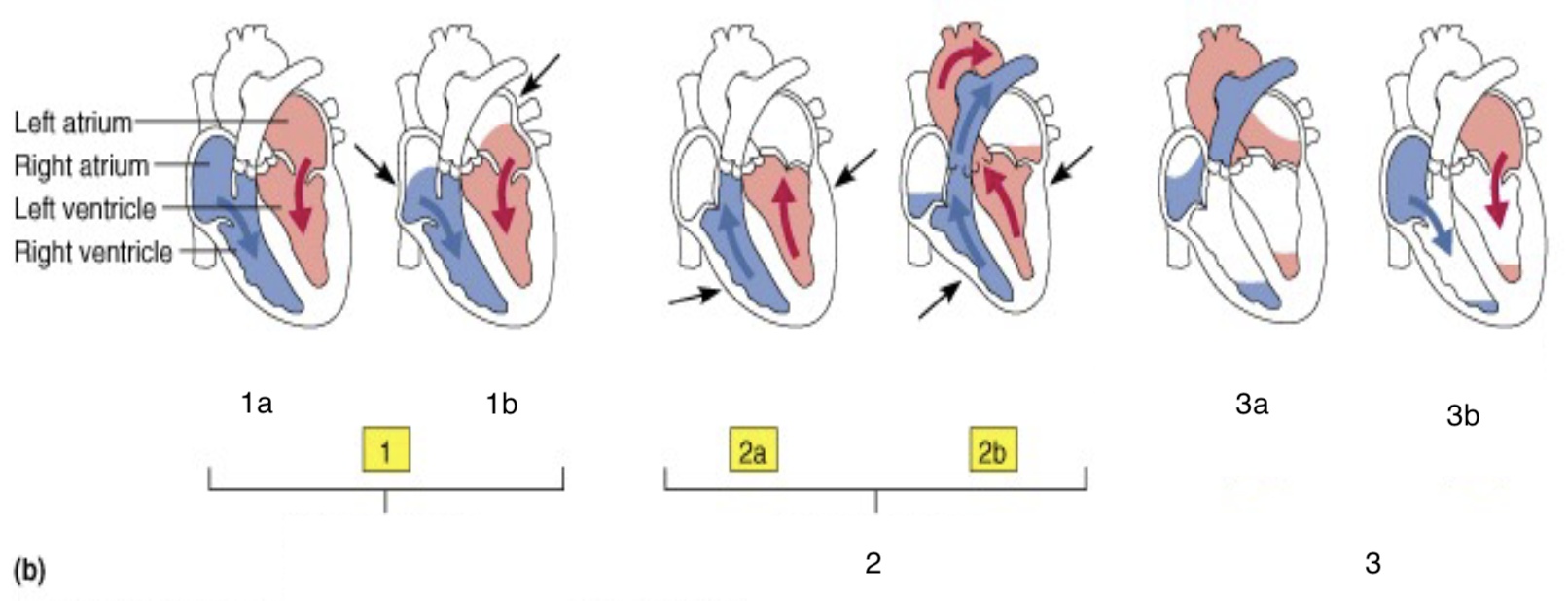
What is #2 in this image?
Ventricular Systole (Atria in Diastole)
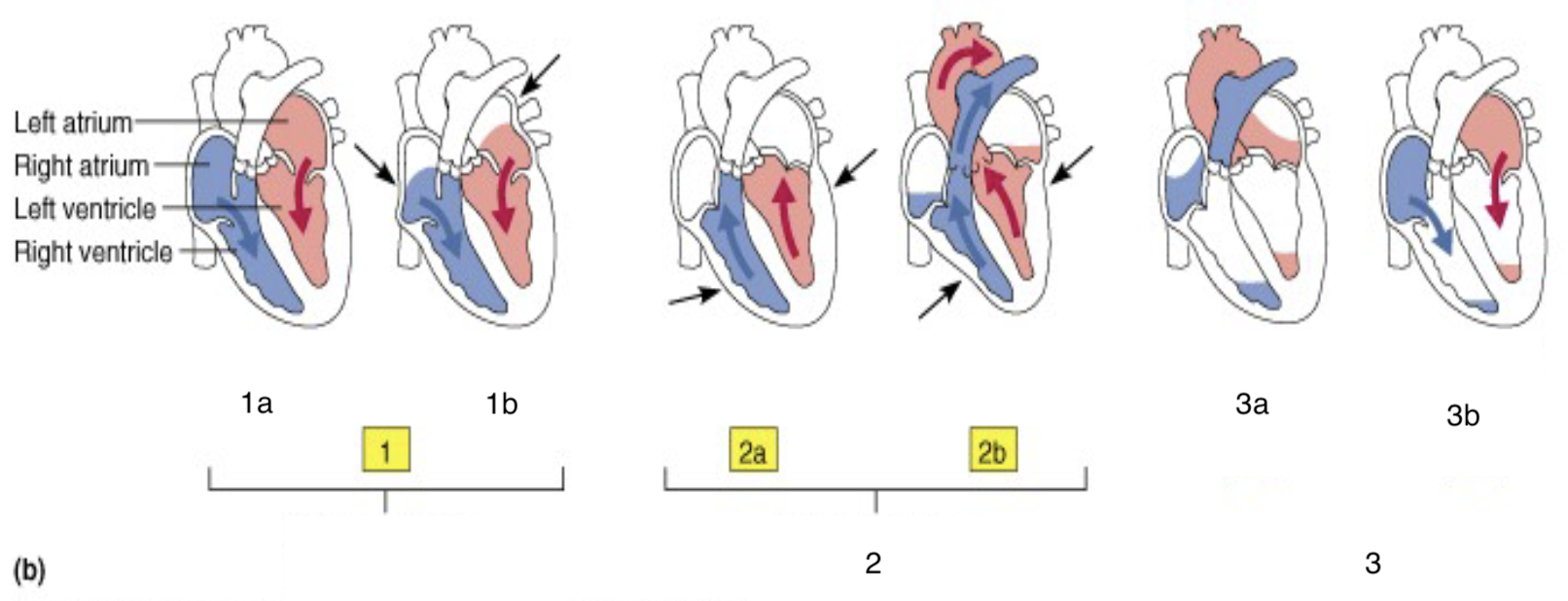
What is #2a in this image?
Isovolumetric contraction phase
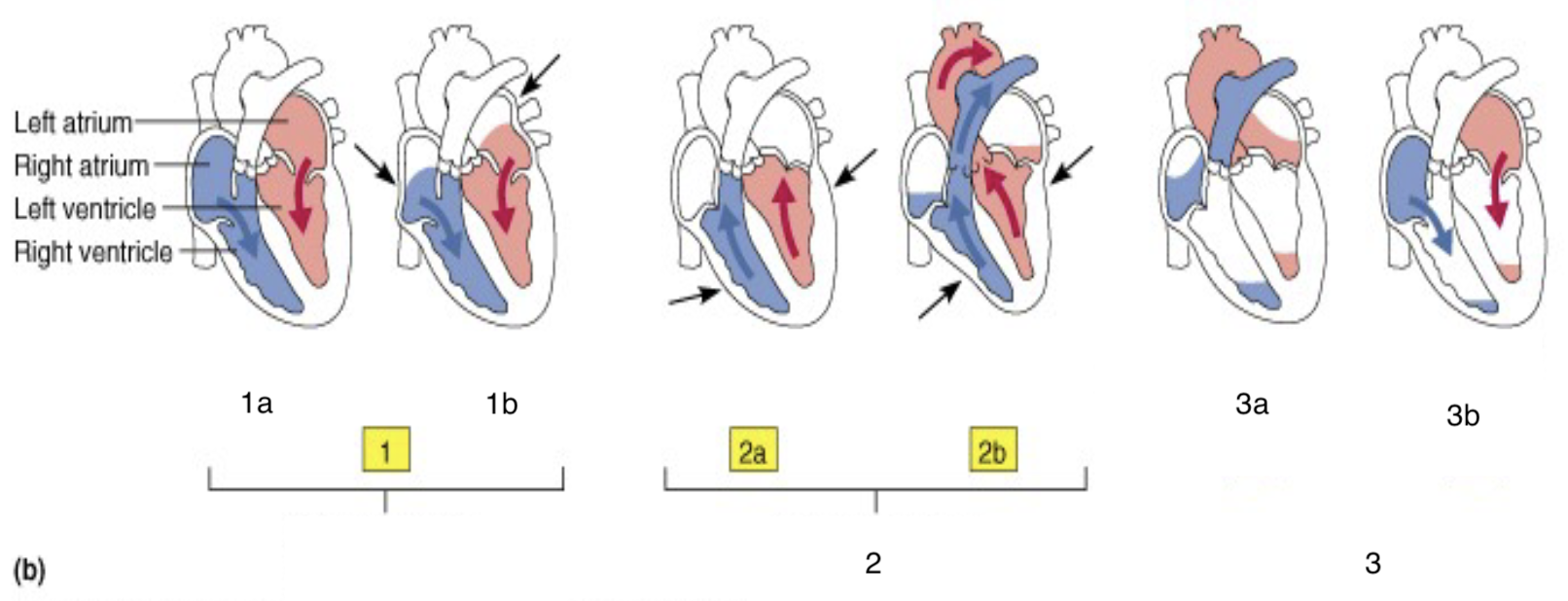
What is #2b in this image?
Ventricular ejection phase
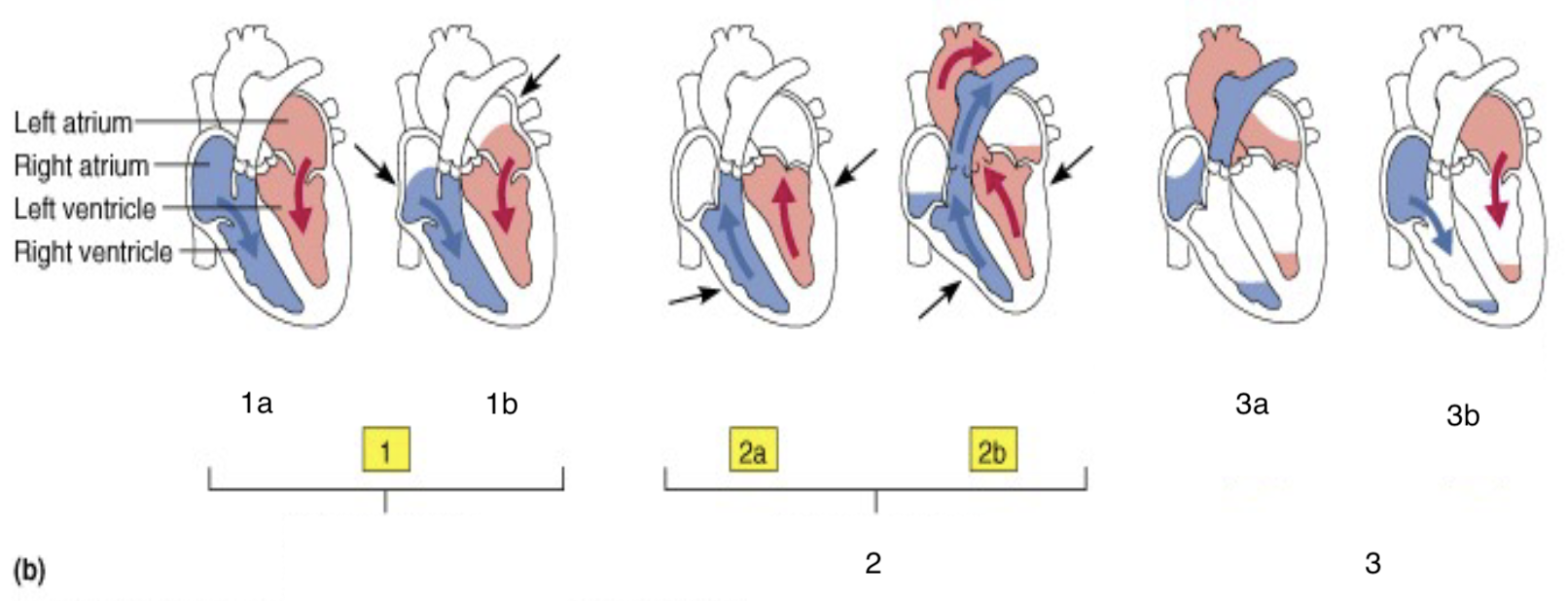
What is #3 in this image?
Early Diastole
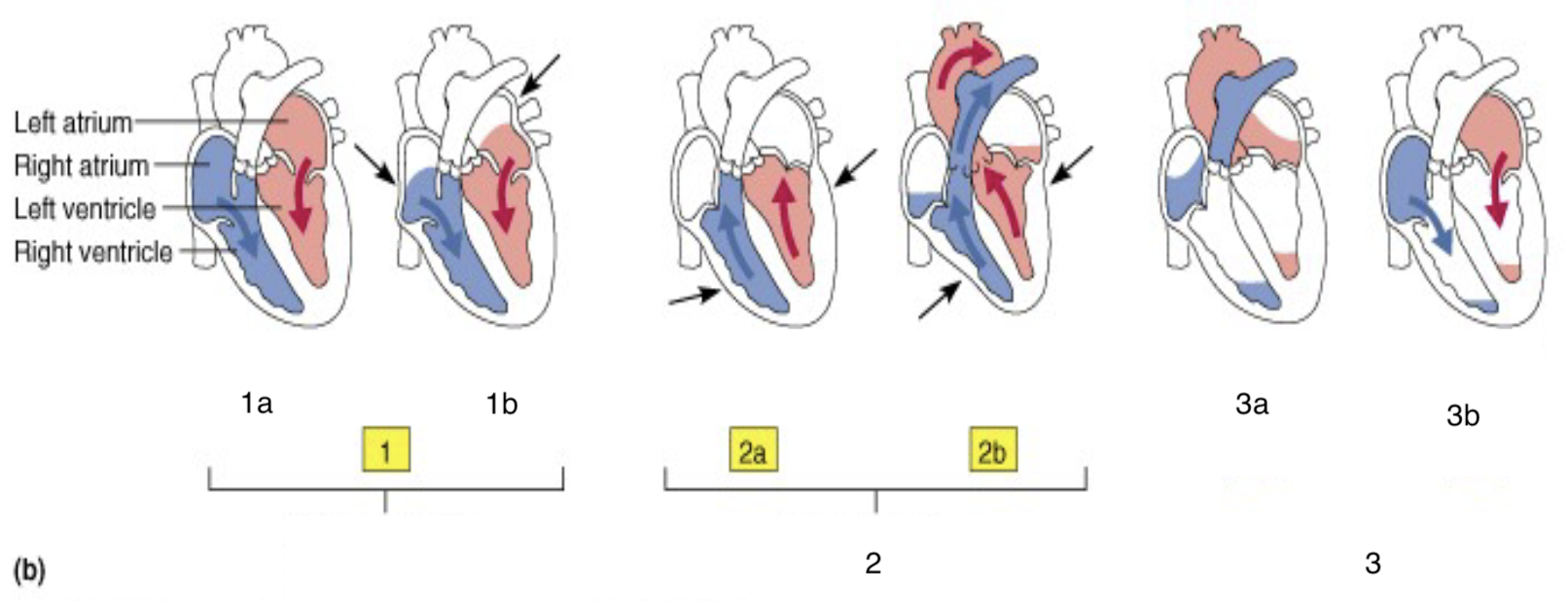
What is #3a in this image?
Isovolumetric relaxation
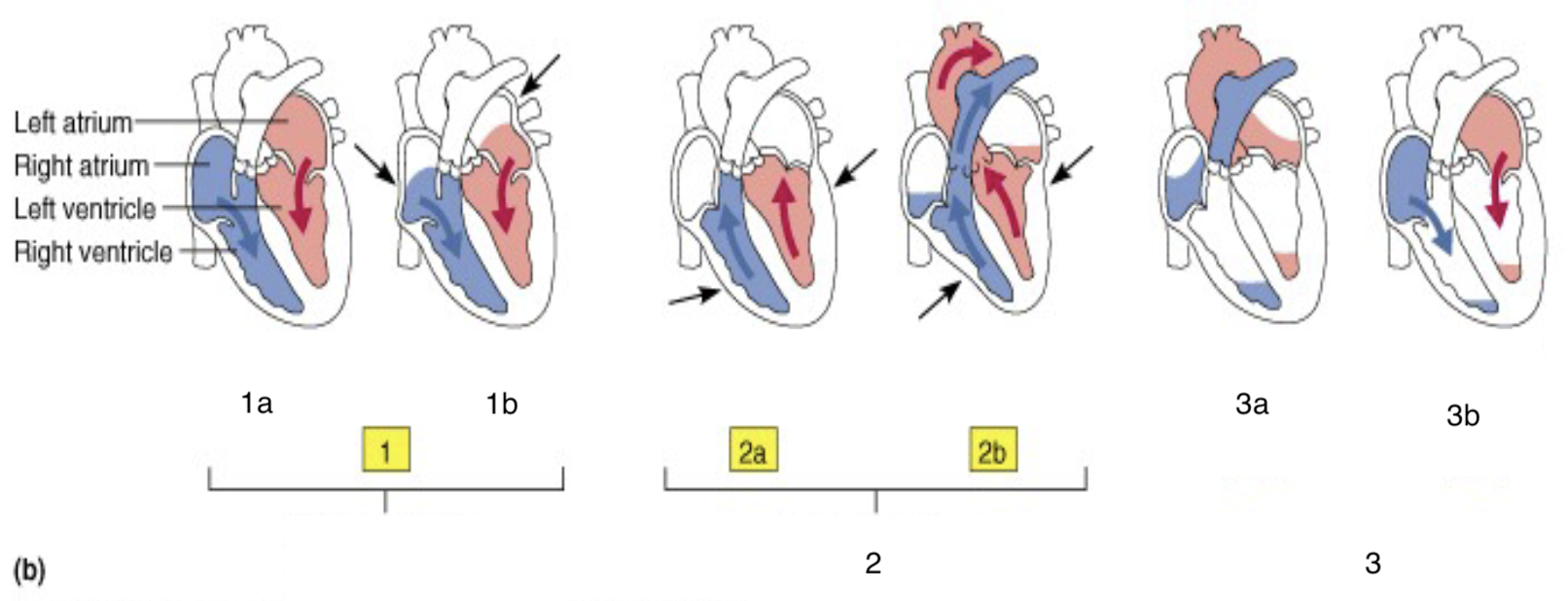
What is #3b in this image?
Ventricular filling
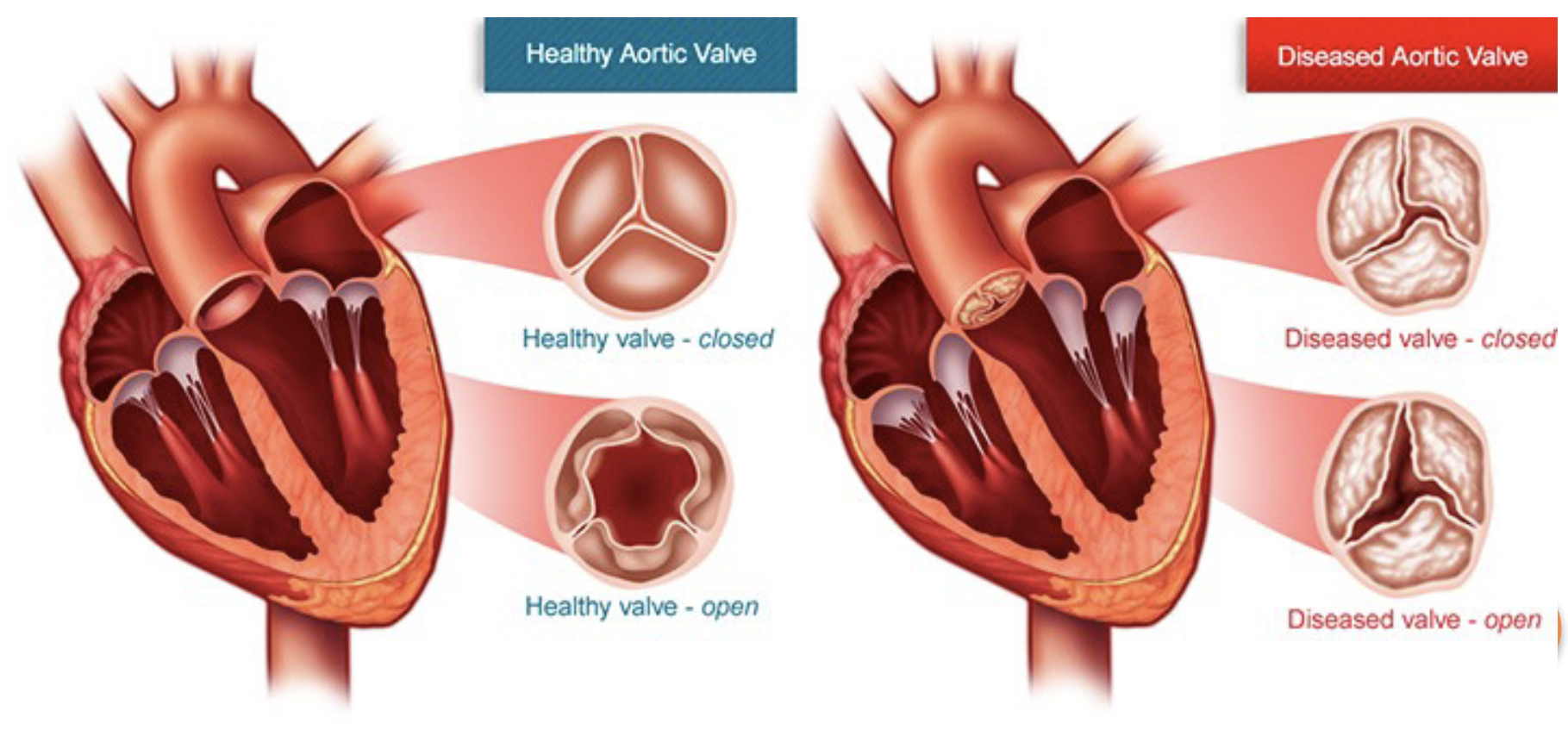
Aortic Stenosis
Restricts the blood flow from the left ventricle to the aorta and may also affect the pressure in the left atrium. The disease forces the heart to work harder to push blood through the aortic valve to your body.
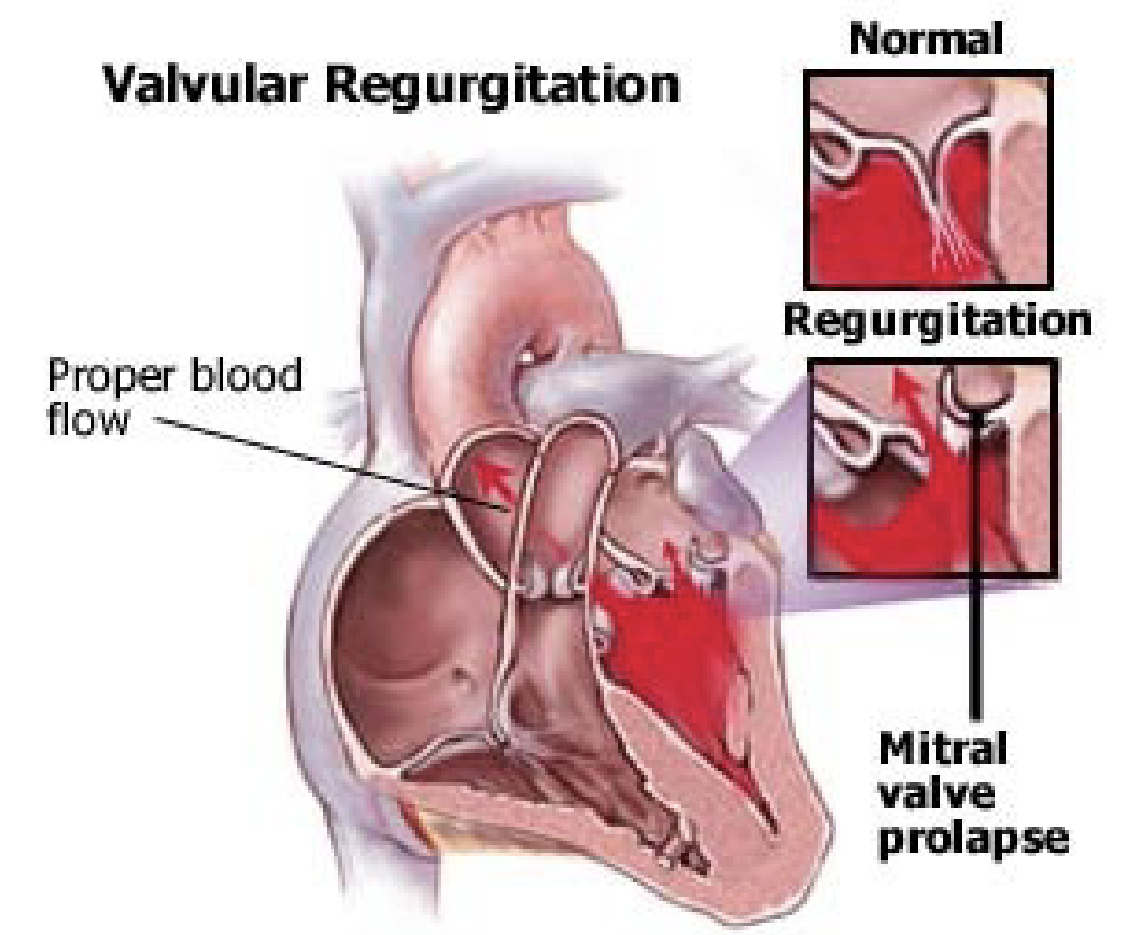
Valvular Regurgitation
Blood within the heart leaks in the wrong direction.
Pulse Point
Area on the body where an artery is close to the skin, making it possible to feel the blood pulsing from the heart.
Normal Pulse
60-100 bpm
Blood pressure _____ as blood flows through the arteries, arterioles, capillaries, venules, veins, and returns to the atria.
falls
Blood flows from ______ to ______ pressure
higher; lower
The contracting ventricles generate a slightly _____ pressure than in the arteries.
higher
Sounds of Korotkoff
The sounds generated by turbulent blood flow that we observe while measuring blood pressure with a sphygmomanometer.
Major causes of atherosclerosis
Hyperlipidemia, Hypertension, Diabetes, Turbulent Blood Flow
Atherosclerosis
Thickening or hardening of the arteries
Fatty Streak (Atherosclerosis)
Yellow, Foam Cells
Infants, Adolecents, Adults
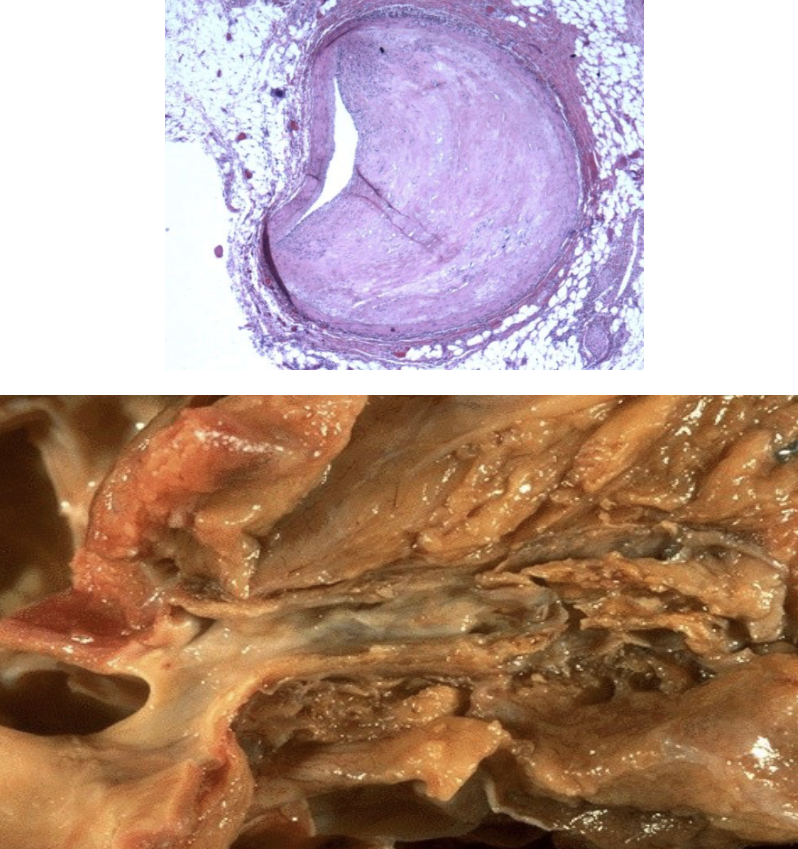
Fibrous Plaque (Atherosclerosis)
White, Fibrous cap of smooth muscle cells, Lipid laden macrophages and SMC, Cholesterol esters and crystals
Adolescents, Adults