1st Quarter Vocab - World Civ
 Call Kai
 Learn
 Practice Test
 Spaced Repetition
 Match
 Flashcards
 Knowt Play
1/48

There's no tags or description
Looks like no tags are added yet.
49 Terms
Prehistory
refers to the time before writing existed
Anthropologists
examine artifacts and study culture
Archaeologists
discoverer artifacts and date them
Homo Habilis
handy-man
Homo Erectus
upright-man
Animism
everything in nature has spirits
domesticate
is not the same as tamed, it’s under human control, you can have domesticated animals that aren’t tamed
Ex: flowers in flower beds, pigs in farms, grass on sports fields
food surplus
more food than what is needed
Job specialization
people are able to have different jobs
Civilization
a complex and organized society, usually a network of cities with something in common
Cultural diffusion
spread of languages, customs, technology
barter system
system to exchange goods
hunter gather/nomads
follow food source
slash and burn farming
burn vegetation to clear land for farming
City-state
a city that acts more like its own country
glyphs
writing that represent objects and sounds
tribute
taxes in form of feathers, crops, blankets, etc.
chinampas
piled soil on rafts; “floating rafts”
Mita
“labor tax” women could make clothing for Inca army, men had to work for government farms, mines, or build roads
quipu
colored ropes with knots to represent value
allyus
groups of 10 ayllus answered to a chief who then reported to higher level of government
Polytheistic
belief of multiple Gods
Mortar
the paste you use between bricks to make it stick
Fertile Crescent
large band of fertile land in Southwest Asia. Located in middle of deserts and mountains
Mesopotamia
between the rivers in Greek; area between Tigris and Euphrates
ziggurat
pyramid like structure at heart of temple
city-state
political unit with own government; City that acts more like a country/ is its own country
polytheism
worship of many gods
dynasty
series of rulers from one family
cuneiform
wedge-shaped symbols on clay tablets
Hammurabi
created 282 laws; written in a “If then” style
Indo-Europeans
several tribes who spoke related language originate in Europe and stretch to Asia
The OG Seven Wonders
great pyramid at giza, statue of zeus, mausoleum at Halicarnassus, lighthouse of alexandria, The Hanging Gardens of Babylon, The Temple of Artemis at Ephesus, The Colossus of Rhods
Egypt
“black land”; comes from appearance of the rich soil
Ka
name Egyptians had for people’s soul, when you died; would go to the land of the dead
Mummification
prevented breakdown of body, at first only done for the rich but eventually anyone who could afford
Great sphinx
body of lion, head of person
Hieroglyphics
pictures that represent objects, sounds, ideas
Zoroastrianism
Religion based on teachings of Zoroaster, God’s name was Ahura Mazda
dualism
belief world is controlled by two forces, good (Mazda) and evil (Ahriman)
Royal Road
1,500 miles long linking major cities
Nubia
South of Egypt where Blue Nile and White Nile connect (Sudan today)

Which 7 wonders of the world is this?
Great Pyramid at Giza

Which 7 wonders of the world is this?
The Statue of Zeus at Olympia
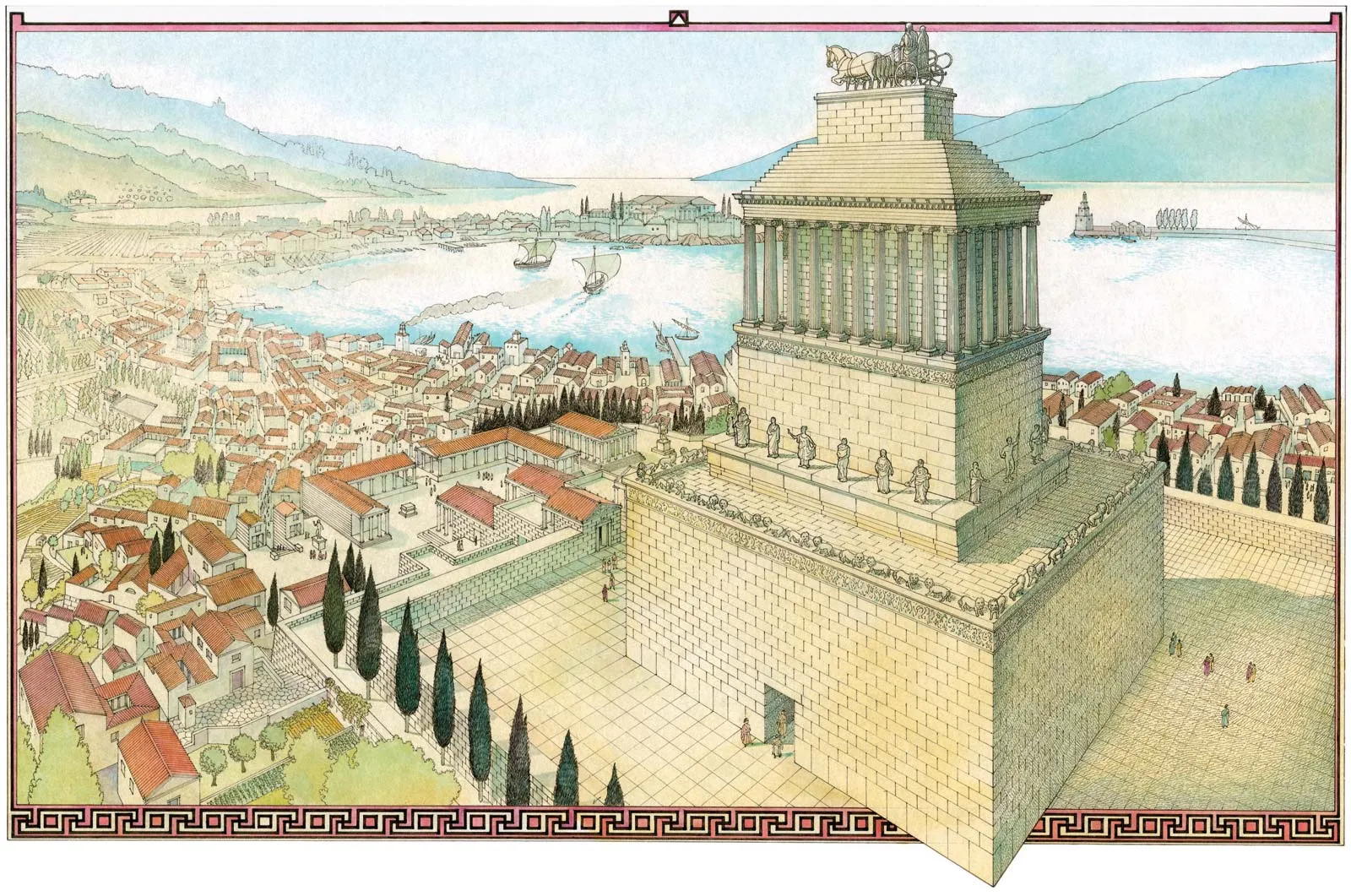
Which 7 wonders of the world is this?
The Mausoleum at Halicarnassus
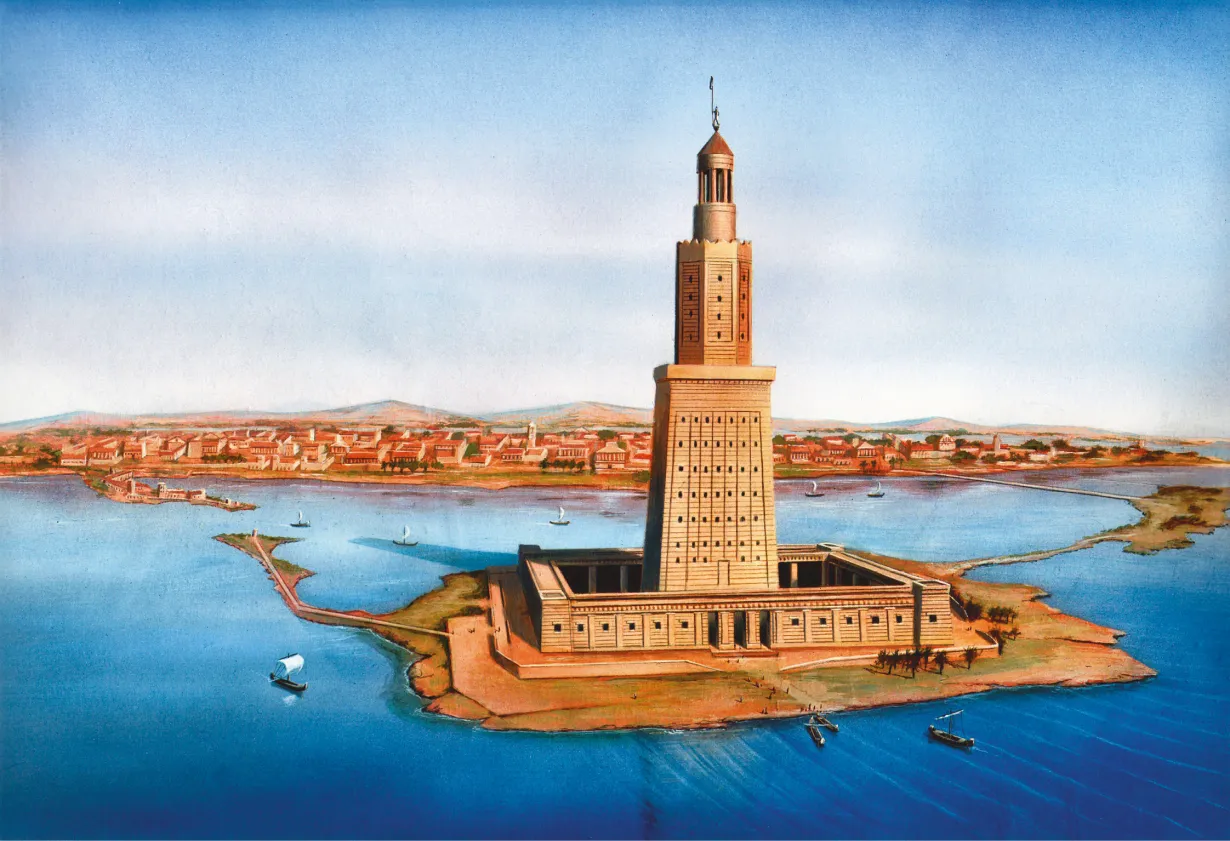
Which 7 wonders of the world is this?
The Lighthouse of Alexandria

Which 7 wonders of the world is this?
The Hanging Gardens of Babylon
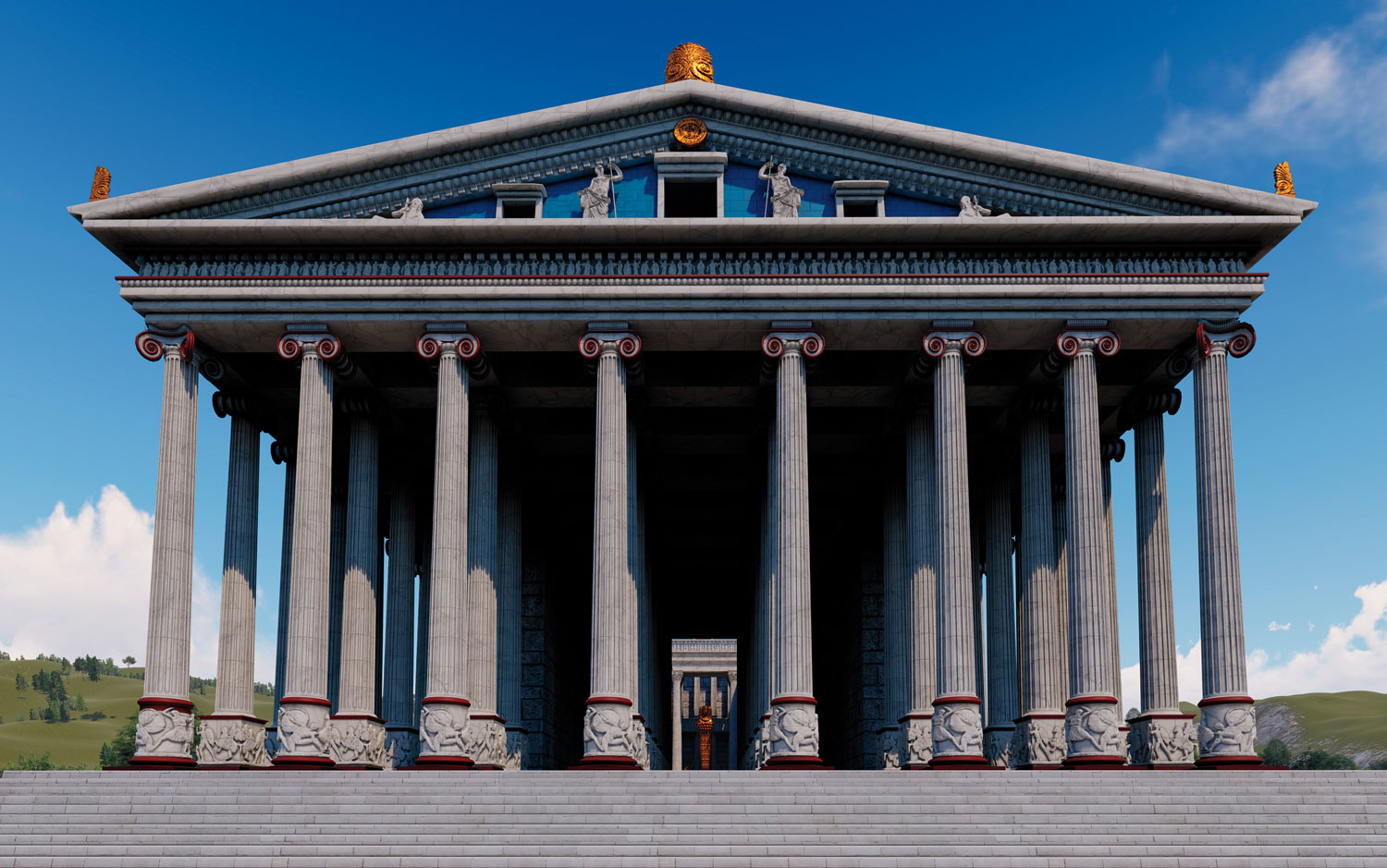
Which 7 wonders of the world is this?
The Temple of Artemis at Ephesus

Which 7 wonders of the world is this?
The Colossus of Rhodes