Lesson 1 🧬 — How the Body Is Formed: Cells, Development & Growing Bones
 Call Kai
 Learn
 Practice Test
 Spaced Repetition
 Match
 Flashcards
 Knowt Play
1/20

Earn XP
Description and Tags
Learn how cells form tissues and organs, how a baby develops, and how bones form, grow, and change from birth to adulthood. **📚 23 flashcards | Core Lesson 1 + Grades 7–8 Extension**
Name | Mastery | Learn | Test | Matching | Spaced | Call with Kai | Chat |
|---|
No analytics yet
Send a link to your students to track their progress
21 Terms
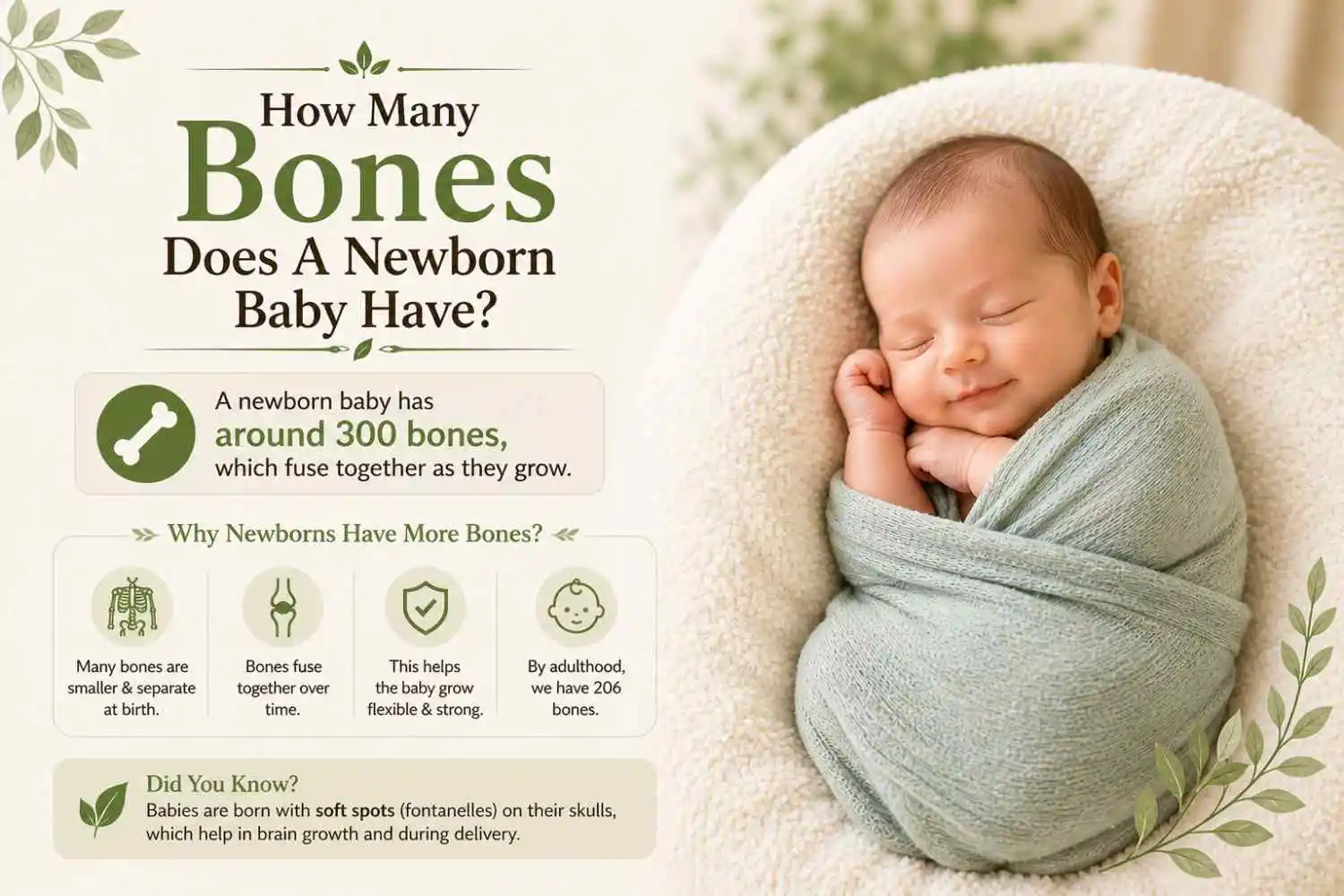
Why are babies born with more bones than adults?
Some of their bones gradually fuse together as they grow.

About how many bones does a newborn have?
Approximately 270, compared with 206 in most adults.
What is ossification?
The process of forming bone tissue.

Why is cartilage important during a baby's development?
It provides a flexible framework for many bones as they develop.

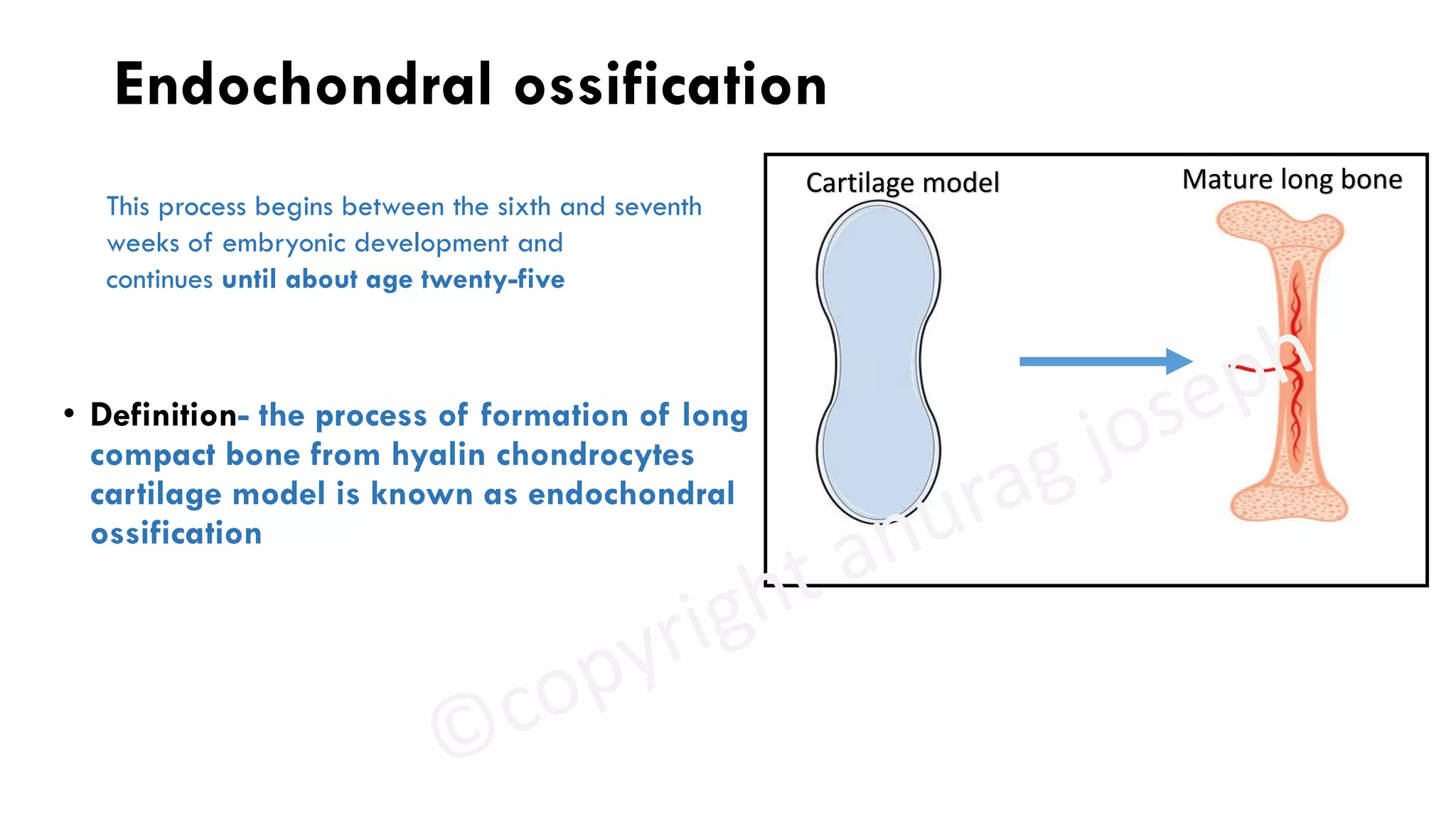
What is endochondral ossification?
The process in which bone develops by replacing a cartilage model.
What is intramembranous ossification?
The process in which bone develops directly from connective tissue, as in parts of the s

What is a cell?
The smallest functional unit of a living organism.

What is a tissue?
A group of similar cells that work together to do a job in the body.

What is an organ?
A group of tissues that work together to perform a specific job in the body.
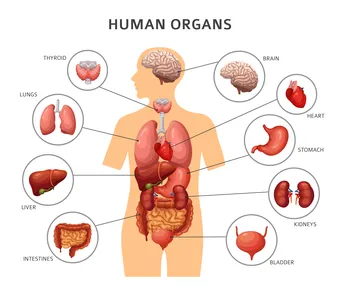
How are cells, tissues, and organs connected?
Cells work together to form tissues. Tissues work together to form organs.

What is cell division?
The process in which one cell divides to make more cells.

What is a zygote?
The single cell formed when an egg and sperm join.

What happens to the cells as a baby develops?
Cells divide, develop into different types, and form tissues and organs.

What is an embryo?
An early stage of development when the body's tissues and organs begin forming.

What is a fetus?
A later stage of development when the body's tissues and organs continue growing and developing before birth.

What is the cell membrane's job?
It surrounds the cell and controls what enters and leaves it.

What is cytoplasm?
A jelly-like substance that fills the cell and holds its parts.

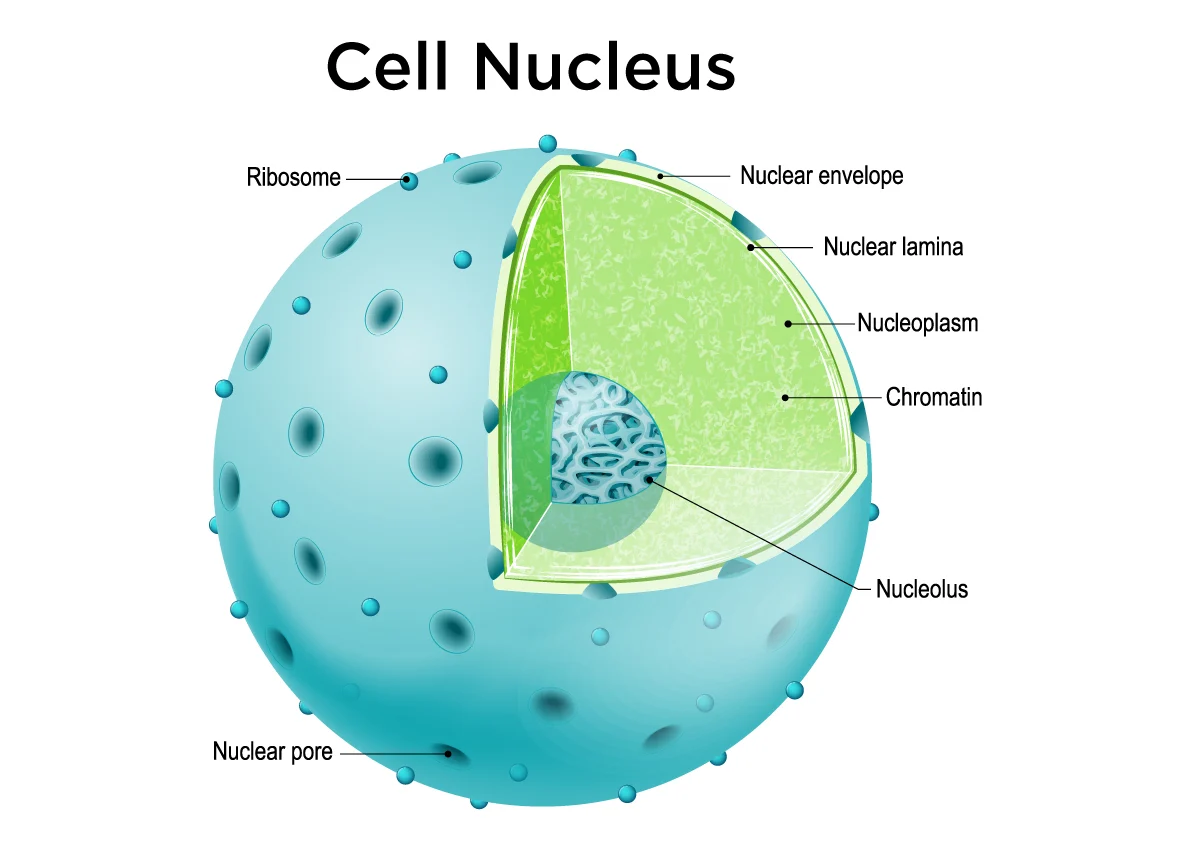
What does the nucleus do?
It is the control center of the cell. It contains DNA and directs the cell's activities.
What do mitochondria do?
They produce usable energy for the cell.

What do ribosomes do?
They make proteins that the cell needs.

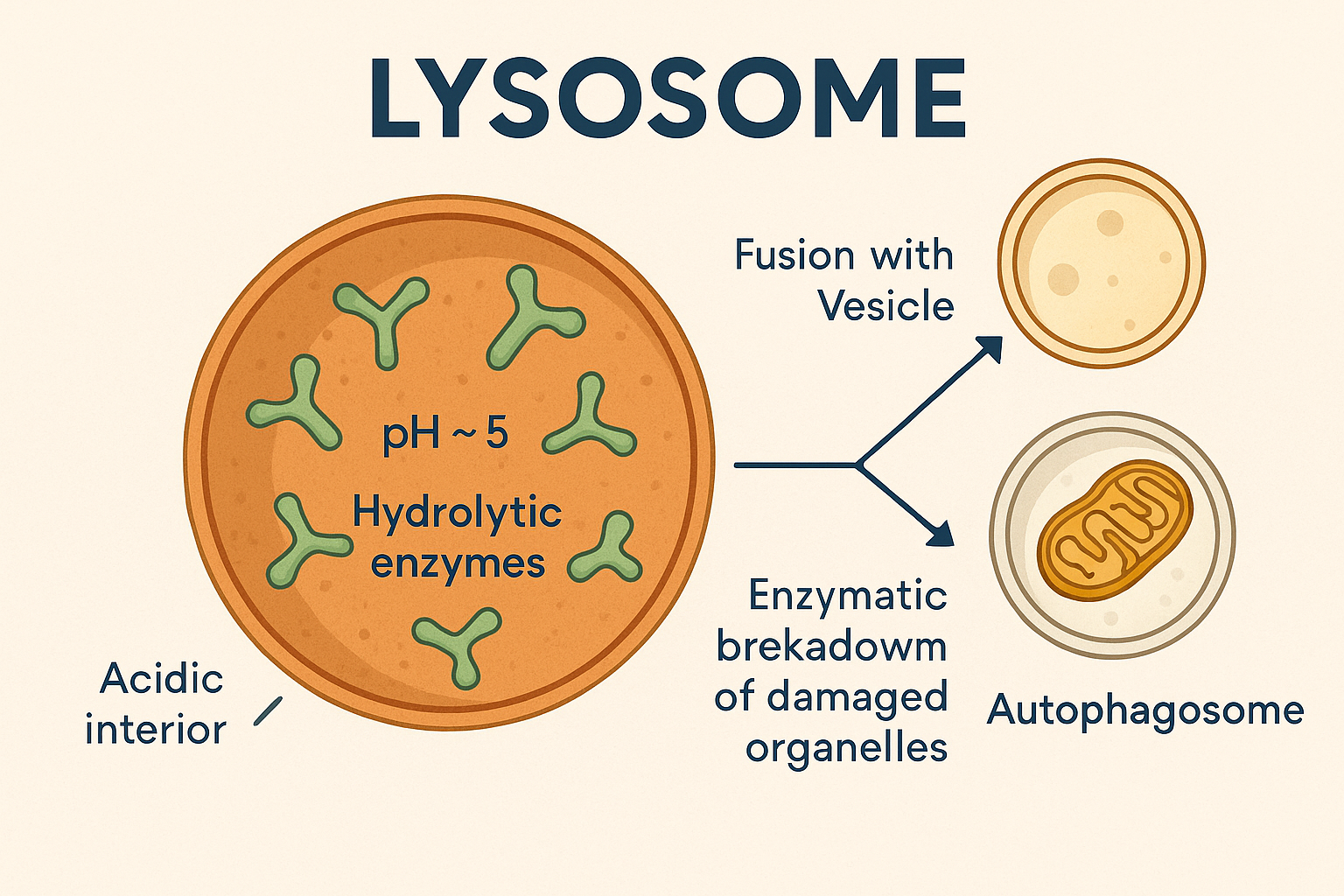
What do lysosomes do?
They break down harmful substances and old, worn-out cell p