Physics Topic 4, Static Electricity and Electricity (Y9+10)
 Call Kai
 Learn
Learn Practice Test
 Spaced Repetition
 Match
Match Flashcards
 Knowt Play
1/28

There's no tags or description
Looks like no tags are added yet.
Name | Mastery | Learn | Test | Matching | Spaced | Call with Kai | Chat |
|---|
No analytics yet
Send a link to your students to track their progress
29 Terms
Like charges…
REPEL
Opposite charges…
ATTRACT
where is there highest energy
energy shell furthest from the nucleus
when can an electron move UP a level
when electromagnetic radiation is ABSORBED
when can an electron move DOWN a level
the electron can EMMIT electromagnetic radiation
Static charge
the charge caused by an imbalance of protons and electrons on an object. Is caused by electrons being moved between objects by FRICTION |
Polythene and Acetate rods with cloth dusters
Examples of static electricity
Polythene rod > negatively charged (gained electrons)
Acetate rod > positively charged (loses electrons)
electrostatic force
electrically charged objects exert a force on each other (attract/repel)
induced charge
a charge that is produced on an uncharged object or surface due to the proximity of a statically charged object. This charge is lost when the charged object is moved away. |
examples of USES of static electricity
electrostatic paint sprayers: paint droplets have the same charge so repel each other evenly, the object they are painting has the opposite charge (attract)
DANGERS of static electricity
lightning > friction between water particles
air plane static > friction between plane and air, plane gets charged
earthing
removal of excess charge on an object
connects a charged object to the ground using a conductor (copper wire)
electric field
area around a charged object where it will experience a force

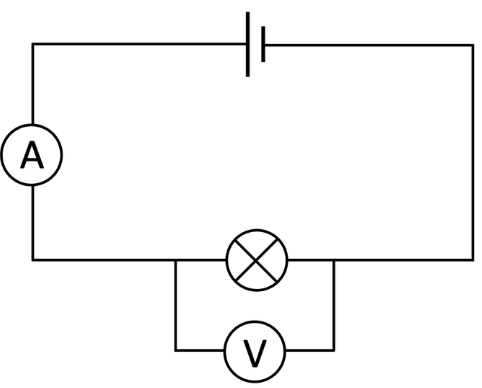
Current
The rate of flow of electrical charge, value is the same on a closed loop, measure using an Ammeter
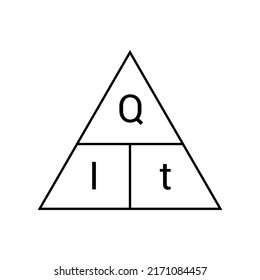
Charge equation
Charge (coulombs) = Current (A) x Time (s)
Potential Difference
the energy supplied between two points in a circuit, shared between components in a loop, measured using a Voltmeter connected in parallel
Energy equation
Energy(J)= Potential Difference (V) x Charge (C)

resistance
opposition to current (ohms)
what is resistance caused by
electrons colliding with ions in the lattics which reduces current
Ohm’s Law
V = I x R
Potential Difference (V) = Current (A) x Resisitance (Ω)

CORE PRACTICAL: p.d, current, resistance of a component
investigate relationship using a filament bulb
relationship can be shown on an I-V graph
Resistor I-V graph
directly proportional

Filament Lamp I-V graph
As current increases so will temperature which will increase resistance making the graph CURVED

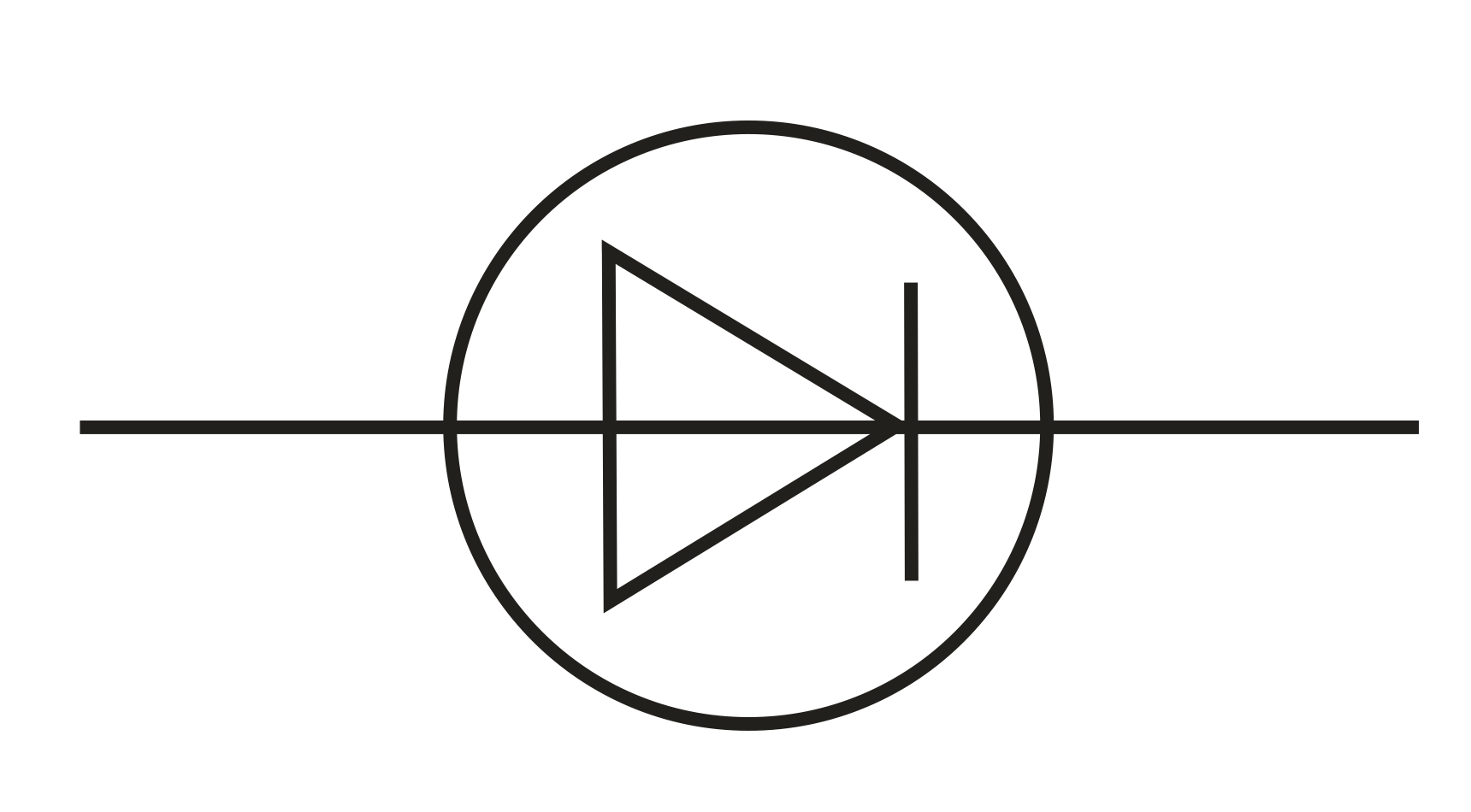
Diode I-V graph
current only flows through a diode in 1 Direction

Light Dependent Resistor (LDR)
as light intensity increases, resistance decreases
used in night lights, automatic lights

Thermistor
as temperature increases, resistance decreases
used in thermostats and temperature detectors

CORE PRACTICAL: Series and Parallel Circuits
Measure current and p.d of the components as the output p.d from the power supply is changed

Series vs parallel Circuit practical CONCLUSION
in a parallel circuit, filament bulbs shine brighter and operate independently because each branch receives the full source potential difference
in series circuit, the bulbs share the potential difference and are dimmer.
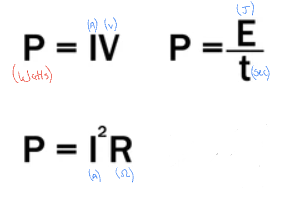
Power Equations (x3)
Power = Energy/ Time
Power = p.d x current
Power = current² x resistance