Control of microbial growth and antimicrobial agents study guide questions
 Call Kai
 Learn
 Practice Test
 Spaced Repetition
 Match
 Flashcards
 Knowt Play
1/44

There's no tags or description
Looks like no tags are added yet.
45 Terms
What is the key difference between sterilization and disinfection?
Sterilization completely removes ALL organisms, whereas disinfection only decreases the number of pathogens on inanimate objects.
How does antisepsis differ from disinfection?
Antisepsis reduces the number of microbes on or in living tissues, whereas disinfection reduces pathogens on non-living objects.
What is sanitization?
The process of reducing microbe numbers on inanimate objects to levels that meet established public health standards.
What is the primary target of pasteurization in food treatment?
Reducing pathogens and spoilage microbes in foods using controlled heat
The removal of microbes from surfaces by mechanical means, such as handwashing, is called _____
Degerming
What is the mode of action of heat as a physical antimicrobial agent?
It denatures proteins and destroys cell membranes
How do cold temperatures affect microbial populations?
Cold slows down microbial metabolism, thereby slowing or stopping growth without necessarily killing the cells
How do high osmotic pressure and drying inhibit microbial growth?
They reduce or stop microbial metabolism by removing available water needed for cellular functions
Which wavelength of ultraviolet (UV) light is most damaging to bacterial DNA?
265 nm, because it is optimal for absorption by DNA
What specific structural DNA defect is caused by UV light irradiation?
Pyrimidine dimers (such as thymine-thymine dimers, T=T)
Can UV radiation effectively penetrate materials like plastic or glass?
No, UV light has low penetrating power and cannot pass through plastic or glass
How do bacterial pigments, such as the orange pigment of Serratia marcescens, protect cells against UV damage?
The pigments absorb or block UV light, acting as a protective sunscreen that shields cellular DNA
Why is Bacillus subtilis highly resistant to UV radiation during the decline/death growth phase?
During the decline phase, Bacillus subtilis forms resistant endospores, whereas log-phase vegetative cells lack endospores and remain sensitive.
What type of DNA damage is directly caused by ionizing radiation (e.g., gamma rays, X-rays)
DNA strand breaks
What is the principal antimicrobial mechanism of phenolics like carbolic acid and Lysol?
They denature cellular proteins and disrupt cell membranes
Why are aqueous alcohol mixtures (e.g., ethanol mixed with water) more effective than pure 100% alcohol?
Water is necessary to facilitate protein denaturation and cell membrane disruption by alcohols
How do halogen chemical agents (e.g., iodine, chlorine) inhibit microbes?
They denature proteins by oxidizing amino acid R groups
What chemical mechanism allows heavy metals (e.g., silver, mercury) to denature bacterial proteins?
They react directly with the sulfhydryl (-SH) functional groups of cysteine and methionine residues
How do quaternary ammonium compounds (quats) differ from standard soaps in their chemical action?
Quats actively disrupt microbial cell membranes, whereas standard soaps primarily emulsify fats to mechanically flush microbes away
What cellular components are targeted by alkylating agents like formaldehyde and glutaraldehyde
They denature proteins and damage DNA by attaching short carbon chain cross-links.
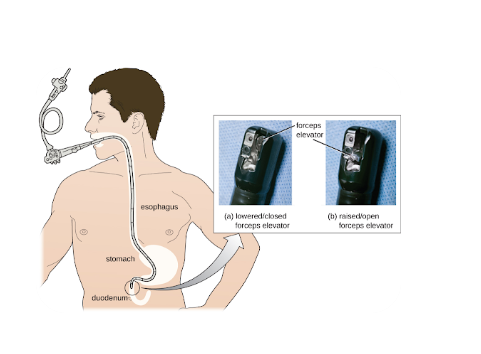
Why is thorough mechanical cleaning required for surgical and dental instruments prior to chemical disinfection?
Duodenoscope
What defines an antibiotic?
A naturally occurring microbial metabolite used to inhibit or kill other microorganisms
How are semi-synthetic antibiotics produced, and why are they made?
They are chemically altered natural antibiotics modified in the lab to expand their spectrum of activity or overcome resistance
What is a synthetic antimicrobial drug?
An antimicrobial chemical synthesized entirely in the laboratory, such as sulfonamides
What molecular structure in Gram-positive bacterial cell walls is targeted by B-lactams?
Peptidoglycan (PGC) tetrapeptide cross-linking bridges
Which bacterial cell wall synthesis inhibitor drug class is most effective against Gram-positive bacteria?
B-lactams (e.g., Penicillins, Ampicillin)
What mechanism of action is shared by aminoglycosides (streptomycin) and tetracyclines?
Inhibition of bacterial protein synthesis.
What general target distinguishes polymyxin drugs from amphotericin B and azoles?
Polymyxins disrupt Gram-negative bacterial membranes, whereas amphotericin B (polyene) and ketoconazole (azole) disrupt fungal cell membranes.
How do sulfonamides (sulfa drugs) inhibit bacterial cell growth?
They act as competitive inhibitors of enzymes involved in para-aminobenzoic acid (PABA) synthesis, blocking folic acid production.
What bacterial enzyme is inhibited by quinolones such as ciprofloxacin?
DNA gyrase, preventing proper DNA replication and transcription.
What enzyme target is inhibited by the antimicrobial drug rifampin (rifampicin)?
Bacterial RNA polymerase, blocking RNA synthesis
What viral target is inhibited by the antiviral medication valaciclovir (Valtrex)?
Herpes simplex virus (HSV) thymidine kinase
In a Kirby-Bauer disc diffusion test, how is the Zone of Inhibition (ZOI) measured?
The diameter of the clear area around the disc is measured across the center in millimeters (mm)
What growth agar medium is standardized for performing Kirby-Bauer disc diffusion susceptibility testing?
Mueller-Hinton Agar
What does a finding of ‘Sensitive (S)’ mean in a Kirby-Bauer antibiotic test interpretation chart?
The pathogen is inhibited by an antibiotic concentration safely achievable in human patient tissue.

P. Aeruginosa
It possesses active efflux pumps that pump multiple antibiotics out of the cell before they can act
In bacterial resistance, how does the enzyme B-lactamase neutralize penicillins?
It cleaves the B-lactam ring structure, inactivating the antibiotic.
How do bacteria use target molecule alteration to confer resistance to trimethoprim?
They mutate the targeted enzyme’s binding site so the antibiotic can no longer bind
What mechanism allows bacteria to bypass inhibition by sulfa drugs and trimethoprim?
Bacterial metabolic bypass: importing pre-formed folic acid from the environment instead of synthesizing it from PABA
What resistance mechanism is commonly used by bacteria against tetracyclines?
Efflux pumps (pumping drug out) and membrane permeability alterations.
Why should antimicrobial drugs be prescribed and used only when clinically necessary?
Overuse creates selective pressure that promotes the evolution and spread of resistant superbugs.
Why does increasing UV irradiation time reduce bacterial colony formation?
Accumulation of pyrimidine dimers causes lethal DNA mutations that exceed the bacterial repair capacity.
What was Salvarsan historically used to treat?
Syphilis (it was an early synthetic organoarsenic antimicrobial chemical agent).
What metabolic derivative makes the synthetic dye Prontosil active against bacterial infections in the body?
Sulfanilamide (sulfa drug derivative)
Which antibiotic spectrum term describes a drug active against both Gram-positive and Gram-negative bacteria?
Broad spectrum (e.g., Tetracyclines).