Lab 1 Bio 1117 Review sheet
 Call Kai
 Learn
 Practice Test
 Spaced Repetition
 Match
 Flashcards
 Knowt Play
1/58

There's no tags or description
Looks like no tags are added yet.
59 Terms
Metric system
A measurement system based on multiples of 10
Multiples of 10 (lengths w/prefix)
Kilo-meter (km)
Meter - (m)
Deci-meter (dm)
Centi-meter (cm)
Milli-meter (mm)
Standard unit of length (Value)
1000 Meters (10³ Meters)
1 Meter
0.1 meter (10^-1 meter)
.01 meter (10^-2 meter)
.001 meter (10^-3 meter)
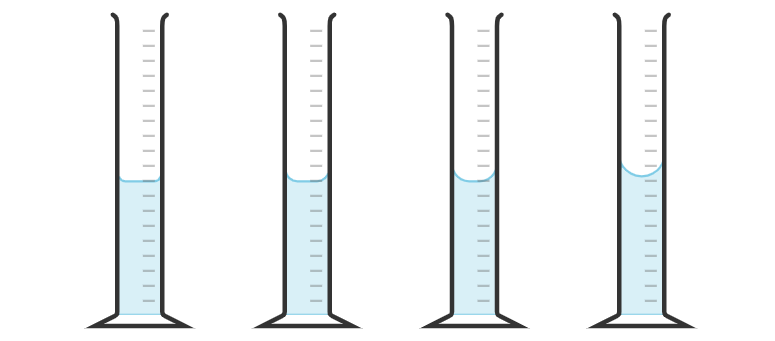
Meniscus
The curved surface of a liquid in a container. (Smile)
The definition of science
The systematic study of the natural world through observation and testing
Definition of hypothesis
A testable, tentative explanation for an observation
Definition of inductive reasoning
Using specific observations to develop a general conclusion
Definition of deductive reasoning
Using a general rule or principle to predict a specific outcome
Example of inductive reasoning
Ex: bacteria, plants, and animals
Example of deductive reasoning
Ex: animals, cells, and genetics
List of scientific method
Observation
Question
Hypothesis
Prediction
Experiment
Analysis and Interpretation of data
Retesting
Can you ever prove a hypothesis with your data? Why or why not?
No, scientific data cannot definitively prove a hypothesis to be true. The data may support the hypothesis, but future experiments or new evidence could show that it is incorrect.
The definition of organic molecules
Usually contain carbon bonded to hydrogen (C–H), such as carbohydrates, lipids, proteins, and nucleic acids.
The definition of inorganic molecules
Generally do not have carbon–hydrogen bonds.
Organic molecule

Inorganic molecule
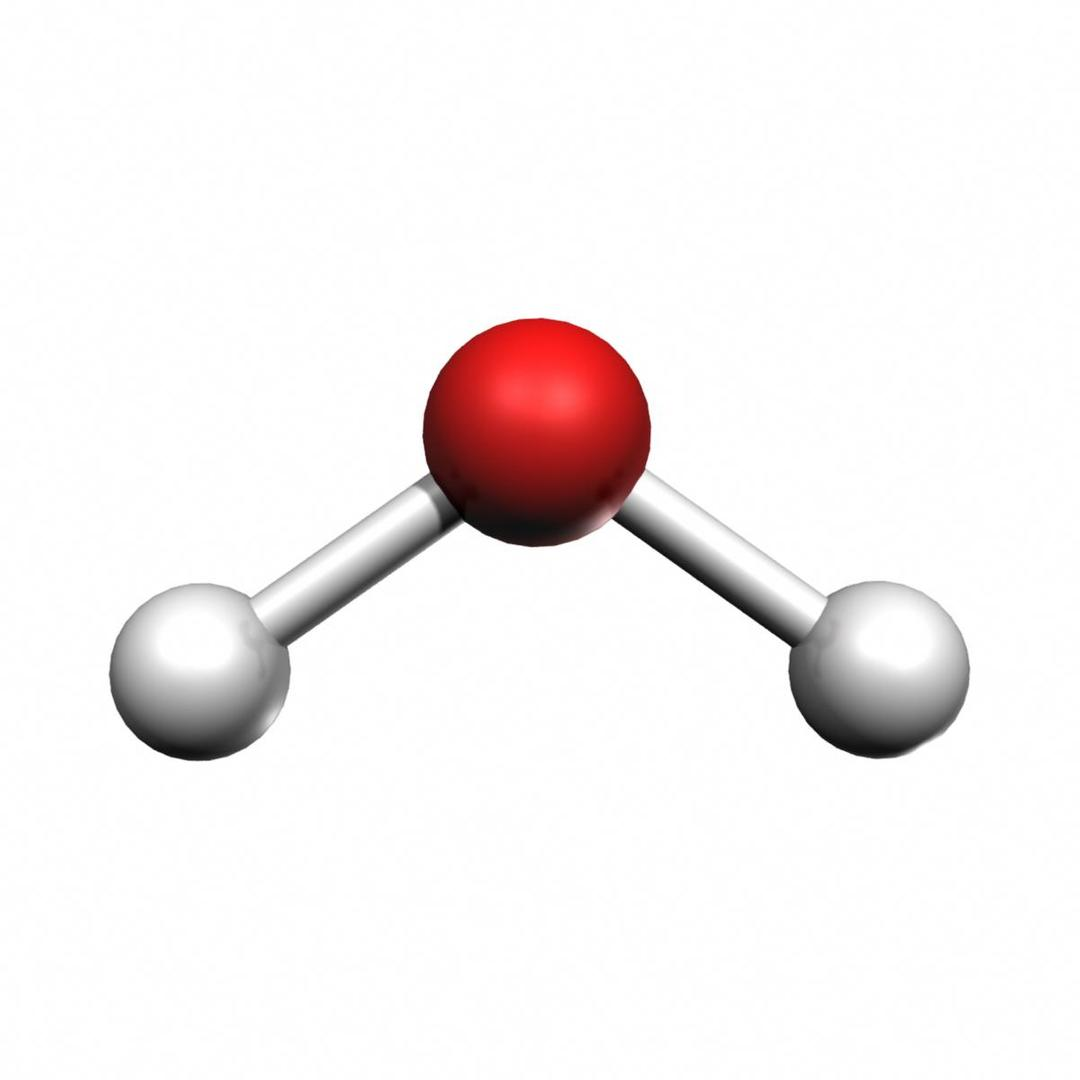
Glucose carbohydrates (sugars) picture

Fructose picture

Disaccharide picture

Maltose

Sucrose picture

Amino acid — general structure picture

Glycine picture
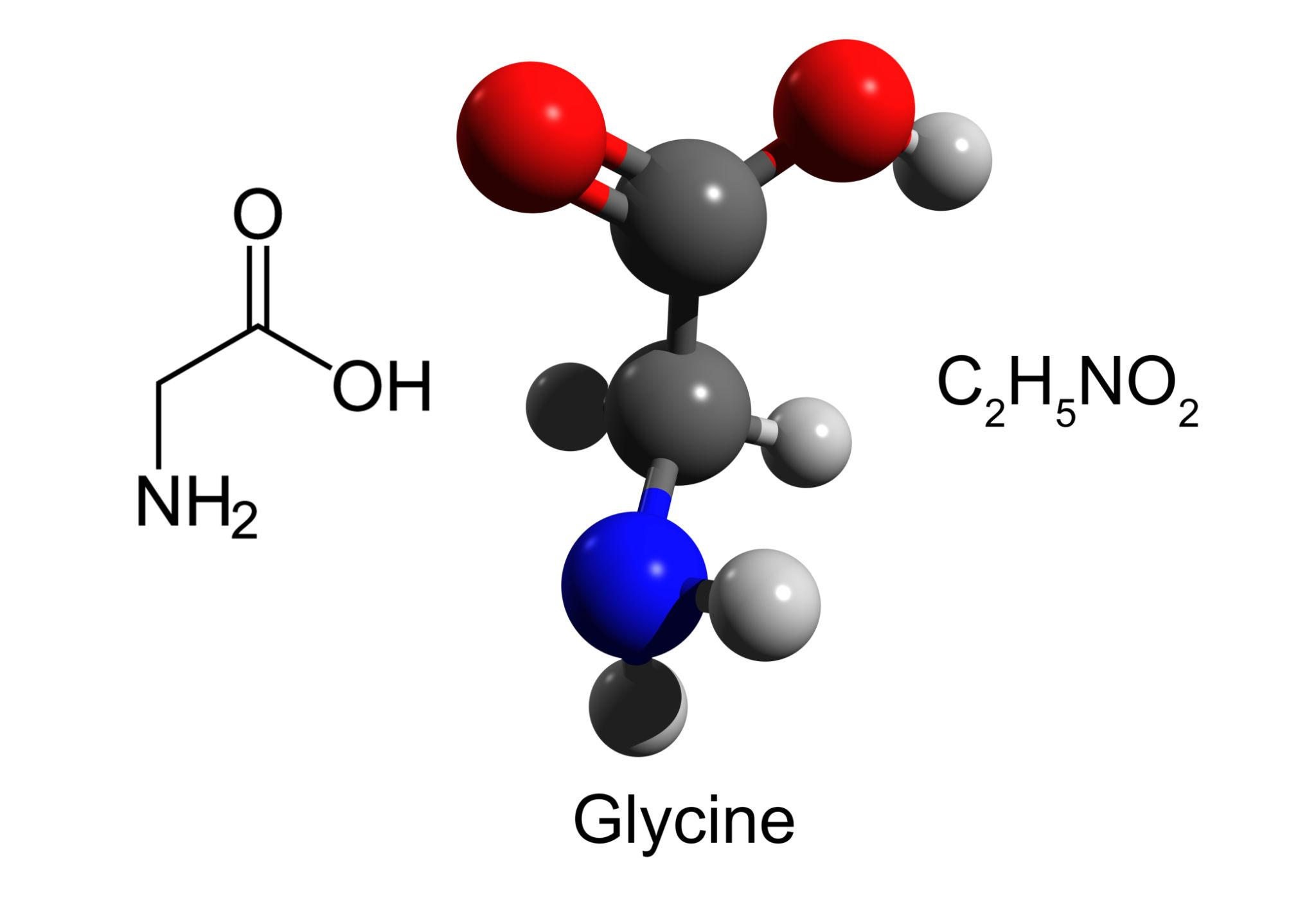
Alanine picture

Dipeptide picture
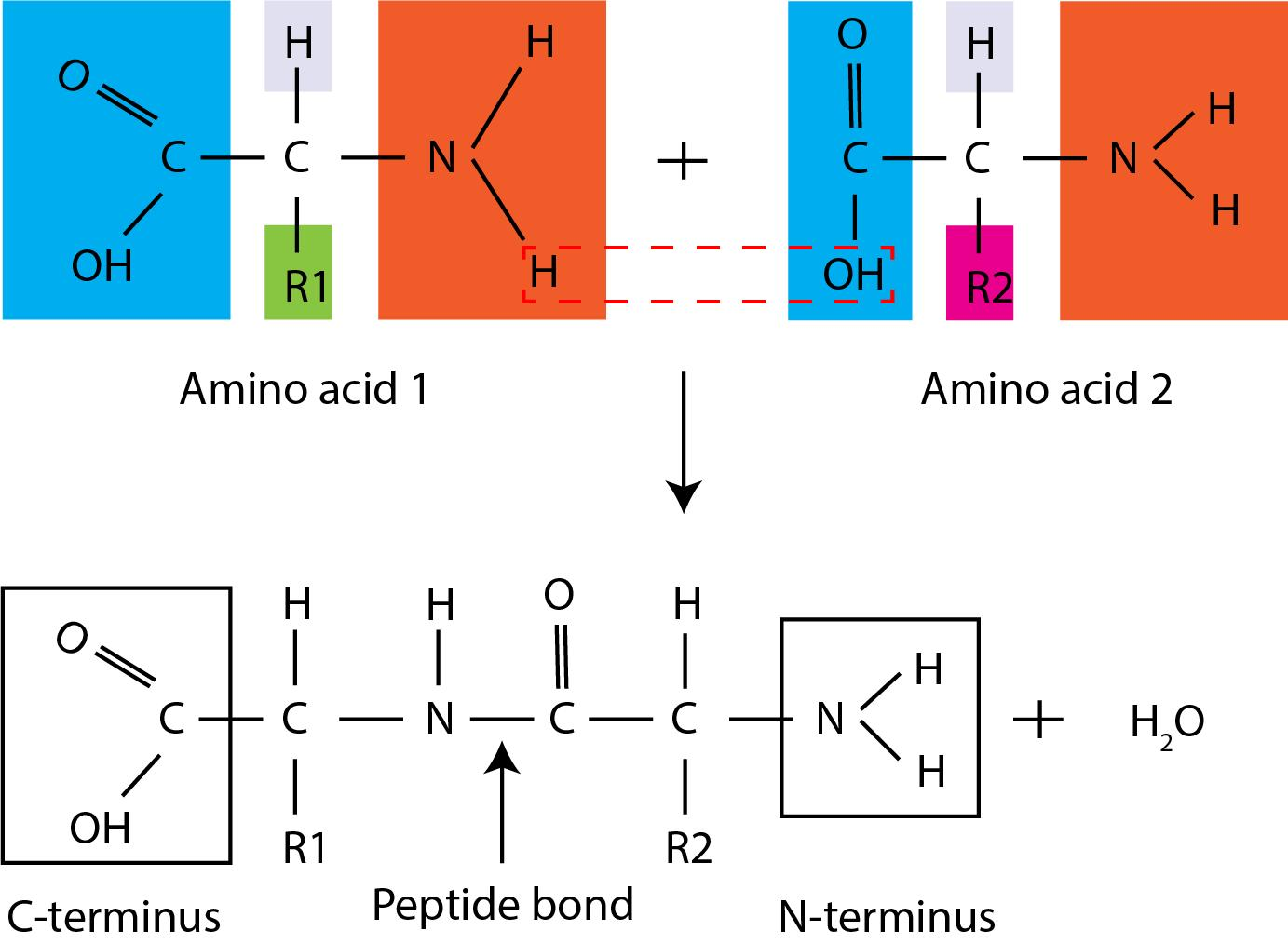
Polypeptide picture

Definition of functional groups
Organic molecules contain groups of atoms that give the molecule certain chemical characteristics, so they function in a specific way during chemical reactions.
Examples of functional groups
Ex: Alcohol or Hydroxyl group, Amino group, Acid or Carboxyl group, and Methyl
Organic molecules (alcohol or hydroxyl group)
—OH
Organic molecules (Amino group)
—NH2 or —H/—N/—H
Organic molecules (acid or carboxyl group)
—COOH or —==O/—C/—OH
Organic molecules (methyl)
—CH3 or H/—C—H/H
Creating polymers: dehydration synthesis
A monomer is a small building block. A polymer is a larger molecule made from repeating building blocks.
Dehydration synthesis joins molecules by removing water.
Creating polymers: Hydrolysis
Hydrolysis breaks a bond between two molecules by adding water.
Major difference between sugars and fats
Sugars are carbohydrates; fats are lipids.
Type of bond found between amino acids in protein
peptide bond
How amino acids different from each other
The R group
The amount of water molecules are formed during creation of a triglyceride
3 water molecules
color of carbon
black
color of hydrogen
white
color of oxygen
red
color of nitrogen
blue
definition of macromolecules
molecules that consist of many smaller structural units
definition of polymers
large molecule made up of many smaller monomers joined together by chemical bonds.
mono vs di vs polysaccharides
mono = 1
di = 2
poly = 3+
Major categories of biological molecules
carbohydrates, lipids, protein, and nucleic acids
monomer for carbohydrates
monosaccharide, simple sugar
monomer for lipids
fatty acids
monomer for protein
amino acid
monomer for nucleic acids
nucleotides
main function of carbohydrates
provide energy
main function of lipids
long-term energy storage
main functions of proteins
growth and repair of body tissues
main function of nucleic acids
genetic information
Reagents used to test each biological molecule
Benedicts Solution
Iodine
Sudan IV
Biuret reagent
Identification of positive vs negative results (Benedicts Solution)
Blue changes to green, yellow, orange, or brick-red
none→trace→low→moderate→high
Identification of positive vs negative results (Iodine)
Yellow-brown changes to purple
no starch→starch present
Identification of positive vs negative results (Sudan IV)
Stays yellow or Red-stained oil layer or droplets appear
no lipids→lipids present
Identification of positive vs negative results (Biuret)
Blue→purple→pink
none→proteins→peptide present