Viking World in Ireland
 Call Kai
 Learn
 Practice Test
 Spaced Repetition
 Match
 Flashcards
 Knowt Play
1/131

There's no tags or description
Looks like no tags are added yet.
132 Terms

Ulfberht Sword, made in the Rhineland, best swordmaker in the whole wide world
Causes of the Viking Age
Land shortage
Growth of Royal Power
Trade, Piracy, and beyond…
Silver Connection
The Marraige Imperitive
Historical Sources
Annals often included written down stories of raids. Danger of relying on these sources too much creating fixed points and biases
Handmaiden Syndrome
Idea that history is a primary disapline over archeaology
Runology
Study based on the scandinavial version of Oghams, dated to the same timeframe but not as popular within Ireland. Only examples are Beginish and Killaloe
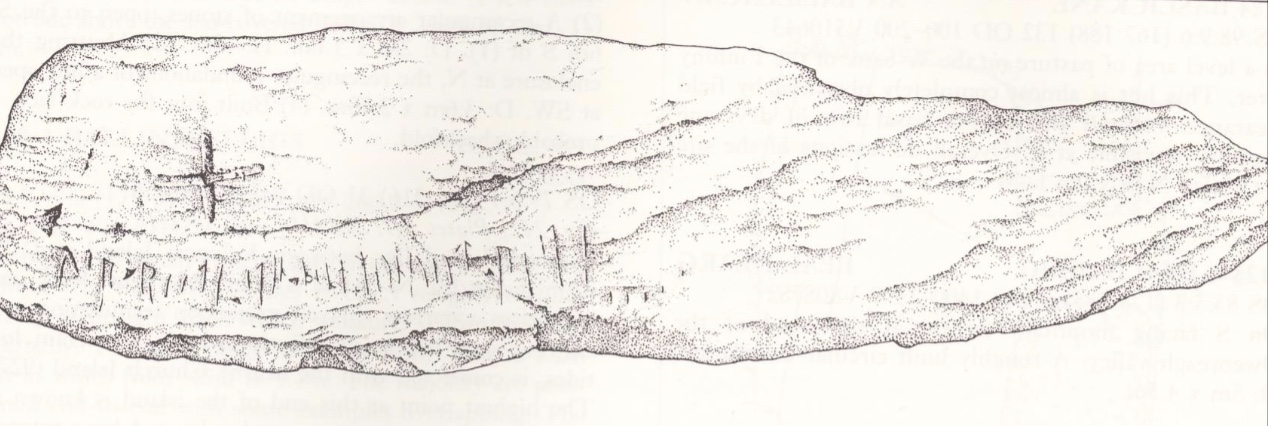
Beginish, co. Kerry

Killaloe, co. Clare
Numismatics
Study of coins, great indicator for the Viking age because of the lack of use before this time. Excelent for dating

First Dublin Coinage
Dated to 997, based on Anglo-Saxon, king Sitric Silkbeard stamped onto it

Borre Style
Ring chain motif

Cross of Cong, Urnes style, 1123

Oseberg boat, built 820, buried 834

Gokstad, built 895-900, buried around 910
Skuldelev, Roskilde Fjord, Denmark
five ships scuttled in 1070, forming a blockade. First example of underwater archaeology
Skuldelve 2
Two largest ships from the blockade, confirmed to be built from timber from Dublin

Andre III 9th-10th century, evidence of viking ships

Bayeaux embroirery of Viking ships from 1070

Wintertavern Street, Dublin ship graffiti. late 11th/early 12th century

Heggens church ship’s vane. Early 11th century in Rigerike style

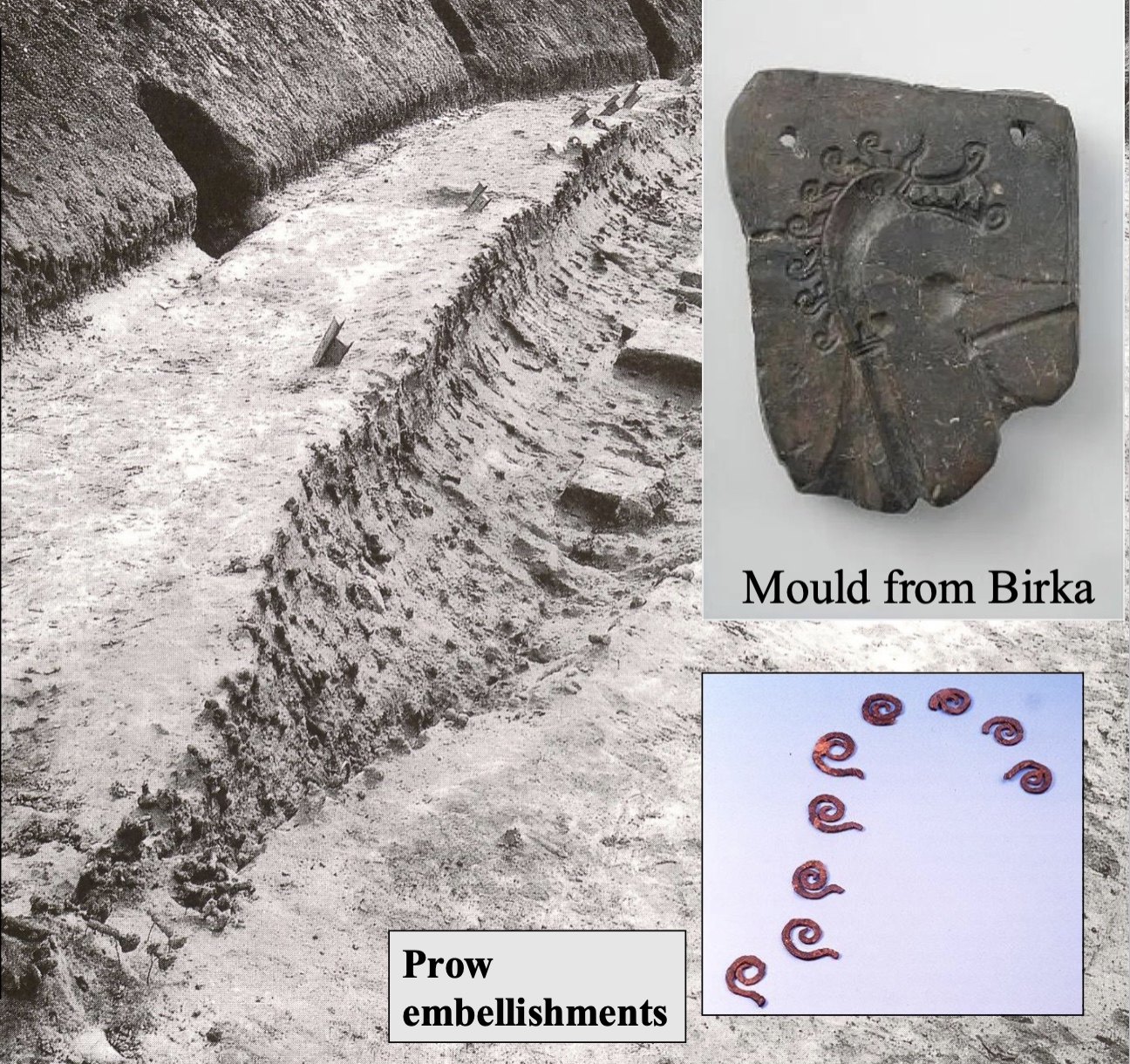
Ladby
Longship burial from c. 925. Included dog and horse equipment, arrowheads, gaming boards, fine cloth, silver dish, and a frank buckle. Burial contained one man, 11 horses and 4-5 dogs. Timber of the boat did not survive but the nails and iron details did

Scar, Orkney burial of a man and young boy c.875-950
Ship Cremations
No archeological evidence for these types of burials but many accounts from Norse mythology

Oseberg Burial
contained 2 women, one around 50, the other around 70. Haploground analysis suggests they are Iranian. Looting between 953-75 lest no precious metals. Horse skeletons, Dog skeletons, Ox skeletons, Peacock skeleton
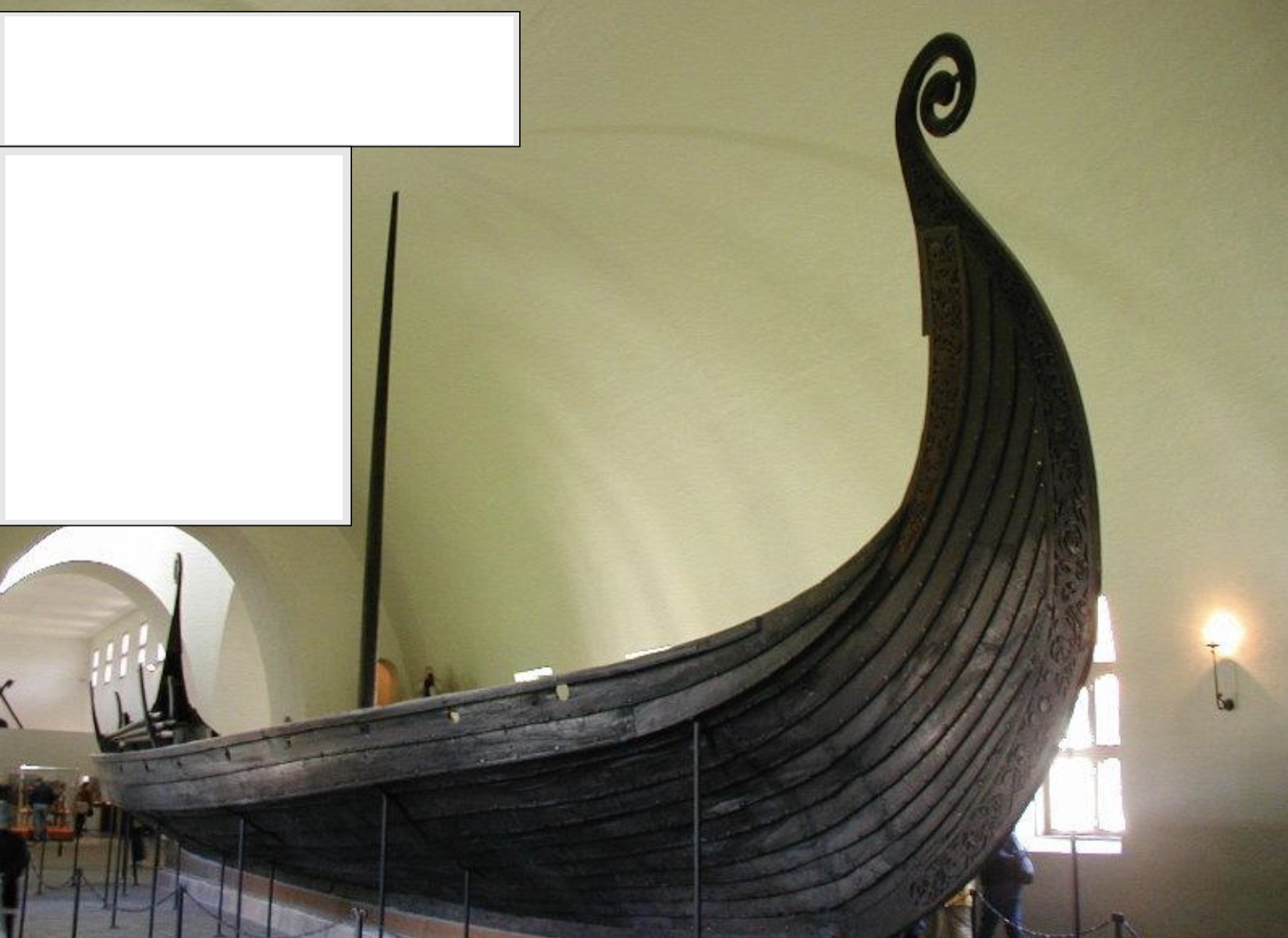
Karve, Clinker built longship made from oak in Western Norway

Oseberg Style
First Viking art style, 750-850. Gripping beasts motif

Jelling, Denmark. Ship burial with two mounds (north and south), two rune-inscribed stones


Jelling Stone
Memorial of King Harold who converted the Danes to Christianity
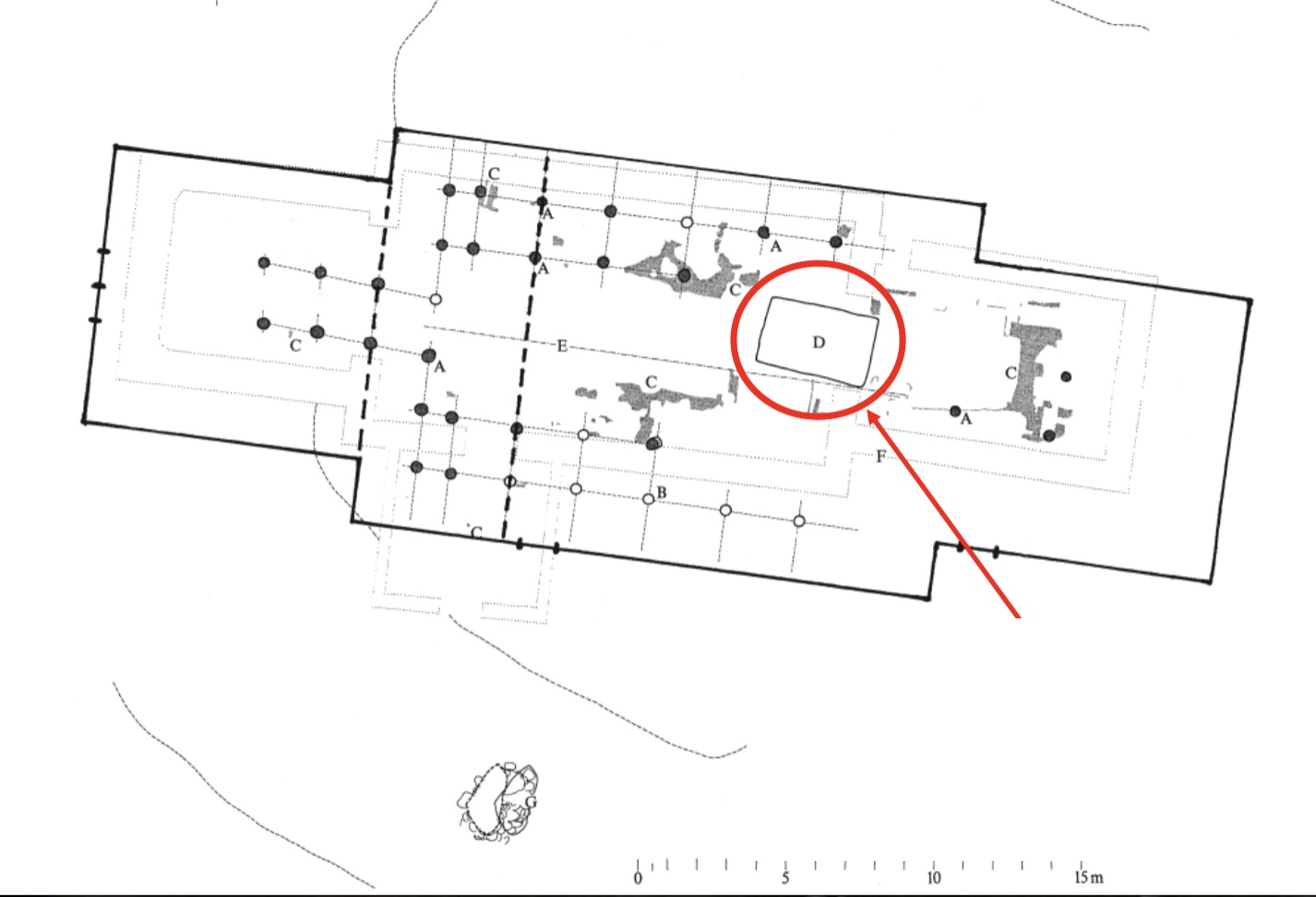
North mound burial chamber of a man 40-50, possibly king Gorm. Found within a 10th century church (Jelling, Denmark)
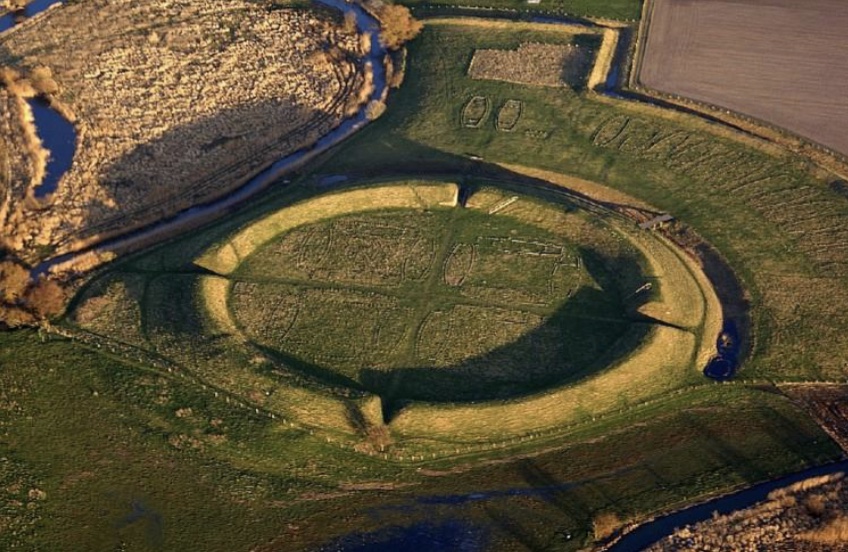
Trellborge, Zealand
c. 980 circular fort with large ram ponds, entrances at cardnal points circulated critique on whether this was a military fort


Fyrkat Jutland
c.975, lasted about 15 years. Was typical in that it was built in a boggy area for defence. Entrances at cardnal points, 16 long houses, many different activities went on within, 30 burials of both men and women. Archetecture displayed the importance of the king

Fyrkat Burial
c.980 Woman buried in a wagon with an iron staff, chair shaped pendant, lead brooch, and Iranian bowl. Interprated as a strange burial likely connected to Harald despite the timing
Hedeby
8-11th century rampart, abandoned after being burned in 1066. Had D shaped enclosures boardering the water that are associated with both England and Ireland

Hedeby 1
c. 985 royal longship, narrowest longship ever found

Hedeby coinage
Early 9th century, first Viking coinage, indicated this was an important trading center

Ribe
Emporium showed evidence for 8th century settlement, rectangular plots with gables facing the street, 11th century minted coins

Ravning Enge, Jutland
Largest bridge from the Viking period(986). Crosses the Vejle valley and approaches Jelling from the south. Massive investment for the area.

LINDISFARNE, 793
Historically kicks off viking raiding as is seen in the Anglo-Saxon Chronical
Rathlin Island
First recorded raid in Ireland
Iona, Scotland
Founded by Irish monks, mark of Columbon group on monasteries. Went though multiple raids/burnings by Vikings before the heads of the group relocated to Kells
Initial Raids
For the first 10 years, viking activity was limited to islands and costal places where they would not linger raising questions if these where island takings or just hit and run attacks
Skerries, Dublin
The burning of Inis Pátraic, took cattle tribute, broke the shrine of Do-Chonna, indicating the importance of it,
Etgal
Captured from Skelling and starved to death
post 835 raids
Movement of vikings inland, taking many prisoners

Hostage Stone
From Inchmerrock, possible artifact depicting Vikings carrying off a monk

Enslaved People
Evidence is largely invisible in archeology, Dublin was identified as a major slave market

Lindisfarne, Northumbria grave marker. Possible depiction of a viking raid supported by the charcters’ use of axes
Portmahomack, Easter Ross
Best evidence for raids. Had manuscript writing, metal work, and carving. Evidence of deliberate distruction, coensides with 2 burials with blade markes at the skull

St Ninian's Isle Hoard
Hoarded silver dating from 800, some objects with an obvious chirstian element. 28 objects total
Irish/Scottish Insular items in Scandinavia
Mostly from 9th-10th centuries. Confirmes contact between Scandinavia and Ireland whether it was from raids or not (christian objects were likely raided). More materials survived due to Scandinavian non-christian burials

Melhus Shrine
7th century Irish house shaped shrine, associated with a 9th century female double boat burial, was placed in the grave empty

Gold Foil figures
the figures may depict a ‘secular elite’ who fulfilled roles in the pre-Christian cult practice

9th century pseudo-penanular brooch from a 10th century woman’s grave in Norway

Fragmented peices of church metal work from Norway turned into brooches in

Volute crosier-head
8th century- earliest example from Western Europe. Depicts everyman being chased by Satan
Duiblinn Longphort
c. 840. Vikings used this settlement to carry out raids on the inland on Ireland
Longphort
Used as ship bases with trading, defensive and settlement elements
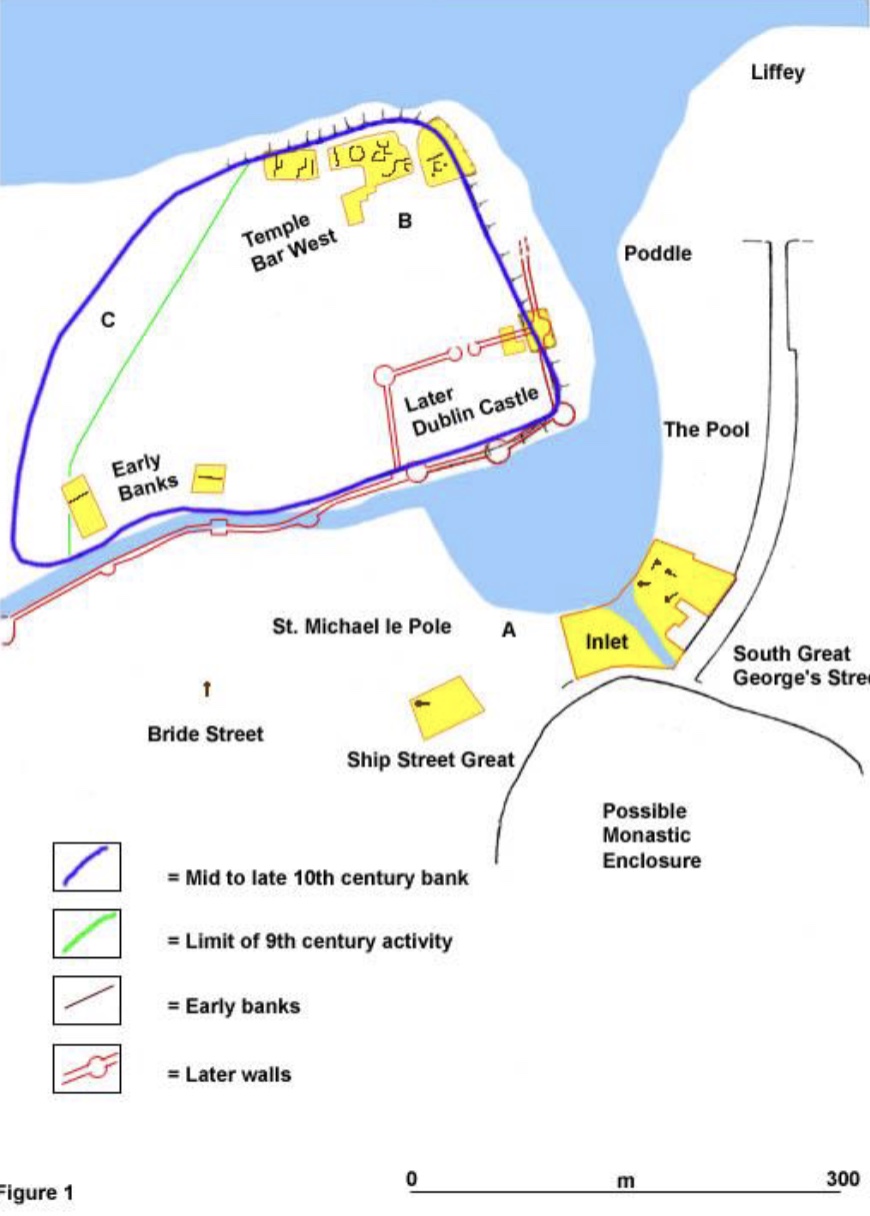
Simpson’s Development Model For Dublin
Early settlements existed but where abandoned
Late 9th century brought small 9th century houses
Developed from east to west
Settlement preexisted the church site
South Great George Street
Young male buried with an iron shield boss and dager/knife. C14 dated between 640-880

Long Stone
Monument on peirce street erected from the Dublin Bay
Kilmainham-Islandbridge
Rich in artifacts such as swords and weaponry although most were broken. Only one set of human remains recovered but it is speculated that there were many more

Kilmainham Brooch - Irish metal work

Oval Brooches
Work exclusively by women. Presence at Kilmainham suggests women lived in the longphort

Scales and Scale pan
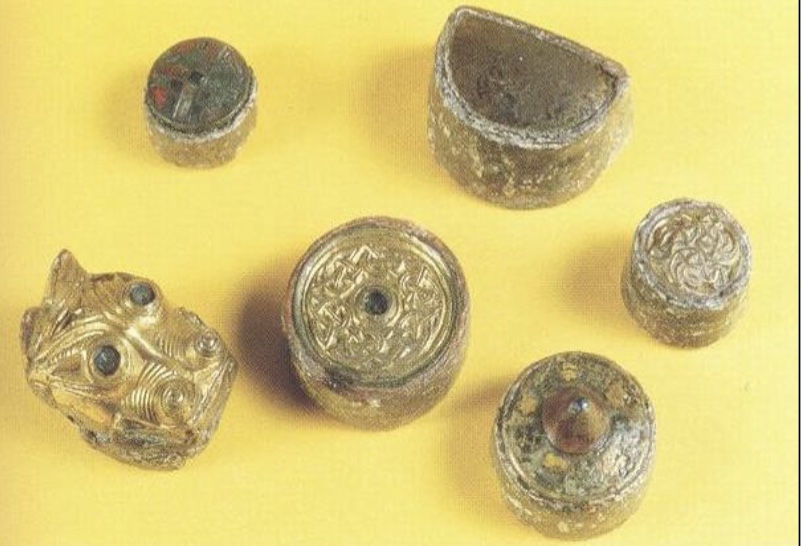
Inset lead weights, chopped up peices on metal work used to weigh silver

Cuerdale Hoard
Seen as evidence of the Pagans being pushed out of Ireland in 902.
Dated 905-910 based on coinage
Largest silver hoard in the Viking West(42 kg)
7,500 coins and 1,100 other objects
Graham-Campbell
Speculated that the Cuerdale hoard included capital from the exile from Dublin
Woodstown
Lots of historical evidence of its existance but no archeological before the 11th century. Was abandoned but not build over.
600 features and 1000 artifacts.
Little stratography which caused many artifacts to be disturbed by machine digging
Burial evidence with no remains found(possibly a warrior burial)

Kufic Coin
Middle eastern coin brought into Scandinavia and then to Ireland

Lead weight found at Woodstown
Hoard
Collection of valuable items buried undergound with the intent of being retrieved
Viking Age Hoards
Dominated by jewlery, ingots, hack silver, and sometimes coins
3 Types of Hoards
Coinless(most common in Ireland), mixed, and coin only
Two peaks in the discovery of hoards
1830-1860 due to high rates of spade farming
1969-1980 due to the invention of metal detectors
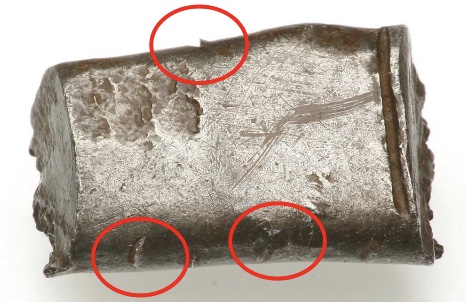
Nicking
Small cuts made into silver to check is purity. No one used pure silver but usually at least 90%, which leaves the silver malable enougt to cut easily

Minutley Hacked Silver
Peices of silver weighing about ½ gram. Shows the importance of precision and the value to money

Ingots
Most common way to keep silver, all dated hoards with these are from the 10th century
Viking oz
about 26.15g of Silver, measurement many arm bands and ingots were made to result in

Broad-band Arm Rings
Second most common way to store silver, over 140 examples across 30 hoards on Ireland.Developed in the later 9th century Frequently decorated with stamps and grooves

Coiled-rod Arm Rings, Hibernoscandinavian

Annular Rod Arm-rings - Scandinavian

Pennanular Rod arm rings - Hibernoscandinavian

Pennanular Brooch

Ball (thistle) Brooch
Silver Hoard Concentrations
Woodstown, Annagassan, Ballykeeren
Woodstown Silver
Two coins, both kufic and in hack form. 217 lead weights
First metal-working furnace with silver and copper alloy

Casting Waste
Chunks of silver left over from being in a mold, only archeological evidence of this is found in Woodstown
Southern Ui Neill
Where most of the money and power was along with the highest concentration of viking silver. >40 hoards.
Clann Cholmain
Best preserved Viking board game. amount of silver totalled to over 50 kg
Viking Graves in Ireland
107 offically identified
78 male, 13 female, 16 of unidentified sex
mostly found in costal areas
Male Gendered Burial Artifacts
Weapons
Female Gendered Artifacts
Brooches, Beads, and textile working tools
Weapon Burials
Status symbol, in many cases, weapons would be placed around the deceased instead of being ‘worn’ by them. This has been interpreted as for the benefit of the mourners rather than of the deceased
Birka Chamber Grave
Warrior grave excavated in 1878, aDNA testing later determined the deceased was a woman
Kilmainham-Islandbridge Burials
53 total, 42 male, 8 female, 3 unidentified
42 of the graves contained at least one weapon
Some of the weapons were deliberatly broken
Only cemetery to produce artifacts associated with trade
War Memorial Park
Burial of a young man, desturbed with several bones missing
Sword and spearhead where deliberatly damaged
Isotopic analysis suggests he was Scandinavian
Völva
Priestess and shamaness who practice magic. 40 known burials, rich most containing an iron staff.
Can be done for either luck or for a curse

Whale Bone Plank
Of unknown use. Where originally thought to be used for ironing due to its presence in women’s graves but it is unlikely
Ship Street Great
Truncated skeleton of a young man, skeletal analysis indicated a life of physical activity.
DNA analysis indicated Scottish Isle origins
South Great Georges Street
Four burials close to the edge of Dublin
Two male, two unknown, all disturbed
Isotope analysis suggests they came from Scandinavia and Scotland
Found with swords, combs, shield bosses and decorative pins
Two had shields placed over their chests

Golden Lane
Two burials, one male, one female
female - decorated bone buckle
male - arrow head, knife, 2 lead weights, and a belt buckle