STAT1127-Some Basic Probability Concepts
 Call Kai
 Learn
Learn Practice Test
 Spaced Repetition
 Match
Match Flashcards
 Knowt Play
1/26

There's no tags or description
Looks like no tags are added yet.
Name | Mastery | Learn | Test | Matching | Spaced | Call with Kai | Chat |
|---|
No analytics yet
Send a link to your students to track their progress
27 Terms
–an event can occur in N mutually exclusive and equally likely ways
–and M of these ways possess a trait, E
classical probability
–Some process is repeated a large number of times, n
–and some resulting event with the characteristic E occurs m times
relative frequency probability
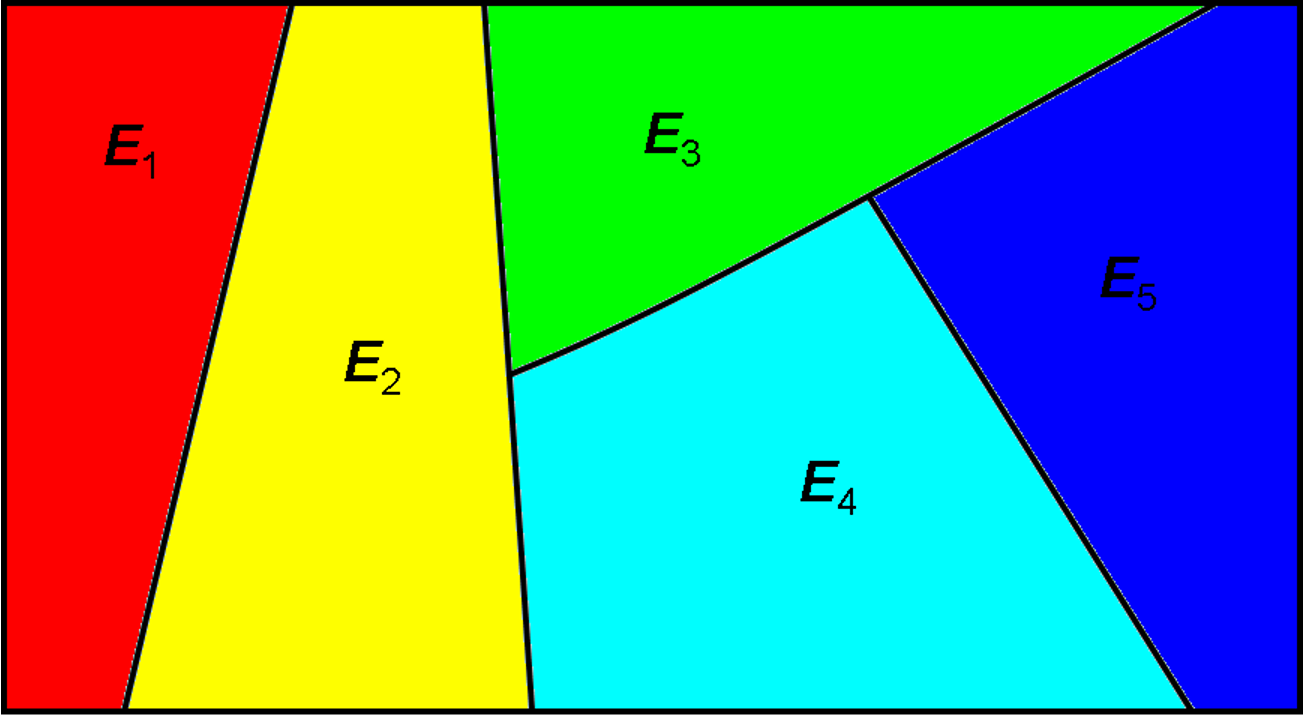
venn diagram
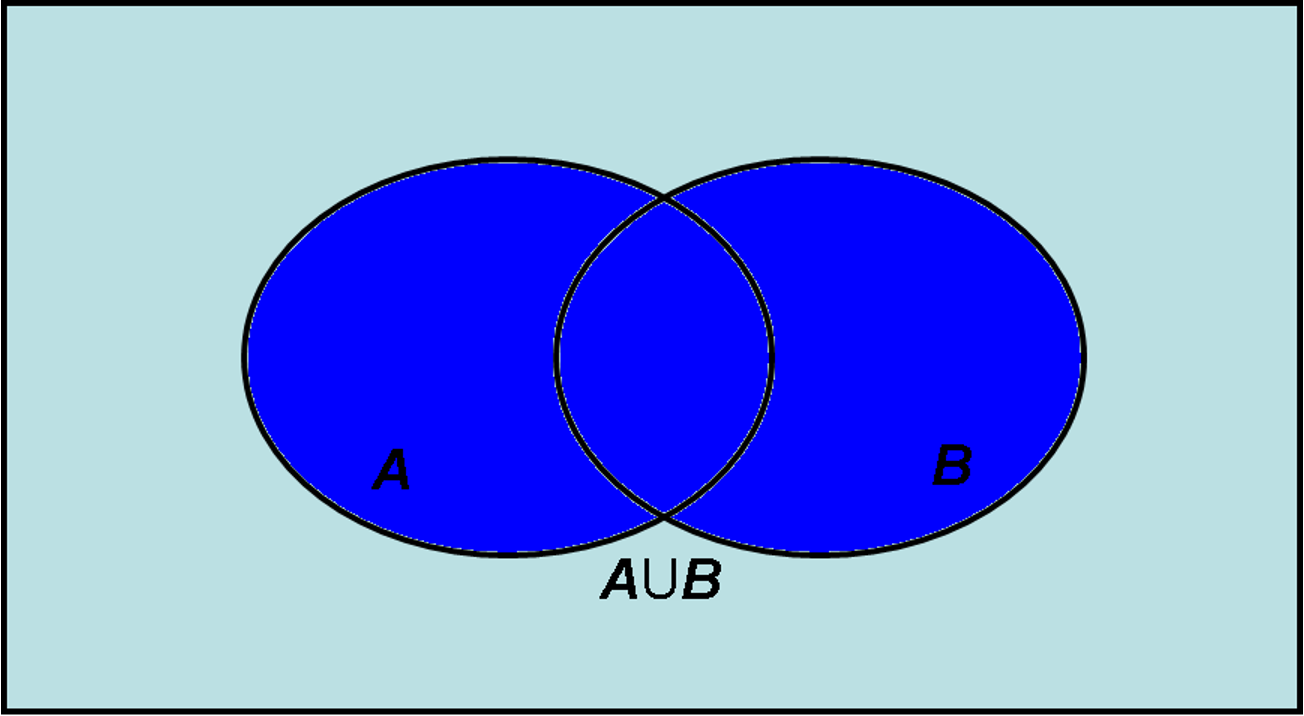
the union of 2 sets
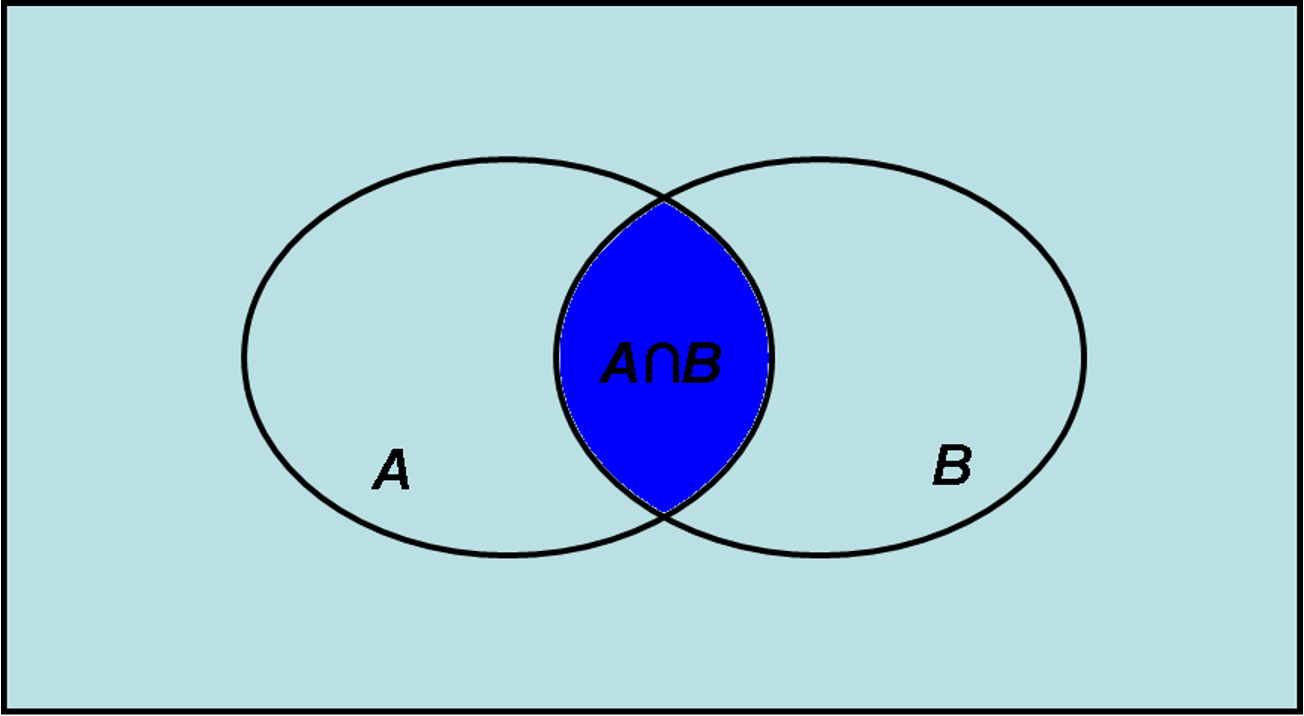
the intersection of 2 sets
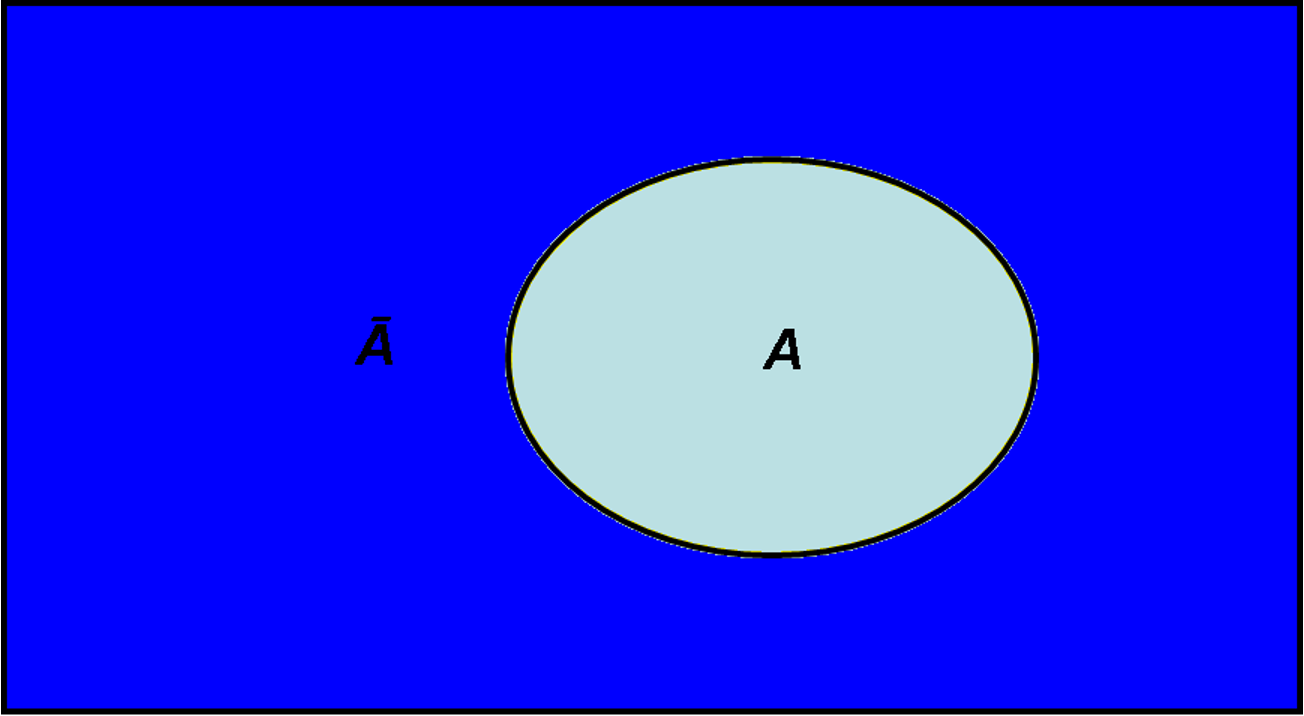
complementary set
Given some process (or experiment) with n mutually exclusive outcomes (events), E1, E2, …, En, the probability of any event Ei, i=1, 2, …, n, is assigned a nonnegative number.
elementary properties of probability I
•The sum of the probabilities of the mutually exclusive outcomes is equal to 1.
elementary properties of probability II
•Consider any two mutually exclusive events, Ei and Ej. The probability of the occurrence of either Ei or Ej is equal to the sum of their individual probabilities.
elementary properties of probability of III
–The probability result based on the whole sample
Marginal Probability
–The probability result based on a subset of the sample
conditional probability
•The probability that a randomly selected subject possesses two or more characteristics at the same time
joint probability
•The conditional probability of A given B is equal to the probability of A∩B divided by the probability of B, provided the probability of B is not zero
conditional probability
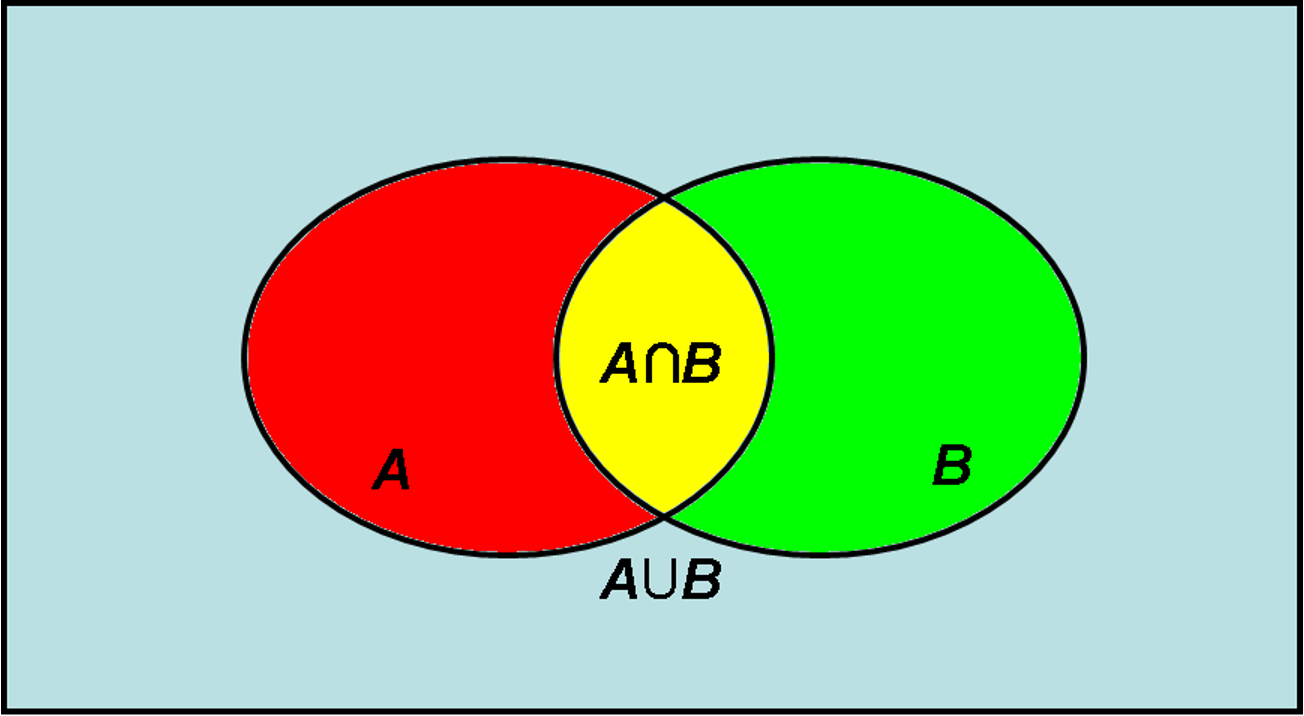
venn diagram
independent events
P(B|A)=P(B), P(A|B)=P(A)
Given some variable that can be broken down into m categories: A1, A2, …, Am, and another jointly occurring variable that is broken down into n categories: B1, B2, …, Bn, the marginal probability of Ai, P(Ai), is equal to the sum of the joint probability of with all the categories of B.
marginal probability
results when a test indicates a positive status when the true status is negative
false positive
results when a test indicates a negative status when the true status is positive
false negative
the probability of a positive test result given the presence of the disease
sensitivity, P(T|D)
•the probability of a negative test result given the absence of the disease
specificity, P(T-|D-)
•the probability that a subject has the disease given that the subject has a positive screening test result
positive predictive value P(D|T)
the probability that a subject does not have the disease, given that the subject has a negative screening test result
negative predictive value P(D-|T-)
bayes theorem
P(A|B)=P(B|A)P(A)/P(B|A)P(A)+P(B|A-)P(A-)
P(A|B)
P(A n B)/P(B)
P(B)
P(A n B)+P(A- n B)
P(A n B)
P(B|A)P(A)
P(A- n B)
P(B|A-)P(A-)