Clinical Medicine Exam 2
 Call Kai
 Learn
 Practice Test
 Spaced Repetition
 Match
 Flashcards
 Knowt Play
1/67

There's no tags or description
Looks like no tags are added yet.
68 Terms
antigens
recognize the self
antibodies
recognize foreign invaders
T cells
highly specific to invaders
anaphylaxis
closes off your airway and is a medical emergency
anaphylaxis treatment
epipen and oxygen
immunodeficiency disorders
b cell deficiency: increased susceptibility to bacterial infections
t cell deficiency: increased susceptibility to viral / fungal / protozoal infections
predisposes patients to opportunistic infections (infections most people can fight off)
acquired immunodeficiency syndrome
progressive impairment of immune system caused by HIV
stage of active infection
a common opportunistic infection is kaposi’s sarcoma
AIDS
diagnosed by presence of HIV antibodies in blood, CD4 count <200 cells/mm, and/or one or more opportunistic infections
western blot test to confirm
AIDS treatment
highly active antiretroviral therapy (HAART) is the current treatment of choice
goal is to maintain immune system for as long as possible
pernicious anemia
type of megaloblastic anemia caused by impaired absorption of B12
B12 is needed for cognitive function
diagnosis: schilling test
macrocytes may have howell-jolly bodies
systemic lupus erythematosus (SLE)
chronic inflammation of skin, joints, nervous system, kidneys, lungs, and other organs
onset typically occurs in women of child-bearing age (affects women more than men)
raynaud’s phenomenon (raynaud's as a symptom rather than the disease itself) and hair loss are common
SLE diagnostic criteria
butterfly rash on face
positive antinuclear antibodies (ANA) are definitive for lupus
raynaud’s disease
Chronic spasm of peripheral arterioles constricting and compressing circulation
Most frequently seen in young women
Exposure to cold leads to balancing of fingertips, possible cyanosis, and then redness
Does not appear above metacarpophalangeal joins and does not affect thumb
Usually resolves spontaneously after applying warmth
Seronegative Spondyloarthropathies
inflammatory rheumatic disease with negative RF factor (seronegative) but often associated with HLA-B27 gene
juvenile arthritis
migrognathia (receding chin) is characteristic
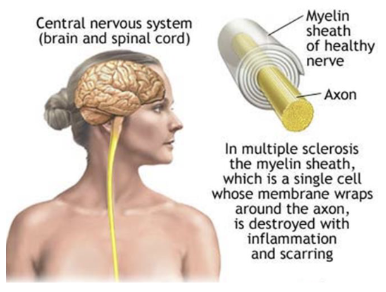
multiple sclerosis
a demyelinating disease, diagnosis of exclusion until plaques / lesions appear on MRI
myasthenia gravis
a chronic progressive neuromuscular disorder that gets worse with activity and has unexplained spontaneous remissions
characterized by extreme muscle weakness without atrophy and progressive fatigue requiring rest
pituitary gland
the “master gland,” connects the nervous and endocrine systems by releasing hormones that regulate thyroid, adrenal glands, reproductive organs, growth and water balance
gigantism
rare hyperpituitarism prior to puberty
acromegaly
rare hyperpituitarism after puberty
hyperthyroidism: grave’s disease
exophthalmos (bug eyes) is characteristic, low TSH and high T4 are indicative
hypothyroidism
treated with hormone replacement for life
hypoparathyroid disease
common signs are bone pain / weakened bones (osteoporosis), kidney stones, abdominal pain, fatigue, depression, constipation, and hypercalcemia
cushing syndrome
excessive circulating cortisol levels due to hypersecretion of the adrenal cortex, a moon shaped face is characteristic
addison’s disease
partial or complete failure of adrenocortical function, bronzing of the skintone is characteristic
type i diabetes
autoimmune condition, abrupt onset before 30 yoa, little or no insulin being secreted
3 p’s of type i diabetes
poluria (frequent urination), polydypsia (excessive thirst), polyphagia (increased appetite)
type ii diabetes
most common form, gradual onset usually after 30 yoa, some pancreating function remains, poorly managed or untreated has significant complications
diabetic ketoacidosis
occurs when there is too much glucose and not enough insulin (a sweet, fruity breath smell is characteristic)
insulin shock and diabetic coma
occurs when there is too much insulin and not enough glucose
sinus rhythm
normal beating of the heart
the SA node
the natural pacemaker of the heart
right and left atrium
collect blood from veins
right and left ventricles
pump blood from heart into arteries
ecg / ekg
not definitive of certain diseases, you can have a normal EKG and still have a heart disease
cardiac catheterization
considered the gold standard of heart disease tests
diuretics
remove extra fluid and salt through urination, 1st line of defense for hypertension
beta blockers
slows heart rate, reduces force of contractions, decreasing renin release and sympathetic outflow, 1st line of defense for hypertension
calcium channel blockers
relaxes blood vessels and slows heart rate, can’t discontinue abruptly or angina (chest pain) may occur
ace inhibitors
relax and widen blood vessels, cough is a common side effect
digitalis glycosides
drug of choice for systolic CHF and atrial fibrillation
statins
lower LDL (bad cholesterol), works best if taken late in day
hypertension
chronic condition where the heart works harder to pump against increased resistance, most prevalent cardiovascular disorder in the US, elevated blood pressure does not necessarily mean hypertension
ischemia
not enough blood flow to the heart to keep up with oxygen demand
infarction
death of heart muscle
angina
chest pain, onset is caused by exertion (heart attacks occur at rest or exertion), diagnosis: pt history reveals exertional chest pain
myocardial infarct
occlusion of coronary arteries causing death of myocardial tissue, most common cause is coronary thrombosis
stenosis
valve does not open fully / narrowing of a valve, forward flow is obstructed
regurgitation
valve does not close fully, blood flows backwards
prolapse
valve bulges backwards, may lead to regurgitation
shock
life-threatening collapse of the cardiovascular system, lactic acid accumulates
peripheral artery disease
circulatory disorder involving narrowed arteries supplying extremities due to atherosclerosis (plaque buildup)
peripheral artery disease symptoms
intermittent claudication (severe cramping) that improves with rest, cold feet/legs (due to poor circulation), poor wound healing (also due to poor circulation)
infective endocarditis
inflammation of lining and valves, vegetations (infected masses) are indicative
pericarditis
acute or chronic inflammation of pericardium (enclosed sac around the heart)
cardiac tamponade
life-threatening compression of heart muscle and restriction of heart movement caused by blood or fluid trapped in pericardial sac
rheumatic fever
systemic inflammatory and autoimmune disease involving joints and cardiac tissue, generally preceded by strep
sepsis
life-threatening condition that occurs when body’s response to an infection becomes dysregulated and causes widespread inflammation, leading to organ dysfunction or failure, early intervention is the key to improved outcomes
possible causes of anemia
acute or chronic blood loss, decreased production of red blood cells, increased red blood cell destruction
anemia diagnosis
ferritin level (evaluating iron levels)
disseminated intravascular coagulation (DIC)
life-threatening disorder in which the body’s clotting system becomes abnormally activated throughout the bloodstream leading to excessive clot formation and severe bleeding
acute lymphatic leukemia (ALL)
most common childhood leukemia, one of the most curable childhood cancers
acute myelogenous leukemia (AML)
auer rods will be present in diagnosis
chronic myelogenous leukemia (CML)
presence of philadelphia chromosome in diagnosis
hodgkin’s lymphoma
reed-sternberg cells are present in biopsy of node
multiple myeloma
bence-jones protein in urine is indicative
venous thrombosis
formation of a blood clot within a vein, remains at site of origin
commonly occurs in deep veins of legs (DVT), pelvis, or arms
symptoms: swelling, redness, warmth, pain, tenderness in affected limb
primary concern is obstruction of venous blood flow
may remain localized or develop into an embolus
embolus
clot or other material that travels through bloodstream and becomes lodged in distant vessel
common sites are pulmonary arteries (pulmonary embolism), brain, or other organs
symptoms have a sudden onset depending on location (shortness of breath, chest pain, stroke)
primary concern is blockage of blood flow to critical organs / tissues, can cause life-threatening organ damage or death