ANSC 1000 Exam 4
 Call Kai
 Learn
 Practice Test
 Spaced Repetition
 Match
 Flashcards
 Knowt Play
1/56

Earn XP
Description and Tags
Auburn, Wayne Green
57 Terms
stockmanship
application of skill, creativity and knowledge to sound principles of livestock management founded on the model of the good shepherd
stewardship
careful and responsible management of something entrusted to one’s care
resource health
conservation, short and and long term improvements, managing polarities
economics
profitability, productivity, cost of inputs, risk management
community
feeding people, providing jobs, reinvestment
ethics and values
stewardship and husbandry
sustainability
method of harvesting or using a resource so that the resource is not depleted or permanently damaged
based on ecosystems, economics, and communities
environmental management issues
society perception vs reality
often driven by social interest groups
land use issues
housing vs recreational vs forestry vs crops vs animal use
producer code of cattle care
ethics code for animal wellbeing
residues
withdrawal times, growth enhancers
hazard analysis critical control points
every company has to conduct hazard analysis, identify critical points, establish preventative measure limits and monitoring process, take corrective action, keep records, monitor system, etc.
swine and poultry integrator
“vertically integrated”
owns animal and processing facilities
provides feed
develops program
controls breeding
responsible for transportation and marketing
swine and poultry farmers/growers
owns the farm, houses, facilities
provides infrastructure
daily caretaker
beef cattle production
more independence than in other industries
more freedom for producers/variability in income
more complex marketing
cow-calf production
dependent on forage based production systems located across the US
seedstock/purebred producer
focused on genetics
generates breeding bulls and heifers
market animals through specialized auctions
commercial producers
focused on market animal production
breeds for growth and feed efficiency
market animals in many ways
states with the most beef cows
Texas, Kentucky, Tennessee, Florida
area of Alabama with the most cows
Cullman
stocker/backgrounder
calves from weaning to 700 lbs
dependent upon high quality forage based diet or group feeding in pen environment
manage until they reach feedyard weight and sold in group lots
40,000 head
avg size feedyard in the US
potassium and phosphorus
crucial feed elements
high concentrate diet
fed at feedlot
1300 to 1450 lbs
finishing weight
4.5-5 lb/day
ADG early in feed period
3-3.5 lb/day
ADG late in feed period
Corn Belt
Midwest area (Illinois, Indiana, Iowa, Michigan, Minnesota, Nebraska, Ohio, South Dakota, and Wisconsin)
packer
buys cattle, slaughters and processes them, packages the meat, and distributes products
4 major ones control 80-85% of supply
JBS
world’s largest beef packer
Angus
most popular breed in the US
known for marbling
Angus and Hereford
maternal breeds due to their mothering ability
Charolais, Simmental and Limousin
European breeds recognized as sire breeds
fast growing, muscular and larger framed
reproductive performance
highest economic impact of all traits
carcass merit
USDA Quality and Yield grades
conformation
Measure of structural soundness
6-8 months
weaning age
5-18 months
cows at stocker/feedlot
13-26 months
age of harvest
nutrition
greatest cattle input cost
farmer-farmer feedyard
prominent in the upper Midwest along the corn belt
Usually less than 1000 head capacity
Feed their own corn and roughage
Usually only one time per year
commercial feedyard
majority in NE, CO, KS, OK, NM, TX
Usually 20,000 – 120,000 head capacity
Usually fill pens 2 to 2.5 times a year
custom commercial feedyard
they do not own cattle, feed cattle for other people, “cattle hotel”
company owned commercial feedyard
company owns cattle in feedyard
feedlot cattle management costs
Facilities investment
Cost of feeder cattle
Feed cost
yardage
Marketing
environmental management
creep feeding
Providing supplemental feed to nursing calves to increase weight gain, though it can be expensive
Growth Stimulants
Products used to increase weaning weight by as much as 5%
Hybrid Vigor/Heterosis
increased performance of crossbred offspring compared to purebred averages, which can result in a 10–30% increase in weaning weight
postpartum interval
period of time from calving until the resumption of normal reproductive cycles; heifers typically have a longer postpartum interval than mature cows
Ayrshire
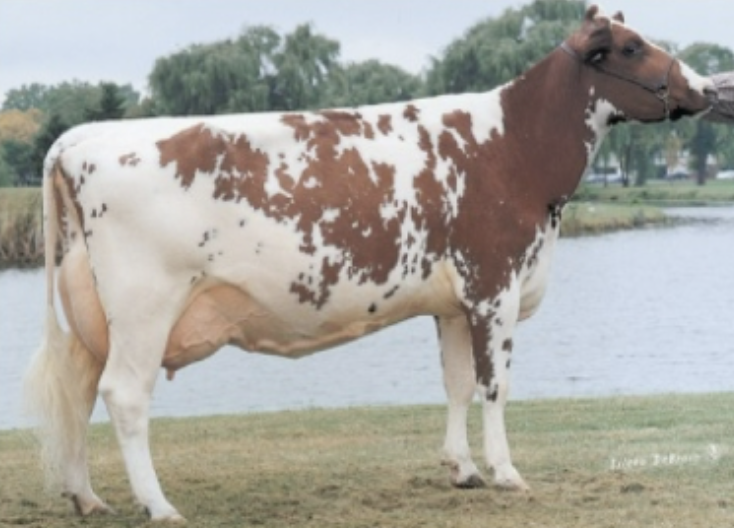
produce milk over a greater number of years than Holstein
Holstein

most common in the US
some can produce over 100 lbs of milk/day
great stress on mammary system/udder ligaments
Brown Swiss

produce milk over a greater number of years than Holstein
Jersey

produce milk having a higher percentage of milk fat and solids-not-fat, but much lower amounts of milk compared to Holstein
produce more milk than Guernsey
Guernsey

produce milk having a higher percentage of milk fat and solids-not-fat, but much lower amounts of milk compared to Holstein
Milking shorthorn
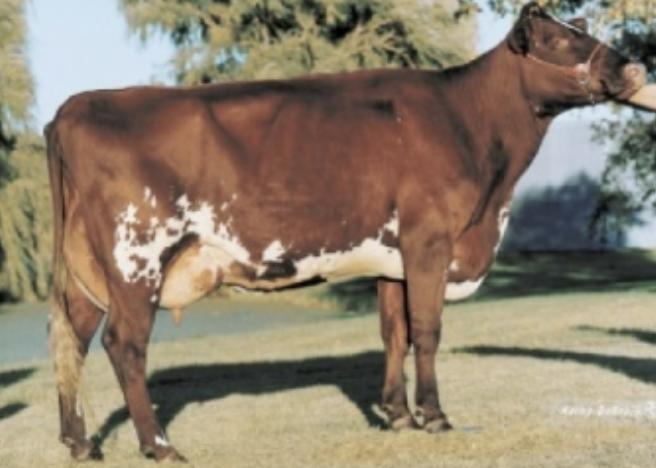
red and white

causes of improved efficiency in dairy industry
DHIA – Dairy Herd Improvement Association (National Cooperative Dairy Herd Improvement Program), milk testing
genetic record keeping
artificial insemination, sexing semen
straightbreeding (crossbreeding doesn’t help with dairy cows)