TOPIC 5 DENTAL CEMENTS
 Call Kai
 Learn
 Practice Test
 Spaced Repetition
 Match
 Flashcards
 Knowt Play
1/66

There's no tags or description
Looks like no tags are added yet.
67 Terms
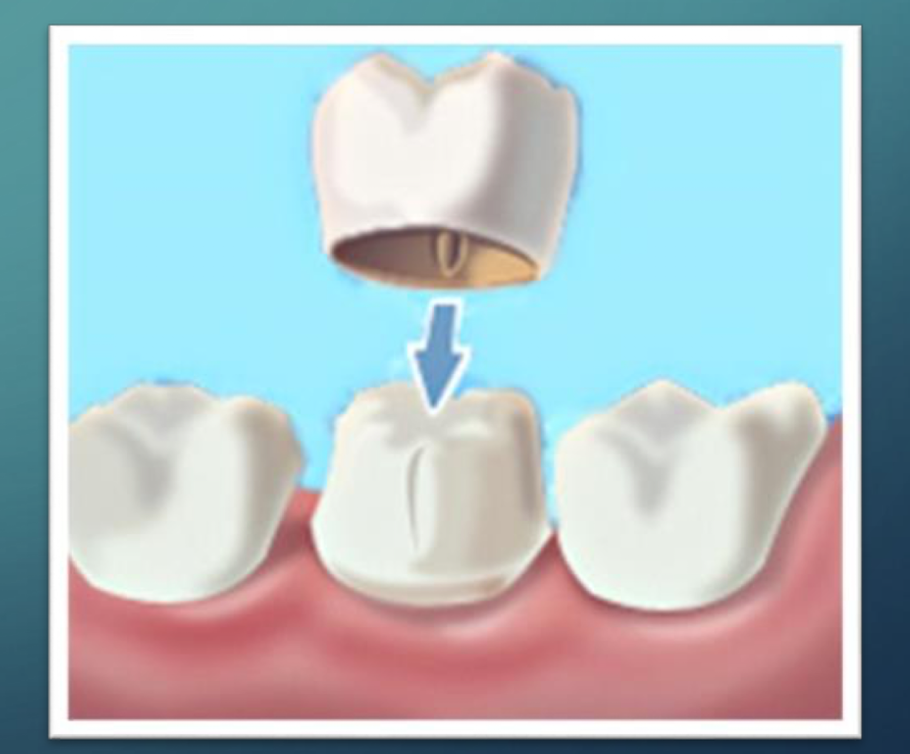
What is dental cement?
A substance that harden from a viscous state → solid state to join 2 surfaces.
What are the functions of dental cement?
acts as base, liner, filling material
luting cement to bind prosthesis to tooth surface.
What forms are dental cements available as?
Powder and liquid
Base and catalyst paste
Premixed capsules
What are the ideal requirements of dental cement?
Nontoxic, nonirritant to pulp tissue
Insoluble
Mechanical properties
Adhesion to enamel and dentin
Bacteriostatic
Optical properties
Thermal, chemical, and electrical insulation.
How are luting cements classified?
Permanent luting cements
Temporary luting cements
What are the permanent luting cements?
Self cure luting GIC
Resin based cements
What are the two resin based permanent luting cements?
Adhesive resin cement
Self-adhesive resin cement
What are the temporary luting cements?
polymer reinforced ZOE restorative cement (IRM)
zinc oxide eugenol
zinc oxide non-eugenol
What are the three cement categories based on composition?
Water based
Oil based
Resin based
What are the water-based cements?
Glass & Resin Modified Glass Ionomer
Zinc Polycarboxylate
Zinc Phosphate
What are the oil-based cements?
Zinc oxide eugenol
Non-eugenol Zinc oxide
What are the resin-based cements?
Composite
Adhesive Resins
What are the forms of self cure GIC permanent luting cement?
Powder and liquid
Premixed in a capsule
What is the powder/liquid mixing ratio for self cure GIC permanent luting cement?
1 scoop powder: 2 drop liquid.

Where and with what is self cure GIC powder/liquid mixed?
On a glass slab with a cement spatula.

How is premixed capsule self cure GIC activated and dispensed?
Activated in an amalgamator
Dispensed using in applicator

How does self cure GIC set? (annotation)
Sets by itself by chemical reaction.
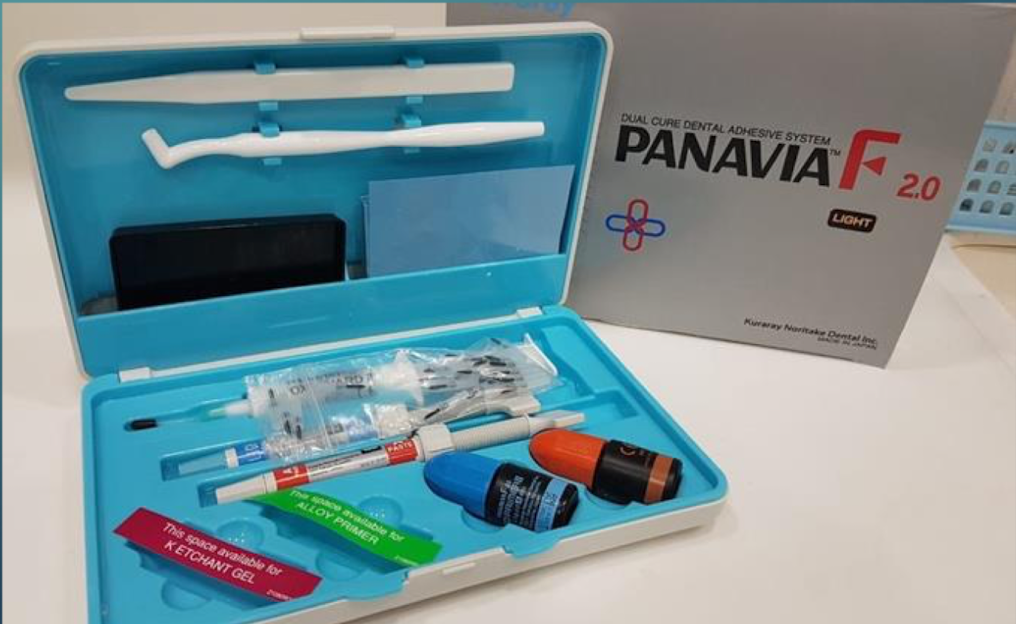
What does adhesive resin permanent luting cementrequire?
A separate PRIMER for:
bonding to tooth
alloy/ceramic substrates.
What is adhesive resin permanent luting cement used for?
Bonding of most alloy and ceramic restorations, EXCEPT veneers.
What steps are eliminated with self-adhesive resin permanent luting cement?
Etching, priming, and bonding.

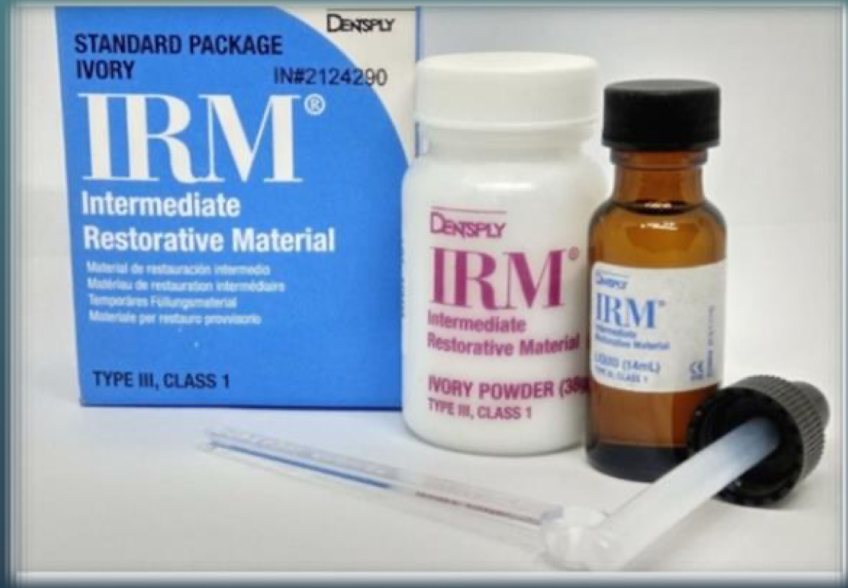
What does IRM temporary luting cement stand for?
Intermediate restoration material.
How long is IRM intended to remain in place?
No longer than one year.
What can IRM be used as beneath restorative materials?
A base under restorative materials + cements that do not contain resin components.

What are the components of IRM?
Polymer reinforced zinc oxide eugenol.
When does the IRM initially set?
Approx. 5 minutes since the mixing started.
What is the mixing ratio of IRM?
1 to 1 (powder/liquid).
How is zinc oxide eugenol temporary luting cement supplied and mixed?
Powder and liquid mixed on a glass slab.

How is zinc oxide non-eugenol supplied?
Base and a catalyst paste.

What is the function of solution cavity liners and varnishes?
Protective barrier between dentin and the restorative material.
What are the solution cavity liners and varnishes listed?
Copal varnish
Dentin desensitizers

What do dentin desensitizers do?
Block dentinal tubules and hence reduce sensitivity.
Under which restoration are dentin desensitizers used?
Amalgam restoration.
What is the function of a cement base/liner?
Applied in thicker layers BENEATH restorative materials
→ provide mechanical support for a restoration and thermal protection for the pulp.

What is Dycal used as?
Liner.

What is Glass ionomer used as?
Base; Liner; Temporary restoration.
What is Resin modified glass ionomer used as?
Base; Liner; Temporary restoration.
What are the uses of IRM? (slide 9 table)
Base; Temporary restoration; Permanent luting cement.
What is Biodentine used for in vital pulp therapy?
Pulp capping and pulpotomy.
What is Biodentine used for in the root?
repairing root
furcation perforations
internal and external resorption
What is the main component of Dycal?
Calcium hydroxide.
Where is Dycal used?
Deep cavities close to the pulp.
How is Dycal supplied?
2 tubes base and catalyst.
What does Dycal stimulate?
Formation of reparative dentin.
What are the main components of glass ionomer cement?
Powder: silicate glass
Liquid: polyacrylic Acid
What is glass ionomer cement used as?
A Base
A liner
A temporary restoration
What are the advantages of glass ionomer cement?
Release fluoride (aids in formation of enamel, “remineralization”)
Chemical retention
What does chemical retention of glass ionomer cement ensure? (annotation)
No micro leakage (no material enters pulp) and ensures good seal.
What is the glass ionomer mixing ratio for a LINER?
1 scoop powder / 2 drop liquid.
What is the glass ionomer mixing ratio for a BASE?
1 scoop powder / 1 scoop liquid.
What is the glass ionomer mixing ratio for a RESTORATIVE?
2 scoop powder / 1 scoop liquid.
How is glass ionomer cement supplied as?
Powder and liquid
Premixed capsule

What are the steps for using a premixed glass ionomer capsule?
Activated in an activator
Mixed in an amalgamator
Dispensed using in applicator
What type of cure is Resin Modified GIC (RMGIC)?
Dual cure. (light and self cure)
What is the fluoride-release property of RMGIC?
HIGH fluoride release.
What are the uses of RMGIC?
Liner
Base
Temporary restoration
Permanent restoration in pediatric/geriatric patients.
What is the RMGIC mixing ratio for a LINER? *
1 scoop powder: 2 drop liquid. *
What is the RMGIC mixing ratio for a BASE? *
1 scoop powder: 1 scoop liquid. *
What is the RMGIC mixing ratio for a RESTORATIVE?
2 scoop powder: 1 scoop liquid. *
How is RMGIC supplied?
Powder and liquid
Premixed in a capsule

What are the steps for using a premixed RMGIC capsule?
Activated in an activator; Mixed in an amalgamator; Dispensed using in applicator.
What is the full name of IRM restorative cement?
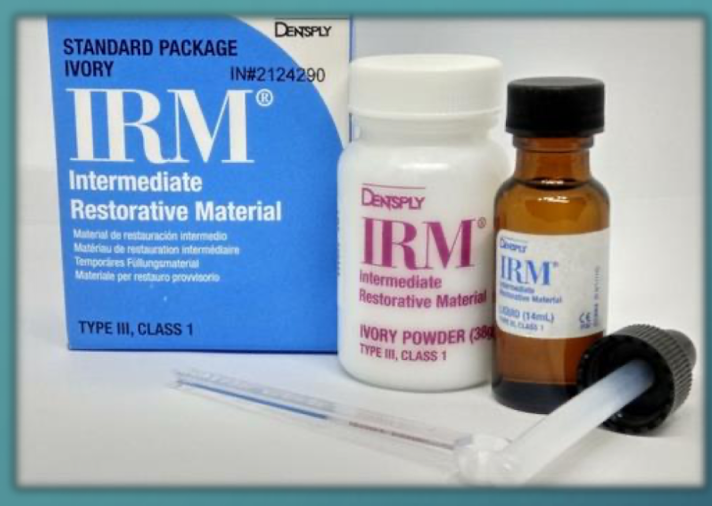
Polymer-reinforced zinc oxide-eugenol restorative cement (IRM).
What property does polymer-reinforced ZOE restorative cement (IRM) have?
Sedative property. → (from eugenol)
What is IRM used as under amalgam?
A base under Amalgam. **
What other uses of IRM are listed?
Permanent luting cement → (note: space maintainer for appliances)
Temporary restoration
How is Biodentine supplied?
Powder and liquid.

What does Biodentine promote?
Pulp healing.
What is Biodentine used as?
A base or liner.