3.3 Infection Prevention
 Call Kai
 Learn
 Practice Test
 Spaced Repetition
 Match
 Flashcards
1/49

There's no tags or description
Looks like no tags are added yet.
50 Terms
acquired immunodeficiency syndrome (AIDS) (n.)
The advanced stage of HIV infection in which the immune system is severely weakened
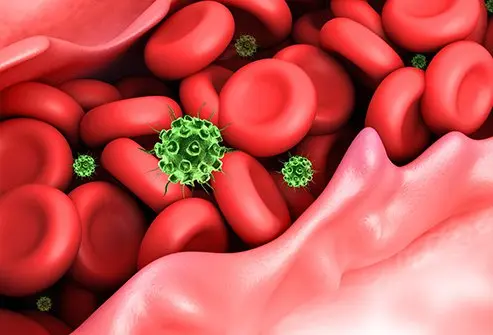
bloodborne pathogens (BBP) (n.)
Disease-causing microorganisms carried in human blood and certain body fluids

center for disease control (CDC) (n.)
A U.S. public health agency that provides guidance for preventing and controlling disease

clostridium difficile (C.Diff) (n.)
A bacterium that can cause severe diarrhea and intestinal inflammation, often after antibiotic use

human immunodeficiency virus (HIV) (n.)
A virus that attacks the immune system and can lead to AIDS

methicillin resistant staphlococcus aureus (MRSA) (n.)
A type of Staphylococcus aureus bacteria resistant to several antibiotics

multidrug-resistant organisms (MDRO's) (n.)
Microorganisms resistant to treatment with several antimicrobial medicines

occupational safety and health administration (OSHA) (n.)
The U.S. agency that sets and enforces workplace health and safety standards

personal protective equipment (PPE) (n.)
Wearable equipment such as gloves, gowns, masks, and eye protection that reduces exposure

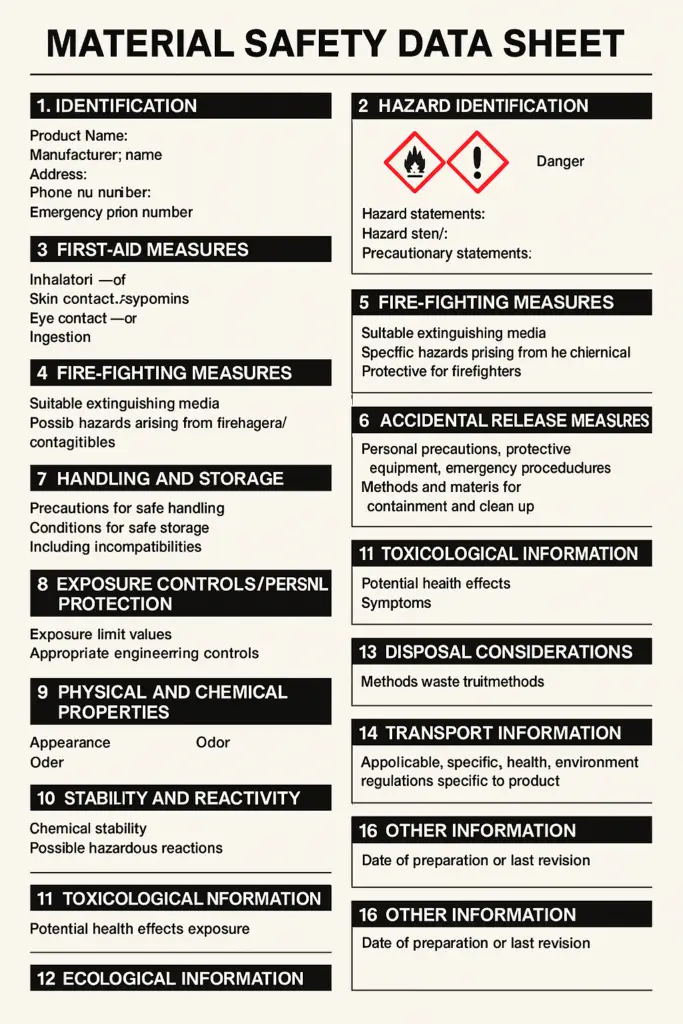
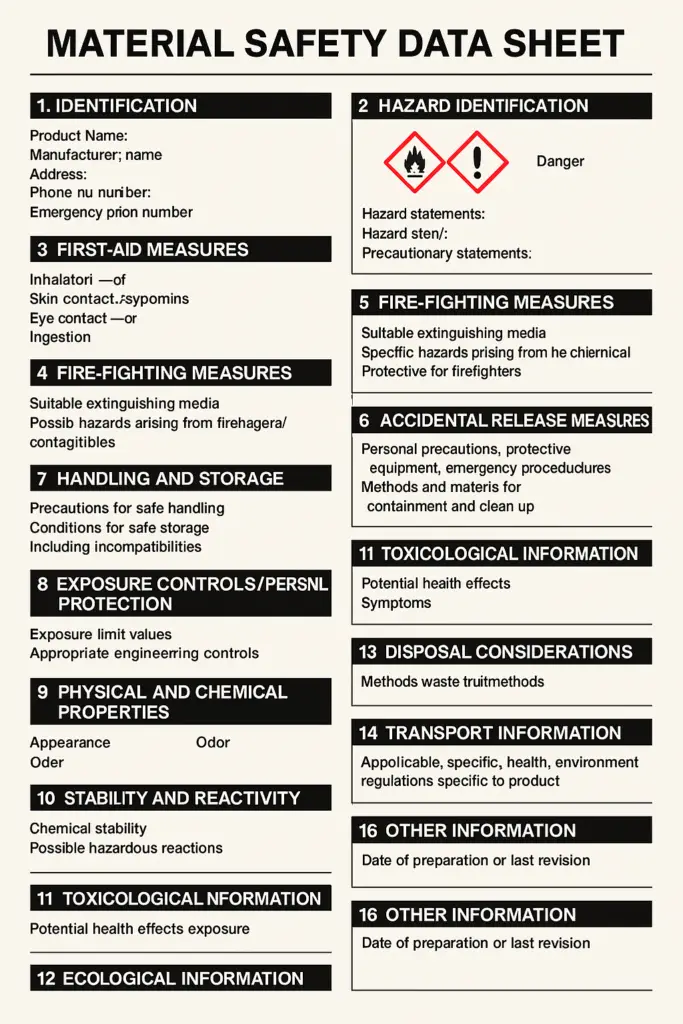
safety data sheet (SDS) material safety data sheet (MSDS) (n.)
A document explaining a chemical's hazards, safe handling, protection, and emergency procedures
tuberculosis (TB) (n.)
An infectious disease caused by bacteria that usually affects the lungs and can spread through the air

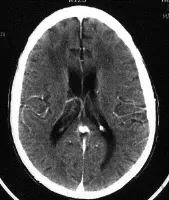
AIDS dementia complex (n.)
Changes in thinking, behavior, or movement caused by advanced HIV affecting the brain
airborne precautions (n.)
Measures used for germs that remain suspended in air, including special respiratory protection and room controls

communicable (adj.)
Capable of being passed from one person to another

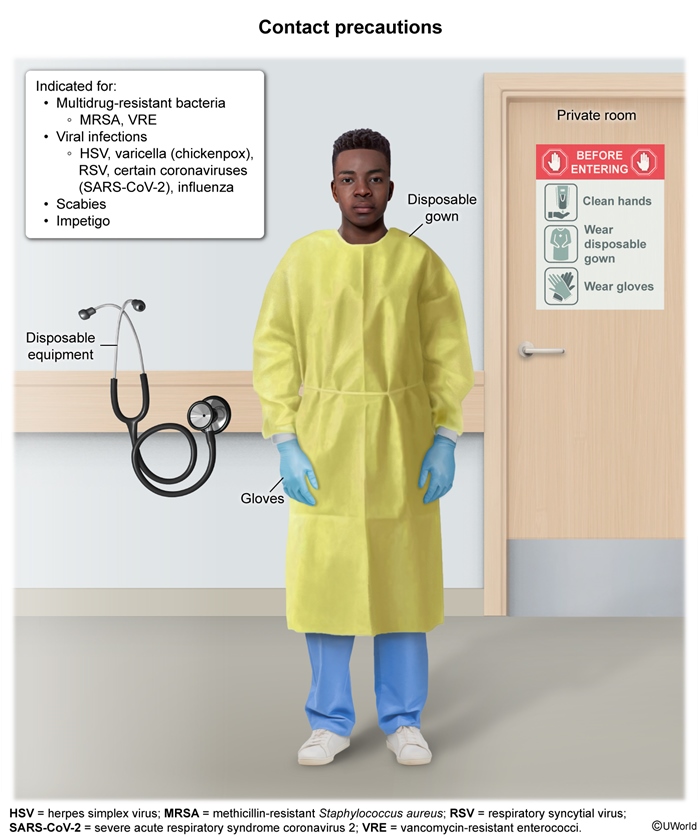
contact precautions (n.)
Measures used to prevent spread by direct touch or contaminated objects and surfaces
COVID-19 (n.)
A contagious respiratory disease caused by the SARS-CoV-2 virus

disposable (adj.)
Designed to be used once and then discarded

doff (v.)
To remove personal protective equipment safely

don (v.)
To put on personal protective equipment

droplet precautions (n.)
Measures used for germs spread by respiratory droplets traveling short distances

exposure control plan (ECP) (n.)
A workplace plan for reducing employee exposure to bloodborne pathogens

exposure incident (n.)
Contact of eyes, mouth, mucous membranes, nonintact skin, or a puncture wound with potentially infectious material
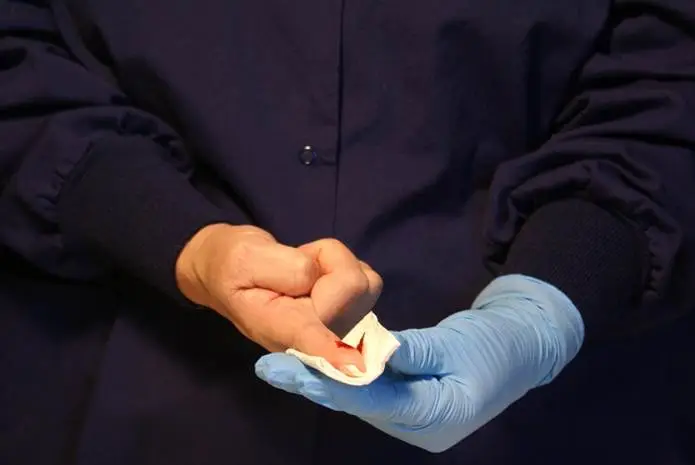
facemask (n.)
A covering worn over the nose and mouth to reduce exposure to respiratory droplets

hepatitis (n.)
Inflammation of the liver, often caused by a virus

influenza (n.)
A contagious respiratory illness caused by influenza viruses
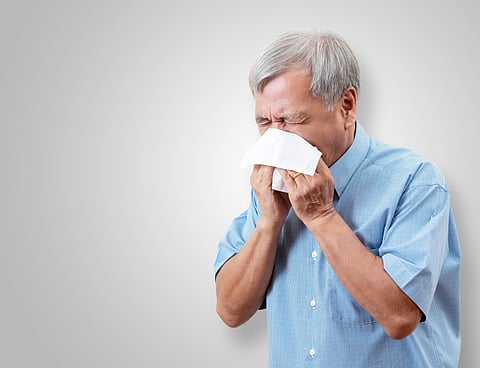
isolation (n.)
Separating or limiting contact with an infected person to help prevent disease spread

opportunistic infection (n.)
An infection that occurs more easily when the immune system is weakened

reverse isolation (n.)
Protective measures used to shield a person with a weakened immune system from microorganisms

standard precautions (n.)
Infection-control practices used with every patient regardless of known diagnosis

transmission (n.)
The spread of an infectious agent from one person, place, or object to another

transmission-based precautions (n.)
Additional contact, droplet, or airborne measures used for certain known or suspected infections

HAI (n.)
Hospital Acquired Infection

IPC (n.)
Infection Prevention and Control

C (n.)
Celsius or Centigrade

F (n.)
Fahrenheit

LLE (n.)
Lower Left Extremity

LUE (n.)
Lower Upper Extremity

RUE (n.)
Right Upper Extremity
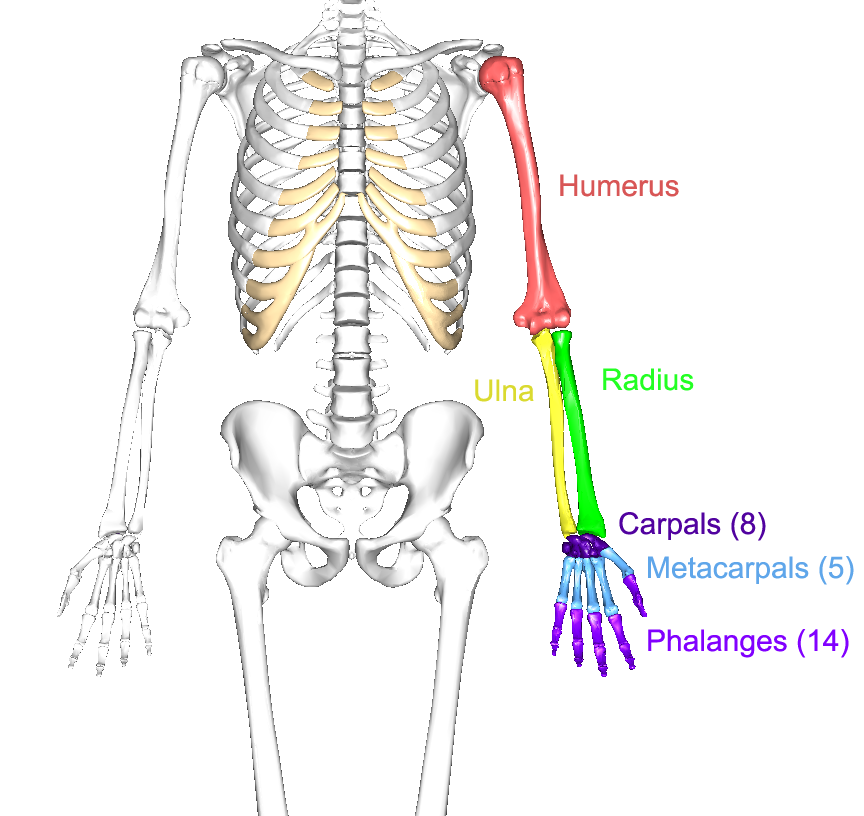
RLE (n.)
Right Lower Extremity

BBP (n.)
Blood-borne Pathogen

CDC (n.)
Center for Disease Control

C.Diff (n.)
Clostridium Difficile

HIV (n.)
Human Immunodeficiency Virus

MRSA (n.)
Methicillin Resistant Staphlococcus Aureus

MDRO (n.)
Multidrug-Resistant Organism

OSHA (n.)
Occupational Safety and Health Administration

PPE (n.)
Personal Protective Equipment

SDS (n.)
Safety Data Sheet
TB (n.)
Tuberculosis

ECP (n.)
Exposure Control Plan
