BIOL212 Unit 5 Exam
 Call Kai
 Learn
Learn Practice Test
 Spaced Repetition
 Match
Match Flashcards
 Knowt Play
1/186

There's no tags or description
Looks like no tags are added yet.
Name | Mastery | Learn | Test | Matching | Spaced | Call with Kai | Chat |
|---|
No analytics yet
Send a link to your students to track their progress
187 Terms
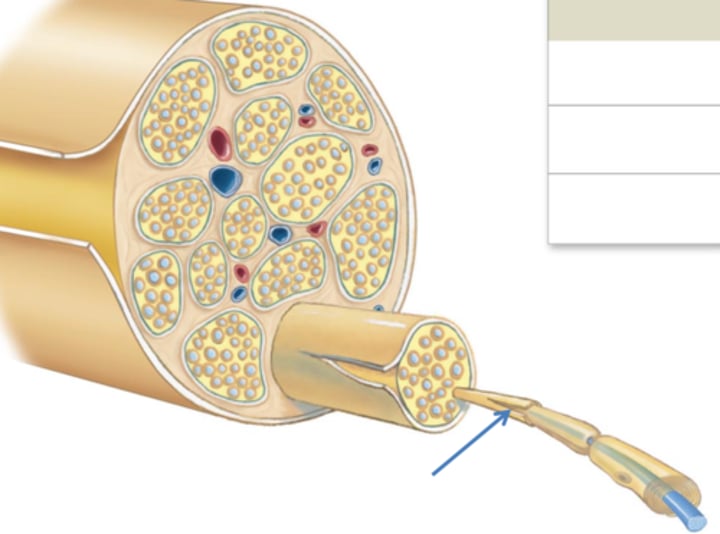
Endoneurium
surrounds each nerve fiber
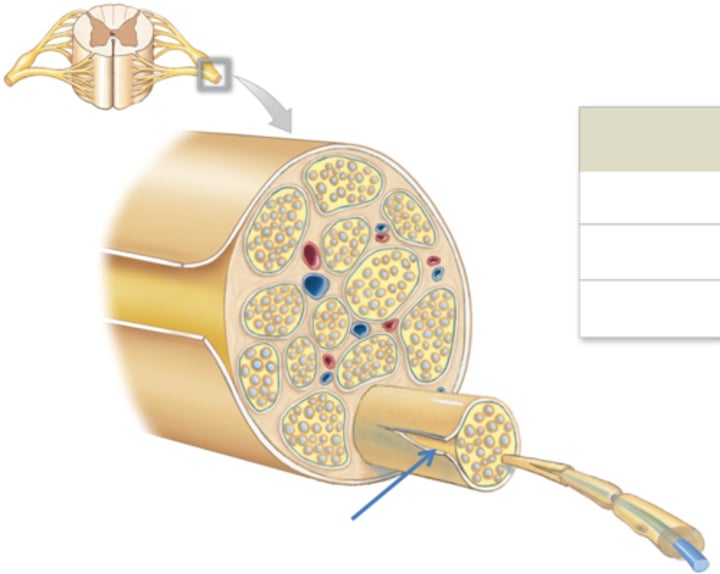
Perineurium
surrounds each fascicle
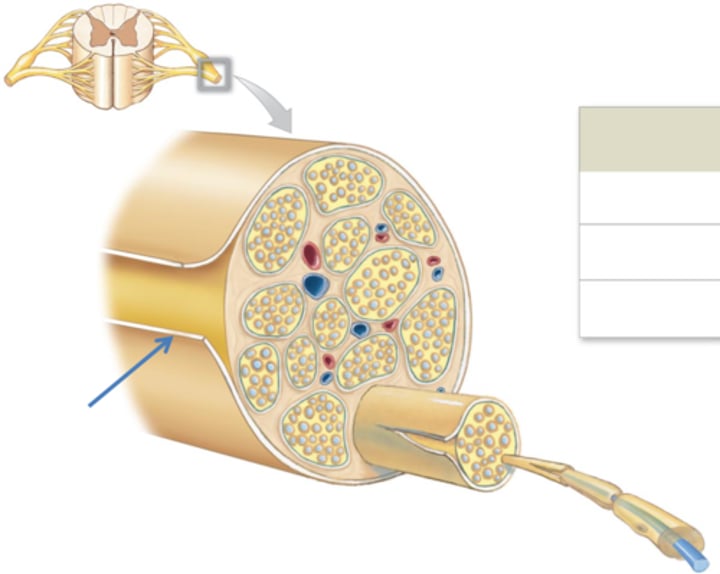
Epineurium
surrounds the entire nerve
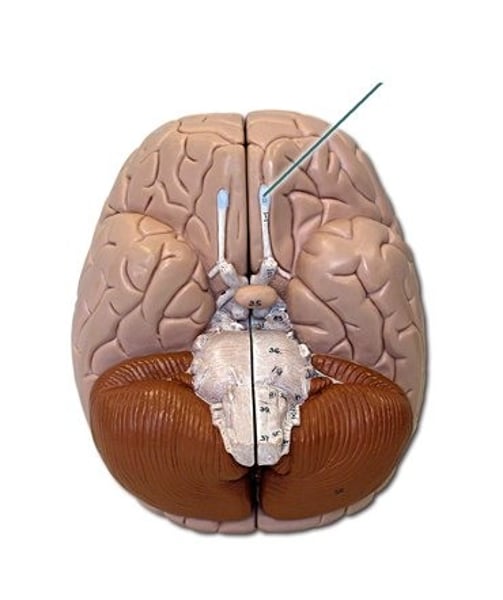
Olfactory nerve
Roman numeral: I
Type: sensory
Function: from nose for smell
Optic nerve
Roman numeral: II
Type: sensory
Function: from eye for sight
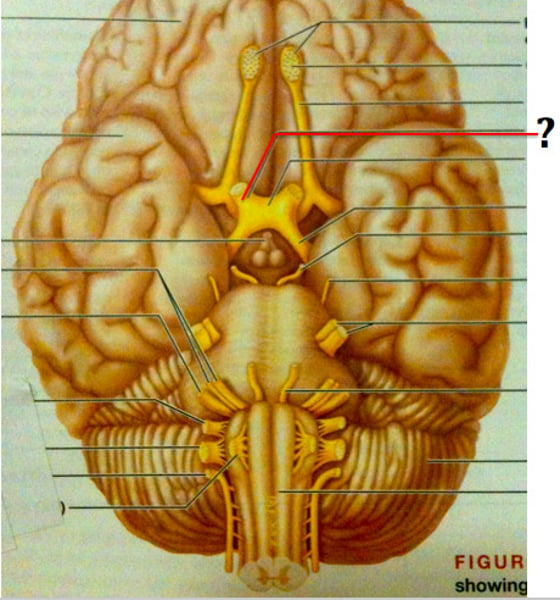
Oculomotor nerve
Roman numeral: III
Type: Motor
Function: Somatic motor: movement of eye and proprioception
Autonomic motor: focusing, alter pupil size and proprioception
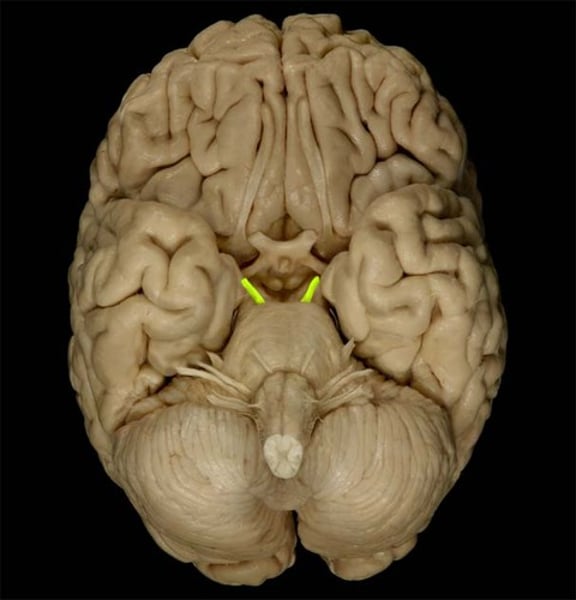
Trochlear nerve
Roman numeral: IV
Type: Motor
Function: movement of eyeballs and proprioception
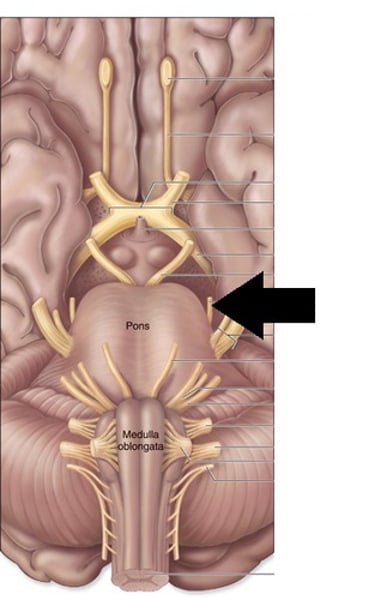
Trigeminal nerve
Roman numeral: V
Type: Mixed
Function: Sensory: sensations from face and mouth and proprioception
Somatic motor: to face and mouth for chewing
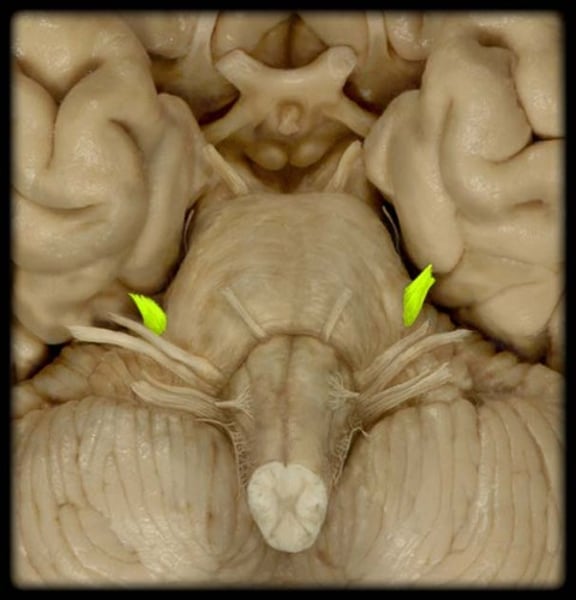
Abducens Nerve
Roman numeral: VI
Type: Motor
Function: Somatic motor: to eye for eyeball movement and proprioception
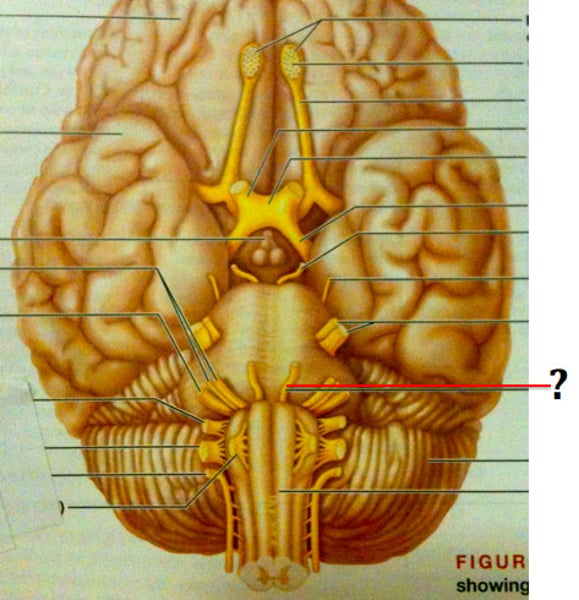
Facial nerve
Roman numeral: VII
Type: Mixed
Function: sensory: taste and proprioception
somatic motor: to face and scalp for facial expressions
autonomic motor: secretion of saliva and tears
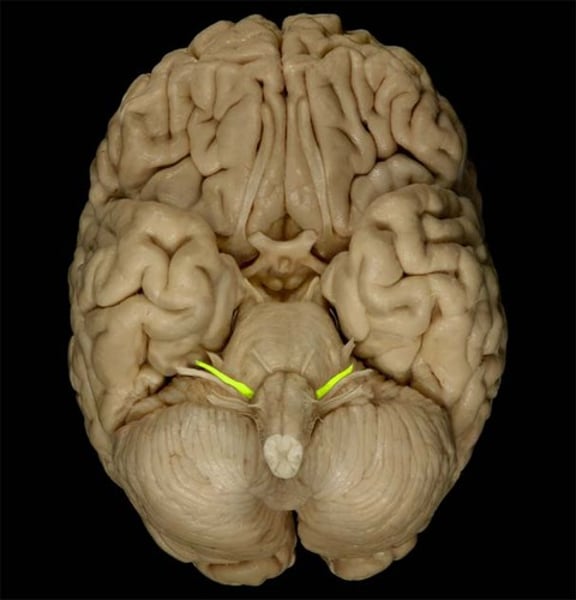
Vestibulocochlear nerve
Roman numeral: VIII
Type: Sensory
Function: from inner ear for hearing and equilibrium
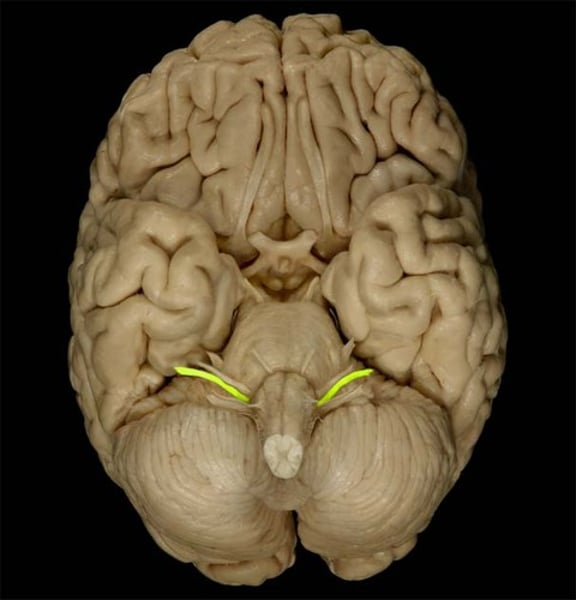
Glossopharyngeal nerve
Roman numeral: IX
Type: Mixed
Function: sensory: taste and sensation
somatic motor: to tongue and throat for swallowing
autonomic motor: secretion of saliva
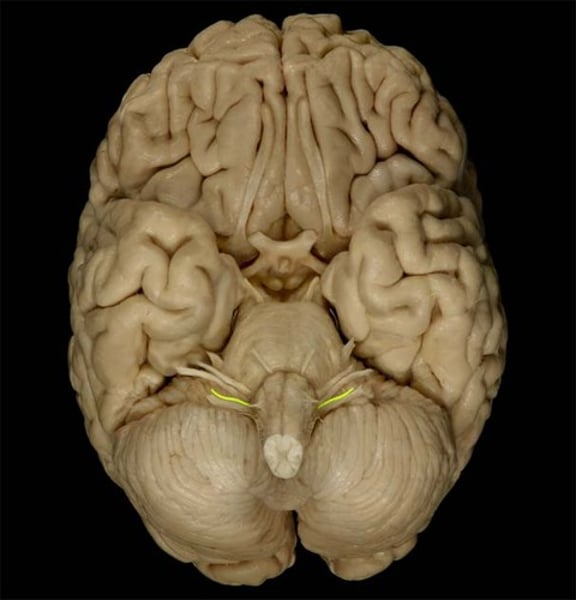
Vagus nerve
Roman numeral: X
Type: Mixed
Function: to lower throat and viscera
sensory: taste and sensation including proprioception
somatic motor: swallowing and speech
autonomic motor: muscle contraction in respiratory and digestive organs
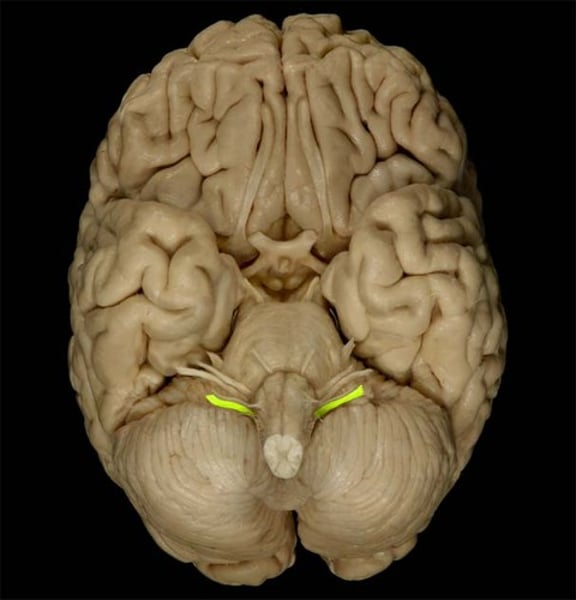
Accessory nerve
Roman numeral: XI
Type: Motor
Function: somatic motor: to neck for head movement and proprioception
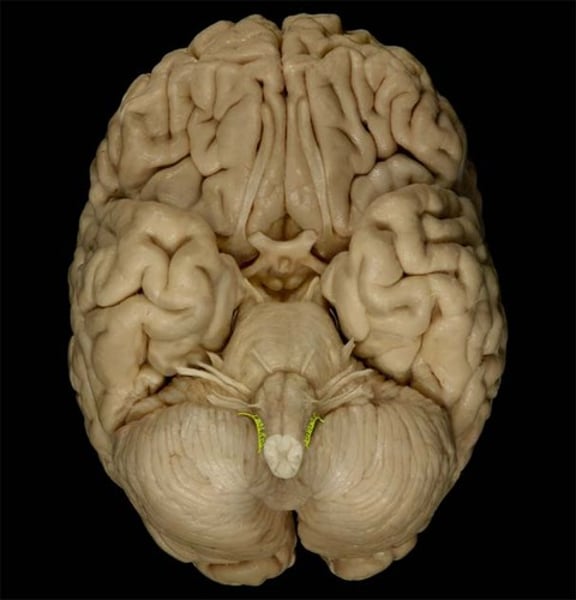
Hypoglossal nerve
Roman numeral: XII
Type: Motor
Function: somatic motor: to tongue for speech, swallowing, and proprioception
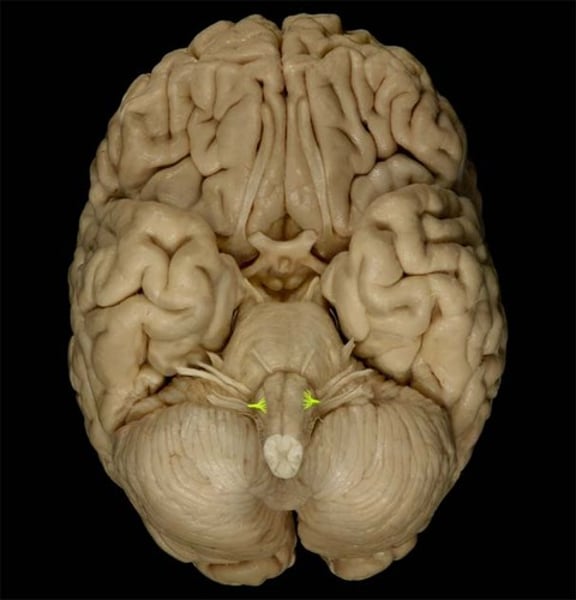
Names of spinal nerve divisions
cervical, thoracic, lumbar, sacral, and coccygeal
How spinal nerves are named
Based off where they emerge for the spinal cord.
Number of spinal nerves in cervical nerves
8 pairs
Number of spinal nerves in thoracic nerves
12 pairs
Number of spinal nerves in lumbar nerves
5 pairs
Number of spinal nerves in sacral nerves
5 pairs
Number of spinal nerves in coccygeal nerves
1 pair
Type of nerve spinal nerves are
All mixed nerves
Number of spinal nerves
31 pairs
Anterior rami
Branch to form nerve plexuses
Plexus
contains fibers from several different spinal nerves
Cervical plexus
innervates head, neck, shoulder, and diaphragm
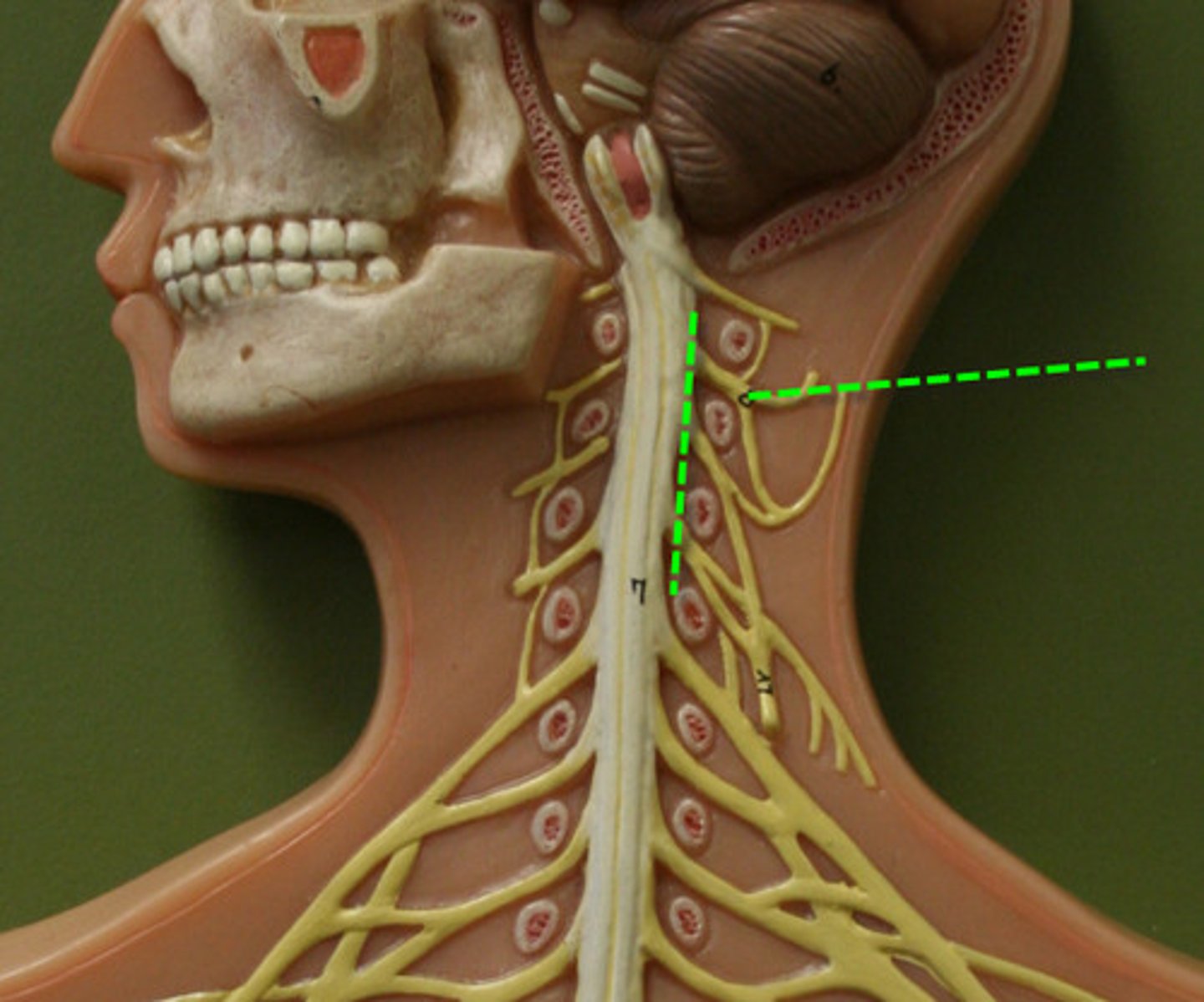
Phrenic nerve
innervates diaphragm
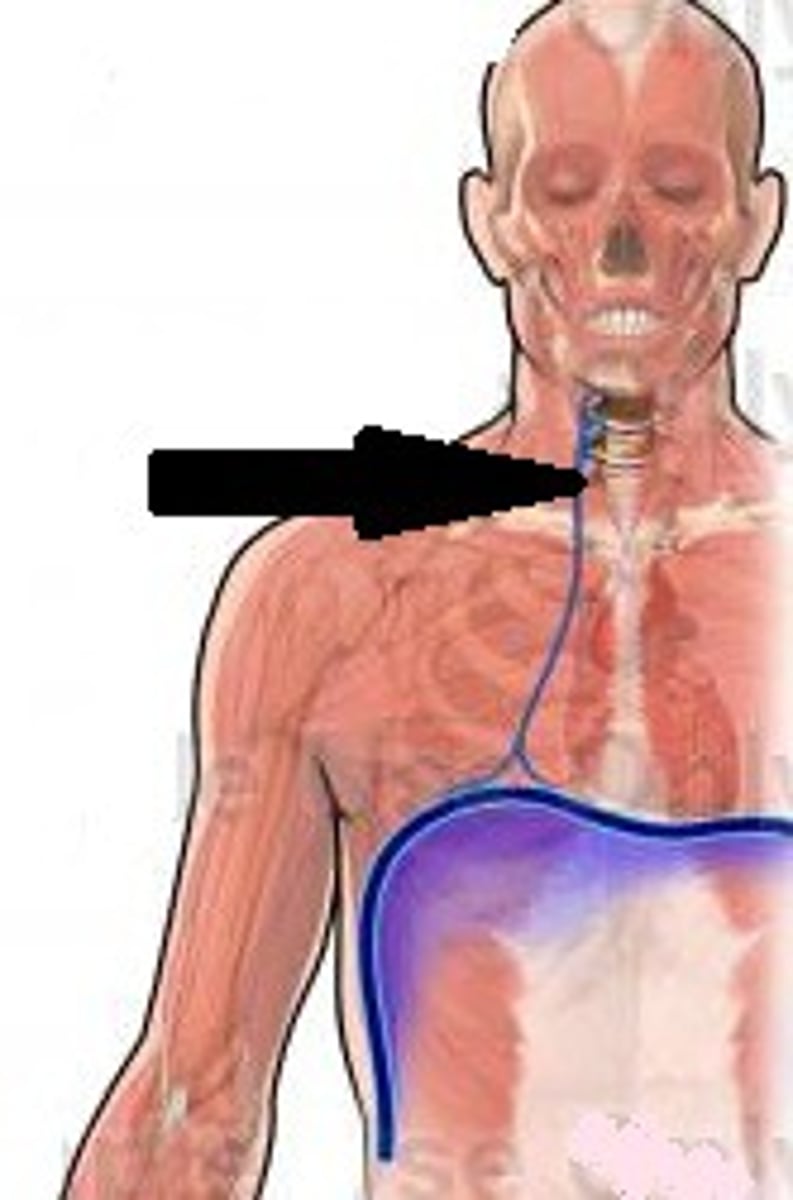
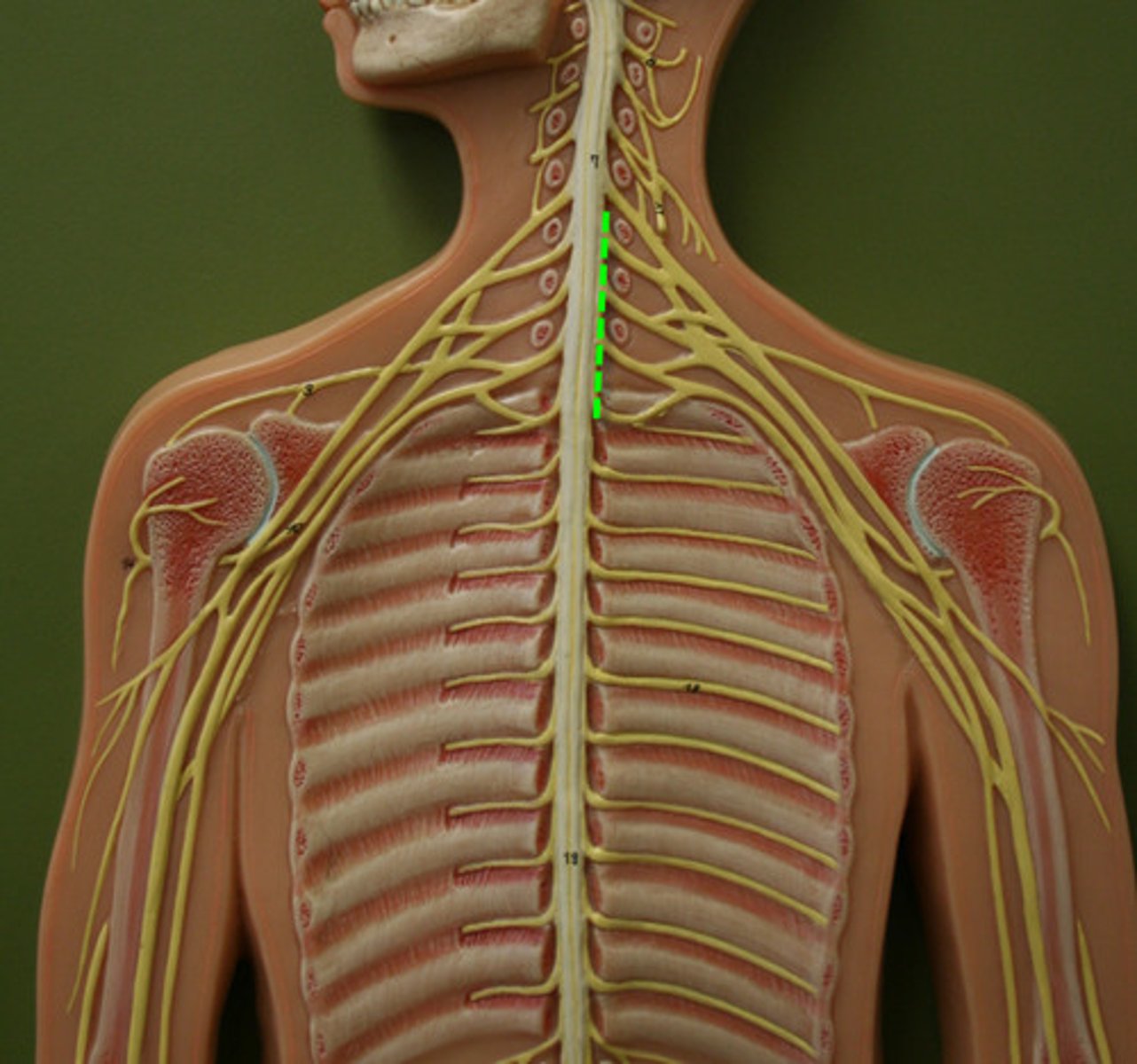
Brachial plexus
innervates upper limb
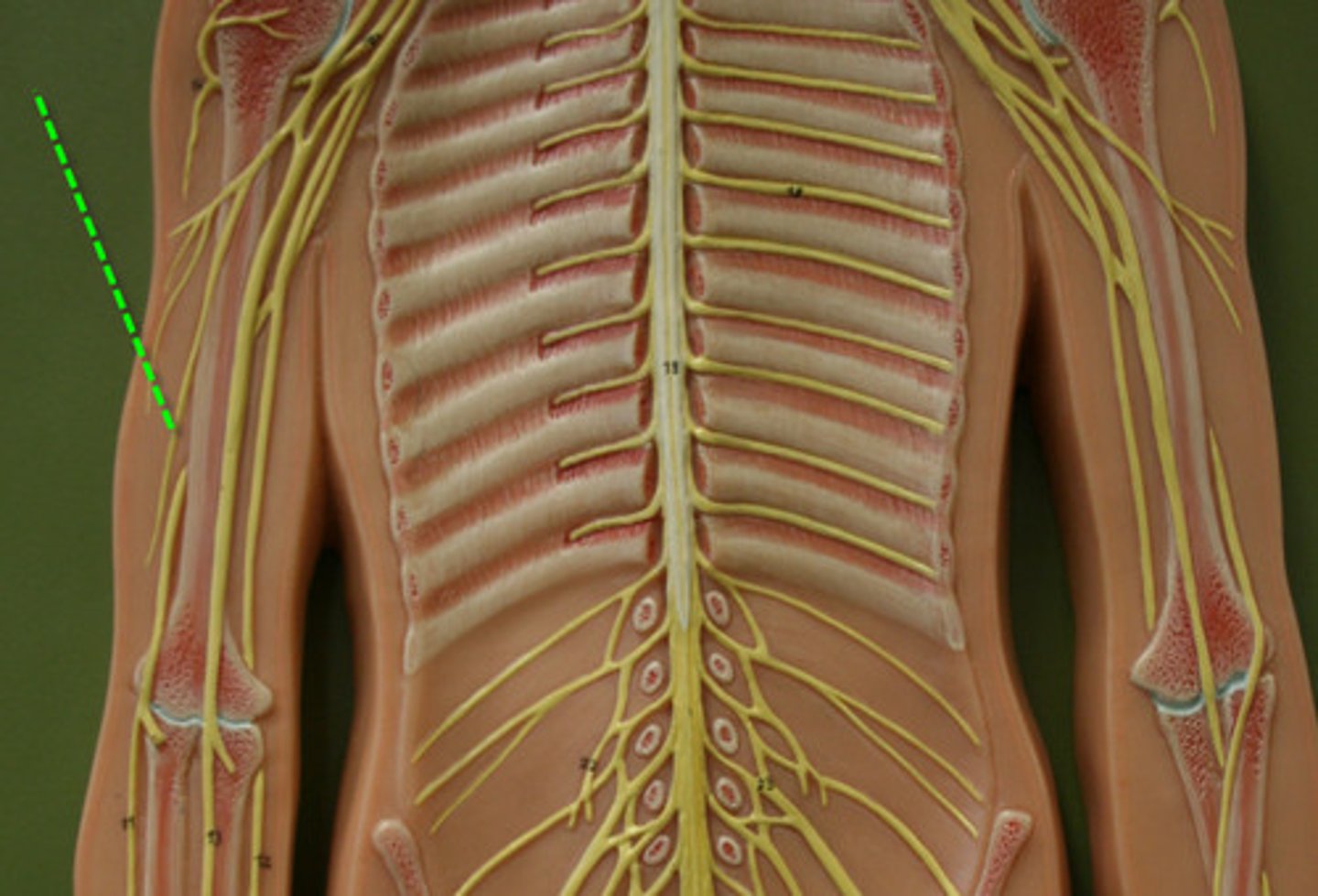
Musculocutaneous
innervates anterior arm and lateral forearm
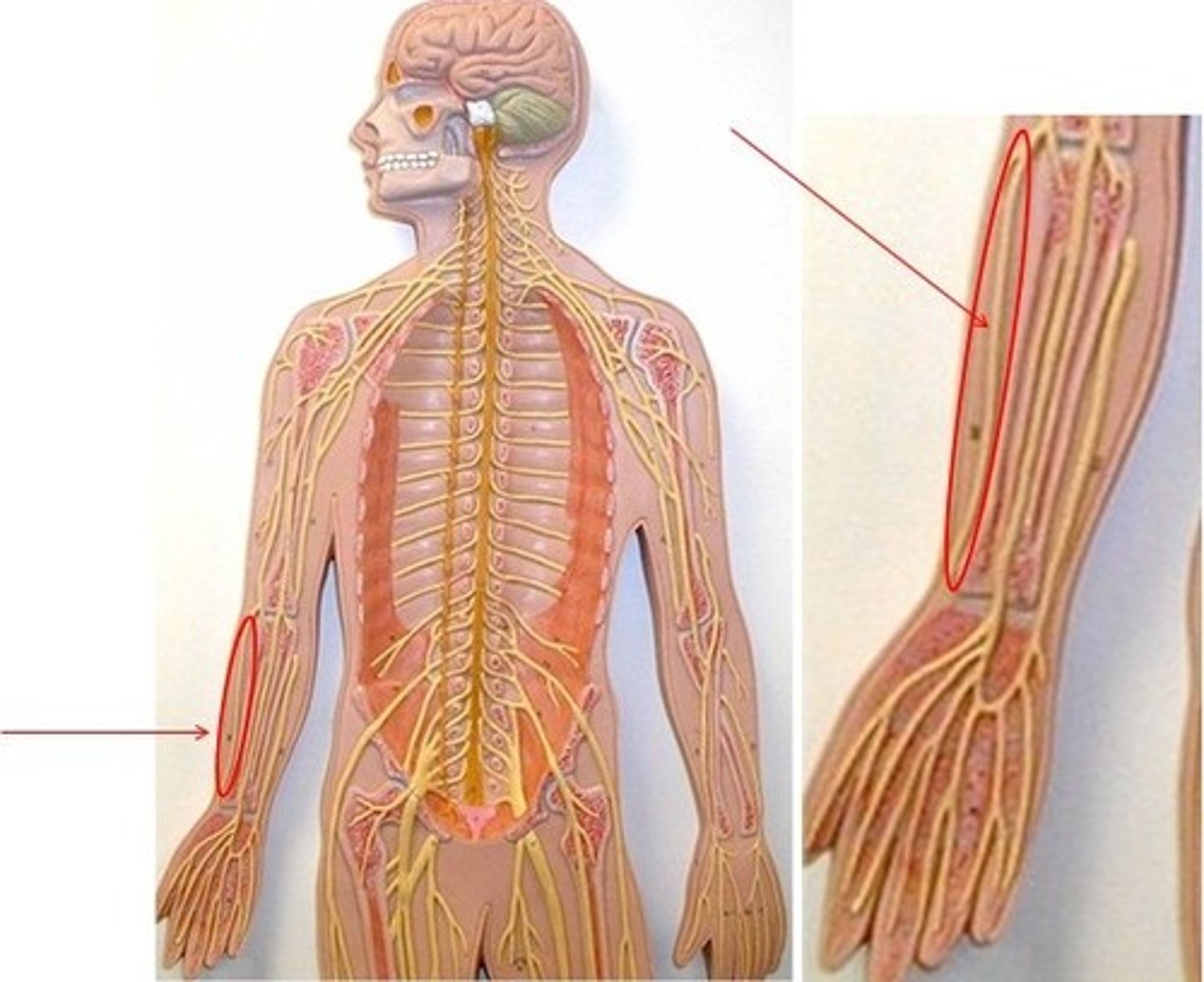
Radial nerve
innervates posterior arm and forearm
Median nerve
innervates anterior arm and forearm
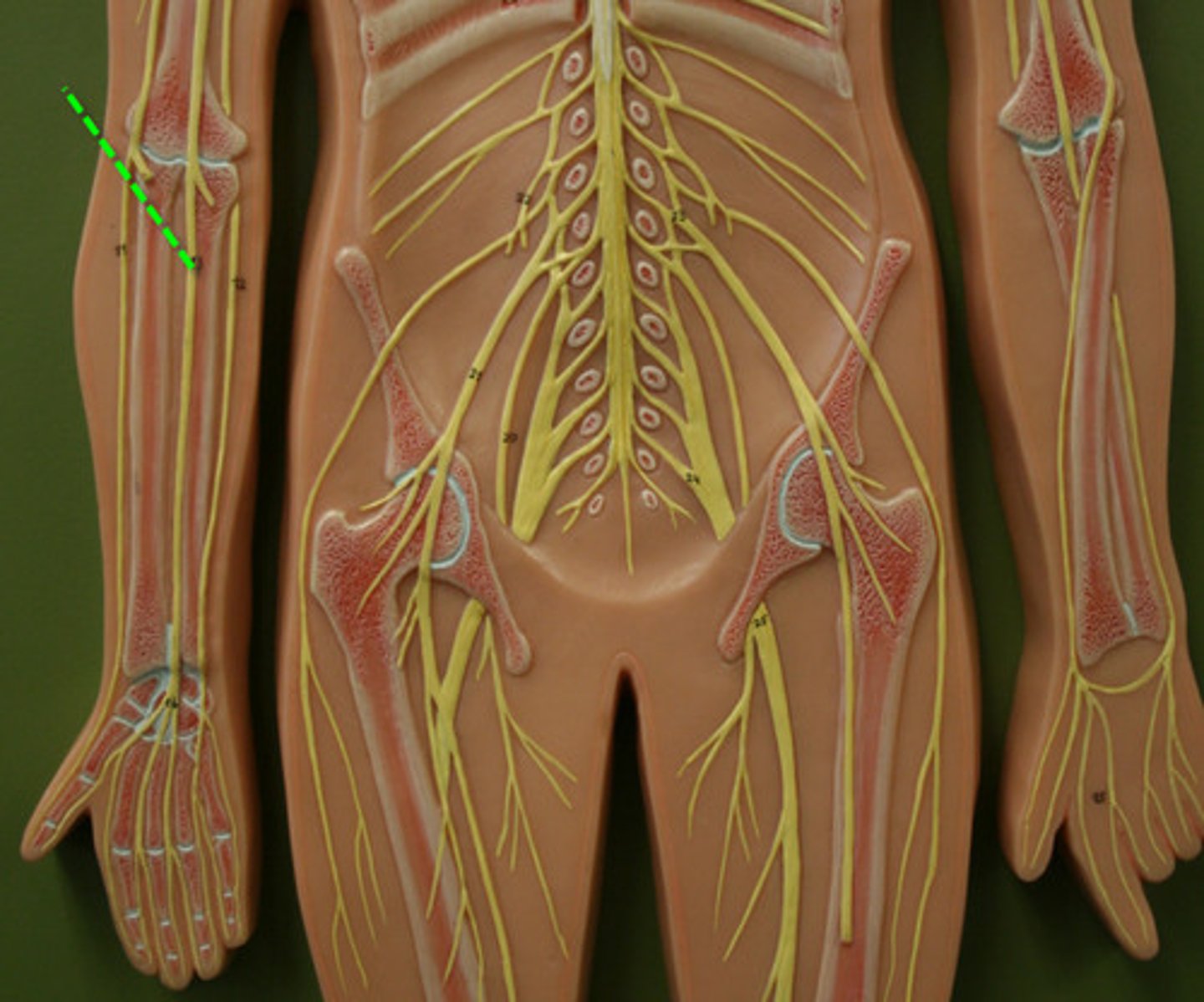
Ulnar nerve
innervates medial forearm and medial hand (funny bone)
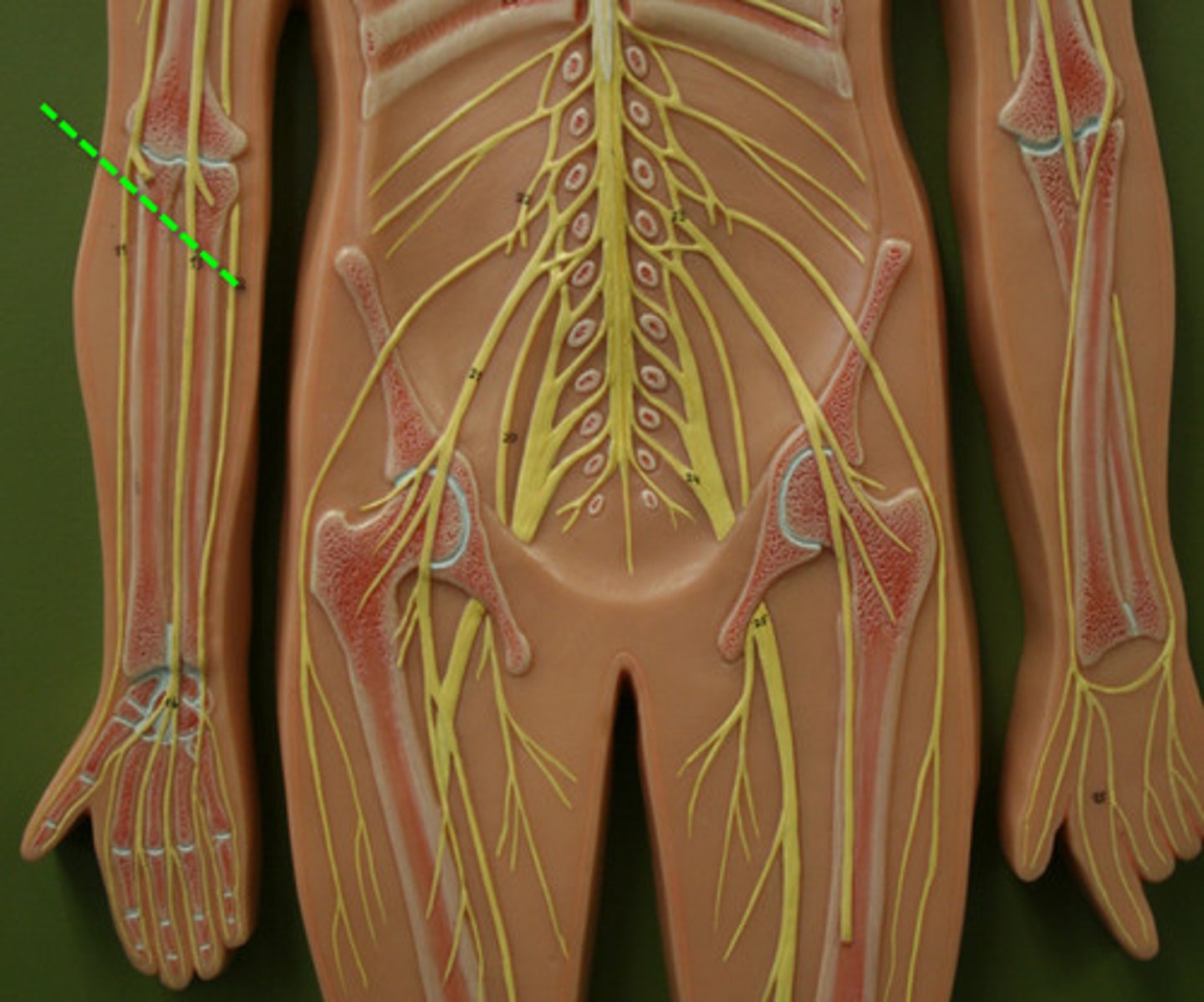
Lumbar plexus
innervates lower abdominal wall, thigh, scrotum in males, and labia majora in females
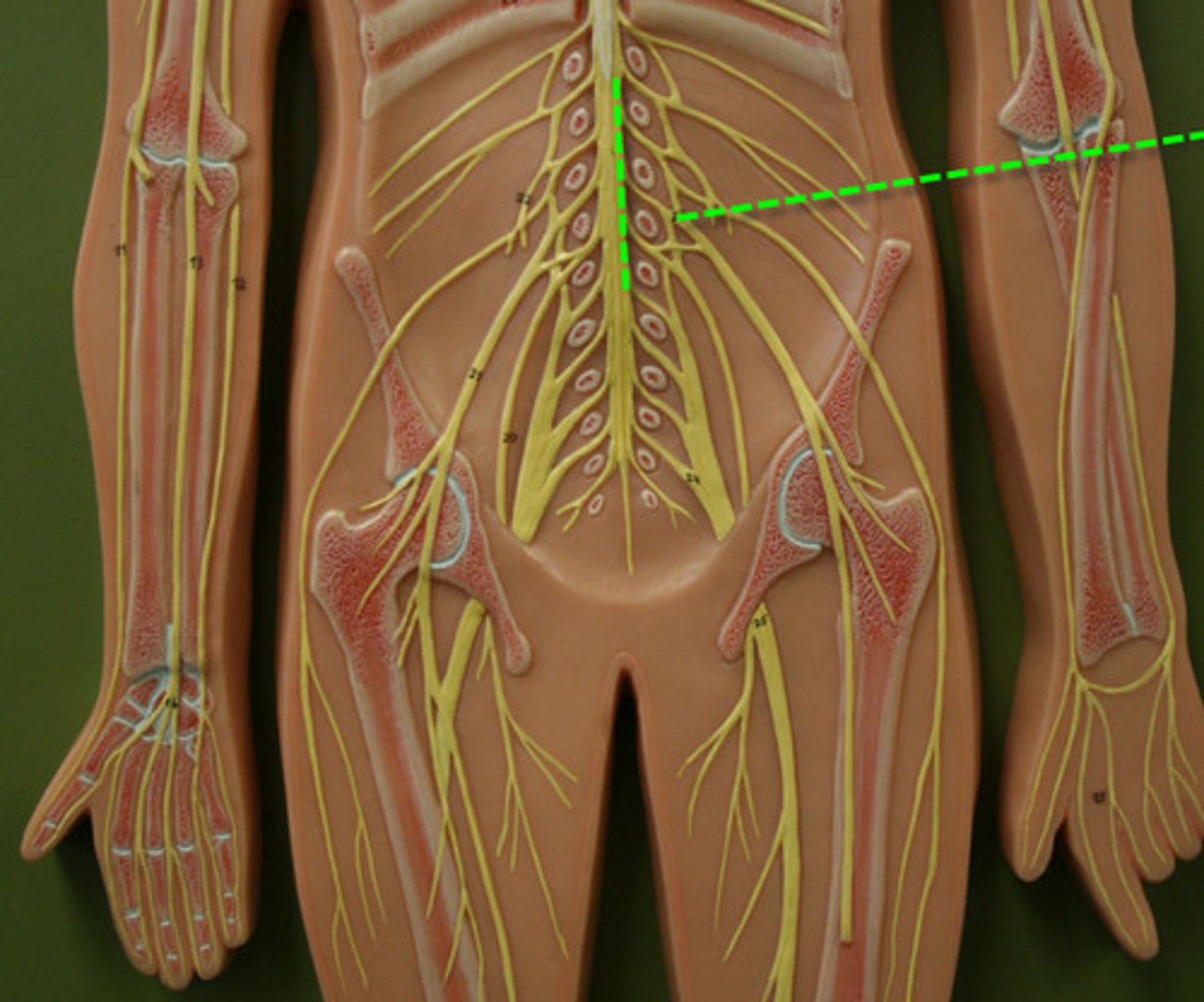
Femoral nerves
innervates anterior thigh
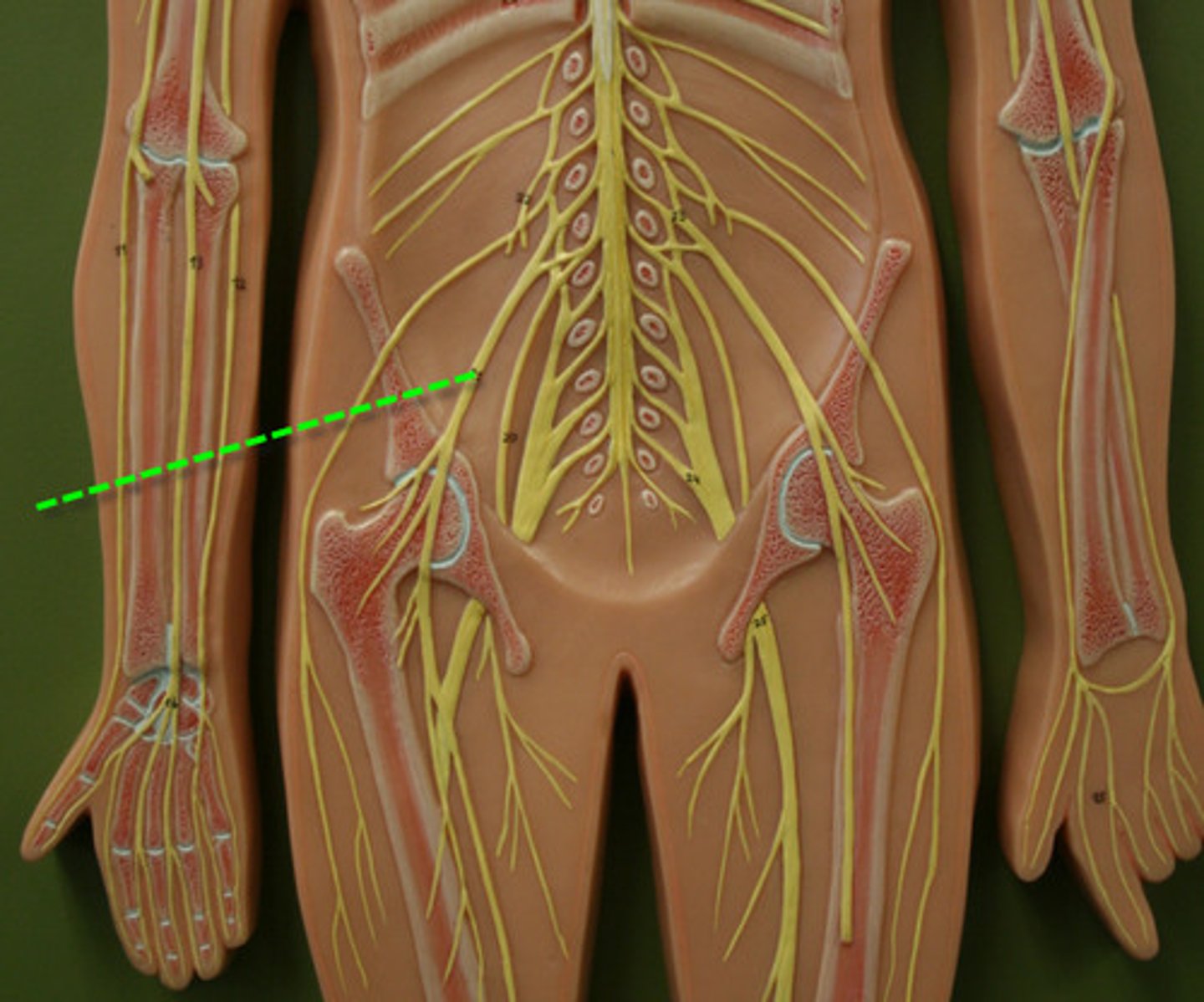
Sacral plexus
innervates perineum, pelvis, buttocks, posterior thigh, leg, and foot
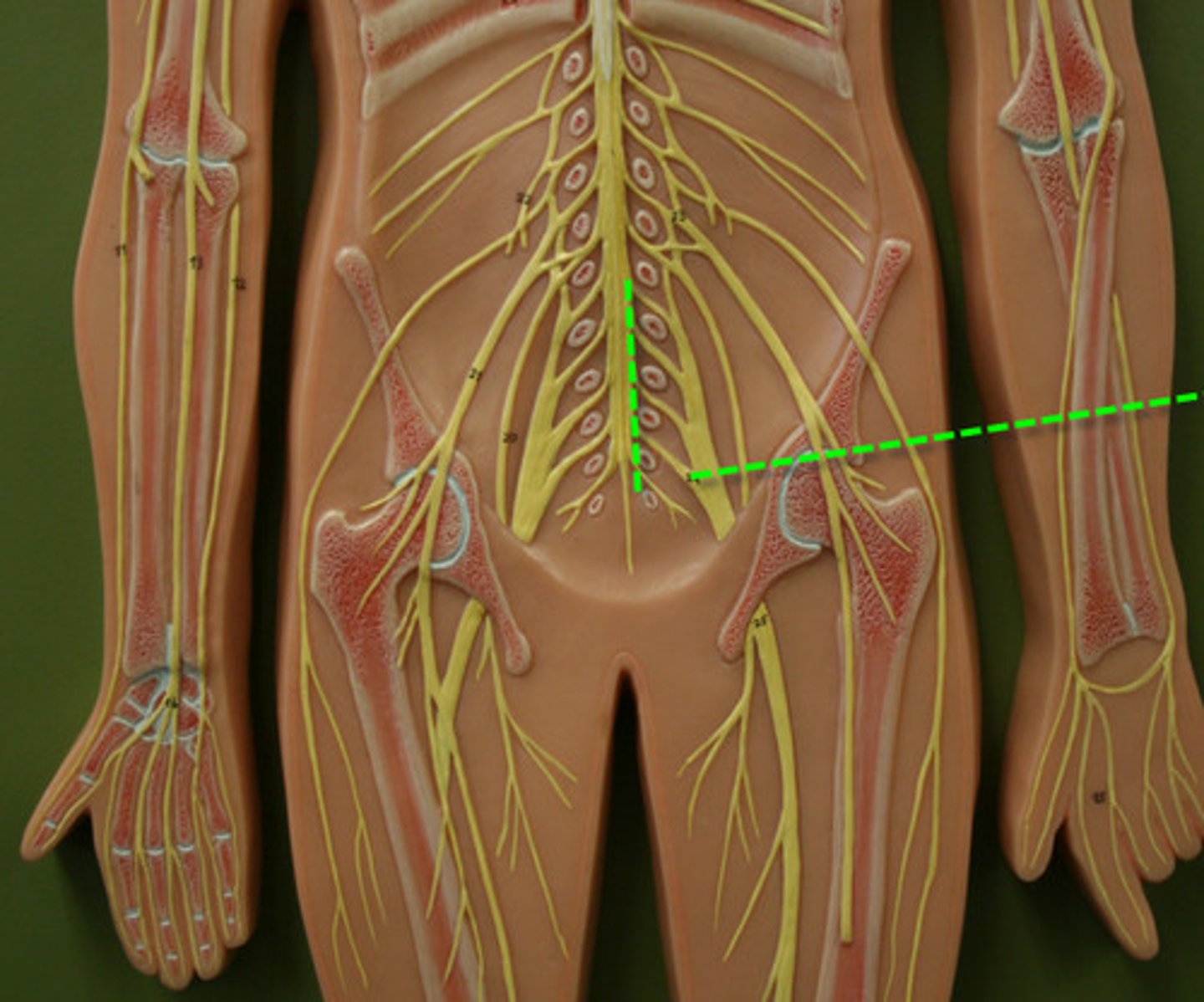
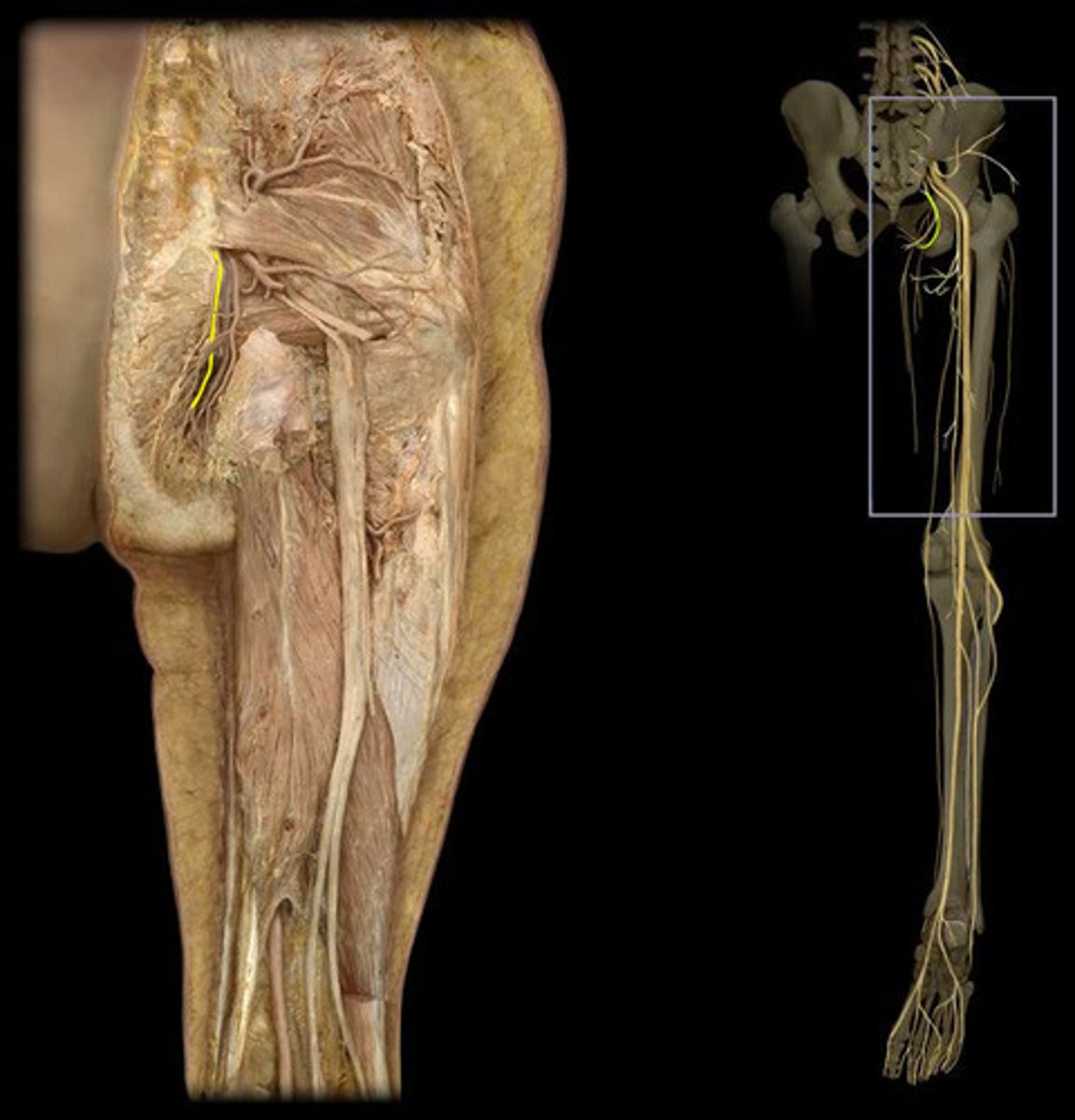
Sciatic nerve
innervates posterior thigh
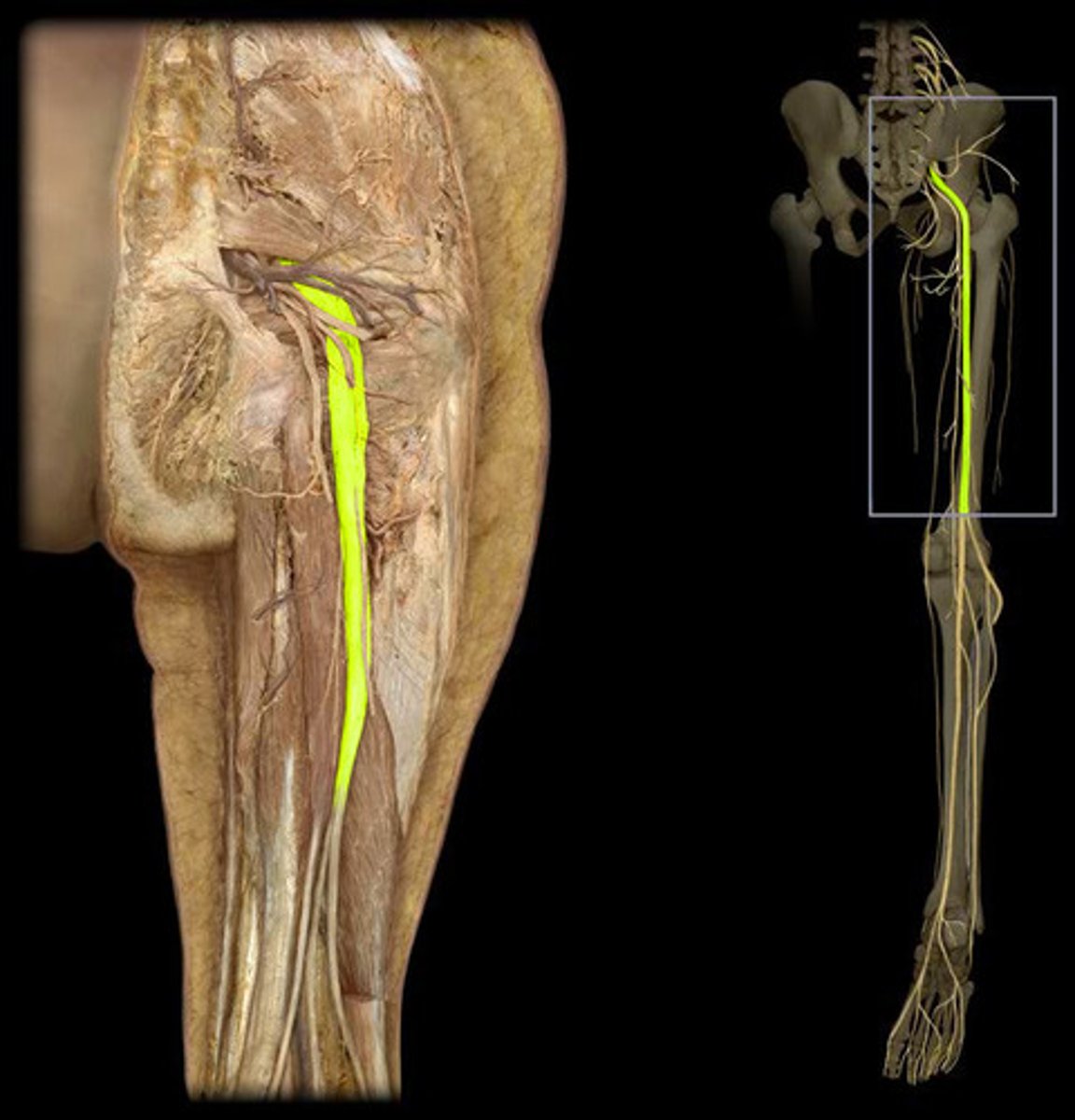
Tibial nerve
posterior leg; sole of foot
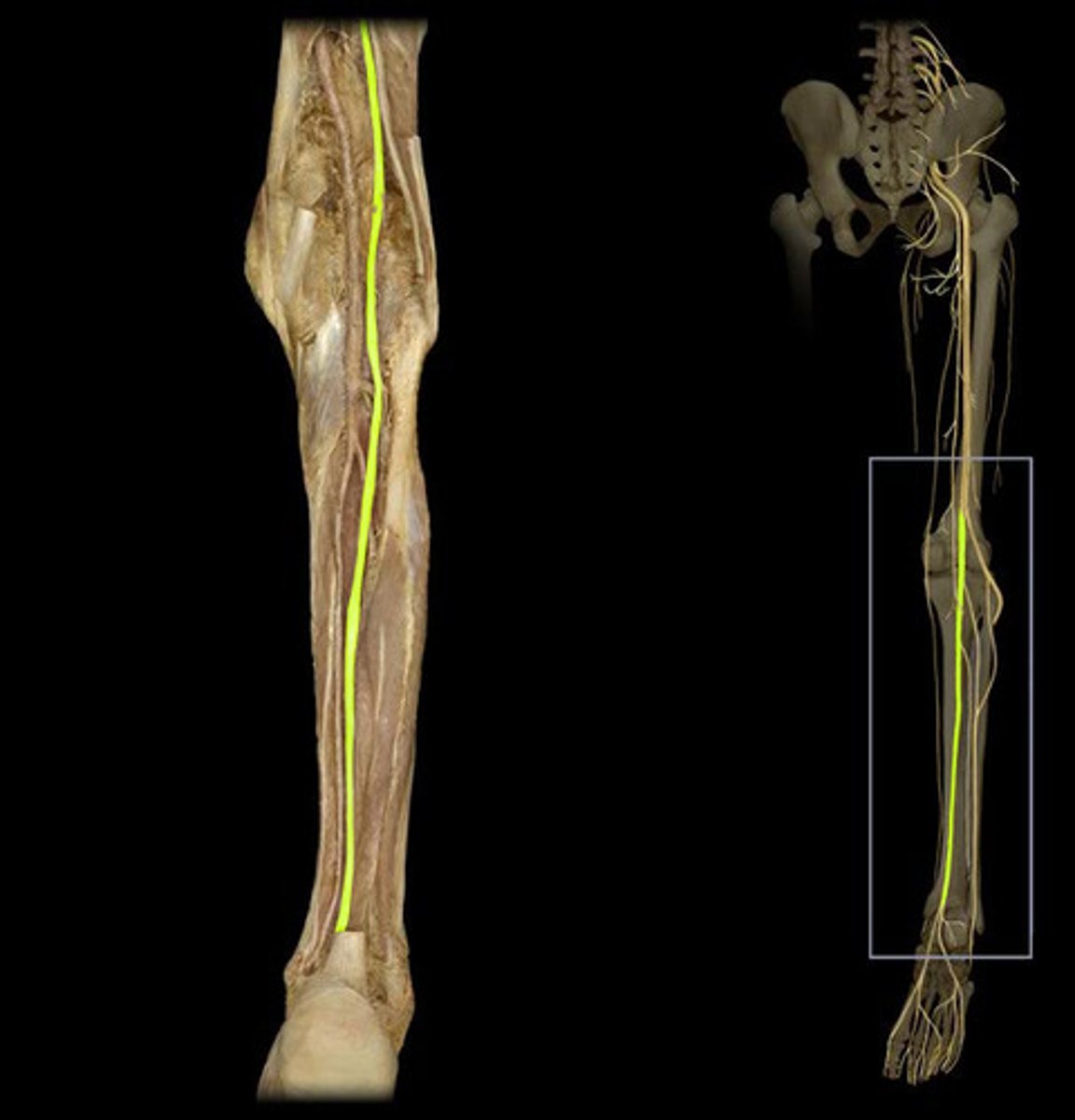
Common fibular (peroneal) nerve
innervates knee, anterior, lateral leg, and top of foot.
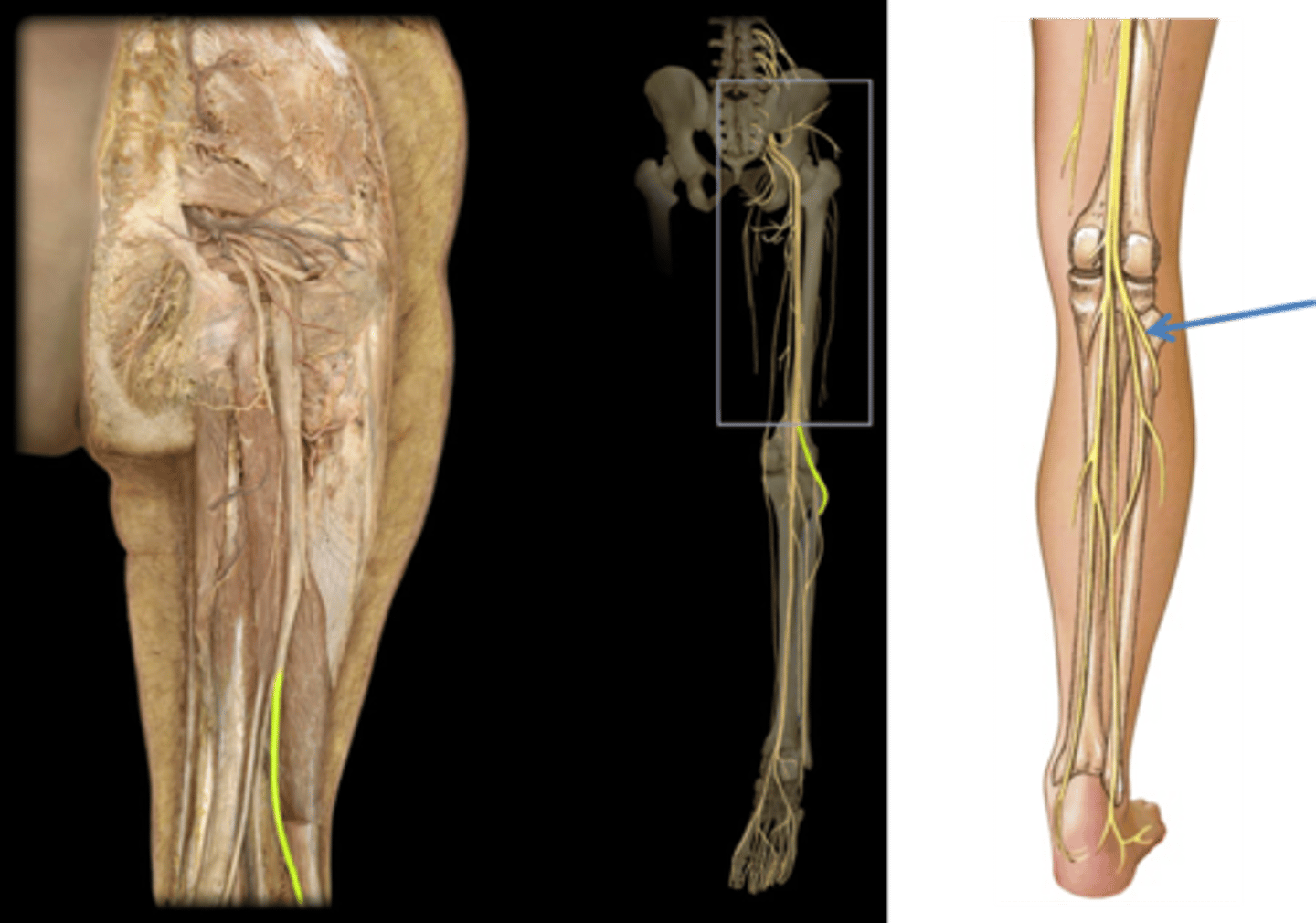
Pudendal nerve
innervates perineum
Reflex
fast involuntary responses to changes in internal environment
Somatic reflexes
motor response involves skeletal muscles
Autonomic reflexes
motor response involves cardiac muscle, smooth muscle, and glands
Reflex arc
specific reflex pathway involving sensory receptors, sensory neurons, integrating center, motor neurons, and effectors
Steps in simple reflex
1) sensory receptor 2) sensory neuron 3) integrating center 4) motor neuron 5) effector
Shingles
-infection of peripheral nervous system
- caused by herpes zoster virus (chicken pox virus)
- virus moves from posterior root ganglion, travels down sensory neuron of skin
Monosynaptic reflex arc
sensory neuron fires directly onto the motor neuron
Polysynaptic reflex arc
sensory neuron may fire onto a motor neuron as well as interneurons that fire onto other motor neurons
Stretch reflex
-Patellar or knee-jerk reaction
- monosynaptic
- stimulus= stretching of muscle
Flexor (withdrawal) reflex
- stimulus= pain
- polysynaptic
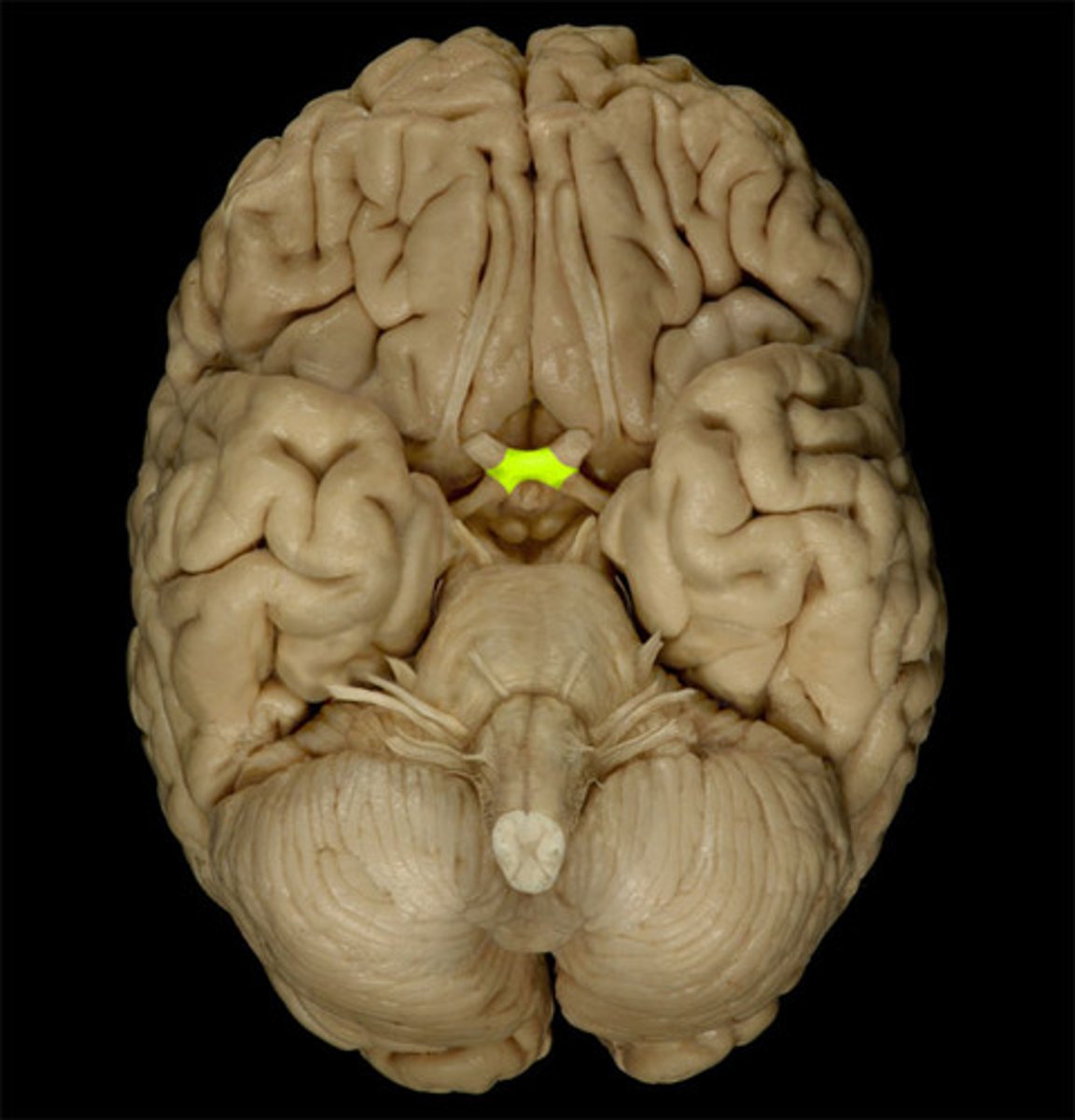
Optic chiasm
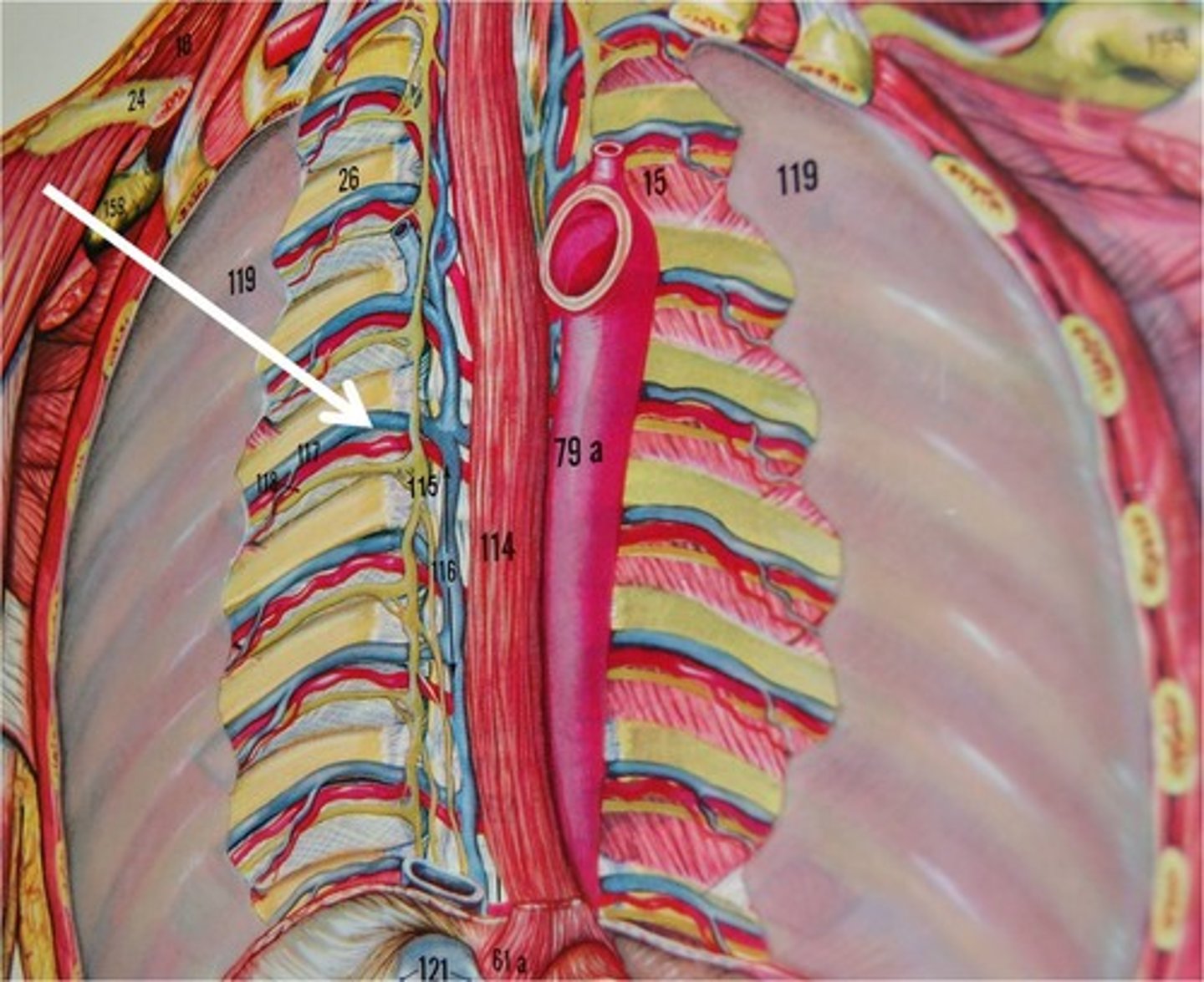
Intercostal nerves
General function of sympathetic nervous system
Prepare for fight-or-flight
General function of parasympathetic nervous system
At rest; salivation, lacrimation, urination, digestion, defecation, and erection.
Control of motor output in autonomic nervous system
involuntary
Control of motor output in somatic nervous system
voluntary
Motor neuron pathways of autonomic nervous system
2 neuron pathways; sympathetic: norepinephrine at effector and adrenal medulla activated; parasympathetic: acetylcholine
Motor neuron pathways of somatic nervous system
1 neuron pathway; neurotransmitter: acetylcholine
Effectors of the autonomic nervous system
smooth muscle, glands, and cardiac muscle
Effectors of the somatic nervous system
skeletal muscle
Influence of the sympathetic division on gastrointestinal tract organ
decrease motility stomach and intestines; contraction sphincters; inhibit digestive and excretory systems; blood glucose increase from storage in liver
Influence of the parasympathetic division on gastrointestinal tract organ
Increased motility stomach and intestines; relaxation of sphincters; stimulate glands.
Influence of the sympathetic division on heart
Increase rate, force contraction, and blood pressure
Influence of the parasympathetic division on heart
Decrease rate, force contraction, and blood pressure
Influence of the sympathetic division on eyes
Pupils dilate
Dual innervation
Most viscera receive nerve fibers from both parasympathetic and sympathetic divisions
Influence of the parasympathetic division on eyes
Pupils constrict
Influence of the sympathetic division on lungs
Dilate airways
Influence of the parasympathetic division on lungs
Constrict airways
Influence of the sympathetic division on urinary bladder
Relaxation muscular wall; contraction of sphincter
Influence of the parasympathetic division on urinary bladder
Contraction of muscular wall; relaxation of sphincter
Influence of the parasympathetic division on sex organs
Stimulates erection
Sensation
Detect stimulus
Perception
Interception of stimulus
Modality
type of sensation
How cerebral cortex can distinguish between modalities
sensory areas of the cerebral cortex process information from different modalities
General senses
temperature, pain, touch, pressure, vibration, proprioception
Special senses
smell, taste, vision, hearing, equilibrium
Process of sensation
sensory receptors transform sensory signals into neural signals
Nociceptors
sense body-damaging situations (pain)
Proprioceptors
sense body position
Chemoreceptors
sense changes in blood chemistry
Type of receptor for odor
Chemoreceptor
Type of receptor for hearing
Mechanoreceptor
Type of receptor for balance/ equilibrium
Mechanoreceptor
Type of receptor for taste
Chemoreceptor
Type of receptor for vision
Photoreceptor
Types of receptors that don’t adapt
nociceptors, chemoreceptors, proprioceptors
Function of pain
to warn of actual or potential tissue damage
Endorphin theory
-with pain, endorphins from brain
-reduce reaction to pain
- individuals vary in amount of endorphins and in receptors
Gate-control theory
conduction by pain and non-pain receptors
Analgesia
Pain relief; inability to feel pain
Aspirin and ibuprofen function
block formation of prostaglandins which stimulate nociceptors
Referred pain
when you have an injury in one area of your body but feel pain somewhere else.
Muscle spindles
-proprioceptors within skeletal muscle
- muscle cells and neuron dendrites
- increased action potentials during stretch
Learning
ability to acquire new information or skills
Memory
ability to store and recall information or skill
- involves anatomical and physiological changes in neurons and synapses within the brain
- involves association areas of cerebral cortex, hypothalamus, and parts of limbic system.
Cerebral palsy
motor disorder results in loss muscle control and coordination
Parkinson's disease
Progressive disorder of CNS causing tremors
Hydrocephaly
-Abnormal drainage from subarachnoid space in infant
- can cause brain damage