Environment Science - Exam 3
 Call Kai
 Learn
 Practice Test
 Spaced Repetition
 Match
 Flashcards
 Knowt Play
1/53

Earn XP
Description and Tags
54 Terms

World Population
Total number of humans currently living in the world

Population growth
Dynamic and ever changing. Because pop- grows by births/immigration, and decreases by deaths/emigration

Immigration
Movement into an area

Emigration
Movement out of an area

Density
The number per unit area

Thomas Malthus
Predicted our quick, population growth would lead to famine and war
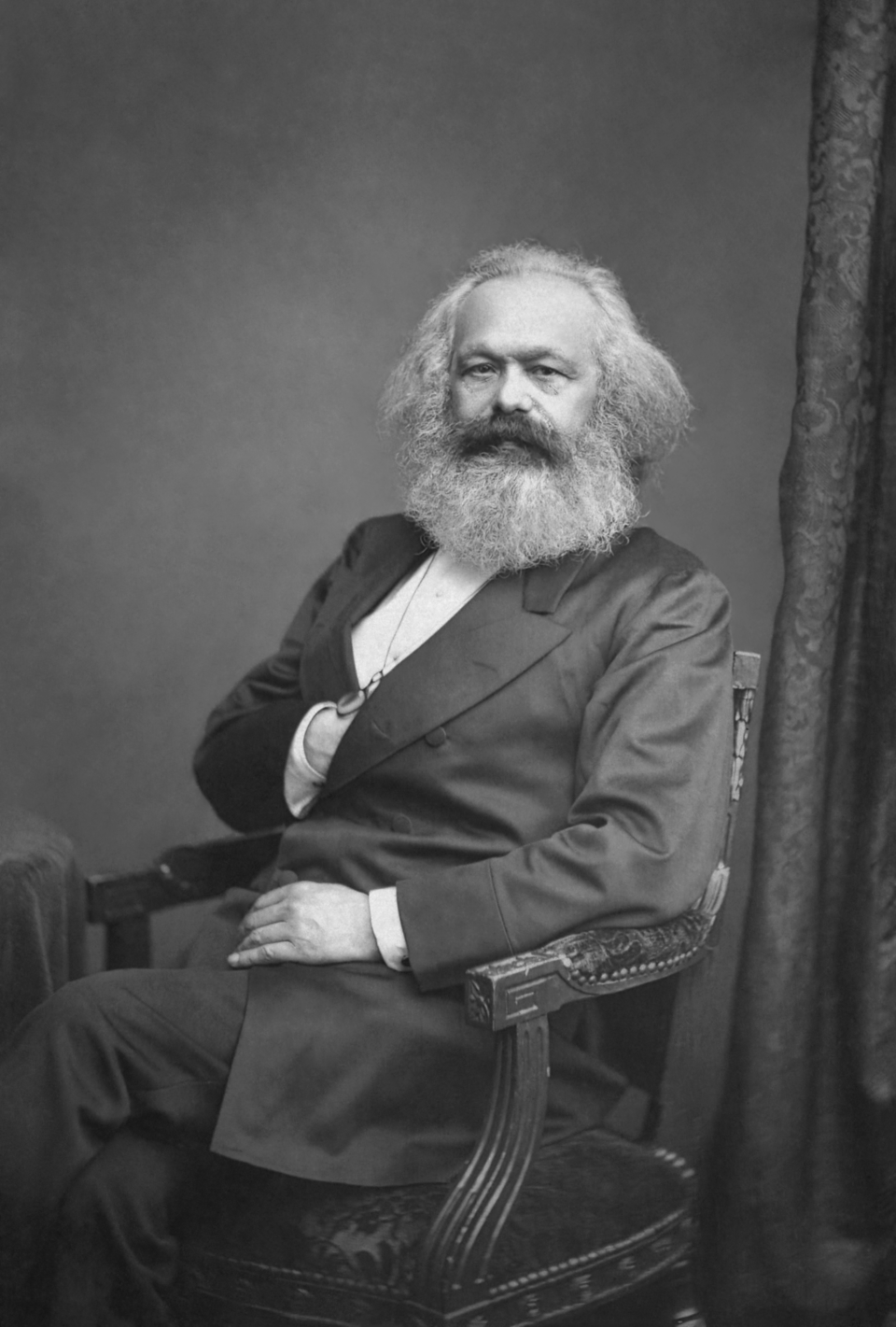
Karl Max
Proposed poverty caused pop- growth, argued low wages and job insecurity led to a more imporvished population

Rapid Growth
(0-15) Pre-productive is a rapid pop- growth making it a wide base, due to age level moving upward every year
Stable Growth
Equal to each other, each age group reproducing enough to replace lower levels
Declining Growth
Narrow base, not reproducing to replace lower levels
Total Fertility Rate
Average number of children a woman gives birth to in her lifetime, can be affected by many social and biological factors

Demographic Transition: Stage 1
High birth and death, high infant mortality and fertility

Demographic Transition: Stage 2
Stable leading to fewer deaths, births remain the same

Demographic Transition: Stage 3
Deaths decrease, and births slow

Demographic Transition: Stage 4
Decrease of births and deaths, wealthy nation

Undernourishment
Getting less than 2,000 calories per day
Malnourishment
Nutritional imbalance caused by lack of specific dietary components or inability to absorb essential nourishment

Food Security
Having food on a day-to-day basis

Famine
When food runs short, caused by disasters, wards, corruption making people and environment suffer

Veggies as a food source
Much of food is agricultural farming but it also changes environment/landscape
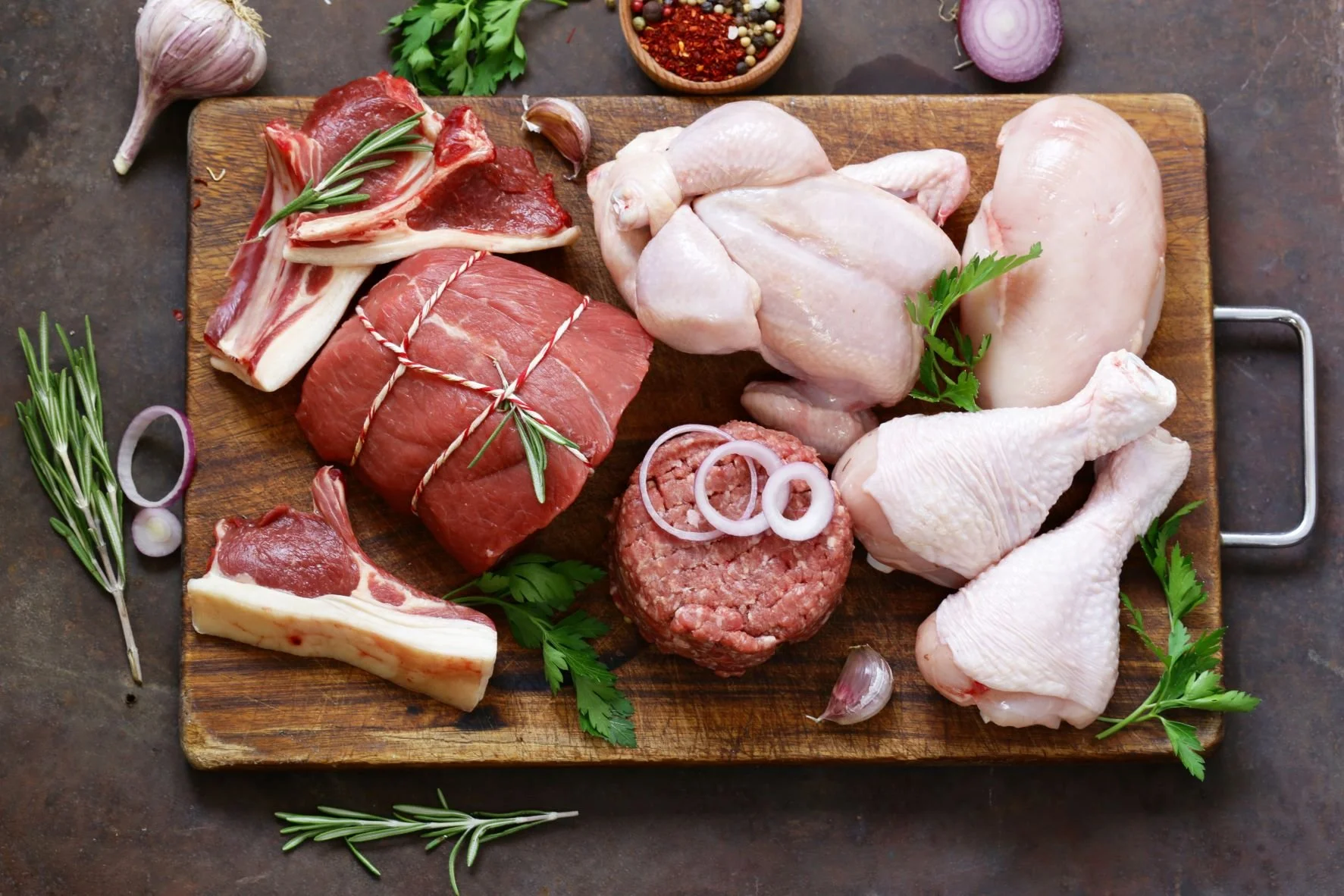
Meat as a food source
Good in proteins and iron but industrial livestock is bad for the environmen

Seafood as a food source
Wild-caught protein source 90%, but fisheries are overharvested
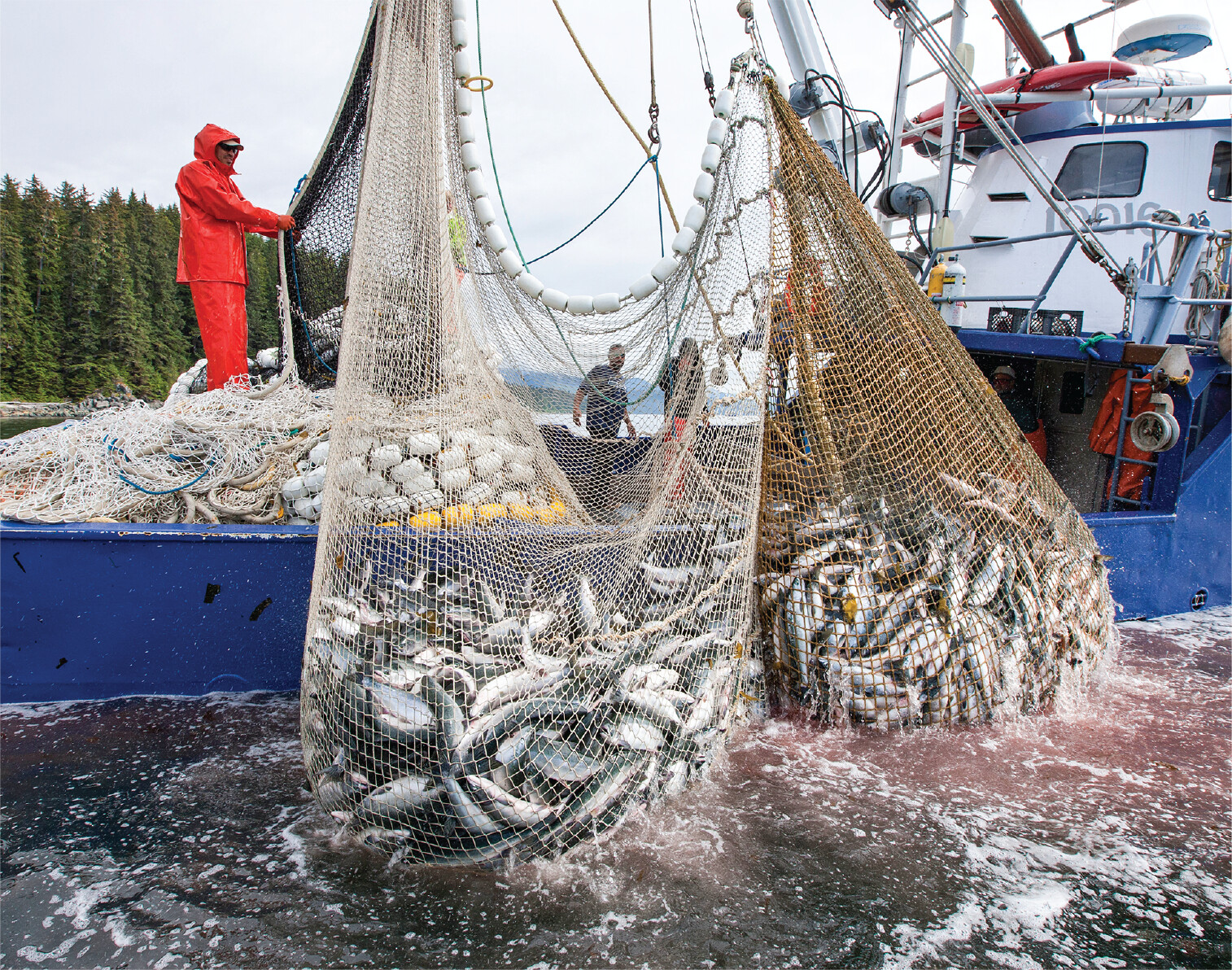
Fisheries
A fishing ground or area where fish are caught
Tragedy of the commons
When a natural resource is unowned or open to everyone
Primary Production in biomes determined by
Temperature and precipitation
Primary Production
Total organic matter produced by producers
Thermodynamics
Amount of energy available in food chains, precipitation, and temperature
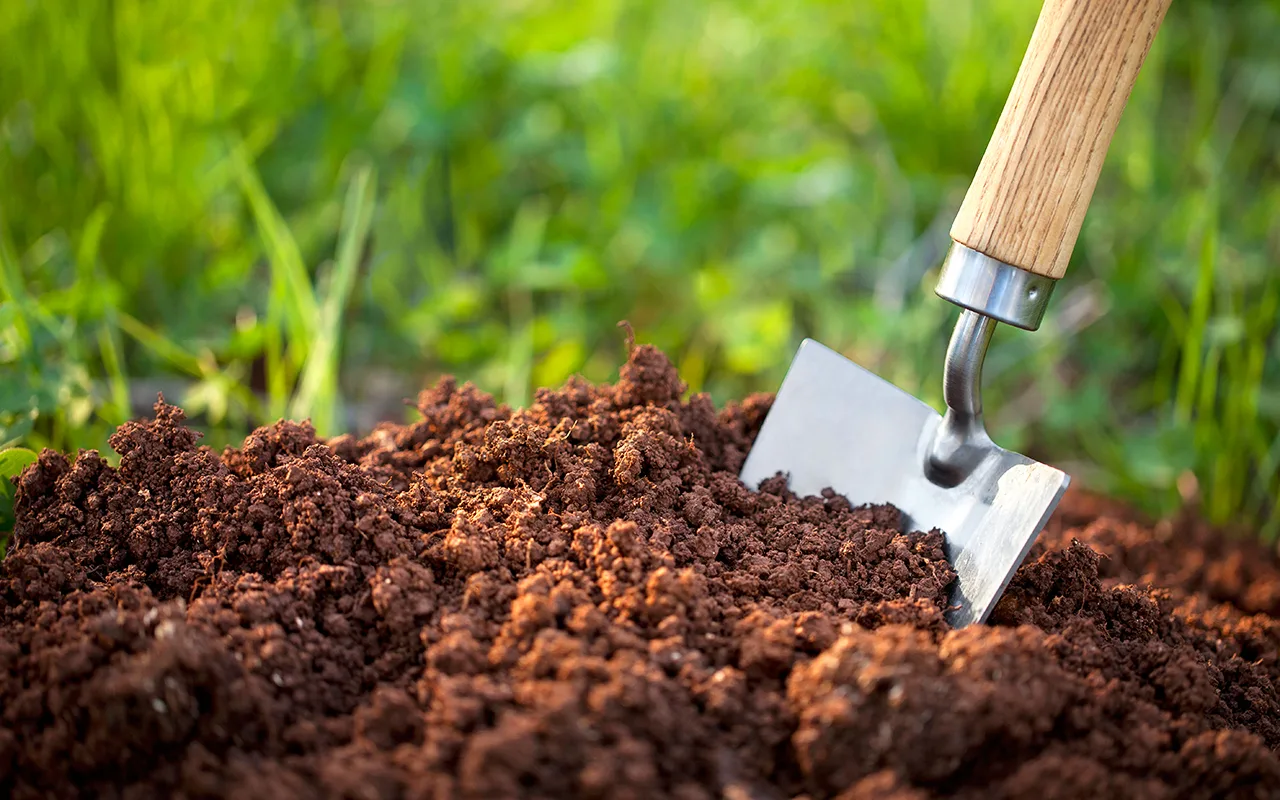
Soil
Complex ecosystems, hold water, air , nutrients, ect. Created by erosion of rock and bedrock, decaying organism and erosion particles

Sand
(Largest) Granular material composed of finely divided rock and mineral particles

Silt
(Middle) Granular materials of a size between sand and clay

Clay
(Smallest) Finely grained natural rock or soil material smaller than silt

Soil Horizons
Develop as result of climate characteristics and action of soil organisms
Leaching
Water moves through to fast and can take nutrients with it

O Horizon
Surface layer with organic matter and active decomposition

A Horizon
Mix of inorganic and organic materials that is rich in nutrients called top soil

E Horizon
Formed from leaching of clay minerals to lower horizons

B Horizon
Depositional layer that receives leached materials from higher horizons

C Horizon
Deepest soil layer of weathered parent material

R Horizon
Lightly weathered, consolidated rock

Green revolution
Made food more widely available in countries facing famine leading to the spread of monocultures and industrial agriculture
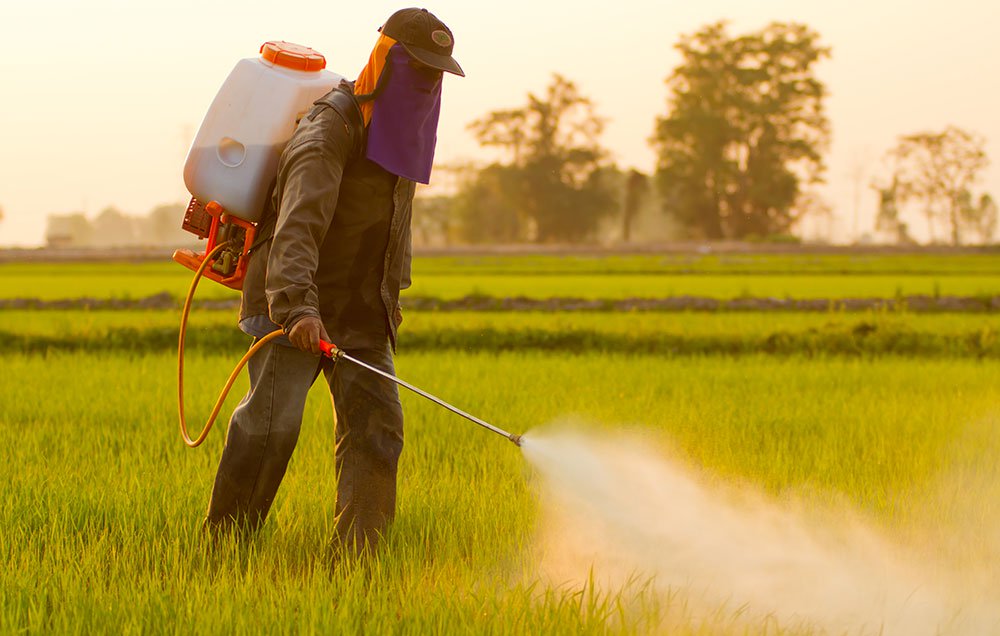
Pesticides
Chemical compound used by farmers to kill pests

Genetically Modified Crops
A response to reduce pesticide use, making crops have a increased vitamin production

Traditional Farming
Small family farms using manual labor to serve a family or community

Industrial Farming
Most widespread called intensive farming
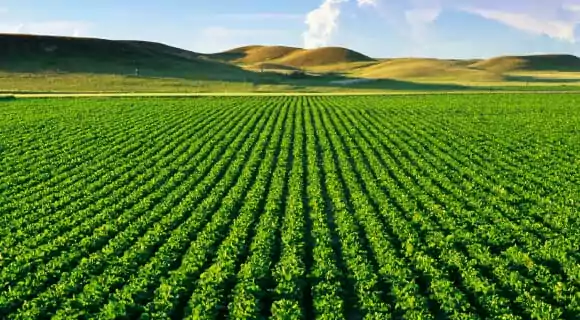
Monoculture Farming
Producing/growing single crops at a time, requiring large amounts of pesticides/fertilizer increasing efficiency but at the cost of equipment and practices

Polyculture
More than one species grown at the same time, most prevalent agriculture, and a great ability to control pests

Tillage
Preparation of soil by mechanical agitation by removing weeds and enhancing plant growth

No-Tillage
No soil disruption, decreasing soil erosion and increasing water infiltration

Overgrazing
Plants exposed to intensive grazing over a long period of time increasing soil erosion and invasive plant species

Desertification
Land degradation in drylands where productivity is lost due to human activity

Deforestation
Removal of trees increasing soil erosion

Slash and Burn
Used in areas with poor soil returning nutrients back but increases air pollution
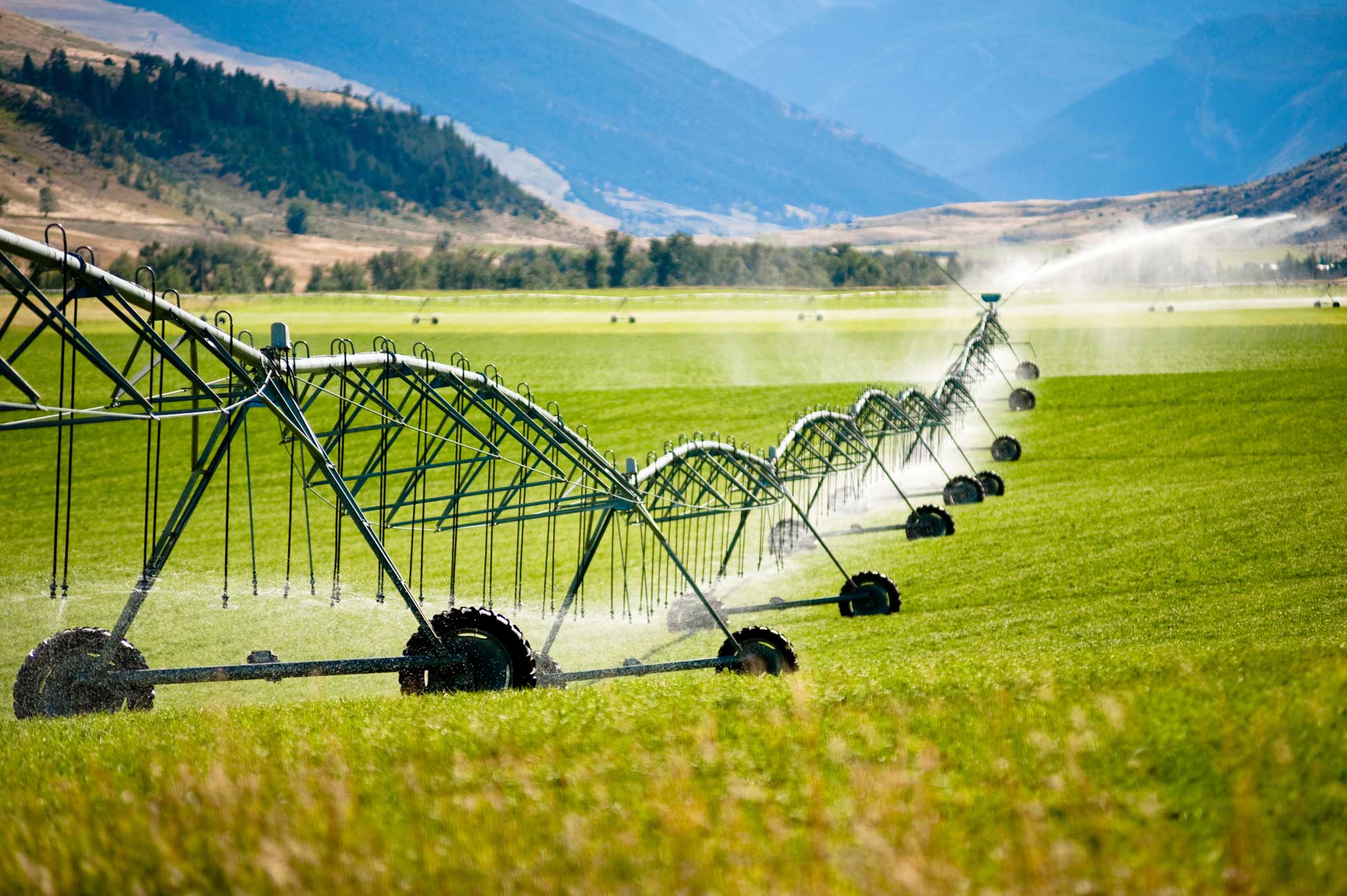
Irrigation
Accounts for 70% of water withdraws

Stages of Demographic Transition
Pre-Industrial
Transitional
Industrial
Post-Industrial