exam 1 midterm intro to art history
 Call Kai
 Learn
Learn Practice Test
 Spaced Repetition
 Match
Match Flashcards
 Knowt Play
1/64

There's no tags or description
Looks like no tags are added yet.
Name | Mastery | Learn | Test | Matching | Spaced | Call with Kai | Chat |
|---|
No analytics yet
Send a link to your students to track their progress
65 Terms
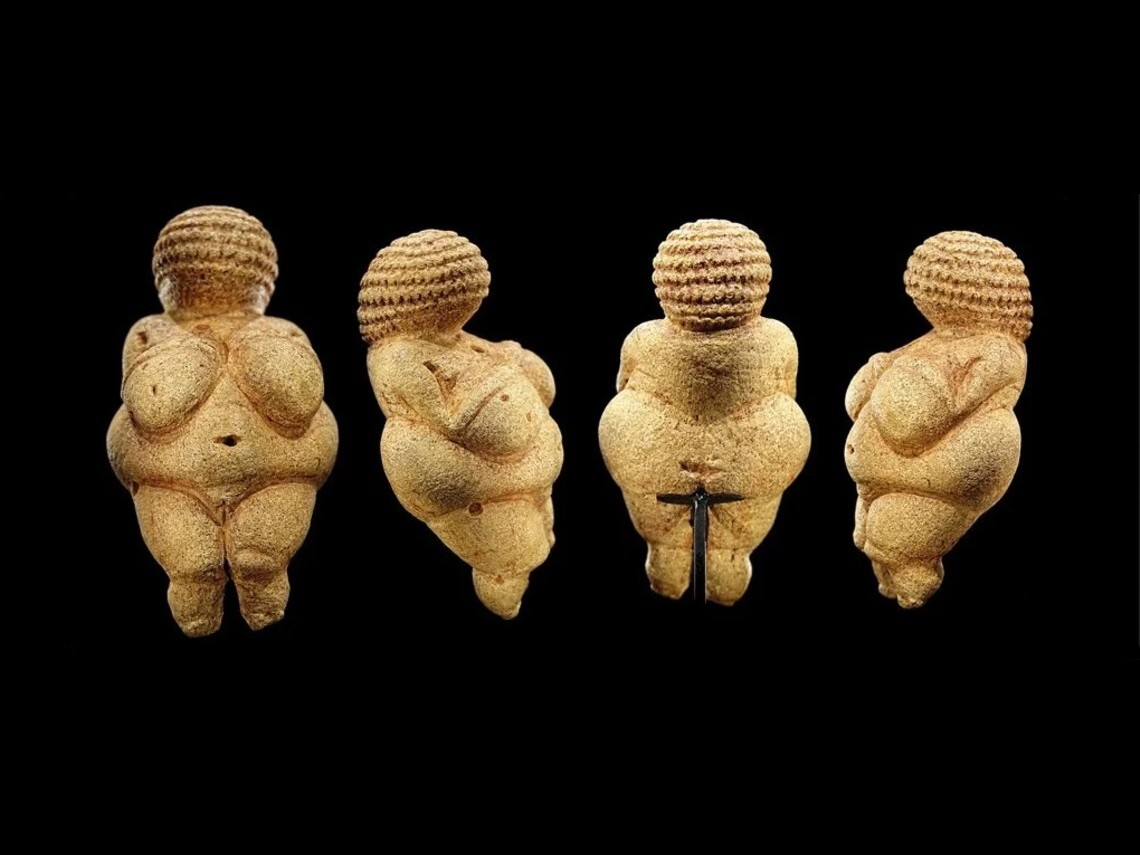
PREHISTORY - title
Venus of Willendorf (limestone figurine)

Venus of Willendorf - date
c. 24,000-22,000 BCE

Venus of Willendorf - place
Austria

Venus of Willendorf - important notes
willindorf is the town of where this was found
venus to represent love and beauty
emphasis on her reproductive anatomy - related to fertility or child bearing
blurred between artifact and art bc of it’s size and assumed to be used as something that travels around from person to person

title
Hall of Bulls, Lascaux Caves

Hall of Bulls, Lascaux Caves - date
c. 16,000-14,000 BCE,

Hall of Bulls, Lascaux Caves - location
France

Hall of Bulls, Lascaux Caves - important notes
only land animals like horses, deers, bisons and no humans or fish or land
move throughout the cave to create these
people of this period relied on hunting
deer may have been the main source of meat but htey do not show up in the cave
holes in the walls to support scaffolding, twigs with chewed ends, natural materials as pigment and mixed with water to paint,
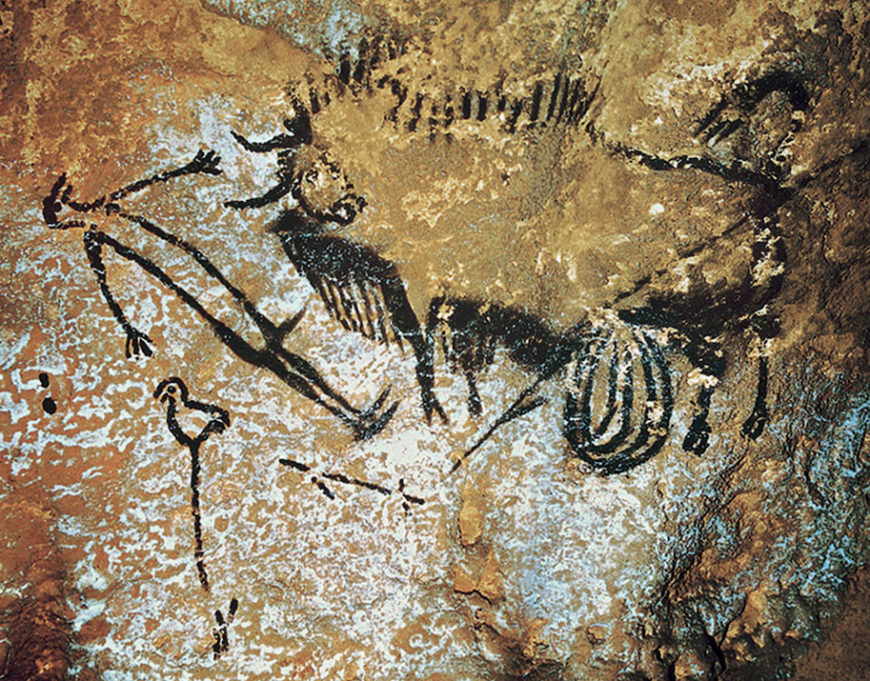
PREHISTORY - title
shaft scene

shaft scene - important notes
3 figures- human, bison, and rhino
“spikey parts” of the bison are meant to convey texture of fur
human has arms torso and head
rhino has a tail and legs and little dots, suppsoed to be the rhino shitting
the bird staff shows that the human was a shaman or spiritual follower
bison actively losing his life wiht the staff in his body

PREHISTORY - title
Warka (Uruk) Vase

Warka (Uruk) Vase - date
c. 3,500-3000 BCE

Warka (Uruk) Vase - location
Mesopotamia (Iraq)

Warka (Uruk) Vase - important notes
2 rivers important (euphrates and tigris)
uruk aka the first city
inanna, the goddess of love and fertility
anu the sky god
used for ritual practice for inann
storytelling narrative around the vase
bottom reg: sheep and grain stalks
middle reg: 9 men walking and holding vessels used for agriculture, they are n*de which means they are lower class
top reg: higher up like goddesses maybe inanna,
clear heirarchial
key term: composition
how the artist arranges the visual elements of a work
key term: registers
dividing work in registers, different layers seperating the complexicity of the composition
key term: low relief vs high relief
low relief is a little more flat and pops out just a little bit from the body but high relief is more 3 dimensional, you can wrap ur hands around it but it’s still attached to a body

PREHISTORY - title
Narmer Palette (both sides)

Narmer Palette (both sides) - date
c. 3000 BCE

Narmer Palette (both sides) - location
egypt

Narmer Palette (both sides) - important notes
bc the nile flows north, upper egypt is south and lower egypt is north
flat stone and engraved
too large to be functional so prob an offering for a god, ritualistic purposes
hieroglyphs show: narmer’s name on top, horus the falcon god, narmer the larger person, narmer weears the crown of upper egypt
on the other side: two leopards with long snake necks called serpopard, narmer in human form but wears the crown of lower egypt,
war and politics
key term: hieroglyphs
ancient writing
key term: hierarchy of scale
people who are more important are bigger and less important people are smaller

Ancient Death, Ancient Deities - title
The Great Pyramids of Giza

The Great Pyramids of Giza - date
c. 2600-2500 BCE

The Great Pyramids of Giza - location
Old Kingdom, Fourth Dynasty, Egypt

The Great Pyramids of Giza - important notes
3 pyramids
khufu - the great “main” pyramid
khafre - appears taller bc it sits on a higher bedrock
menkaure - smallest
each part of a royal morturary complex
built on flat bedrock and used limestone, free people built this not enslaved people, they had hospitals cemeteries kitchens etc, gold capstone
the king is human but also god,
key term: polytheism
a religion with many gods
ka
spiritual life force, vital double (of ba: unique personality) that departed at death but continued to provide sustenance to exist
ex, khafre ka statue (stone) and the ka statue of ka’aper (wood)

Ancient Death, Ancient Deities - title
Book of the Dead for the Chantress of Amun, Nauny

Book of the Dead for the Chantress of Amun, Nauny - date
1050 BCE

Book of the Dead for the Chantress of Amun, Nauny - location
third intermediate period, egypt

Book of the Dead for the Chantress of Amun, Nauny - important notes
talks about what it was like in the underworld with Osiris
found in private tombs for non royals
made differently depending on the person
meant to give deceased people safety
this specific one is 17ft long and has an important scene called the weighing of the heart
confess your sins and see if your heart is lighter if youre telling the truth, in this scene, nauny is truthful and can join the dead

Ancient Death, Ancient Deities - title
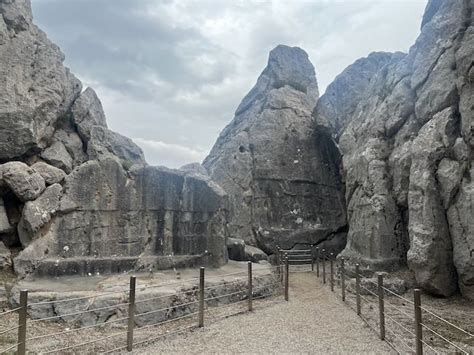
Yazılıkaya
Yazılıkaya - date
13th century BCE

Yazılıkaya - location
Hittite Empire, near Hattusa, Turkey

Yazılıkaya - important notes
commissioned by a king
the Hittite were in conflict with the egyptians over syria
designed for being viewed
hasn’t survived super well because of erosion and it’s low relief
has gods of death marching towards the god of the underworld

Ancient Death, Ancient Deities - title
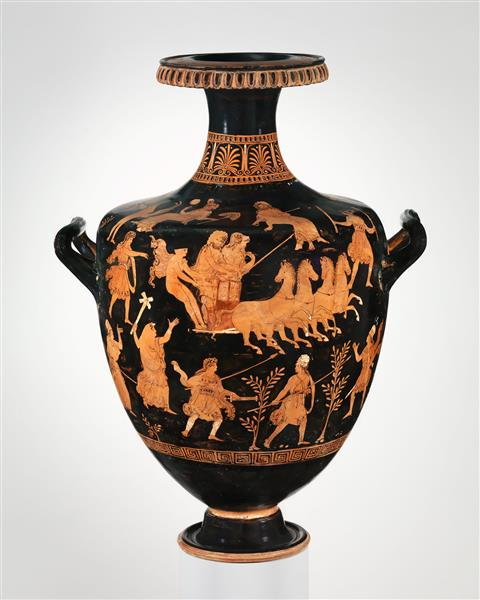
Terracotta hydria (water jar)
Terracotta hydria (water jar) - date
c. 340-330 BCE

Terracotta hydria (water jar) - location
Apulia, Italy

Terracotta hydria (water jar) - important notes
hades abducts persephone, and her mother, demeter, is angry
autumn/winter is when persephone is with hades, spring and summer is when she is in theo verworld
when persephone disappears, fertility and agriculture disappears and vice versa
she is burial and renewal
the hydrias were grave markers - it has a hole at the bottom so whater is poured from the top, it comes out from the bottom
death and marriage were parallel bc it showed women being removed from her former place
key term: red figure
the figures are red
key term: slip
clay and water
ex, black slip used for painting in the terracotta hydria

Ancient Death, Ancient Deities - (has more to do with life) title
The Great Stupa (Mahastupa), Sanchi

The Great Stupa (Mahastupa), Sanchi - date
250 BCE

The Great Stupa (Mahastupa), Sanchi - location
Maurya Empire, India

The Great Stupa (Mahastupa), Sanchi - important notes
commisioned by ashoka following his conversion to buddhism
making the deceased continue to be alive through devotion
designed to be a representation of the universe with it’s roundness
the practinioner doesnt enter the stuppa, the circumambulate
the buddha guides the living to nirvana
key term: buddhism
ashoka was the first to adopt the faith
about rejecting the desires of the body (not eating, not sleeping,)
key term: stupa
reliquary monument, mound of stone, has to do with burial but not the deceased
key term: aniconism
avoidance of using visual images to depict religious figures
ex, no buddha depicted in artifacts but rather seeing him symbolized as a mango tree
key term: circumambulation
walking around as a meditational practice

Ancient Death, Ancient Deities - title
Terracotta Army of Emperor Qin Shi Huangdi’s Mausoleum

Terracotta Army of Emperor Qin Shi Huangdi’s Mausoleum - date
c. 210 BCE

Terracotta Army of Emperor Qin Shi Huangdi’s Mausoleum - location
Qin Empire, China

Terracotta Army of Emperor Qin Shi Huangdi’s Mausoleum - important notes
qin empire super succcesful - standardized weight and measures, writign and currency,
thousands of terracotta figures and laid hidden for years, discovered in 1974 by farmers
varied in height according to their rank
a necropolis
egyptian blue and han purple are similar so scholars theorize that there must have been exhcnage between egypt and china
the color is expensive and also represents wealth
they were being reproduced for the meperor past his death, life beyond death
key term: necropolis
a city devoted to the dead

Ancient Death, Ancient Deities - title
False Face for Funerary Bundle

False Face for Funerary Bundle - date
3rd century BCE-1 st century CE

False Face for Funerary Bundle - location
Paracas culture, Peru

False Face for Funerary Bundle - important notes
paracas culture are a bunch of communities that lived in the same area and shared trade and knowledge
a mummy bundle was a construction of a new body
the body was placed in a seated or curled position and wrapped in the mummy bundle
ceramics, food, knives, etc would be in between layers
textile work on fabrics took a long time, lots of effort towards giving this to the dead
death as a transformation illustrated on the mummy bundle
death and the afterlife would become inseparable
key term: zoomorphic
having the form or shape of an animal
ex, paracas culture had zoomorphic fabrics and bundles
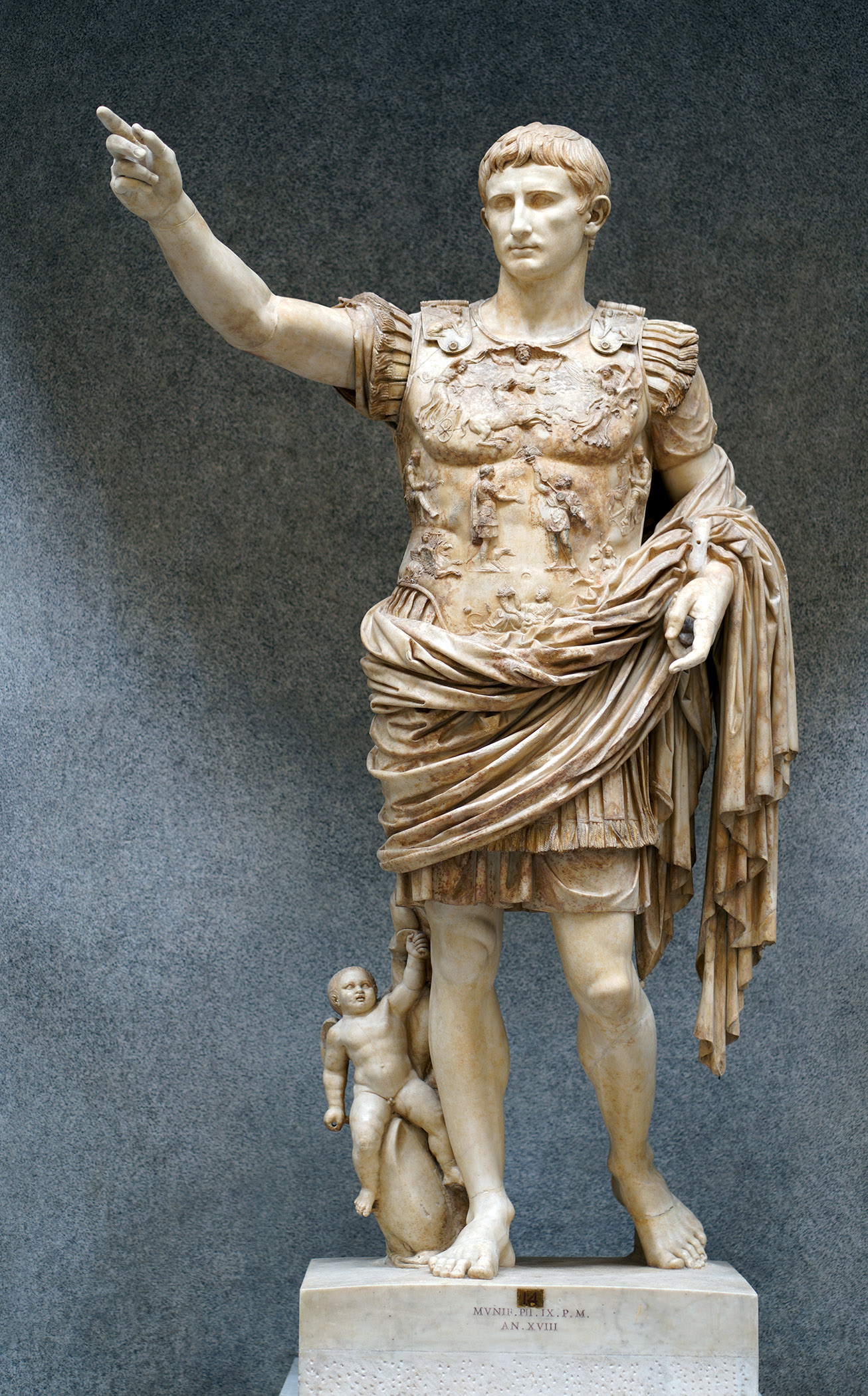
AGE OF EMPIRES: title
Augustus of Primaporta

Augustus of Primaporta - date
1st century CE

Augustus of Primaporta - location
Roman Empire, Italy

Augustus of Primaporta - important notes
the first ruler of the roman empire