polytomic ions + nomenclature
 Call Kai
 Learn
Learn Practice Test
 Spaced Repetition
 Match
Match Flashcards
 Knowt Play
1/34

Earn XP
Description and Tags
Name | Mastery | Learn | Test | Matching | Spaced | Call with Kai | Chat |
|---|
No analytics yet
Send a link to your students to track their progress
35 Terms
Sulfate
SO4²-
Sulfite
SO3²-
Hydrogen sulfite
HSO3^-
Hydrogen sulfate
HSO4^-
Carbonate
CO3^-2
Bicarbonate
HCO3-
Hydronium
H3O+
Hydroxide
OH-
Ammonium
NH+4
Phosphate
PO4-3
Hydrogen phosphate
HPO4-2
Dihydrogen Phosphate
H2PO4-
Chlorite
ClO2-
Hypochlorite
ClO-
Chlorate
ClO3-
Perchlorate
ClO4-
Acetate
C2H3O2-
Cyanide
CN-
Nitrate
NO3-
Nitrite
NO2-
Base
A substance that releases Hydroxide ions OH- when dissolved in water.
Acid
A substance that releases Hydronium ions H3O+ when dissolved in water.
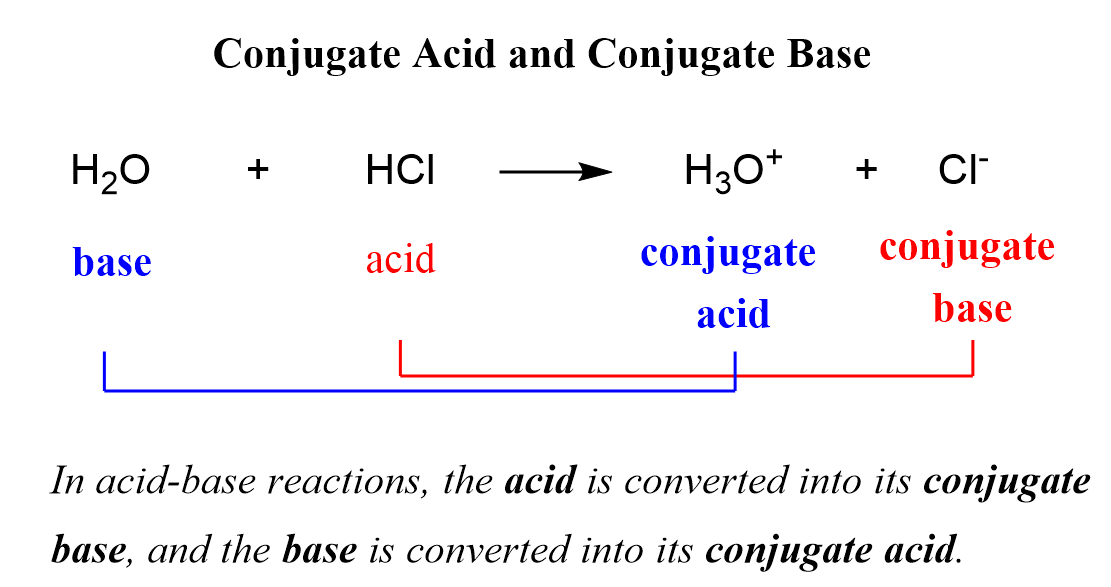
Conjugate acid base pairs
consists of an acid and its corresponding base, which differ by a single proton (H+)
Polyatomic ion
ions which consist of more than one atom. For example, nitrate ion, NO3-
Metal and nonmetal
typically ionic bond
Nonmetal and Nonmetal
typically covalent bond
Amphoprotic
molecules or compounds that exhibit both thermotropic and lyotropic liquid crystalline behavior. This means they can form liquid crystals (LCs) in response to changes in temperature (thermotropic) and when dissolved in a solvent (lyotropic).
Kw
Increases with temperature, auto ionization of water.
25C = 1.0×10^14-
80C = 2.4×10^-13
100C = 5.6×10^-15
Ionization
the process by which an atom or a molecule acquires a negative or positive charge by gaining or losing electrons, often in conjunction with other chemical changes
-ate prefix
Means ‘more’ Oxygens, used in Chlorate, Nitrate, Phosphate
-ite prefix
Means ‘less’ Oxygens, used in Chlorite, Nitrite, Phosphite
-ide prefix
-per + -ate prefix
Used in Perchlorate, most amount of oxygens possible.
-hypo + -ite prefix
Used in hypochlorite, means least amount of oxygens possible.
acid prefixes
If the anion ends in 'ide', the name of the acid begins with the 'hydro' prefix. ...
If the anion ends in 'ate', the acid name is the root followed by the suffix 'ic'. ...
If the anion ends in 'ite', the acid name is the root followed by the 'ous' suffix.