Anatomy and Physiology of Reptiles & Fish
 Call Kai
 Learn
 Practice Test
 Spaced Repetition
 Match
 Flashcards
 Knowt Play
1/48

Earn XP
Description and Tags
M.9R, W.2, L.5
49 Terms
What kind of thermoregulation mechanism do reptiles use and explain what it is
Ectothermic
rely on external / environmental heat sources to maintain body temp
controlled by hypothalamus
list two reasons why temperature is important for reptiles
drug metabolism
assessing normal behavior
What separates the thoracic and abdominal cavities in a reptile?
Nothing!
reptiles do NOT have a diaphragm
what is the body cavity of a reptile called?
Coelomic cavity
List the two type of teeth Lizards can have, location, and a characteristic about them
Pleurodont teeth
attached to inner surfaces of jaw
replaced continuously throughout life
Acrodont teeth
attached to biting edge of jaw
can not be replaced


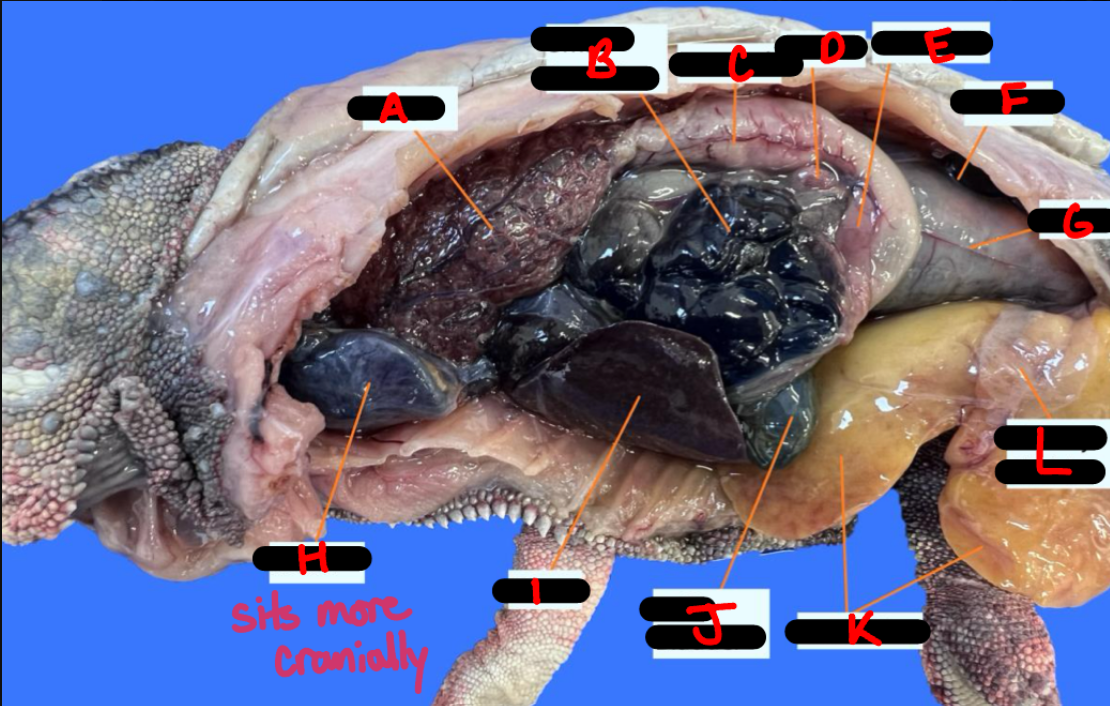
Label A - K in this image

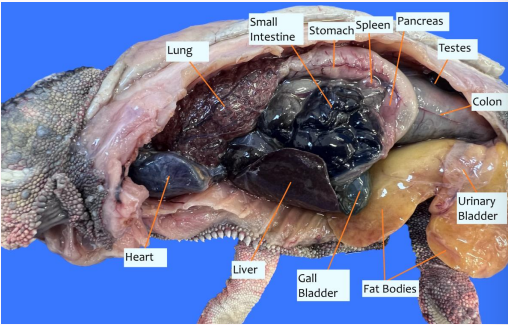
Label A - L in this image
how many rows of teeth do snakes have?
6 rows

where is the heart located in a snake?
Cranially
first third of body
where do the lungs lie? how many lungs do they have and are they both
lies caudal to the heart
most species: R lung only functional
L lung either not there or not functional for respiration
List the function of the cranial and caudal portion of the lungs in a SNAKE
Cranial portion
gas exchange
highly vascular
Caudal portion
air sac; non-respiratory
used for buoyancy
list the terms for the dorsal (top) and ventral (bottom) reptile shell
Top - CARAPACE
Bottom - PLASTRON
describe the structure of a reptiles shell
dermal bone
fused w/ vertebrae, ribs, pectoral & pelvic girdles
covered by epidermal scutes
do testudines have teeth?
no
how do testudines breath and what can indicate signs of respiratory distress?
through the nares
mouth breathing = BAD
What is the urinary bladder a reservoir for in Testudines?
water & electrolytes
Describe the lungs in snakes & lizards
large volume
less internal subdivision
gas exchange via ediculae
primitive mucociliary lining: reduced clearance of debris
Since snakes and lizards don’t have a diaphragm
what kind of breathing do they have
how does ventilation occur
negative pressure breathing
body wall muscles drive ventilation
what are the phases of respiration in snakes & lizards?
Inspiration
Expiration
Relaxation / Breath Hold
How does temperature control respiration in Snakes

Describe the lungs of a testudine
dorsal half of body
multichambered
resp. surface = ediculae

How do respiration and ventilation occur in testudines?
respiration via muscular movement
ventilation driven by specialized muscles
Describe the Reptile Cardiovascular System
3 Chambered Heart (2 atria, 1 ventricle)
Ventricle
Cavum Arteriosum
Cavum Venosum
Cavum Pulmonale
Sinus Venosus
Describe blood flow in the reptile heart ventricles.
How are the cavum arteriosum & venosum connected?
Cavum Arteriosum
oxygenated blood from L atrium
Cavum Venosum
deoxygenated blood from R atrium
Cavum Pulmonale
ventral region
blood passes to pulmonary artery
*Cavum arteriosum & venosum joined by small hole in vertical septum
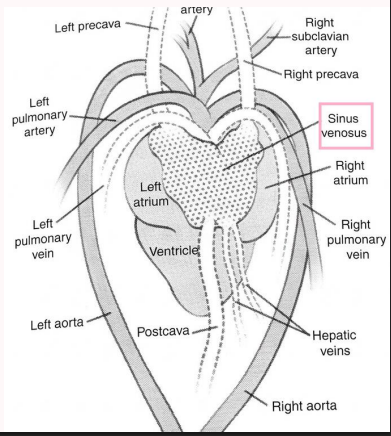
List the functions of the sinus venosus of the reptile heart
aids atrial filling via contracting prior to atrium
pacemaker for initiating heartbeat
Describe blood flowing during respiration in a reptile
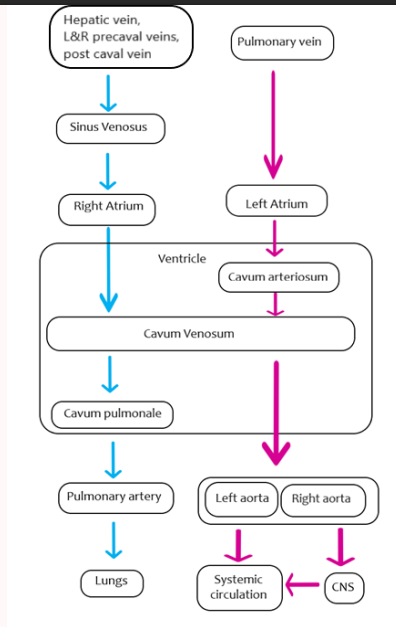
Describe reptile blood flow during apnea/diving
Hold breath → increase parasympathetic tone → pulmonary artery constricts
cavum pulmonale blacks blood from cavum venosum (due to increased pressure in CP) → blood goes back to cavum venosum
blood shunts down to left aorta
blood goes into systemic circulation
Bypasses lungs & maintains systemic perfusion while conserving oxygen

Describe reptile RBCs (erythrocytes) histologically
large
nucleated
rugby ball shaped

What is the difference between mammalian and reptile RBCs?
Mammalian
anucleate
biconcave disk shape
Reptile
nucleated
rugby ball shaped
Which blood tube is used for reptile hematology & biochemistry?
Which blood tube is avoided and why?
Heparin
EDTA avoided
causes hemolysis
List preferred venipuncture sites for testudines, lizards, and snakes

List the function of the renal portal system in reptiles
blood from tail/hindlimbs may pass through kidneys prior to systemic circulation
maintains blood supply to renal tubules during dehydration

what happens physiologically in reptiles during water conservation and list the clinical relevance of this
Water Conservation
↓ Glomerular blood flow ↓ GFR ↓ Water loss
RPS continues to perfuse renal tubules preventing tubular ischemia
Clinical Relevance
increase renal exposure to some drugs
injectable drugs often administered in cranial half of body
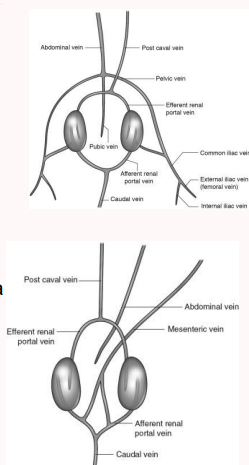
Describe the kidneys in reptiles (what do they not have and what are they unable to produce, and where do they ureters empty into?)
no distinct cortex, medulla or renal pelvis
no loop of Henle
unable to produce hypertonic urine
ureters empty into urodeum (middle chamber of cloaca)
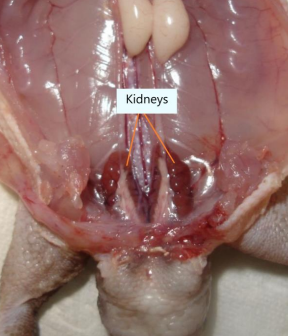
Since reptiles can’t produce concentrated urine, what do they rely on to prevent dehydration and nutrient loss?
Reverse Peristalsis
urine travels → ureters → urodeum of cloaca
reverse peristalsis
pushes urine backward into colon and rectum
allows water + electrolyte reabsorption
what waste product do aquatic species + fish excrete
and what do terrestrial species excrete
Aquatic species
Ammonia
Terrestrial Species
Uric Acid / Urates
Describe the Digestive System in Carnivore and Herbivore Reptiles
Carnivores
short + simple GIT
Herbivores
large colon ± cecum
what are venom glands
modified salivary glands
what is the rate of digestion in reptiles related to?
Temperature
digestion drops when ill
List the anatomical structures of the cloaca + explain the functions of these structures
Three Chambers:
Coprodeum
collects feces
Urodeum
receives urine & reproductive products
Proctodeum
leads to vent
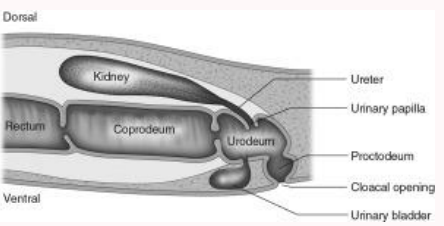
List the functions of the cloaca
common chamber for digestive, urinary & reproductive systems
water absorption via cloaca and bladder
especially testudines
List clinical relevance of the cloaca in reptiles
bathing can aid rehydration
supportive therapy in dehydrated reptiles
what happens to male reptile testes during breeding season?
enlarges
List a special anatomical repro structure that snakes & lizards have. Where is it and what happens during mating
Paired extracloacal hemipenes
caudal to cloaca
evert during mating
what anatomical reproductive feature to testudines & crocodilians have
single intracloacal phallus
what is the clinical relevance of the male reptile repro system
hemipenile / phallic prolapse can occur
urgent vet management needed
