Inv 2 Chemistry large summative
 Call Kai
 Learn
 Practice Test
 Spaced Repetition
 Match
 Flashcards
1/21

There's no tags or description
Looks like no tags are added yet.
22 Terms
atomic number
the number of protons in the nucleus of an atom
Proton
A subatomic particle that has a positive charge and that is found in the nucleus of an atom
Neutron
A subatomic particle that has no charge and that is found in the nucleus of an atom. It is calculated by subtracting the mass number and atomic number from each other.
Electron
A subatomic particle that has a negative charge and is found in the electron cloud surrounding the nucleus.
Electron Cloud/Outer Shell
a region around the nucleus of an atom where electrons are likely to be found
Symbol
The abbreviation of each of the elements that always has the first letter capitalized and the letters that follow lowercase. If it is a single letter, it is always capitalized.
Mass Number
The number that identifies how many protons and neutrons are in an atom of an element.
Overall charge of an atom
Is typically neutral
Chemical Formula
A combination of chemical symbols and numbers to represent a substance
Chemical Property
the characteristic of a substance that determines how it interacts with other substances.
Dimitri Mendeleev
Russian scientist that created the perodic table according to atomic mass
Metals
Elements that are good conductors of heat and electric current. Are shiny solids, Are malleable
Non-metals
elements that are usually dull in appearance, poor conductors of heat and electricity, and tend to be brittle when solid.
Metalloids
Elements that have properties of both metals and nonmetals.
Group (periodic table)
the elements in any one vertical (up and down)column of the periodic table. Example: Halogen or Alkali Metals
Period (periodic table)
Horizontal rows on the periodic table
mass number (atomic mass)
the total number of protons and neutrons in the nucleus of an atom
Atomic Structure
Electron on outer shell, neutron and proton in center, nuclei.
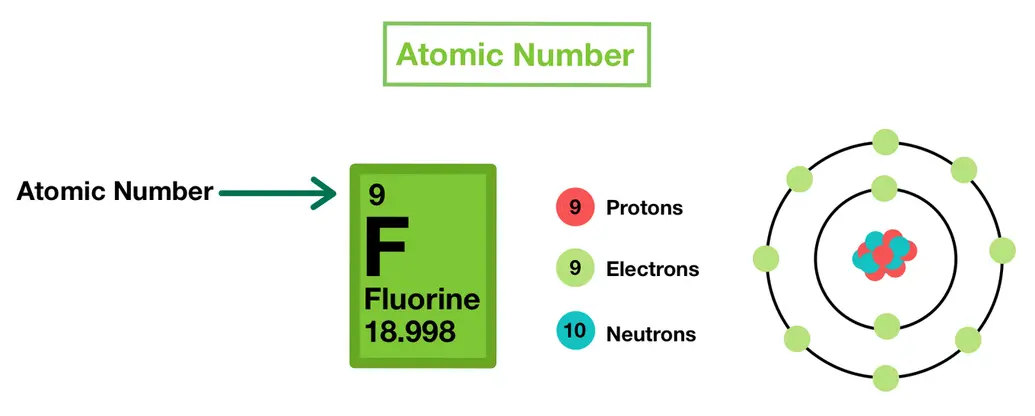
How many protons
9
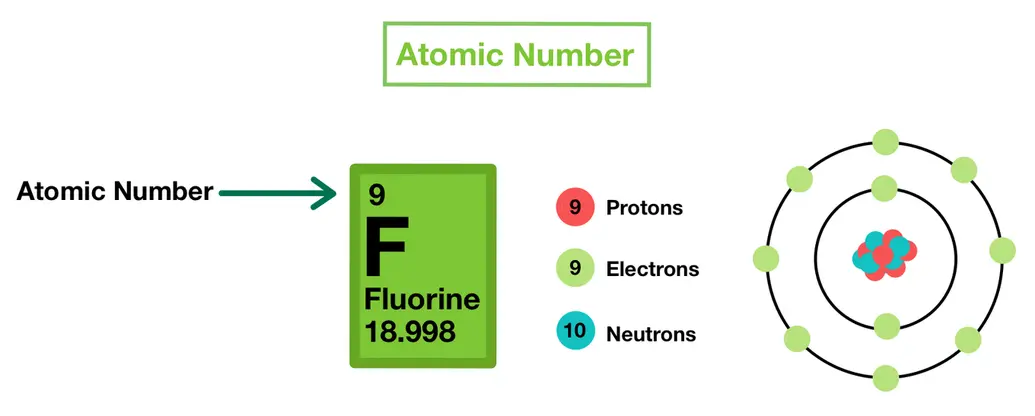
How many electrons
9

Which number above represents how many combined protons and electrons are in this atom?
Atomic Mass = 12

How many neutrons does Tin have?
This can be calculated by subtracting the atomic number, which is 50, from the atomic mass of Tin, typically around 119. Therefore, Tin has approximately 69 neutrons.