Unit 4: Self-regulation and positive psychology
 Call Kai
 Learn
Learn Practice Test
 Spaced Repetition
 Match
Match Flashcards
 Knowt Play
1/20

There's no tags or description
Looks like no tags are added yet.
Name | Mastery | Learn | Test | Matching | Spaced | Call with Kai | Chat |
|---|
No analytics yet
Send a link to your students to track their progress
21 Terms

Implementation intentions
if-then plans that connect situational factors to actions and prevent start failures and derailment

Self regulation
control of behavior

Self regulation theory (Bandura)
self monitoring: collecting performance data
self evaluation: comparing performance with standards
self reaction: emotional reactions to results, incentives and sanctions

Discrepancy hypothesis of goal achievement
discrepancy > tension > action
large (too confusing), optimal (unfamiliar but relatable)
mediators: outcome expectation, perceived selfeff, subjective difficulty
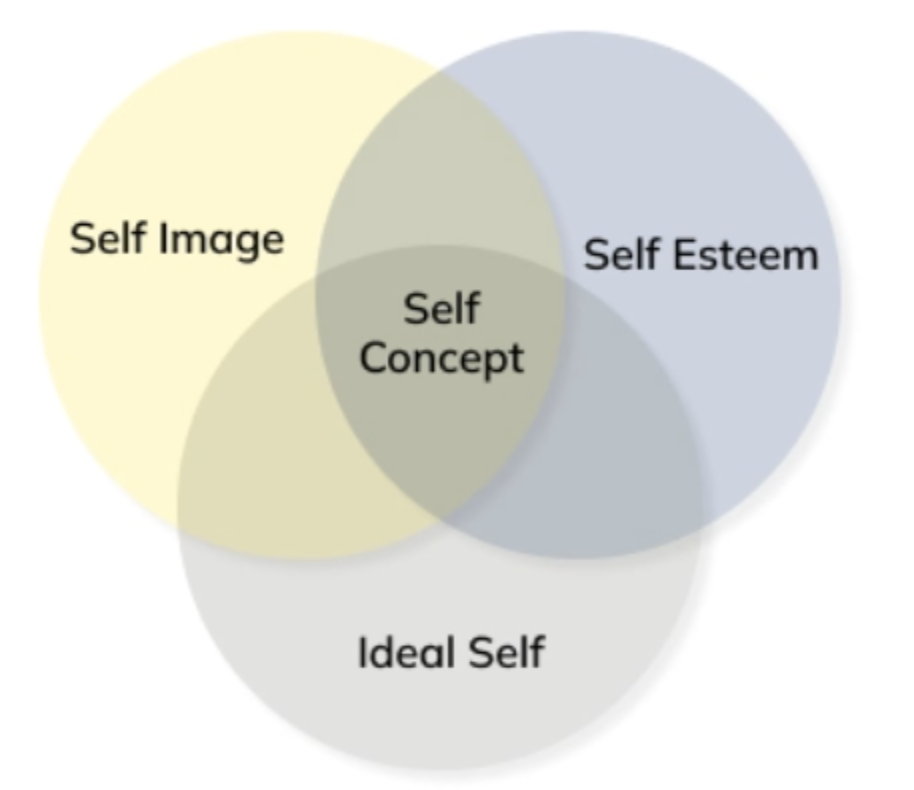
Aspects of the self
self conceptions: what kind of person you are
self esteem: your sense of worth
emotional understanding: managing and coping
identity: you as a group member

Self-discrepancy theory (Higgins)
self regulation through three possible selves
makes sense of relations to the world
well defined selves and goals are complex, positive, and linked to competences

Self digest and possible selves (SDT, Higgins)
self knowledge stores of information about three selves with different self regulation
instrumental: uses info on behavioral consequence to increase likelihood of desired outcome
expectant: uses info on how activities feel to predict difficulty and failure
monitored: uses info on discrepancy between current and ideal self

Implicit theories and self-regulation
incremental and entity
about the world: threatening, benevolent, benign,
about competence: mastery/performance, reflection/rumination

Mastery orientation measurement technique
thematic apperception test produces measure of achievement vs mastery goals from stories people tell about images

Theories on inherent reward from efficacy (mastery orientation reason)
effectance motivation: inherent drive to explore and act on environment due to intrinsic reward
cognitive development: in children the process of correcting dissonance from new information through accommodation (schema change) and assimilation (schema fit) is intrinsically rewarding
natural incentive: predetermined and reinforced pleasure responses to achievement and power, approach and avoidance motive
Mastery orientation: biological, cognitive/learning, social
anxiety: narrows focus and the broad scope of mastery orientation
social learning theory: shaped by modeling and self efficacy
parenting styles: shaped by authoritative parenting (high responsiveness and demands)
Theories explaining the cognitive components behind mastery and achievement
cognitive choice theory (Atkinson): M=Hs-Ff, if perceived value of incentive is too high difficulty and failure increase, failure must be avoided
competence development (Dweck): entity indivudals believe abilities are fixed and have worse outcomes
hierarchical approach/avoidance model: mastery goal (needs competence), performance approach goal (needs favorable judgment), performance avoidance goal (needs to avoid failure)
Setting goals (what does it do)
increases effort, persistence, direction, and strategy development
Most motivating goals
implementation intentions, proximal, difficult, goals+feedback
Pitfals and dangers of goal setting
stress and failure if too difficult
intrinsic motivation undermined if shared or interesting
non goal areas ignored
Habit
automatic goal directed behavior
effortless and efficient but persistent and non refinable
How to address self doubt
self monitoring: interpreting internal state
restructuring: address self set mental blocks
substitution: shift attention from fatigue to winning
distancing: not your thoughts
Self regulation unit studies
positive psychology review
metamotivation in self control
mindset interventions
hopium

Fujita et al. (2024). Metamotivation: The regulation of motivation in self-control
proposed the metamotivational model of motivation regulation to explain variables in success or failure of self-control
we achieve self control through metamotivational monitoring (underlying states influencing motivation qq) and control (motivation qq influencing underlying states)

Paunesku et al. (2015). Mind-Set Intervention Are a Scalable Treatment for Academic Underachievement
investigated efficacy of growth and sense of purpose mindset interventions in schools
academic decline reversed, incremental approach and connection to ideal self
Geiger et al. (2023) Hopium or empowering hope? A meta-analysis of hope and climate Engagement
investigated how hope relates to climate engagement and if it is moderated by type
hope increased climate engagement, no moderation
cognitive choice theory: motivated if Hs>Ff