Algebraic Thinking
 Call Kai
 Learn
 Practice Test
 Spaced Repetition
 Match
 Flashcards
 Knowt Play
1/23

There's no tags or description
Looks like no tags are added yet.
24 Terms
Expanded Form
break apart each digit in the number and show the digits' true value
Example.
4,358→4000+300+50+84,358→4000+300+50+8
Left-to-Right Subtraction
Algorithm for solving subtraction. Subtract each place value separately beginning with the largest and working to the smallest
Video:
Function Table
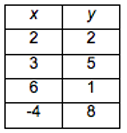
a table that describes a function by displaying inputs and corresponding outputs in a table format
Column Division
Algorithm for solving division. Separate the problem into columns and work with each place value separately

Like Terms
terms with the same variable and exponent combination
Example.
2x2x and 5x5x
Trade First
Algorithm for solving subtraction. Align numbers vertically based on place value and then ensure all top numbers are equal or larger than the bottom numbers
Video:
Same Change Rule
Algorithm for solving subtraction. Add or subtract the same amount from both numerals and then subtract
Video:
Partial Products
Algorithm for solving multiplication. Expand each factor into hundreds, tens, ones, etc. and then multiply and add
Counting Up
Algorithm for solving subtraction. Start with the number that is being subtracted and count up to the original amount with each step looking for the next base-10 number
Video:
Geometric Sequence
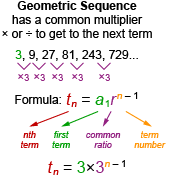
A sequence whose terms are generated by multiplying each term by the same common ratio.
Opposite Change Rule
Algorithm for solving addition. Add a number to one addend to make a number ending in zero and subtract the same amount from the other addend.
Video:
Place Value

The value of each digit in a number based on its location, or place
Algorithm
a specific set of steps that allows the user to reach the correct answer every time
Area Models
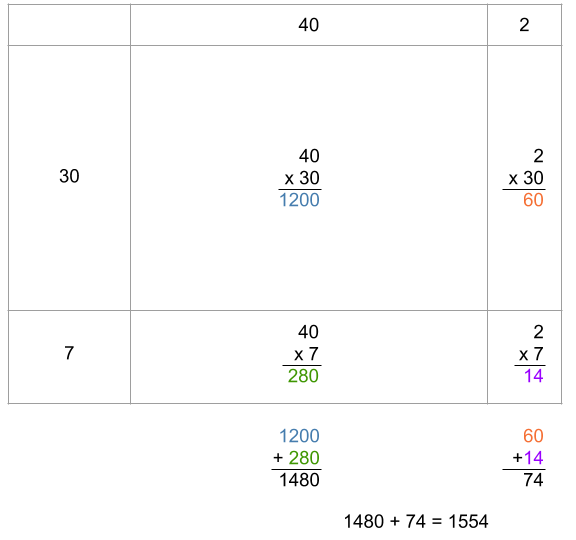
Using the expanded form of a number, each number is multiplied together and the products are added to find the final answer
Independent Variable
a variable that determines the value of another variable
Arithmetic Sequence
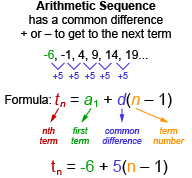
A sequence that has the same common difference between terms.
Partial Quotients
Algorithm for solving division. First estimate the answer using base-10 numbers and then keep estimating until the remainder is less than the dividend
Video:
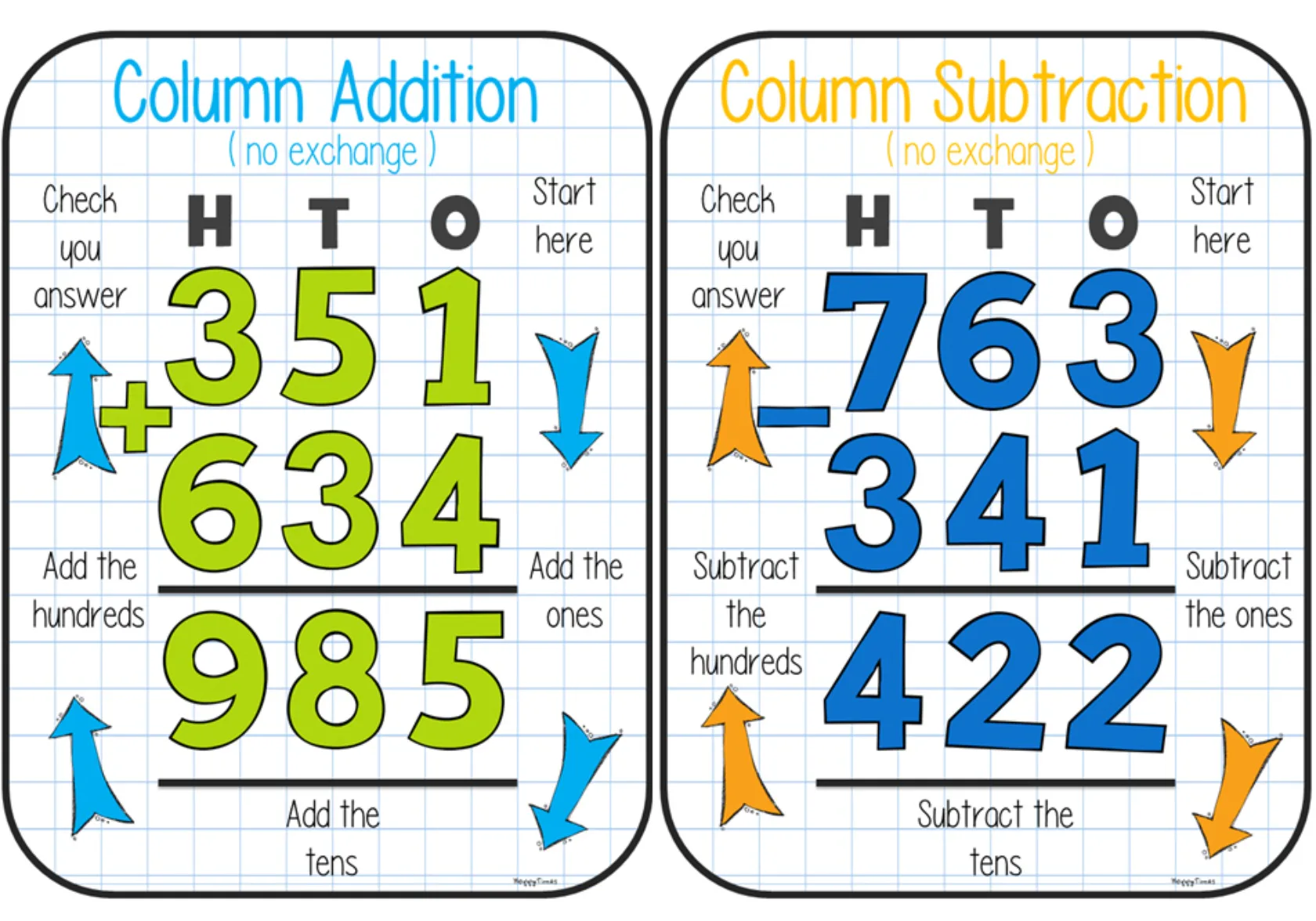
Column Addition
Algorithm for solving addition. Align numbers based on place value and then add each column
Partial Sums Addition
Algorithm for solving addition. Add each place value separately and then find the total

Linear Relationship
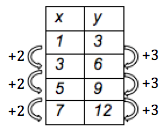
a relationship with a constant rate of change that creates a straight line when graphed
Dependent Variable
a variable that changes in response to another variable
Lattice Multiplication
Algorithm for solving multiplication.
Draw a lattice with diagonals in each box
Write one factor across the top and one along the right side (58 x 213)
Multiply each number and write the answer in the box with the tens digit on top (Top left box is 5 x 2 = 10)
Add the diagonals beginning in the bottom right corner (4)
If the sum is greater than 10, move the 1 to the next diagonal
The answer will be along the left side and bottom

Modified Repeated Addition
Algorithm for solving multiplication. Using the concept that multiplication is repeated addition, students use base-10 numbers to multiply and add

Rectangular Arrays
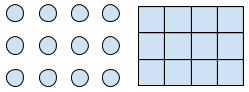
dots or objects that show the end product of 2 numbers; the objects are arranged so there are an equal number of items in each row and column
Example.
These _____ show 4 × 3