the survival of species
 Call Kai
 Learn
 Practice Test
 Spaced Repetition
 Match
 Flashcards
 Knowt Play
1/10

There's no tags or description
Looks like no tags are added yet.
11 Terms
how the reproductive strategies of koalas limit their chance of survival
koalas mate and reproduce from spring to summer, but they are peak times for bushfires.
Sexual dimorphism
distinct features between males and females besides their sex organs
Courtship ritual
a series of behaviors and signals used by animals to attract mates, often involving displays of strength or beauty.


testis, epididymis, vas deferens, seminal vesicles, prostate gland, urethra
testis- produces immature sperm cells
epididymis- stores and develops immature sperm cells that were produced in the testis. sperm cells mature when the penis wants to mate
vas deferens- transports mature sperm to the penis
seminal vesicles- produce a sugar-rich liquid to give sperm energy to travel
prostate gland- produces more fluid to help protect the sperm
urethra- transports sperm and urine out of the body.
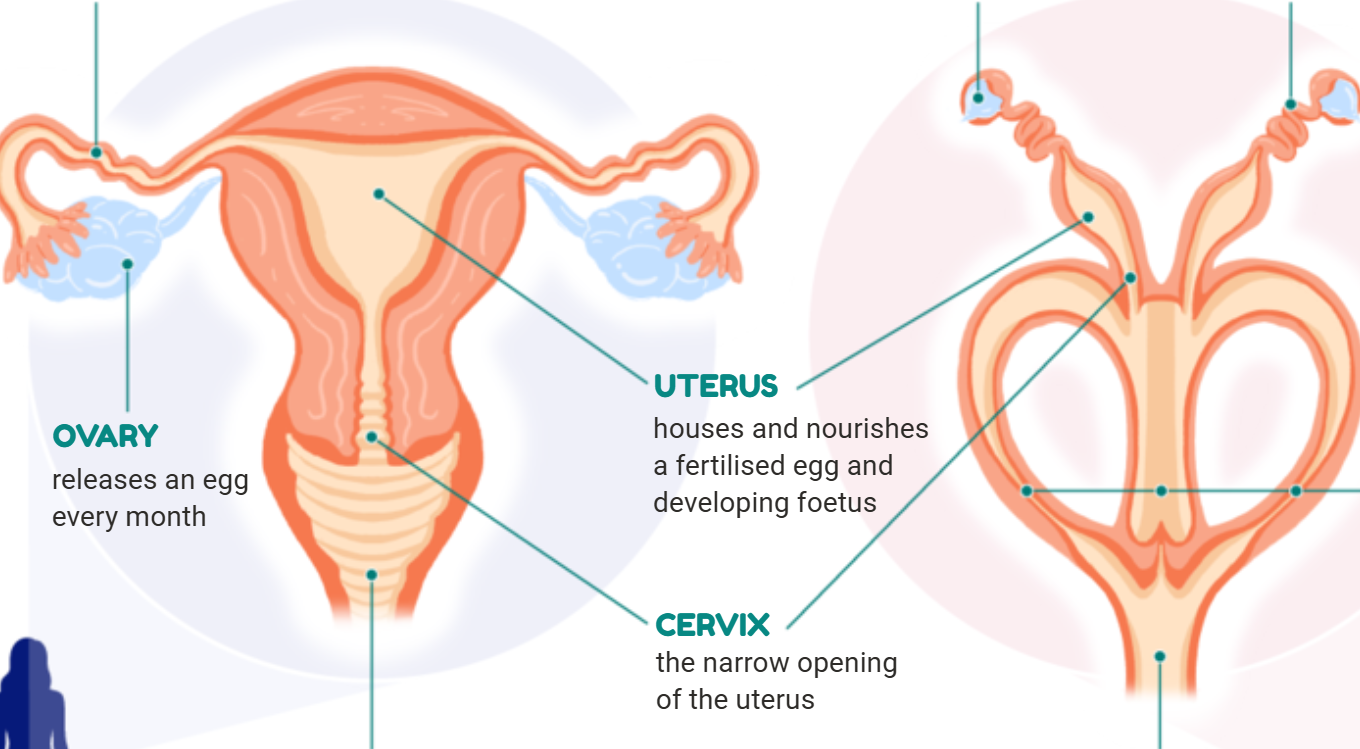

what the function of the koala’s 3 vaginas
the central one is used for giving birth and the outer ones carry the sperm
internal and external fertilisation, internal and external development
IF- inside female/male body (humans)
EF- outside , body (frog)
ID- inside body (humans)
ED- outside body (turtles)
internal and external development advantages and disadvantages
IA- safer
ID- less production and limited time
EA- more production
ED- more vulnerable
advantages and disadvantages of sexual and asexual reproduction
SA- more variety
SD- take more time and effort
ASA- quick
ASD- no variety
different types of asexual reproduction
fragmentation: a part of the parent body breaks off to create a new organism (starfish)
Binary Fission: an organism divides and copies its DNA (bacteria)
Budding: a new organism develops from an outgrowth or bud on the parent organism (yeast).