decision making - week 3
 Call Kai
 Learn
 Practice Test
 Spaced Repetition
 Match
 Flashcards
 Knowt Play
1/28

There's no tags or description
Looks like no tags are added yet.
29 Terms
what is decision making
process of making choices by identifying an issue, gathering information and assembling alternations resolutions
decision making
ask, acquire, analyze, apply, announce, assess
identifying a disease, illness or problem by examining someone or something
diagnosis
wwham
who is the patient?
what symptoms
how long for?
action taken?
medication?
paediatric warning symptoms
peeing, pooping, eating sleeping
loss of appetite
24h without wet nappy
loss of weight
persistent raised temperature
breathing problems
significant earache
discharge from only one nostril
temperature and sore throat
persistent night cough
blood loss from any orifice
neck stiffness
photophobia
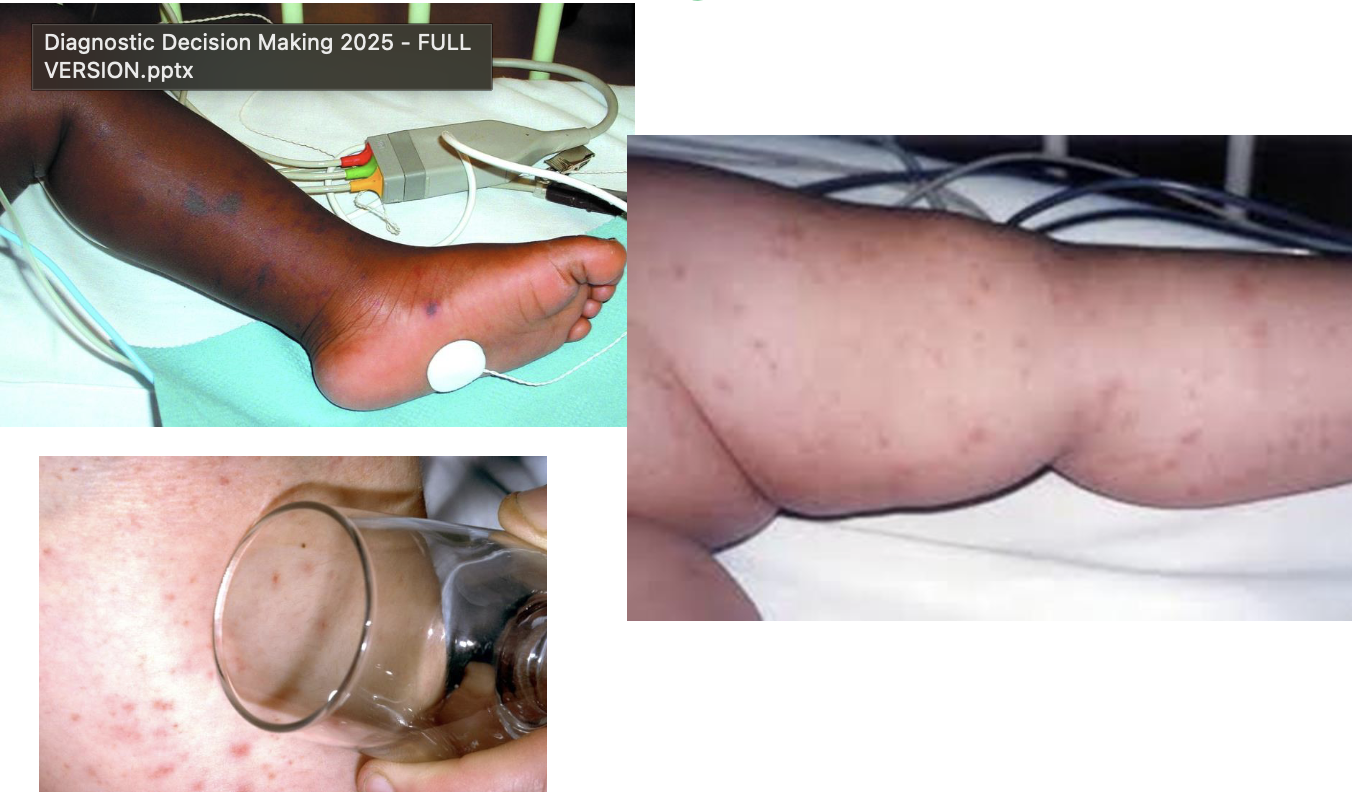
rash which does not blanch on pressure
red flags
weight loss
blood - vomit, urine, stool, vagina, moles. very black stool could mean bleeding higher up
chicken pox
mainly affects children
itchy, spotty rash
most children will catch at some point. can occur in adults who didn’t get in childhood
symptoms start 1-3 weeks after being infected
contagious until all blisters have scabbed off which usually happens about five or six days after rash appeared

chicken pox advice/medication
no specific treatment usually required
daily bath and cut fingernails to prevent secondary info
paracetamol
apply calamine, virasoothe
oral anti-histamine
stay off school/nursery until last spot crusts over (usually 5-6 days after rash appears)
meningitis early symptoms
pain in muscles, joints or limbs such and in legs or hands
unusually cold hands and feet or shivering
pale or blotchy skin and blue lips
severe headache, fever, vomiting, feeling unwell
fever → 38C or above, face hot, look red or flushed
meningitis later symptoms
drowsiness, confusion, seizures or fits.
unable to tolerate bright lights (photophobia) - less common in young children
stiff neck - less common in young children
rapid breathing rate
blotchy red rash that does not fade or change colour when a glass is placed against it (rash not always present)
picture will be in hospital OSCE
urticaria
common in children and adults with allergies (atopic conditions)
urticaria (hives, weals, welts or nettle rash) is a raised, itchy rash that appears on skin
may appear on one part go body or be spread across large areas
very itchy
few mm to size of hand
affected area may change in appearance with 24h, rash usually settles within a few days

causes or urticaria
occurs when a trigger causes high levels if histamine and other chemicals messengers to be released in the skin
these substances cause blood vessels in affected area of skin to open up ( often resulting in redness or pinkness) and become leaky. extra fluid in tissues causes swelling and itchiness
why is histamine released?
allergic reaction - food allergy or a reaction to an insect bite or sting
cold or heat exposure
infection - such as a cold
certain medications - non-steroidal anti-inflammatory drugs (NSAIDs) or antibiotics
in many cases or urticaria, no obvious cause can be found
treating urticaria
identify + eliminate/avoid triggers
in most cases, treatment no needed for urticaria as rash often gets better within a few days
antihistamines can be given to relive itchiness if causing discomfort
short course of oral corticosteroids may occasionally be needed for more severe cases or urticaria
anaphylaxis
urticaria can be one of the first symptoms of a severe allergic reaction known as anaphylaxis
swollen eyes, lips , tongue, hands and feet
feeling lightheaded or faint
narrowing of the airways, which can cause wheezing and breathing difficulties
abdominal pain, nausea and vomiting
collapsing and becoming unconscious
should be treated as medical emergency

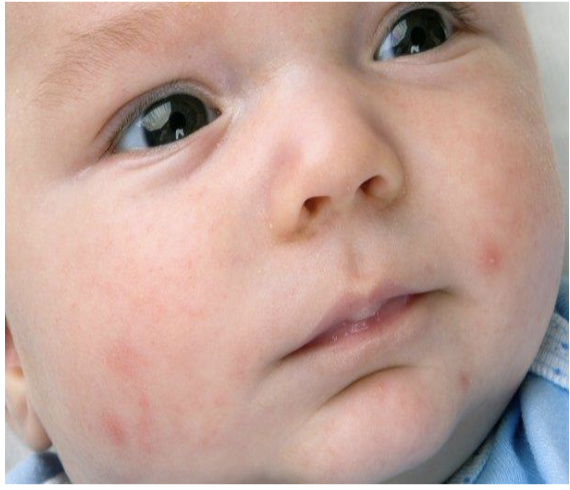
slapped cheek syndrome
viral infection particularly common in children and babies
typically causes bright red rash on both cheeks and fever
most babies won’t need treatment, as slapped cheek is usually a mild condition that passes in a few days

ring worn
common fungal infection
can appear anywhere on body, including scalp (tinea wapitis) and groin (jock itch)
rash, red, sliver or darker that surrounding skin, depending on skin tone
can be passes through close contact with:
infected person or animal
infected objects - bedsheets, combs, towels
infected soil - very rare
treated with non prescription creams such as azole group ( clotrimazole, ketoconazole etc)
can apply unto 4 weeks

baby acne (neonatal acne)
pimples sometime appear on baby’s sheeck, nose and forehead wishing month of birth
tends to get worse before clearing up completely after a few week for months
washing baby’s face with water and mild moisturizer can improve appearance of skin
avoid acne treatment
hand, foot and mouth
common viral illness
causes blistery rash on palms of hands and soles of feet, as wells as ulcers in mouth
baby may also feel unwell and have fever
treatment not usually needed as baby’s immune system clears virus and symptoms.= go away after 7-10 days
in unsure, refer to GP

impetigo
highly contagious
bacterial infection of the surface layers of skin that causes sores and blisters
usually around nose and moth but also can affect other areas of face and limbs
avoid close contact, sharing of clothes and bedding
not usually serious
prescription for antibiotics (oral or topical)
clearing in 7-10 days
usually heals without scarring
need antibiotics (staph/strep infection) therefore refer/prescribe antibiotics
school: stay away until lesions have dried
no long-term effect/complications
rare of serious complications

measles
rash usually spread to whole body
rash tends to join together
blanches on pressure
cold symptoms
viral infection
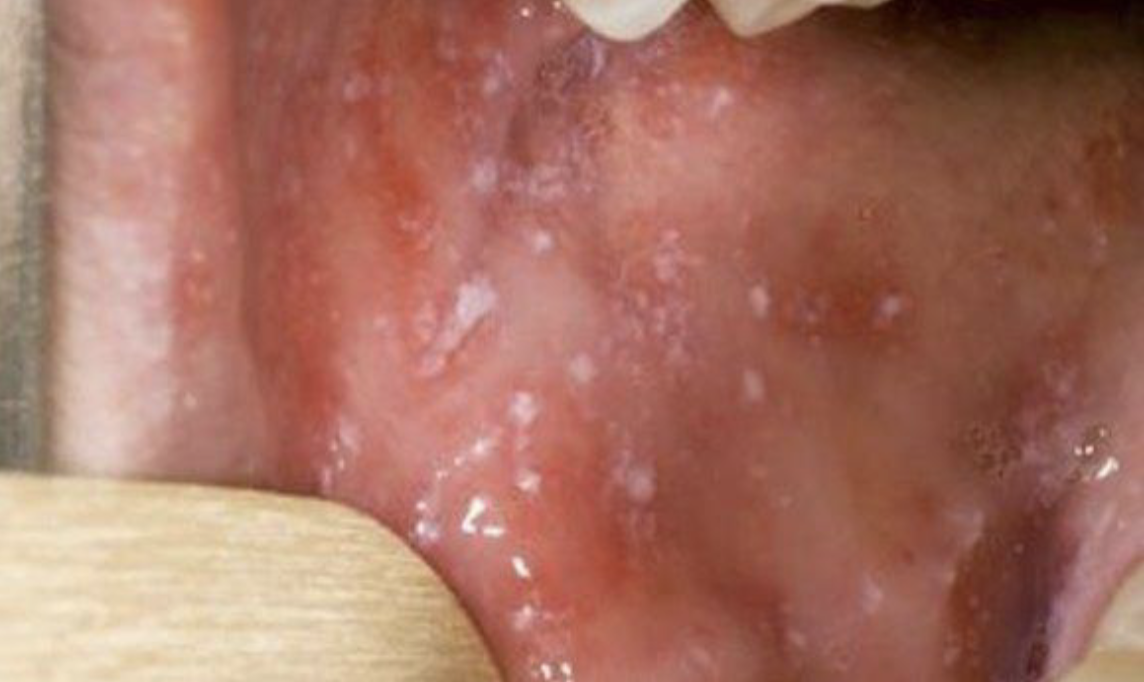
red spots with white (greyish white) centre on inside of cheek (KOPLIK’s spot)
pregnancy

KOPLIK’s
uniques to measles, temperature, cold/conjunctivitis
small white spots may appear inside the cheeks and on the back of the lips a few days later, these spots usually last a few days
scabies
common infections of the skin that can affect people of all ages
caused by tiny mites that burrow into skin
often spread between family members
babies develop tiny and very itchy spots all over the body, including on the soles of feet, armpit and genital area
treatment with creams that kill the scabies mite needs to be given to the whole familyy at the same time for it to be effective

headlice
wingless (2.5-3mm)
brown/grey in colour
feed on human blood
its saliva has anticoagulant properties
some are somewhat translucent and sometimes you can see the red colour of the aspirated blood
not due to poor hygiene
head-to-head contact is how it spreads
there’s nothing you can do to prevent
can help stop by wet or dry combing regularly to catch early
symptoms of infestation:
itchy
feel like something is moving in your hair
only way to be sure if someone has head lice is by finding live lice
can be done by fine combing
not active infection in only nits
nit → empty egg case
treatment:
start ASAP
starts treating everyone who has head lice on the same day
children can still go to school since in theory, if child doesn’t touch anyone, it won’t spread
lice and nits can be removed by wet combing. try this first
wet combing
wash hair with shampoo
apply lots of conditioner
comb whole head, roots to ends
10 min → short hair
20-30 → long, frizzy or curly
do wet combing days 1, 5, 9 and 13 to catch any newly hatched head lice. check that everyones hair is lice free on day 17
if it doesn’t work use shampoo like herding (dimethicone)
avoid permethrin, heal lice “repellent”, electric come, tree and plant oil treatment
if no active infestation (only nits present) then no need to use shampoo, just wet combing will too
use antihistamine for the itch
worms in humans
thread worm (pin worm)
tape worm
round worm
hook worm
most worm infection not very serious and can be treated with medicine
thread worm most common in UK
small white worms in poo that look like thread
extreme itching around anus, particularly at night
worms - modes of infections
touching objects ir surfaces with worms eggs on them - someone either worms doesn’t wash hands
touching soil or swallowing water or food with worm eggs in it
walking barefoot on soil containing worms
eating raw or uncooked beef, pork or freshwater fish (salmon, trout) containing baby worms
can cats from pets but rare
worms - when to refer/see GP
large worm or large piece of worm in poo
red, itchy worm-shaped rash on your skin
sickness, diarrhoea or a stomach ache for longer than 2 weeks
unexplained weight loss
treatment:
all worm infections treated the same
anthelmintics such as mebendazole
dose/duration different on type of infestation
when should child return to school?
