Physics - Electricity
 Call Kai
 Learn
 Practice Test
 Spaced Repetition
 Match
 Flashcards
 Knowt Play
1/41

There's no tags or description
Looks like no tags are added yet.
42 Terms
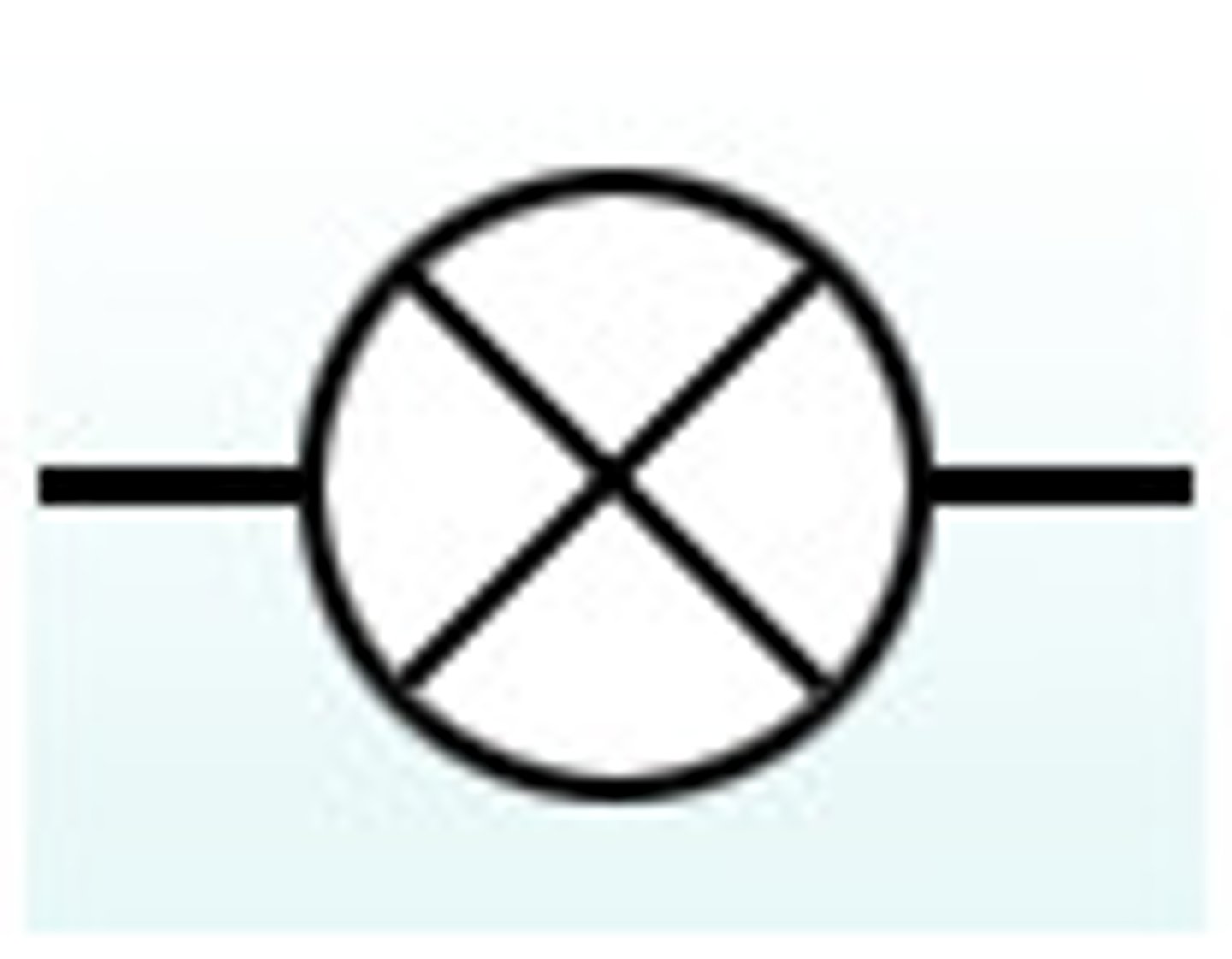
Bulb symbol
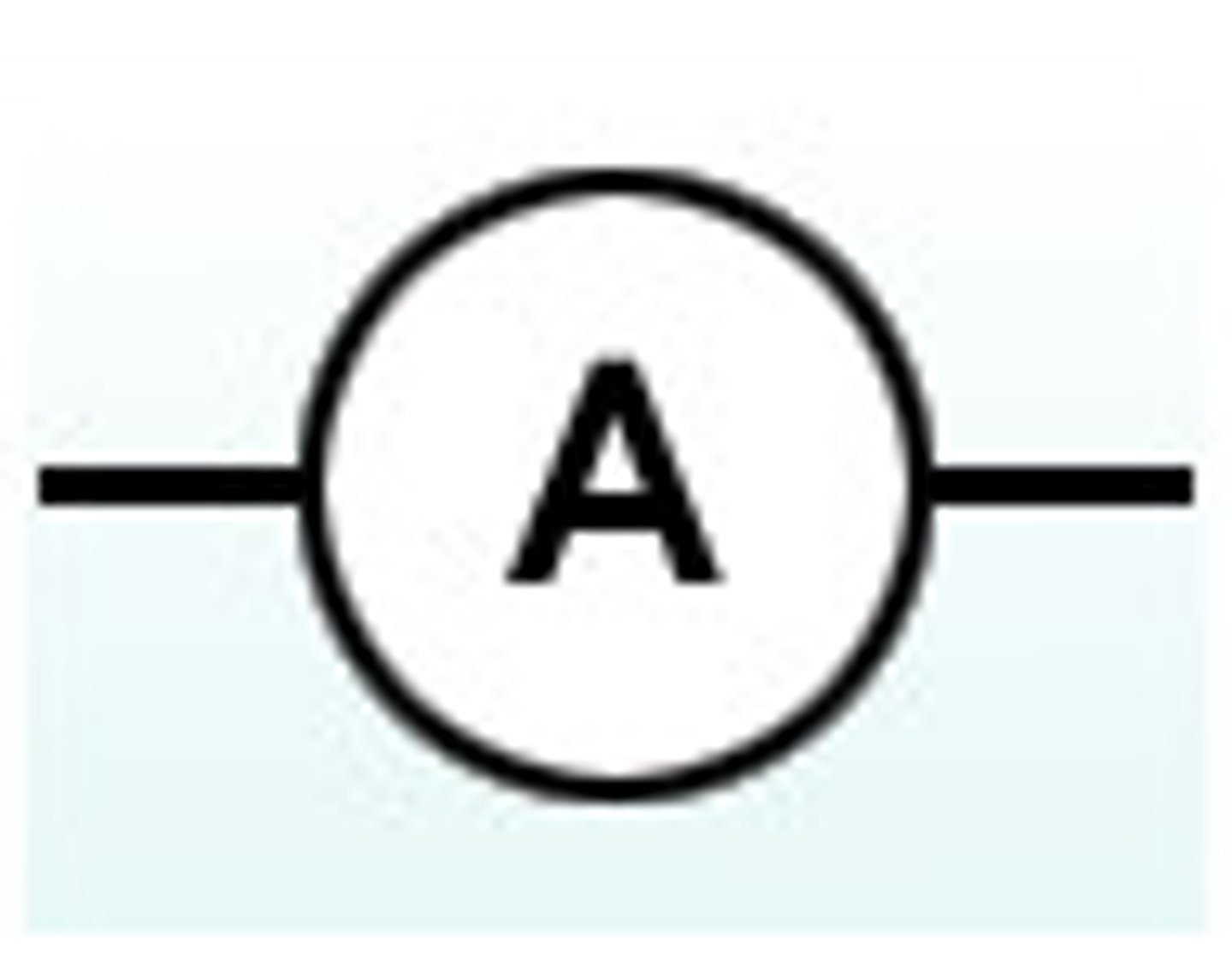
Ammeter symbol
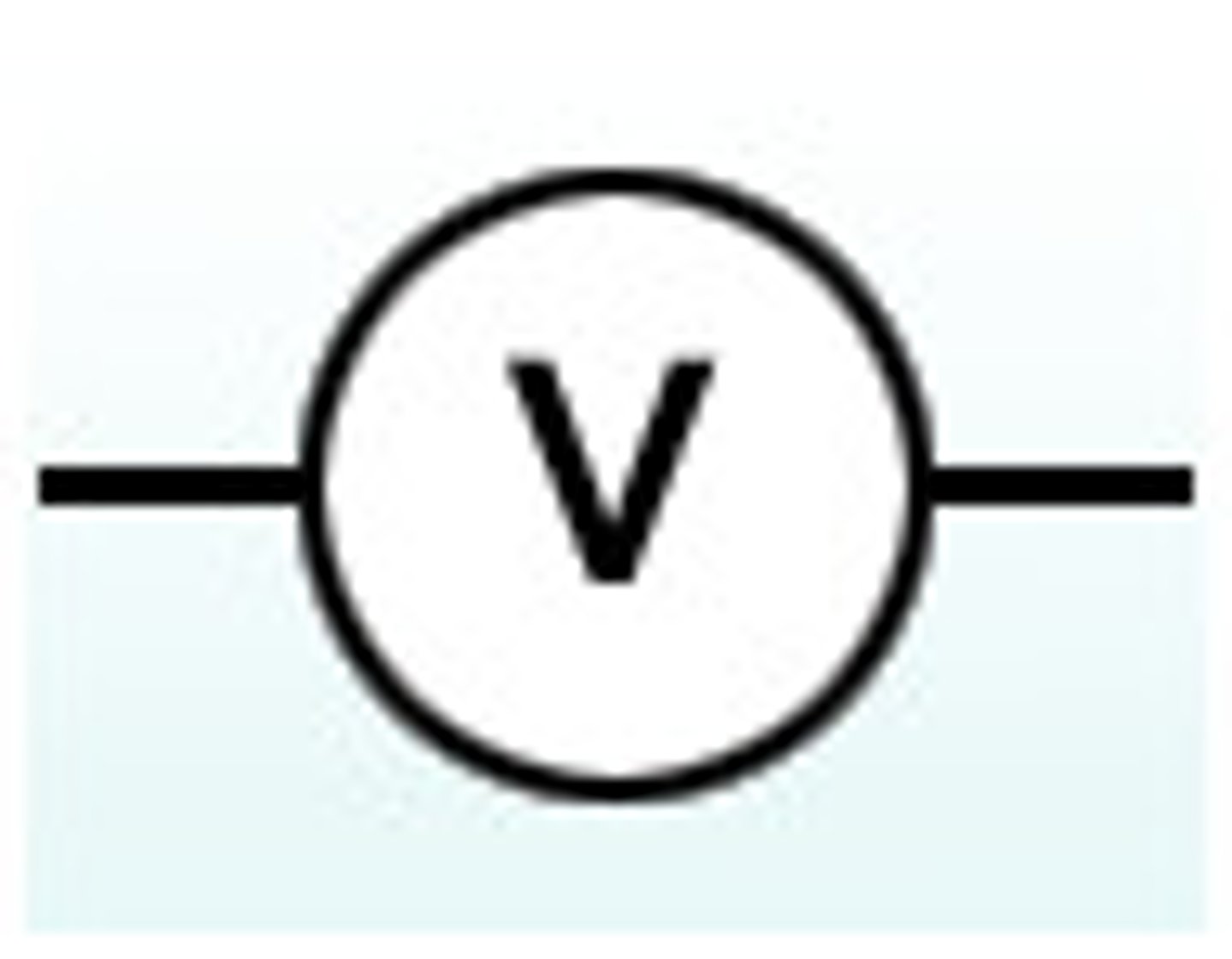
Voltmeter symbol
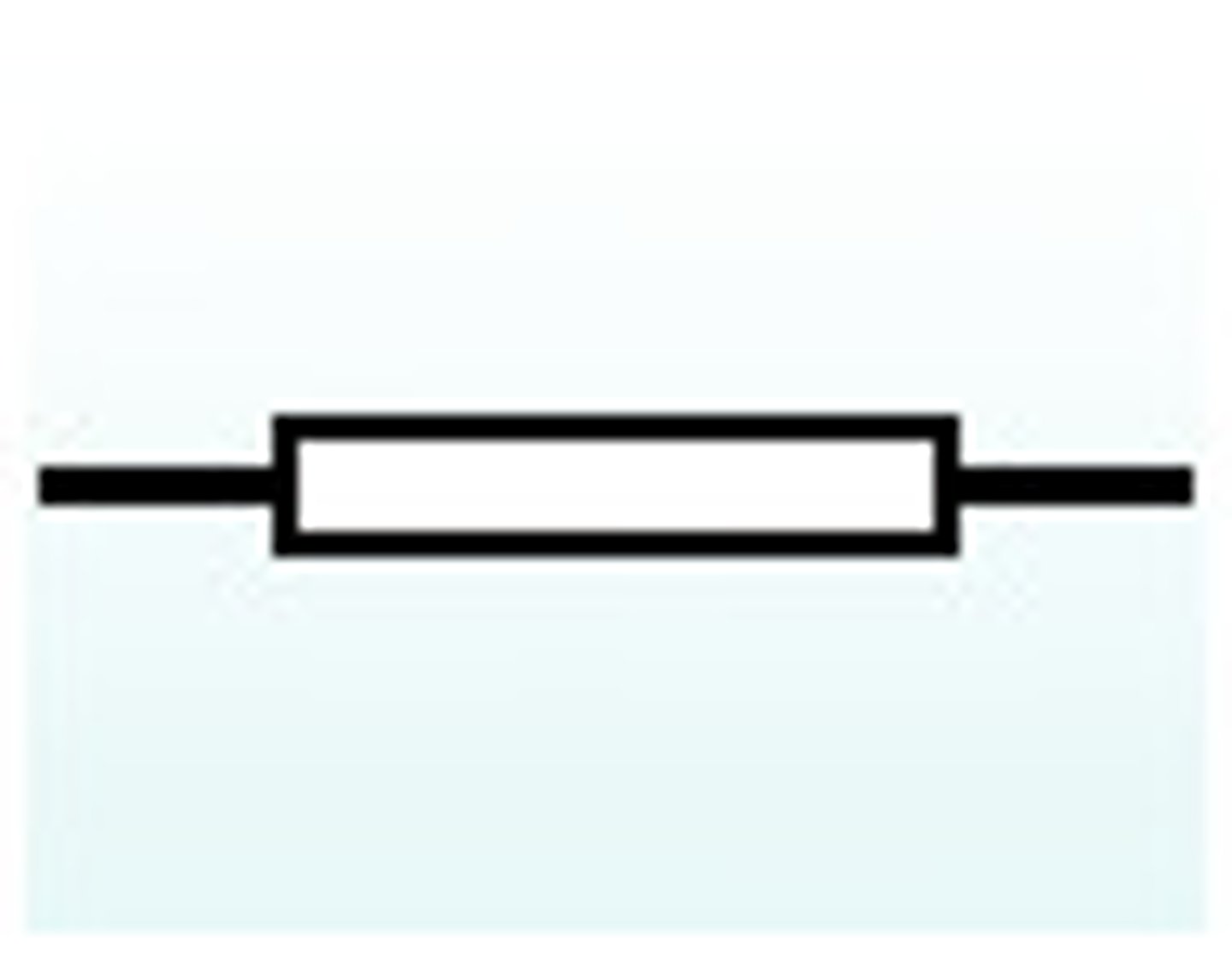
Resistor symbol
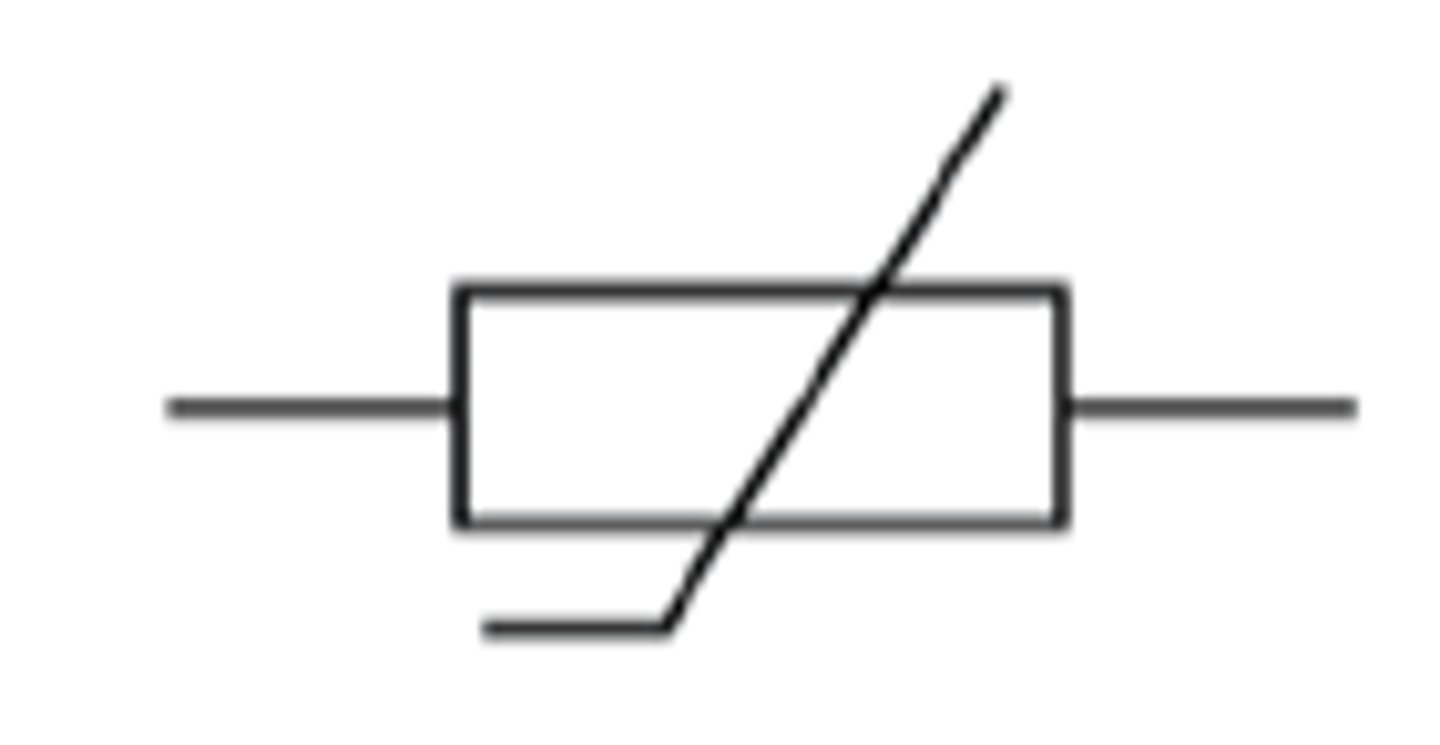
Thermistor symbol
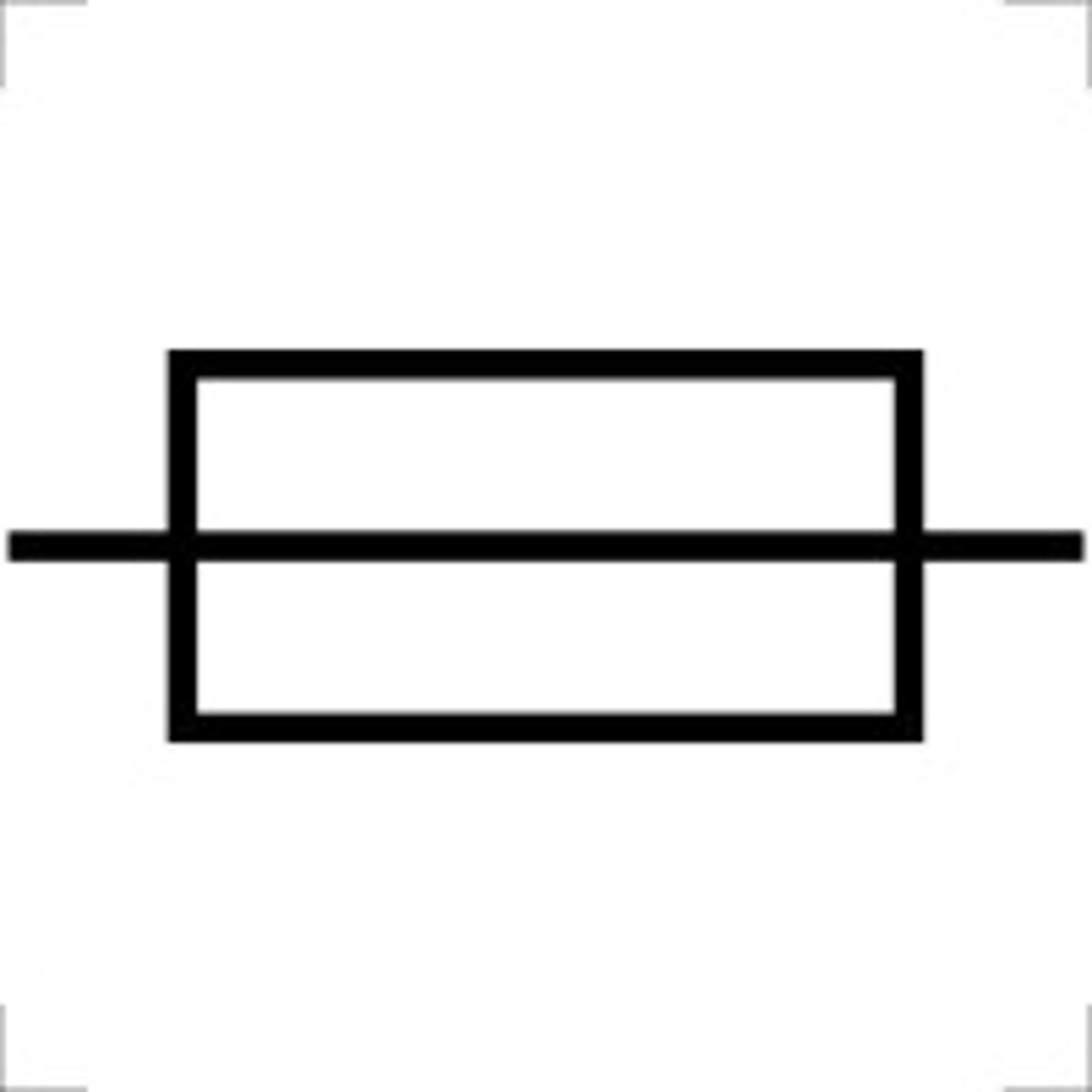
Fuse symbol
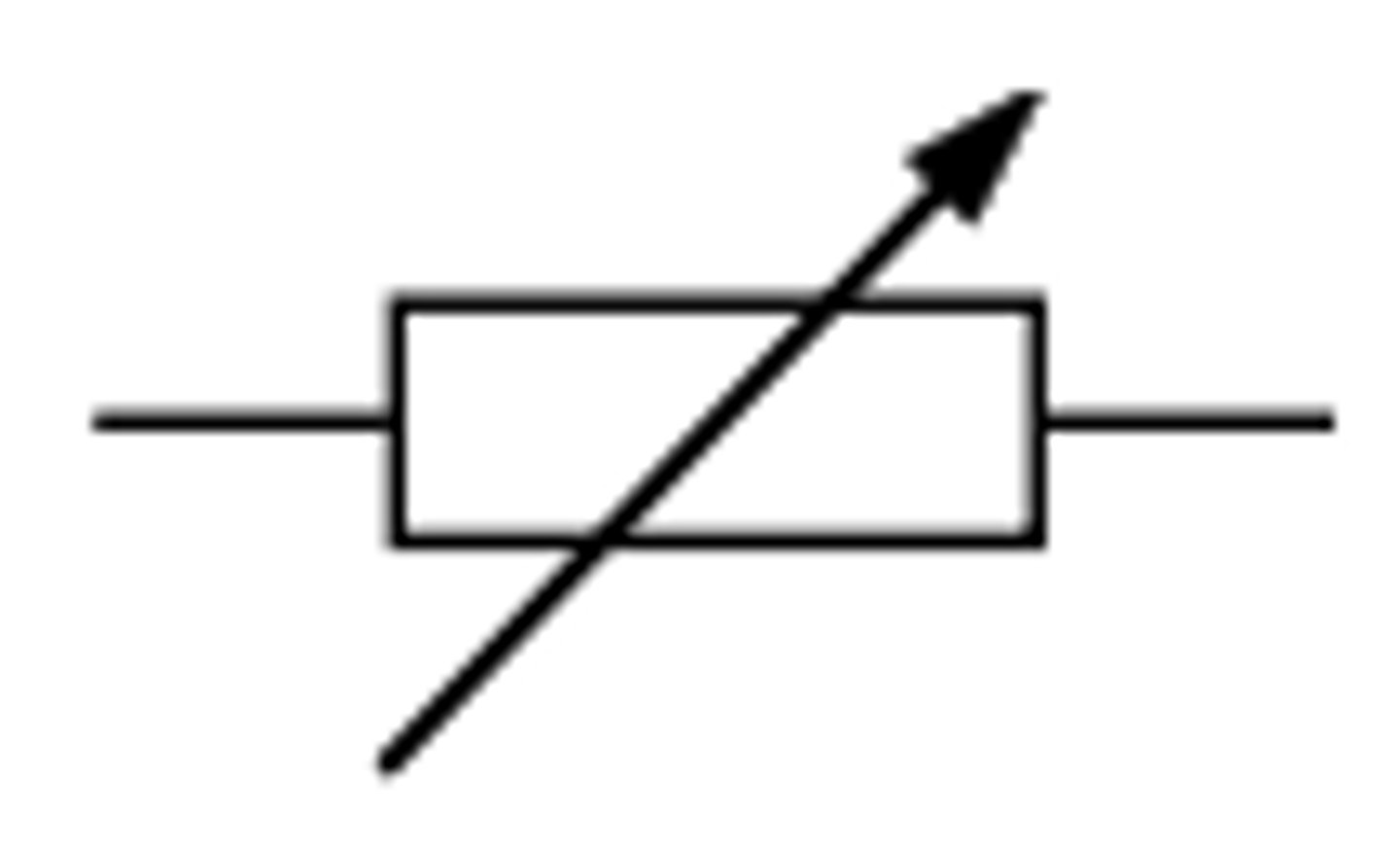
variable resistor symbol
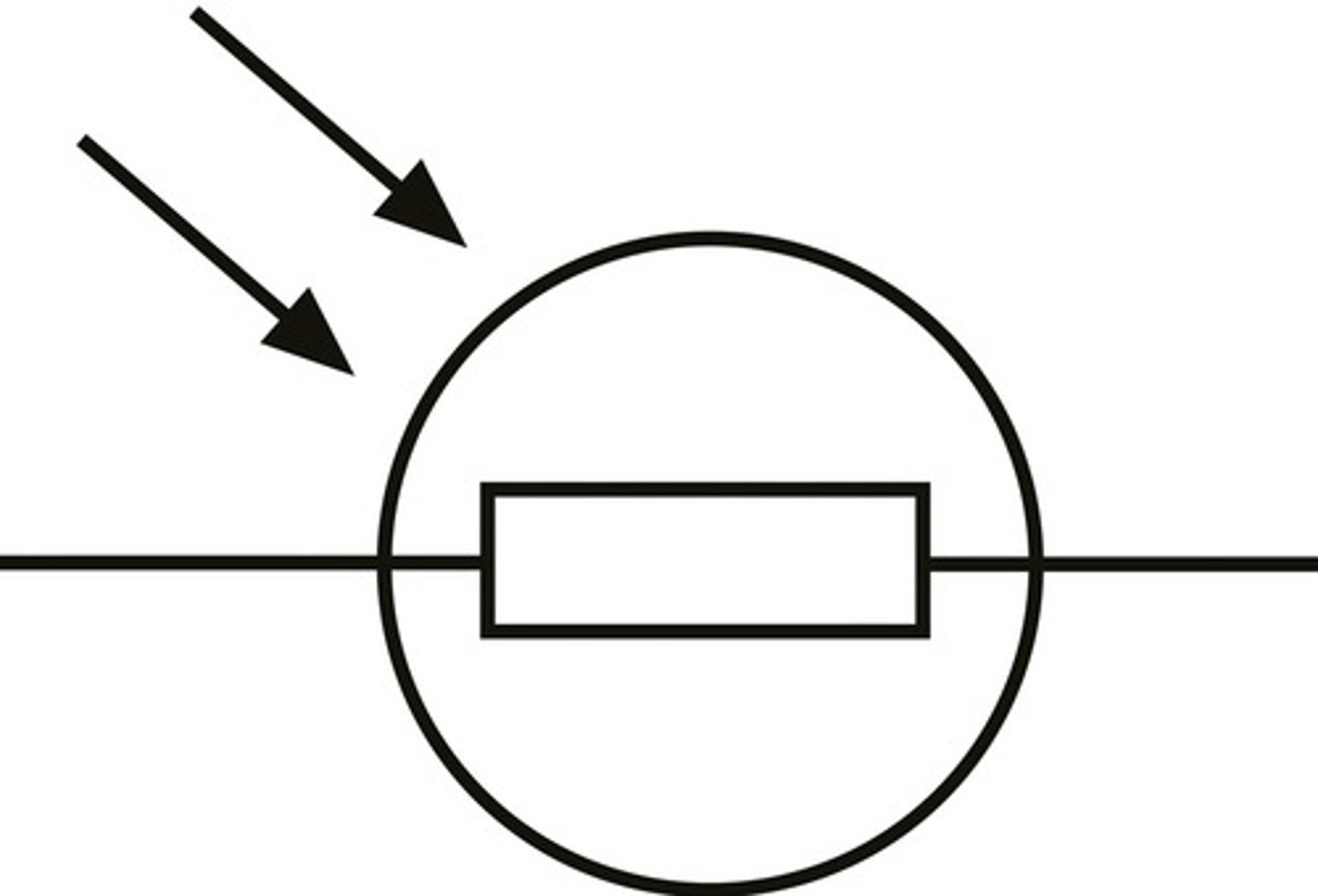
LDR symbol
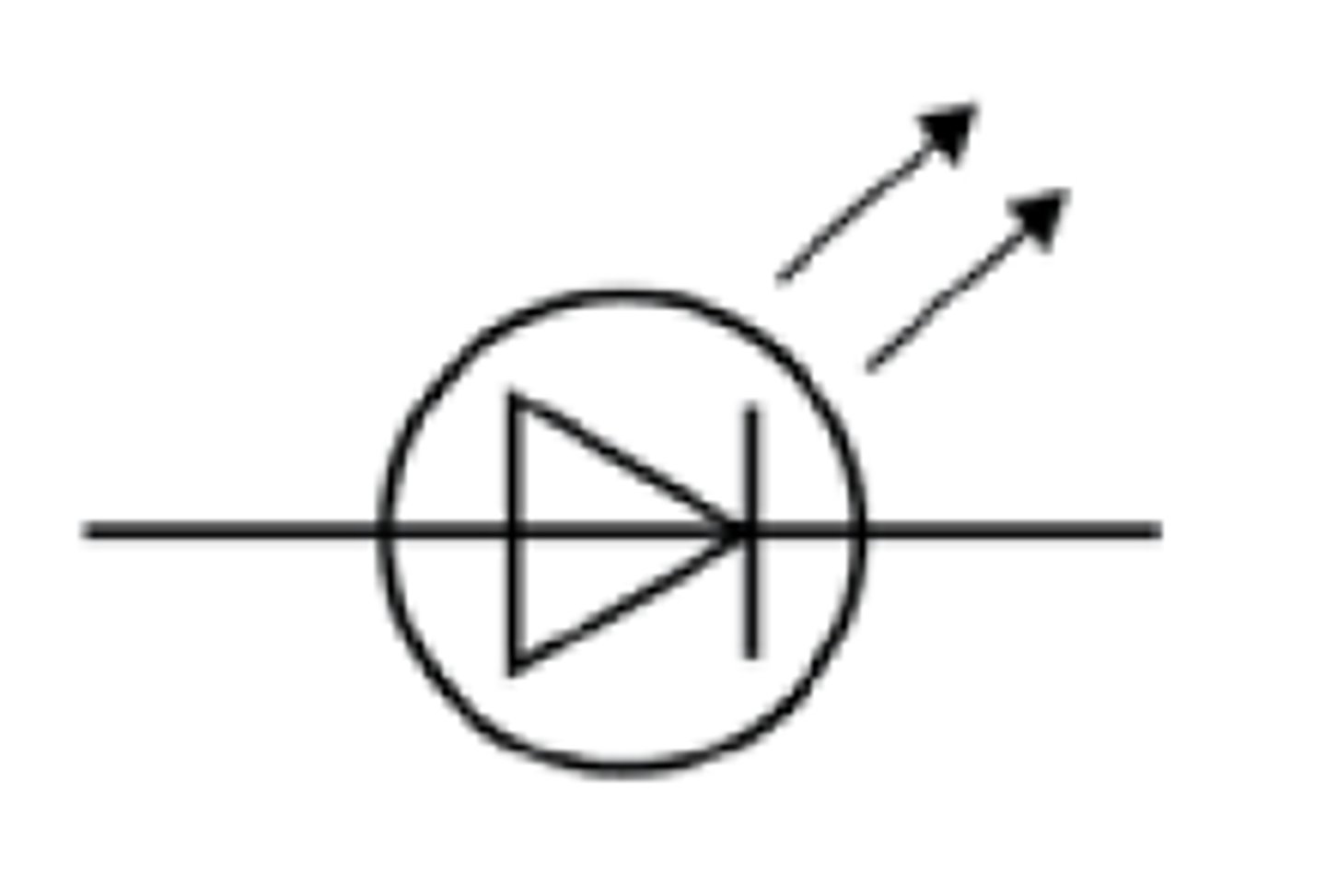
LED symbol
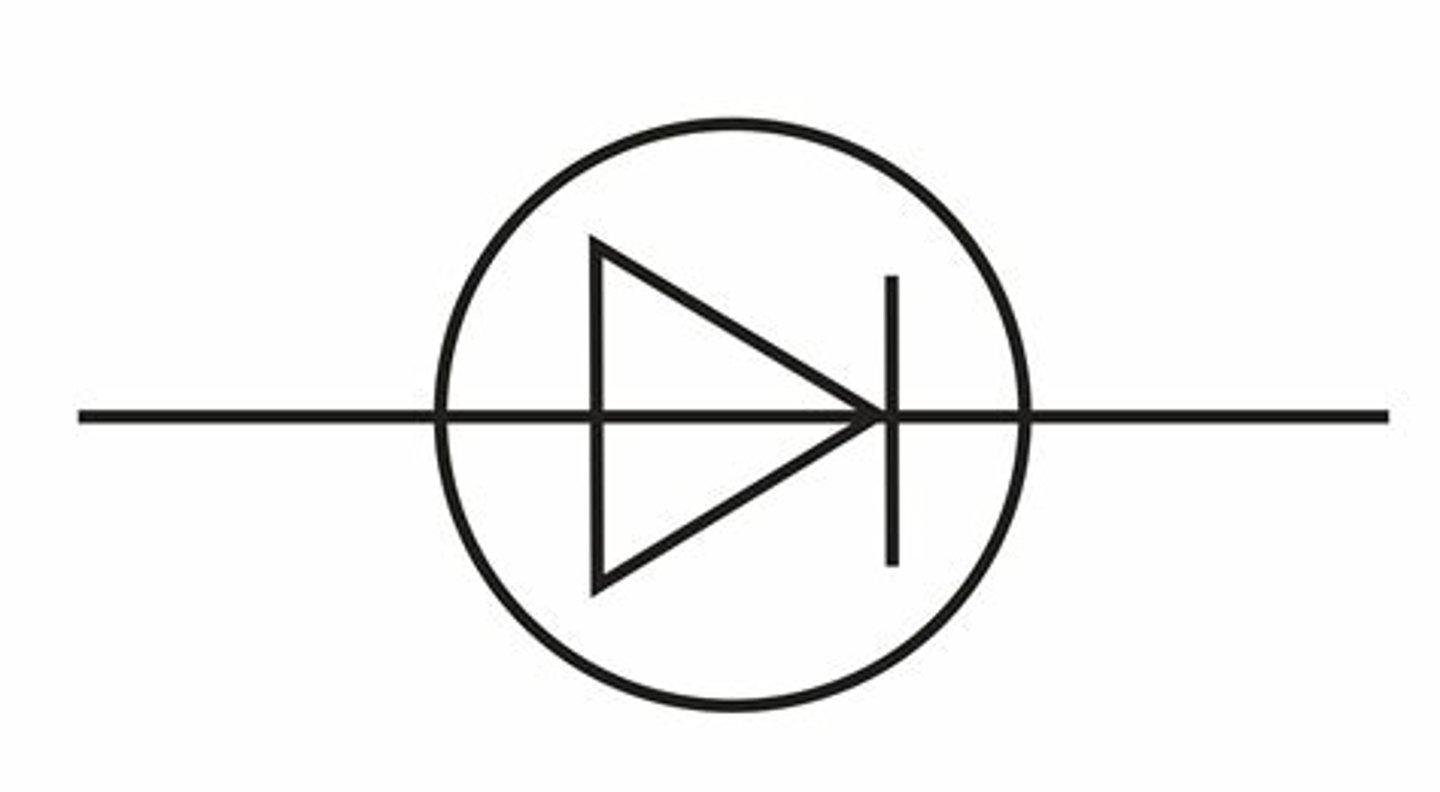
Diode symbol
What is electric current?
The flow of electrical charge - the greater the rate of flow, the higher the current.
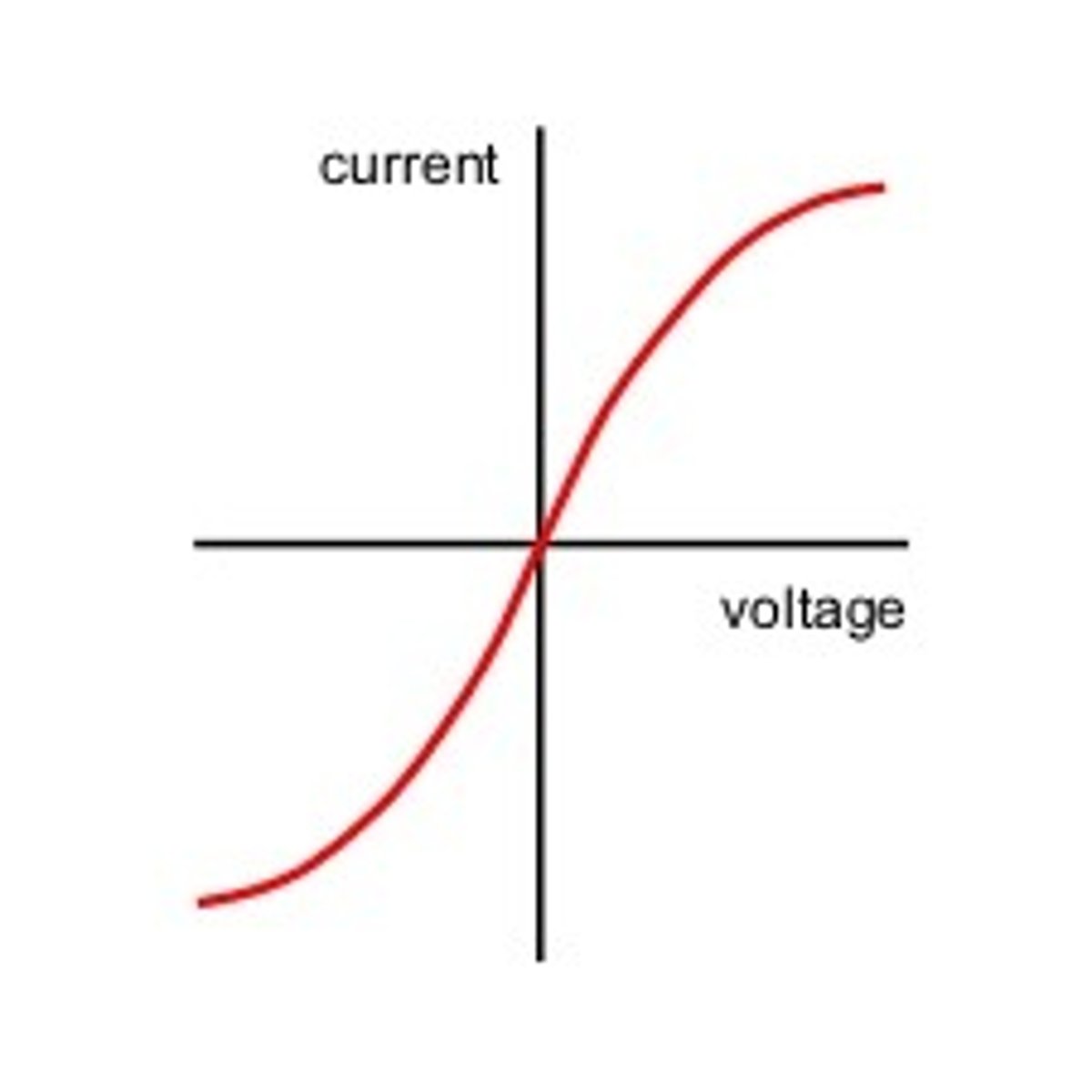
filament lamp graph
The resistance of a filament lamp increases as the temperature of the filament increases.
What direction does current flow through a diode?
In one direction only.
What is the resistance of a diode in the reverse direction?
Very high resistance.
What is the relationship between current and potential difference in an ohmic conductor at constant temperature?
The current is directly proportional to the potential difference.
What happens to resistance in an ohmic conductor as current changes at constant temperature?
The resistance remains constant.
The resistance of a thermistor decreases as...
temperature increases
The resistance of an LDR decreases as...
light intensity increases
For components connected in series:
• there is the same current through each component
• the total potential difference of the power supply is shared between the components.
• the total resistance of two components is the sum of the resistance of each component.
For components connected in parallel:
• the potential difference across each component is the same
• the total current through the whole circuit is the sum of the currents through the separate components
the total resistance of two resistors is less than the resistance of the smallest individual resistor.
describe the difference between series and parallel circuits
- In series, voltage is shared; in parallel, each branch receives the full voltage.
- Total resistance is higher in series (sum of resistances) and lower in parallel
- If one component fails in a series circuit, the entire circuit fails. In a parallel circuit, others continue to operate.
Current in a Series Circuit
The rate of electron flow remains constant at every point throughout the entire loop.
Current in a Parallel Circuit
The total flow is divided among the different branches, with the sum of the branch currents equaling the total current from the source.
Voltage in a Series Circuit
The total potential difference is split among the components, with the sum of individual drops equaling the source voltage.
Voltage in a Parallel Circuit
The potential difference across each branch is identical and equal to the source voltage.
Effect of Component Failure in Series
If one device breaks or is disconnected, the entire path is interrupted, causing all other devices to stop functioning.
Effect of Component Failure in Parallel
If one device breaks or is disconnected, the other branches remain unaffected and continue to operate.
Equivalent Resistance in Series
Calculated by finding the sum of all individual resistances in the loop.
Equivalent Resistance in Parallel
Calculated by taking the reciprocal of the sum of the reciprocals of each individual resistance, resulting in a value lower than the smallest individual resistor.
explain the design and use of dc series circuits for measurement and testing purposes
- The current is identical at every point in the circuit
- Single Path: Components are connected end-to-end, so the current has only one path to flow
- Voltage Division: The total voltage supplied is distributed across components; components with higher resistance receive a larger share of the voltage.
Direct Potential Difference
An electrical voltage that maintains a constant polarity and magnitude over time, causing current to flow in only one direction.
What is an Alternating Potential Difference?
An electrical voltage that periodically reverses its polarity.
How does an Alternating Potential Difference affect current in a circuit?
It causes current to flow back and forth in a circuit.
What happens to the magnitude of an Alternating Potential Difference over time?
It changes magnitude over time.
live wire
Brown wire that carries the alternating current from the supply in a mains power supply.
Earth wire
Green and yellow wire that is a safety wire to stop the appliance becoming live.
Neutral wire
Blue wire that completes the circuit.
National Grid
the network of cables and transformers used to transfer electricity from power stations to consumers (i.e., homes, shops, offices, factories etc.)
step-up transformer
increases voltage and decreases current
step-down transformer
decreases voltage and increases current
Static Charge
an unbalanced negative or positive electric charge on an object
electric field pattern for an isolated charged sphere