AH II: Exam II (ACS, AMI, HF, CMP, Infections)
 Call Kai
 Learn
Learn Practice Test
 Spaced Repetition
 Match
Match Flashcards
 Knowt Play
1/22

There's no tags or description
Looks like no tags are added yet.
Name | Mastery | Learn | Test | Matching | Spaced | Call with Kai | Chat |
|---|
No analytics yet
Send a link to your students to track their progress
23 Terms
Cardiac Output (CO)
Bloodflow thru heart/min
HR x SV = 4-8 LPM
Cardiac Index
CO relative to body SA
Normal: 2.5-4 L/min/m²
*better indicator of cardiac function than CO
Preload (L)
stretch placed on ❤ muscle fibers (preexisting circulating volume)
Afterload (SVR)
Resistance against which the heart muscle must pump
Ejection Fraction
blood pumped per contraction / available blood
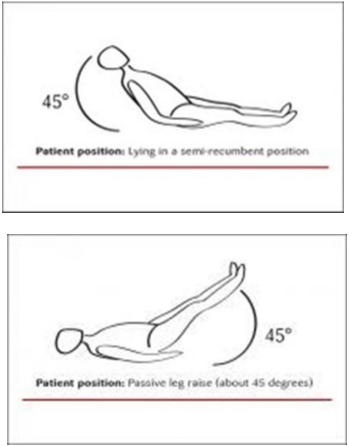
NICOM
pt raise head/legs 45° →
if ↑ SV → tx w/ fluids
if SV (—) → tx w/ vasopressors
ARTERIOsclerosis
normal age-related BV thickening/hardening
ATHEROsclerosis
Plaque formation @ arterial wall
atheroma @ media intima → inflammation
Lesion becomes fibrous/calcified → occlusion
a. severity factors: site & % (S/S appear @ 75-80% occlusion)
*usually @ coronary, renal & femoral arteries → #1 CVD risk
CAD Risk Factors
NON-MODIFIABLE:
Age
Male/post-menopausal (r/t estrogen)
Heredity
POC → later dx
MODIFIABLE:
Hyperlipidemia
HTN
T2DM
Metabolic syndrome, obesity, holiday heart syndrome
smoking
stress
exercise
Chest pain pipeline
EKG
determine if STEMI or non-STEMI
LABS/PIV
CBC (ax anemia, inflammation, etc)
BMP (ax electrolytes for ❤ fxn, renal fxn to determine meds)
CPK, BNP, troponin (presence indicates damaged cells leaked into circulation)
Coags
Angina Pectoris
No EKG evidence of AMI
stable vs unstable
Stable Angina
known cause → temporary Δ in ❤ bloodflow
TX:
Rest
Nitroglycerine (NTG)
Vasodilator → ↓ BP
Exercise
Acute Coronary Syndrome (ACS)/Unstable Angina: MoA
≥ 40% occlusion → angina pectoris becomes UNSTABLE → STEMI
Acute Coronary Syndrome (ACS)/Unstable Angina: S/S
S/S
↑ pain, frequency
↓ provocation
unrelieved by rest/nitro, > 5 mins
Acute Coronary Syndrome (ACS)/Unstable Angina: Diagnostics
DX
Stress test: exercise (treadmill) vs chemical (Dobutamine, Adenosine, Thallium)
Cardiac Computed Tomography Angiography (CCTA): visualize BV’s w/ scan & no ischemia
Pre-procedure β-blockers (PO/IV metoprolol) → HR 60
Nitro paste/spray
Acute Coronary Syndrome (ACS)/Unstable Angina: Treatment
TX
Acute (MONA)
M: Morphine (↓ catecholamines, pain, anxiety)
O: Oxygen (if < 95%, increase PRN)
N: Nitroglycerin (vasodilation)
A: Aspirin (antiplatelet)
Ongoing (anti-lipemics)
HMG-CoA “—statins”: ↓ cholesterol synthesis @ liver
Ezetimibe (Zetia): ↓ cholesterol absorption @ small intestine
Nicotinic acid (Niacin): ↓ triglyceride synthesis → ↑ LDL synthesis
BP control
daily aspirin (ASA)
Acute Myocardial Infarction (AMI)/ STEMI/ Heart attack: MoA
Atherosclerosis/vasospasm/trauma/ARDS → occlusion → ischemia → myocardial necrosis (infarction)
TYPES: inferior wall, R ventricular, Anterior & Septal, Lateral wall, Posterior wall

Acute Myocardial Infarction (AMI)/ STEMI/ Heart attack: S/S
S/S
MEN
sudden, severe substernal chest pain w/ radiation to jaw, shoulder, neck, arm not relieved by rest/nitro
pain anxiety → HF → SOB/dyspnea
Catecholamine release → Tachycardia + diaphoresis, HTN
↓ perfusion + coronary irritability → Dysrhythmias
WOMEN
Silent ischemia: dizziness, SOB, fatigue
No radiation
GI S/S: epigastric/back pain, nausea
Acute Myocardial Infarction (AMI)/ STEMI/ Heart attack: Diagnostics
DX
EKG
Zone of Ischemia (viable cells): T-wave inversion
Zone of Injury (potentially viable): STEMI alert
Zone of Infarction (non-viable): Q waves
Labs
↑ troponin, CK-MB, C-reactive protein
anemia
Acute Myocardial Infarction (AMI)/ STEMI/ Heart attack: Pharm Treatment
TX
ACUTE
MONA
M: Morphine Sulfate (vasodilation, ↓ cardiac workload & anxiety)
O: Oxygen (2-4 LMP nasal cannula)
N: Nitroglycerin SL (vasodilation, ↓ cardiac workload & anxiety)
GLOVES, mx HYPOtension, aka Isordil/Imdur
A: ASA (antiplatelet)
β-blockers (“—olol”) → ↓ HR & cardiac workload (mx HF)
Emergent & long-term tx
Ca-Channel blockers: vasospasm tx & vasodilation
2B3As (Integrilin, Aggrastat): px NEW clots
Anticoagulants (Lovenox, Heparin, Atrixtra): px NEW clots
Thrombolytics (Alteplase): destroy all EXISTING clots
Ix: last option
LONG-TERM
Antiplatelets: Plavix (clopidogrel), Brilinta (ticagrelor)
ACE inhibitors: ↓ PVR → ↓ cardiac workload → px HF
Colace: px vasovagal response
Antilipemics
Acute Myocardial Infarction (AMI)/ STEMI/ Heart attack: Non-Pharm Treatment
Cardiac Cath (femoral/radial)
Left: heart pressures, visualize coronary arteries and L heart, EF
Right: heart pressures, visualize R heart, CO
Percutaneous Coronary Intervention (PCI): dilate BV w/ inflated balloon
Atherectomy: rotating blade cleans artery
Stent: wire mesh keeps artery open
Acute Myocardial Infarction (AMI)/ STEMI/ Heart attack: Nursing considerations
Positioning
Supine w/ leg extended for 4-6 hrs
No heavy lifting for 1 week
Assessment (Q15 × 4, Q30 × 4, Q1H x 4)
VS, peripheral pulses
Site check (infection, bleeding, pain, drainage, dressing, etc.)
Hydration
protect kidneys from dye from catheterization
HF Staging (ACC/AHA, NYHA)
CLASS A/1:
ID pts @ risk
DM, CAD, HTN
Education & lifestyle changes
CLASS B/2:
Structural changes/no symptoms
History of MI
Valve regurgitation
Left ventricular hypertrophy documented by EKG or Echo
Treatment
Diuretic, BB, ACE, CCB
CLASS C/3:
Symptomatic w/ ordinary physical activity
CHF tx: ↑ meds, add digoxin
CLASS D/4:
End-Stage Heart Disease
symptoms @ rest & any physical activity
tx: transplant eval, end-of-life care