archi history 2.1
 Call Kai
 Learn
Learn Practice Test
 Spaced Repetition
 Match
Match Flashcards
 Knowt Play
1/19

Earn XP
Name | Mastery | Learn | Test | Matching | Spaced | Call with Kai | Chat |
|---|
No analytics yet
Send a link to your students to track their progress
20 Terms
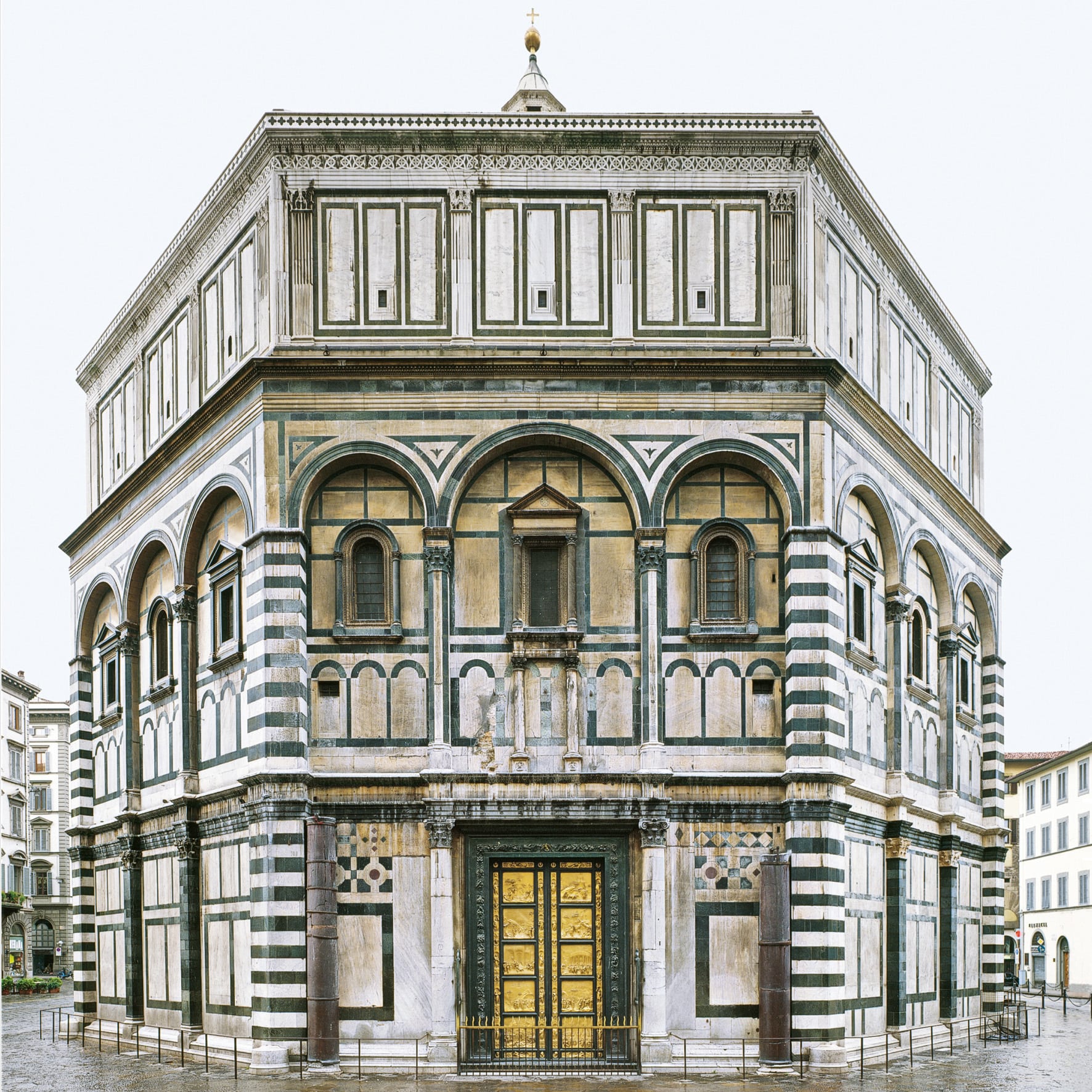
what, where, whats important, tell me abt the shiny doors
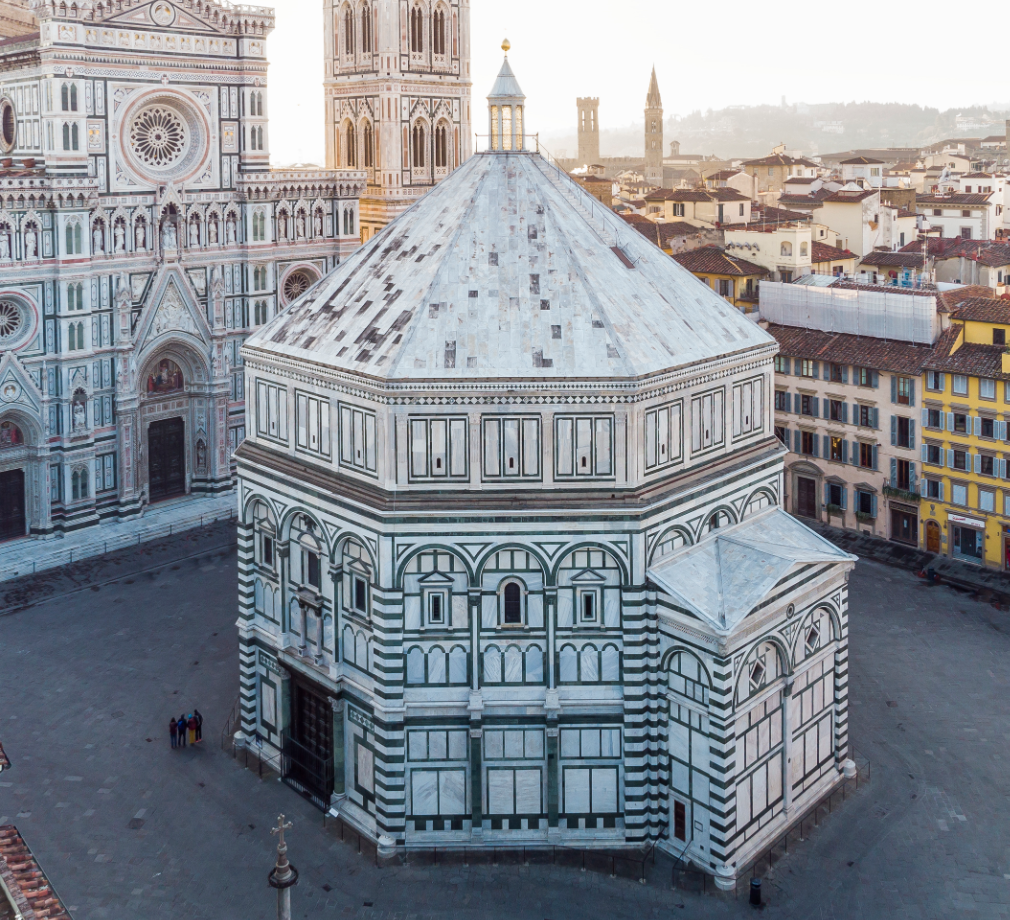
baptistery of florence, romanesque building
next to the florence cathedral (brunelleschi’s dome)
the bronze doors by ghiberti: the 1401 competition he won for the north doors started the renaissance / the later east doors (1425 - 1452) are the gates of paradise
renaissance: yrs, how it started, where
1400s - 1600s
when ghiberti won the 1401 competition for the north doors of the baptistery in florence
started in florence
whats the connection between classical and renaissance, what is each thing one
classical - greek and roman architecture and art
renaissance - inspired by classical, uses the same elements in different ways, stricter grids and such
renaissance characteristics
symmetry, proportion, geometry, regularity of parts
regular grid, pilasters, lesenes, lintels, semicircular arches, domes
arranging the parts of classical architecture in a particular grid
regularity of parts
the buildings should follow a strict even grid
the rules that renaissance followed (the book); what came from them following it
vitruvius' de architectura // ten books on architecture
that’s why there are so many beautiful buildings being built in this period, because they all had to follow certain rules (vitruvius’)
e.g. corinthian columns’ width-to-height ratio had to always be about 1:9
so architects could only build with specific regulated elements → protecting from the chaos we see in modern architecture
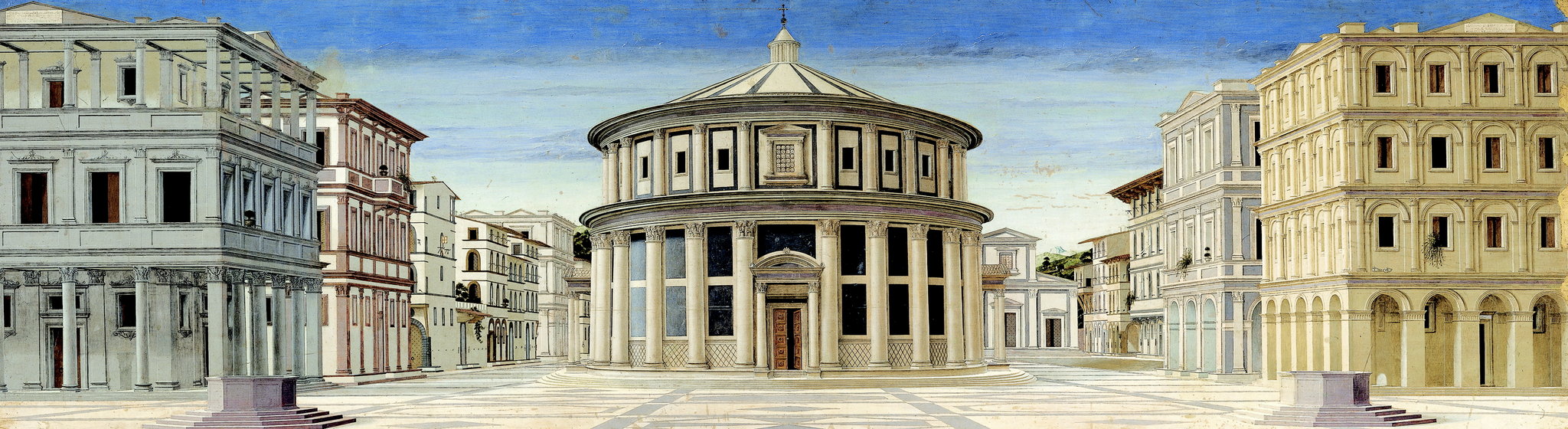
the ideal city (painting)
here the regularity of parts required in renaissance buildings is perfectly shown
while the gothic period had a lot of technological advancements (flying buttresses, rib vaults etc), what made the renaissance different
the renaissance was more of a stylistic breakthrough, inspired by the classical period, specifically roman ruins
first and most important architect of the renaissance
filippo brunelleschi
1377 - 1446
extra info: he used to be a goldsmith before his proposal for the florence cathedral, not an architect
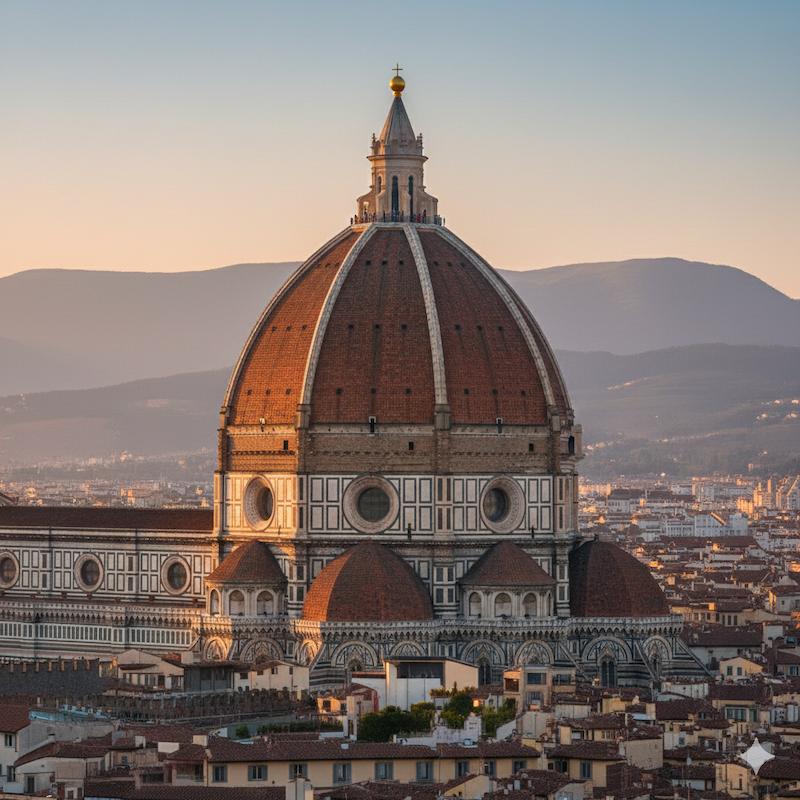
what, when
the dome of the florence cathedral
1436
scaffolding
скеле
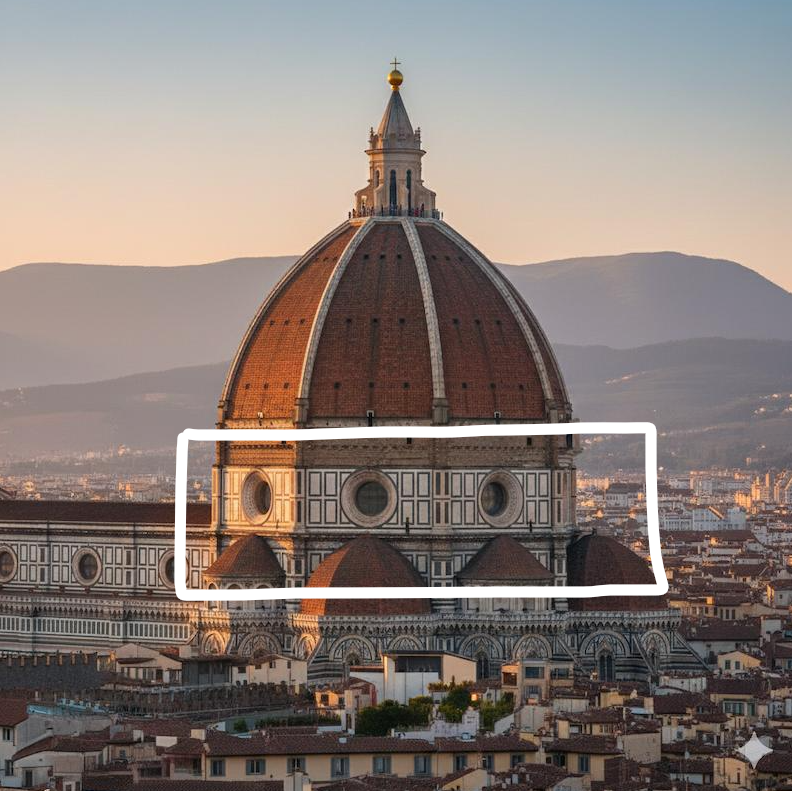
drum, the cathedral was completed to the drum before the dome was added
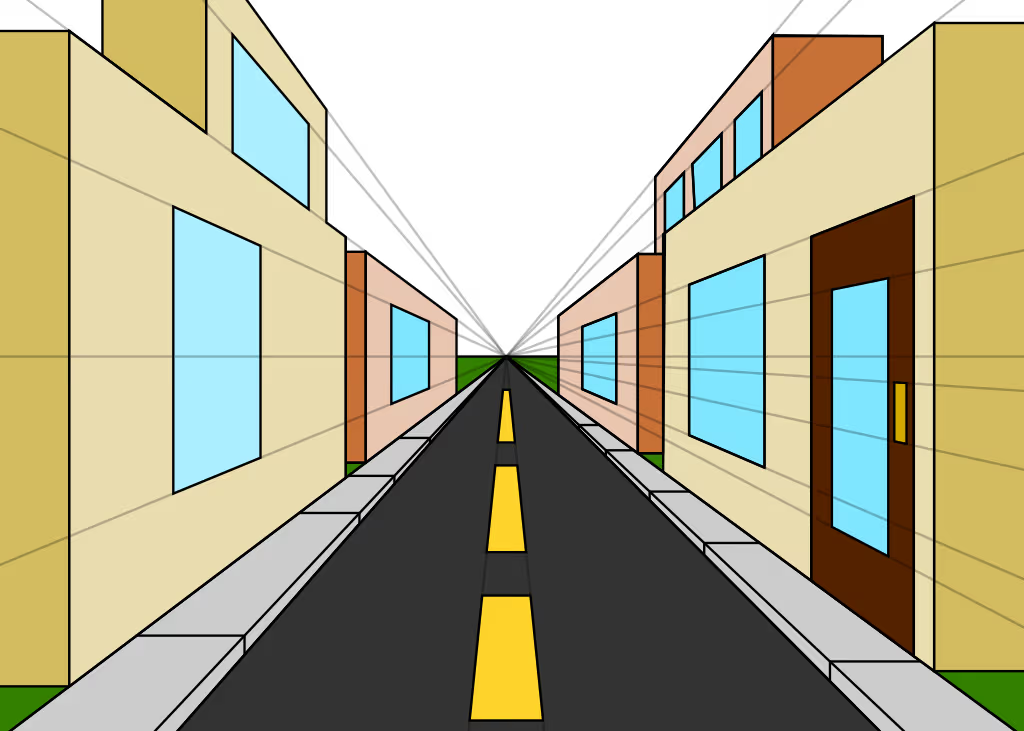
who invented linear perspective
filippo brunelleschi
what’s the biggest defining characteristic of renaissance art
the use of perspective
the egg story around the dome and filippo brunelleschi
brunelleschi won the commission for the dome by challenging rival architects to make an egg stand upright on a flat marble slab, and when they all failed, he simply cracked the bottom of the egg and set it upright, showing that his unique, seemingly impossible solution (like his dome design) would work if only he were allowed to demonstrate it rather than explain it beforehand
who was the original architect of the florence cathedral
arnolfo di cambio
who painted the dome and what did he write
giorgio vasari
wrote “the lives”, talking abt the lives of the most excellent painters, sculptors, and architects before his time
in 1550
what’s high renaissance
the peak of the renaissance (about 1490 - 1527), the closest to classical antiquity, easily confused with classical buildings, but still following the rules of the renaissance
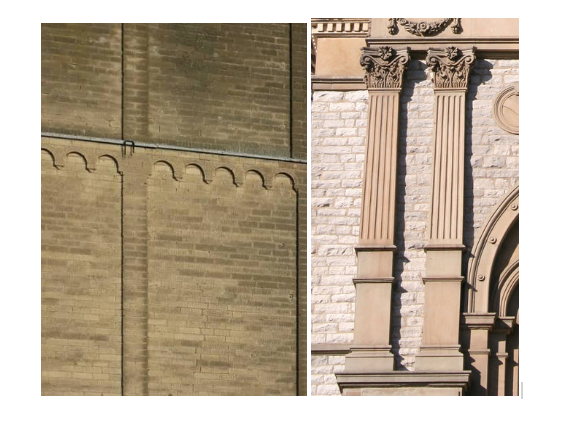
difference between lesene and a pilaster
lesene - no base and no capital
pilaster - a 2d column
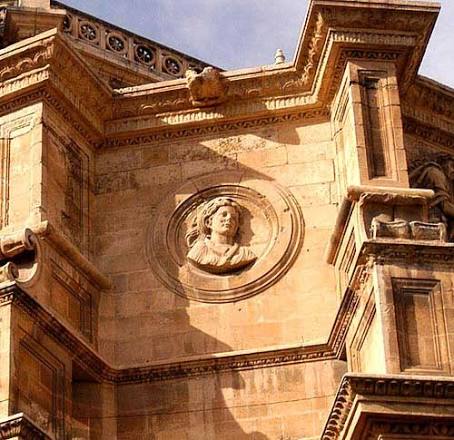
what’s this element called
roundel // medallion