Quezon Institute AND ESCOLTA BUILDINGS

0.0(0)
Studied by 0 people
call kaiCall Kai
learnLearn
examPractice Test
spaced repetitionSpaced Repetition
heart puzzleMatch
flashcardsFlashcards
GameKnowt Play
Card Sorting

1/10

encourage image

There's no tags or description

Looks like no tags are added yet.

Last updated 4:08 PM on 9/24/26
Name
Mastery
Learn
Test
Matching
Spaced
Call with Kai
Chat

No analytics yet

Send a link to your students to track their progress

11 Terms

1
New cards

Rizal Memorial Sports Complex

national sports complex of the Philippines, located on Pablo Ocampo St., (formerly Vito Cruz), Malate, Manila. Named after Jose Rizal
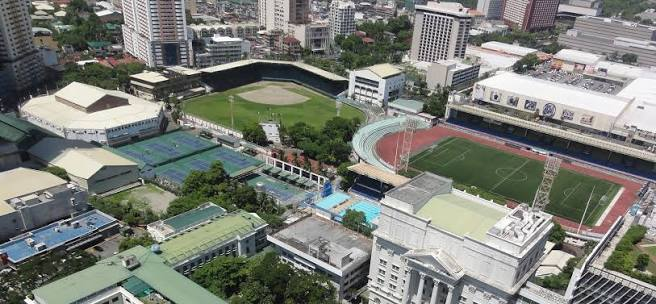
<p><span style="background-color: transparent;">national sports complex of the Philippines, located on Pablo Ocampo St., (formerly Vito Cruz), Malate, Manila. Named after Jose Rizal</span></p>
2
New cards

Don Ramon Santos Building

  • Housed the American Red Cross Hospital durig WWII and Prudential Bank in 1952.

  • Renovated in 1957, ground floor being occupied by Bank of the Philippine Islands (BPI)


<ul><li><p><span style="background-color: transparent;">Housed the American Red Cross Hospital durig WWII and Prudential Bank in 1952.</span></p></li><li><p><span style="background-color: transparent;">Renovated in 1957, ground floor being occupied by Bank of the Philippine Islands (BPI)</span></p></li></ul><p></p>
3
New cards

First United Building

  • Formerly called the Perez Samanillo Building, it was built in 1928 by Andres Luna de San Pedro, son of famous painter Juan Luna.

  • One of the few and outstanding surviving examples of Art Deco office architecture in the Philippines


<ul><li><p><span style="background-color: transparent;">Formerly called the Perez Samanillo Building, it was built in 1928 by Andres Luna de San Pedro, son of famous painter Juan Luna.</span></p></li><li><p><span style="background-color: transparent;">One of the few and outstanding surviving examples of Art Deco office architecture in the Philippines</span></p></li></ul><p></p>
4
New cards

El Hogar Filipino Building

  • A neo-classical and Renaissance building built as a wedding gift for the union of a Zobel daughter and a Peruvian count back in 1914.

  • Designed by Ramon Iureta-Goyena and Francisco Perez Munoz in the Beaux Arts Style


<ul><li><p><span style="background-color: transparent;">A neo-classical and Renaissance building built as a wedding gift for the union of a Zobel daughter and a Peruvian count back in 1914.</span></p></li><li><p><span style="background-color: transparent;">Designed by Ramon Iureta-Goyena and Francisco Perez Munoz in the Beaux Arts Style</span></p></li></ul><p></p>
5
New cards

Regina Building

Originally named Roxas Building and owned by the Roxas family, the original three-storey building was designed by Andres Luna de San Pedro and expanded to 4th floor by Fernado H. Ocampo when it was bought by the De Leon family.

<p><span style="background-color: transparent;">Originally named Roxas Building and owned by the Roxas family, the original three-storey building was designed by Andres Luna de San Pedro and expanded to 4th floor by Fernado H. Ocampo when it was bought by the De Leon family.</span></p>
6
New cards

Natividad Building

  • Also called the TEOFF Center

  • Built in the early 1920s by Philippine-born Spanish architect Fernando dela Cantera Blondeau, it is an outstanding example of Beaux Arts architecture in the country.


<ul><li><p><span style="background-color: transparent;">Also called the TEOFF Center</span></p></li><li><p><span style="background-color: transparent;">Built in the early 1920s by Philippine-born Spanish architect Fernando dela Cantera Blondeau, it is an outstanding example of Beaux Arts architecture in the country.</span></p></li></ul><p></p>
7
New cards

Burke Building

Named after cardiologist and philanthropist William J. Burke, who introduced and installed the first electrocardiograph in the country.

<p><span style="background-color: transparent;">Named after cardiologist and philanthropist William J. Burke, who introduced and installed the first electrocardiograph in the country.</span></p>
8
New cards

Calvo Building

  • Owned by the Calvo-Montera family.

  • Birthplace of DZBB (now GMA Network) and houses the Escolta Museum


<ul><li><p><span style="background-color: transparent;">Owned by the Calvo-Montera family.</span></p></li><li><p><span style="background-color: transparent;">Birthplace of DZBB (now GMA Network) and houses the Escolta Museum</span></p></li></ul><p></p>
9
New cards

Uy Chaco Building

Located at Plaza Cervantes in Binondo, it is the only existing Art Nouveau building in Manila, and to this day it is being occupied by Philtrust Bank.

<p><span style="background-color: transparent;">Located at Plaza Cervantes in Binondo, it is the only existing Art Nouveau building in Manila, and to this day it is being occupied by Philtrust Bank.</span></p>
10
New cards

Insular Life Building

First domestic or Filipino insurance company in Manila
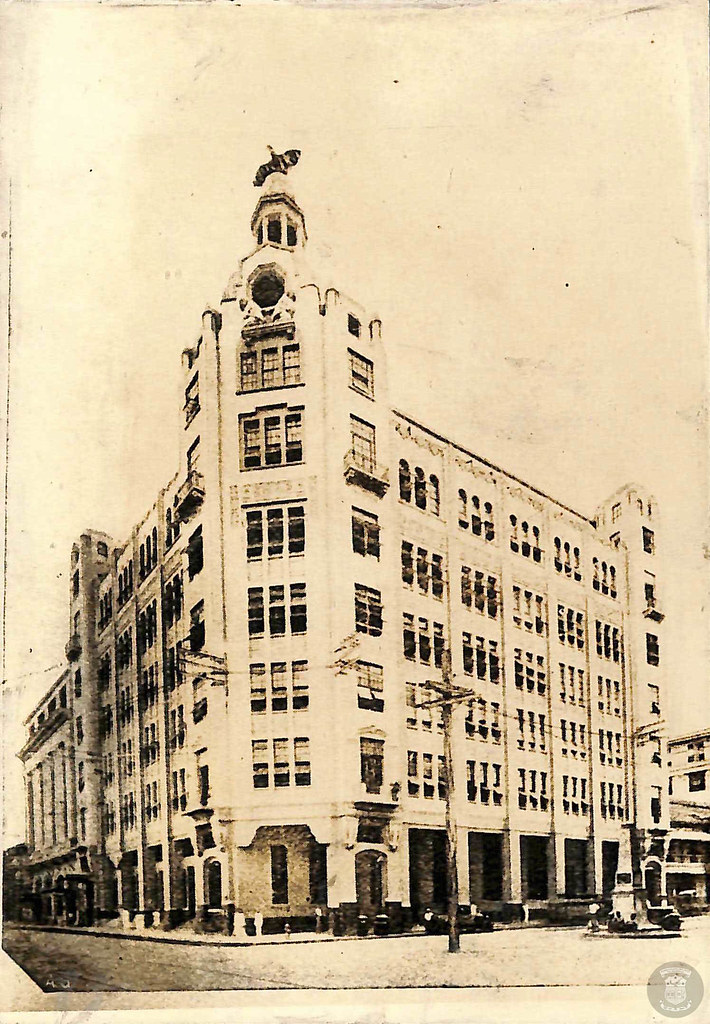
<p><span style="background-color: transparent;">First domestic or Filipino insurance company in Manila</span></p>
11
New cards

Juan Luna E-Services Building

Formerly named the First National City Bank of New York (banking company presently known as Citibank), the five-storey building was built in 1922 and designed by famous American Ar, firm Murphy, McGill & Hamlin

<p><span style="background-color: transparent;">Formerly named the First National City Bank of New York (banking company presently known as Citibank), the five-storey building was built in 1922 and designed by famous American Ar, firm Murphy, McGill &amp; Hamlin</span></p>



