Anatomy Exam Two: Chapter 18
 Call Kai
 Learn
 Practice Test
 Spaced Repetition
 Match
 Flashcards
 Knowt Play
1/26

There's no tags or description
Looks like no tags are added yet.
27 Terms

What are the 4 heart chambers and their main structural differences?
Atria receive blood; ventricles pump it. The left ventricle is thicker to pump at higher pressure to the body.
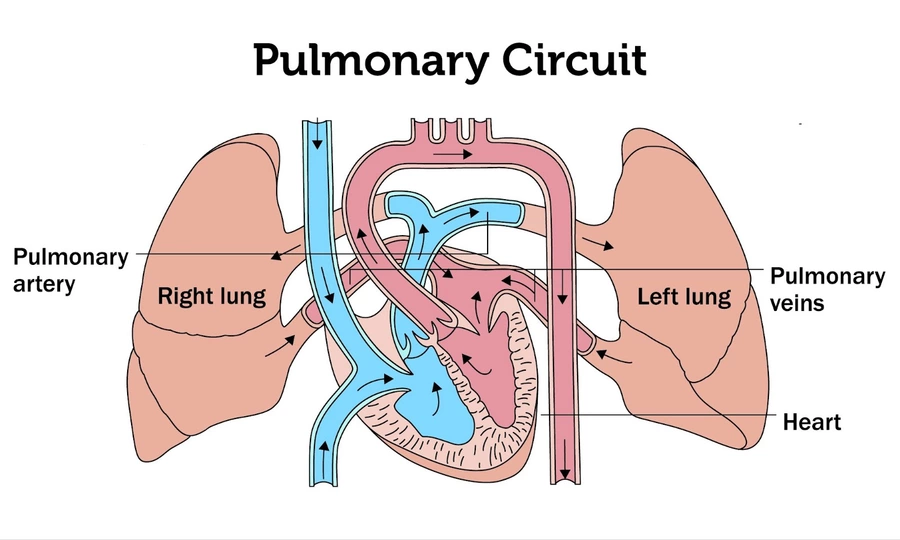
What is the pathway of the pulmonary circuit?
right ventricle > pulmonary truck/arteries > lungs > pulmonary veins > left atrium

What is the pathway of the systemic circuit?
left ventricle > aorta > body tissues > vena cava > right atrium

What is the role of intercalated discs?
Gap junctions allow rapid electrical spread, making the heart contract as a single unit.

What is the importance of Calcium Ca+ in contraction?
Extracellular entry triggers internal calcium release, unlocking muscle fiber sliding.

What is the metabolic energy requirement of cardiac muscle?
strictly aerobic respiration (requires constant oxygen) and packed with mitochondria

What are the Atrioventricular valves (AV) names and functions?
tricuspid valve (right) and bicuspid/mitral (left) prevent back-flow into atria during systole (contraction)

What are the Semilunar Valve (SL) names and functions?
pulmonary and aortic valves prevent back-flow into the ventricles during diastole (relaxation)

What anchors the AV valves?
chordae tendineae (heart strings) attached to papillary muscle

What happens during ventricle filling?
heart relaxes (diastole), AV valves open and blood fills ventricles passively

What happens during ventricular systole?
ventricles contract, AV valves slam shut (1st heart sound) and SL valves pop open and blood ejects

What happens during early diastole?
ventricles relax and blood flows backwards and snaps SL valves shut (2nd heart sound)

Complete the sequence of excitation?
SA node > AV node > AV bundle > bundle branches > purkinji fibers

Why is the impulse delayed at the AV node?
allows atria to finish contracting and completing fill ventricles before they pump

What does the P wave represent?
atrial depolarization ( triggers atrial contraction)

What does the QRS complex represent?
ventricular depolarization (triggers ventricular contraction)
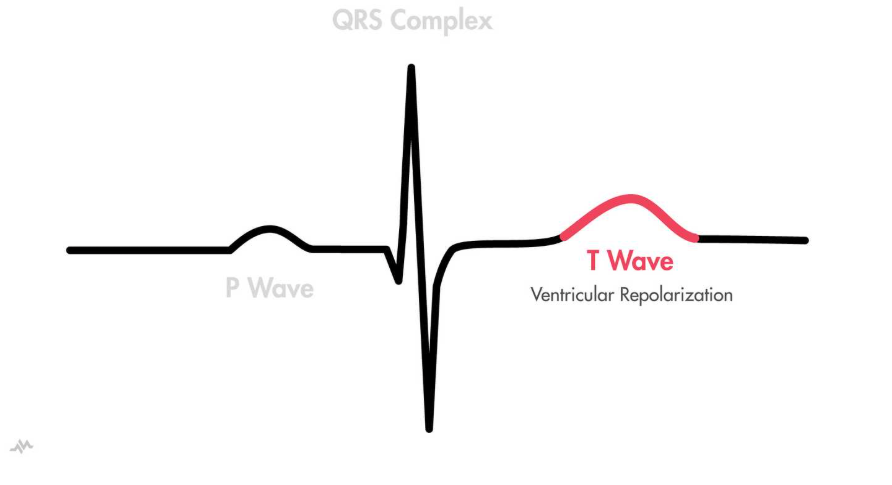
What does the T wave represent?
ventricular repolarization (triggers ventricular relaxation)

List the formula for Cardiac output (CO).
Heart Rate X Stroke Volume

What is the preload and the Frank-Starling Law?
degree of muscle stretch before contraction. More stretch (venous return) = stronger contraction = higher stroke volume
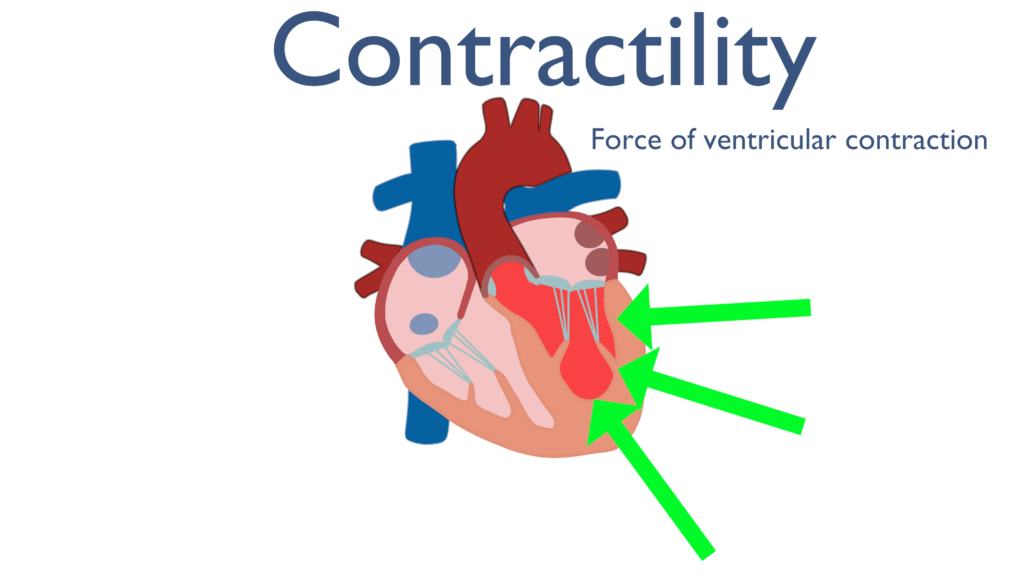
What is contractility and what increases it?
muscle pumping strength independent of stretch and increased by sympathetic nerves, epinephrine and calcium.

What is afterload and how does it affect stroke volume?
back pressure from atrial blood ventricles must overcome, a higher afterload (high blood pressure) = lower stroke volume
How does the autoimmune nervous system modify heart rate?
sympathetic increases rate (norepinephrine), parasympathetic decreases rate (acetylchloline/vagus nerve).

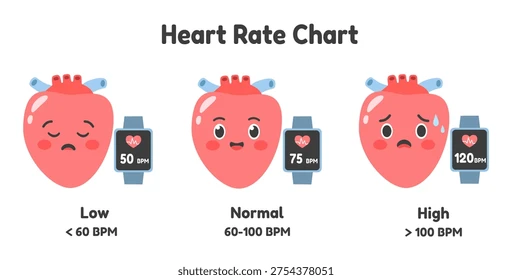
Tachycardia vs Bradycardia
fast resting heart rate (over 100) vs slow resting heart rate (under 60).
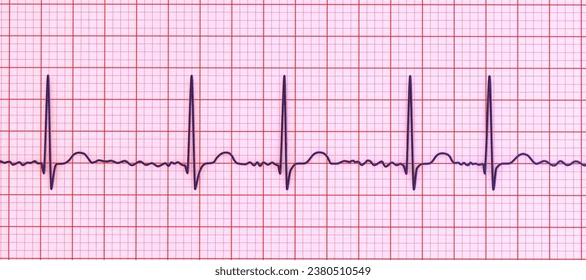
What are atrial fibrillation EKG features and risks?
no p waves and irregular baseline, causes poor atrial pumping, risk of blood clots and stroke

What is ventricular fibrillation?
chaotic, electrical twitching, zero blood flow to the body, fatal
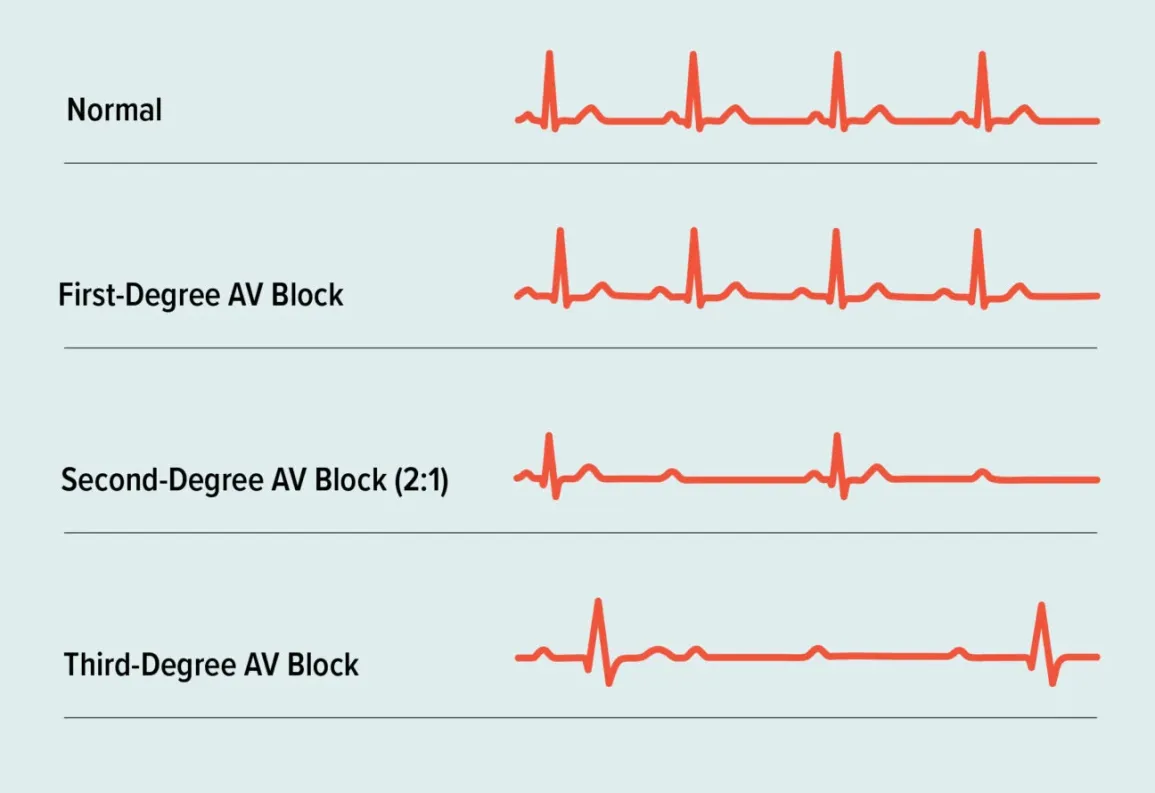
What is second-degree heart block?
impaired conduction where some SA node impulses fail to reach ventricles (dropped QRS complexes).

What are the common causes of congestive heart failure (CHF)?
weakened myocardium due to chronic high blood pressure, past heart attacks, coronary blockages or bad valves