IBS - THE SKULL
 Call Kai
 Learn
 Practice Test
 Spaced Repetition
 Match
 Flashcards
 Knowt Play
1/29

There's no tags or description
Looks like no tags are added yet.
30 Terms
Skull is the …
bony framework of the head
rests on the superior end of the vertebral column
Cranial bones form…
the cranial cavity
encloses and protects the brain
provides attachments for muscles of head and neck
Facial bones form…
the framework of the face
contain cavities for the special sense organs
provide openings for air and food passages
secure the teeth
anchor the facial muscles of expression

Parietal bones…
paired
form superior and lateral aspects of the skull
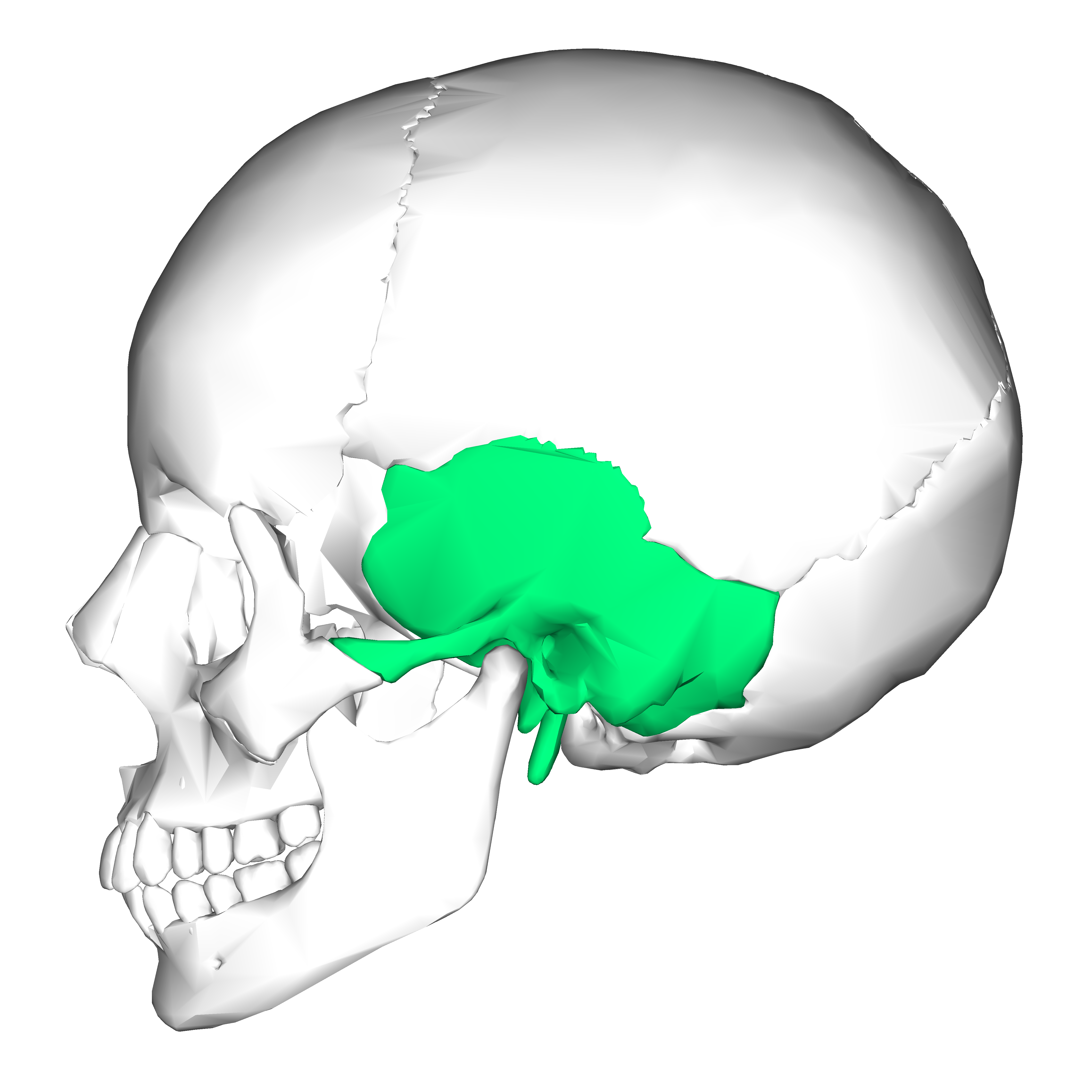
Temporal bones…
paired
form inferolateral aspects of the skull and part of the cranial floor
zygomatic process forms the prominence of the cheek
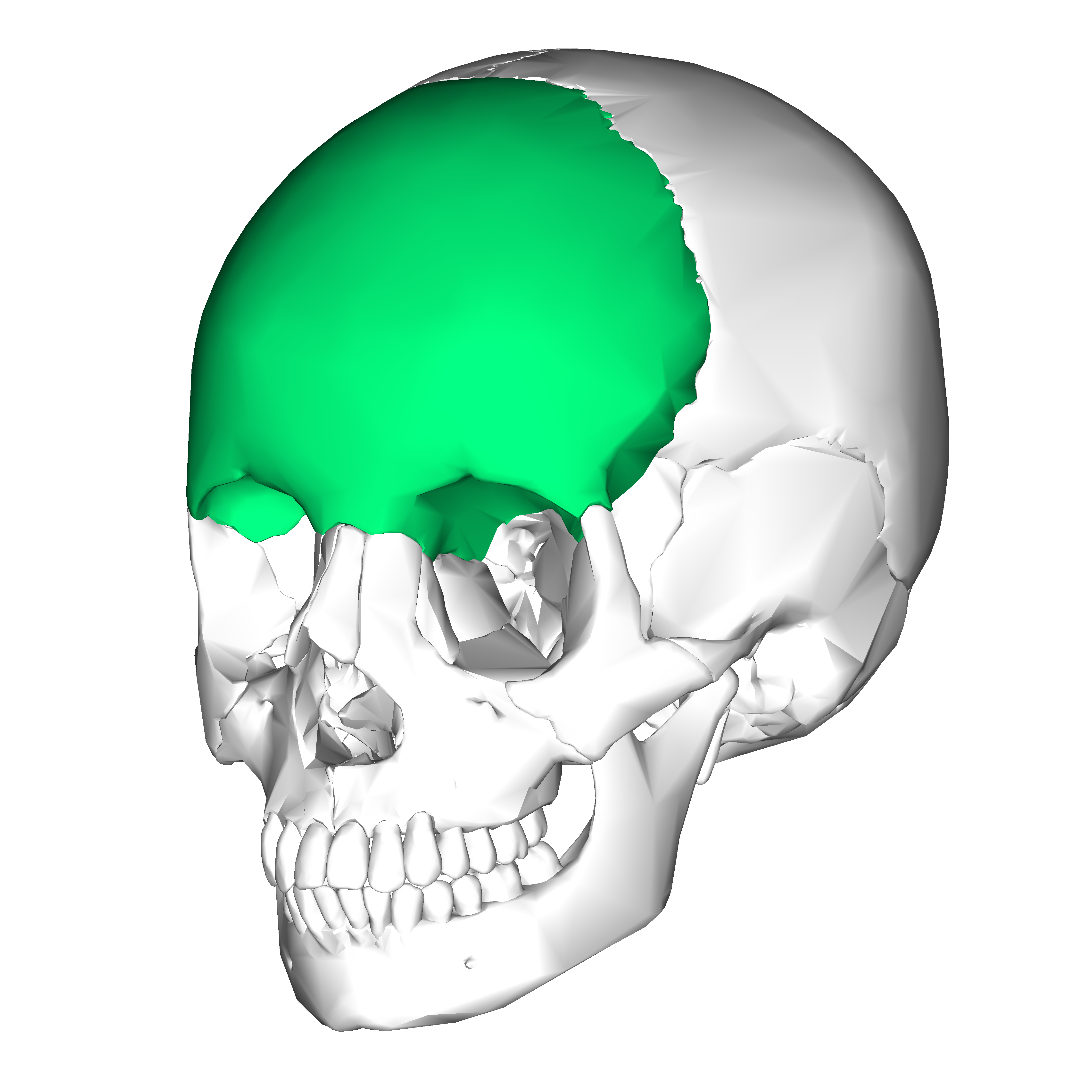
Frontal bone…
unpaired
forms the forehead, roofs of the orbits, part of the cranial floor
Supraorbital foramina allow the passage of
arteries and nerves


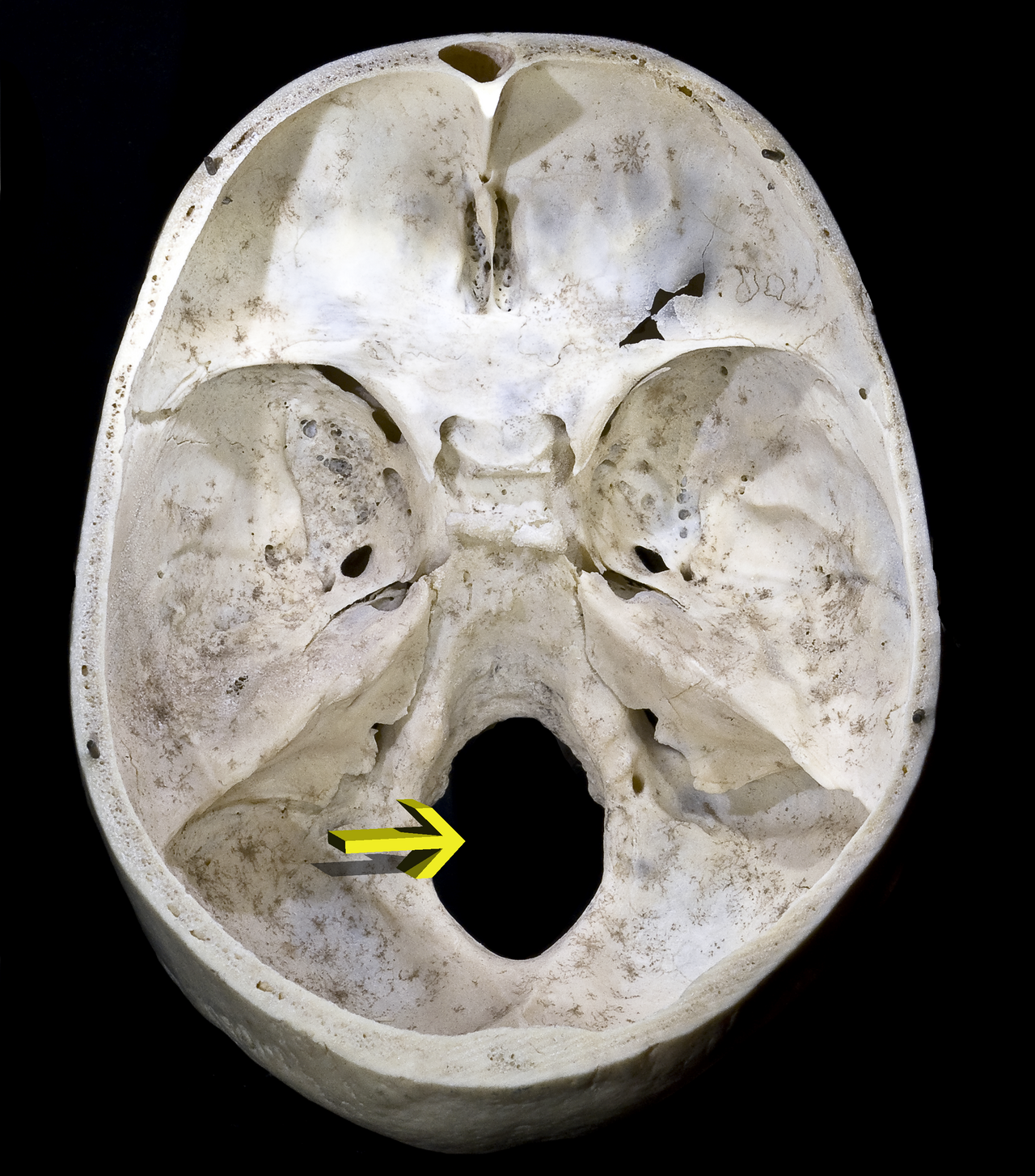
Occipital bone…
unpaired
forms posterior aspect and base of skull
Foramen magnum allows passage of the spinal cord

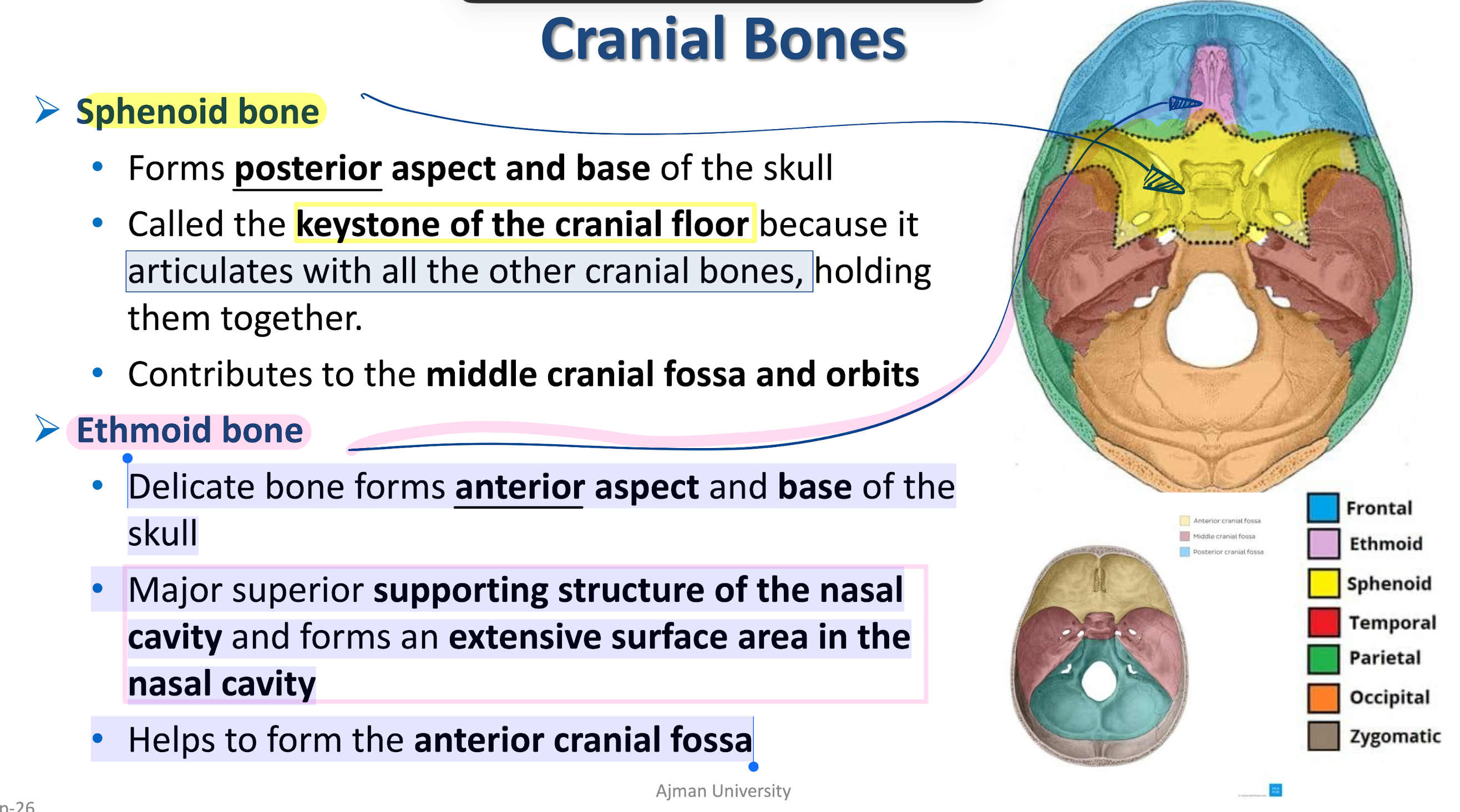
Sphenoid bone…
unpaired
forms posterior aspect and base of the skull
keystone of the cranial floor because it articulates with all the other cranial bones - holding them together
contributes to the middle cranial fossa and orbits
Ethmoid bone…
unpaired
delicate bone forms anterior aspect and base of the skull
major superior supporting structure and forms an extensive surface area in the nasal cavity
Helps to form the anterior cranial fossa

Mandible…
unpaired - facial
largest, strongest facial bone
only movable skull bone (other than the auditory ossicles)
articulates with the temporal bone to form the temporomandibular joint (TMJ)


Vomer…
(Hint: Doritos!)
unpaired - facial
roughly triangular bone on floor of the nasal cavity
forms the inferior portion of the bony nasal septum

Maxilla…
paired - facial
form the upper jaw and parts of the hard palate, orbits, and nasal cavity wall
Articulate with every bone of the face EXCEPT the mandible
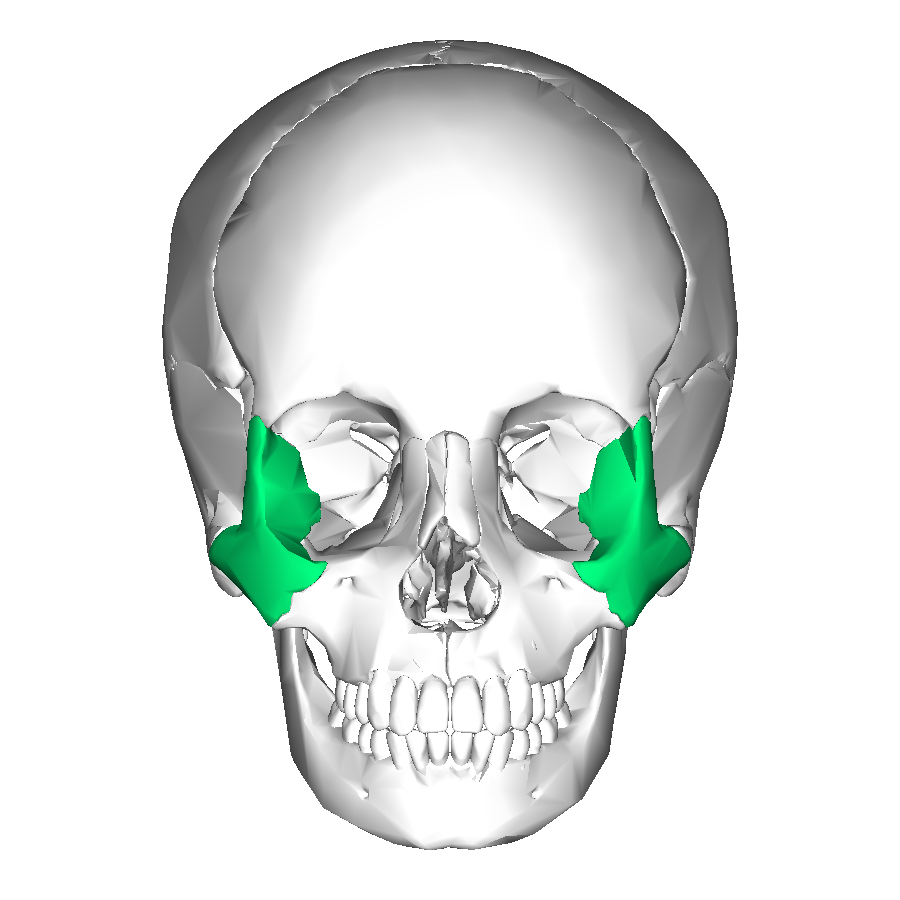
Zygomatic bones (cheekbones)…
paired - facial
form the raised parts of the cheeks and part of the orbits.
temporal process of the zygomatic bone articulates with the zygomatic process of the temporal bone to form the zygomatic arch
Nasal bones are…
• Small, flattened, rectangular-shaped bones
• Form the bridge of the nose

Lacrimal bones…
(Hint: where do tears accumulate?)
thin and resemble a fingernail
smallest bones of the face
form part of the medial orbit walls
contain a lacrimal fossa

Palatine bones…
L-shaped palatine bones
form posterior part of the hard palate and a small part of nasal cavity and orbit walls

Inferior nasal concha…
scroll-like bones form part of the lateral walls of the nasal cavity
Orbital cavity:
Cone-shaped bony cavity and houses the eyes
Contains muscles for eye movement
Contains the lacrimal glands, vessels and nerves
Cranial and facial bones that form the orbital cavity:
Frontal
Sphenoid
Zygomatic
Maxilla
Palatine
Lacrimal
Ethmoid bones

Nasal cavity:
Constructed of bone and hyaline cartilage
Contains olfactory epithelium
Provides passage for the air
Cranial and facial bones that form the nasal cavity:
Ethmoid
Palatine bones
Maxillae
Inferior nasal conchae
→ nasal cavity is divided into right and left parts
by the nasal septum

Paranasal sinuses are cavities near the nasal cavity.
Air-filled cavities are in the:
➢ Frontal
➢ Sphenoid
➢ Ethmoid
➢ Maxillary
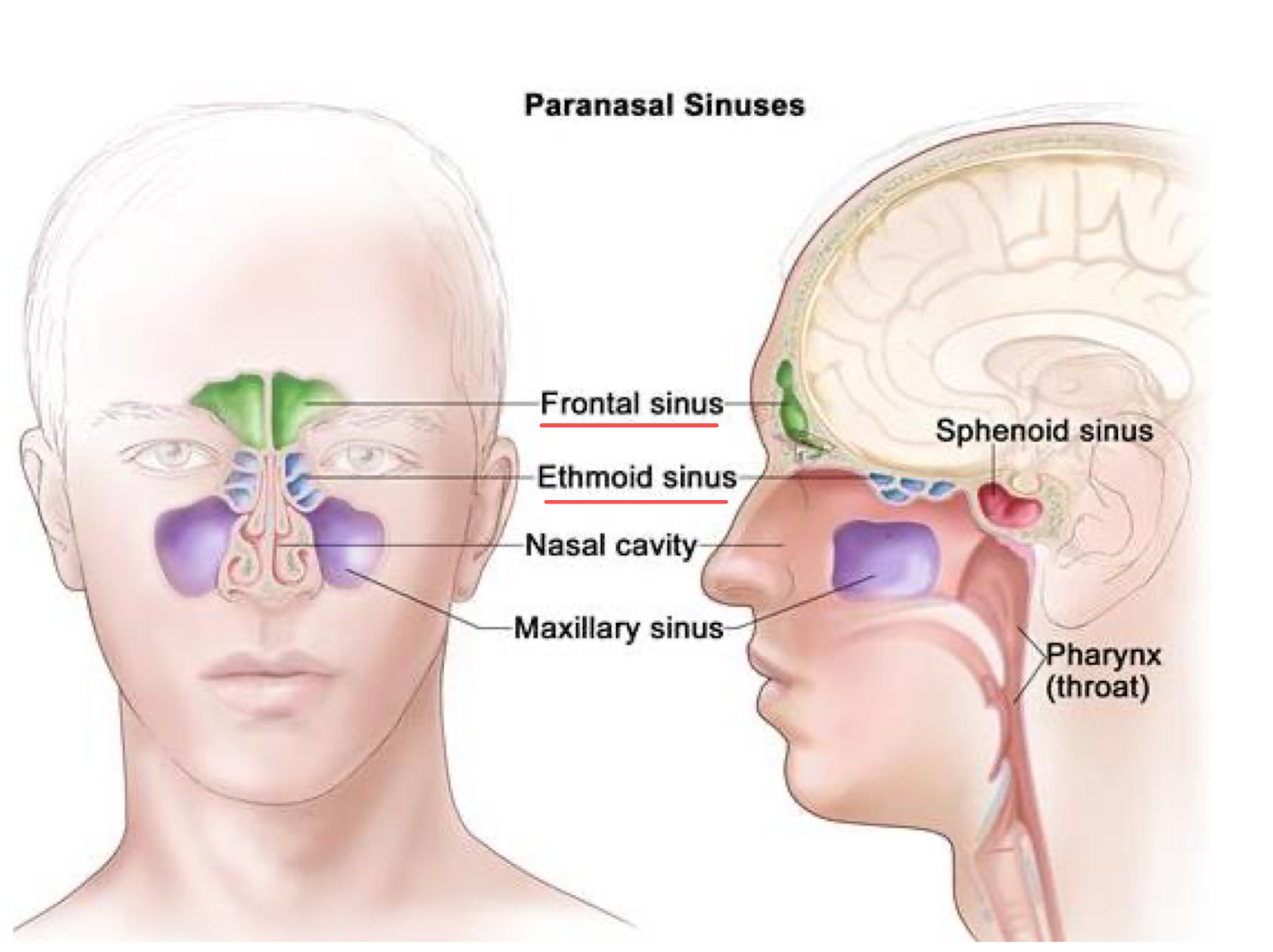
Paranasal cavities are lined with…
▪ mucous membranes
▪ warm and humidify the air
▪ resonance to voice
▪ drain into the nasal cavity
Middle Ear: 3 Tiny bones ~ transmit the sound waves.
These three bones are called:
➢ Malleus
➢ Incus
➢ Stapes (Smallest bone in body)

Sutures are…
Immovable joint that holds skull bones together
Coronal suture…
Unites the frontal bone and both parietal bones

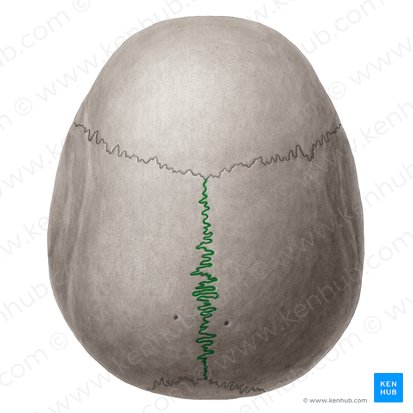
Sagittal suture…
Unites the two parietal bones on the superior midline of the skull
Lambdoid suture…
Unites the two parietal bones to the occipital bone

Squamous sutures…
Unite the parietal and temporal bones on the lateral aspects of the skull

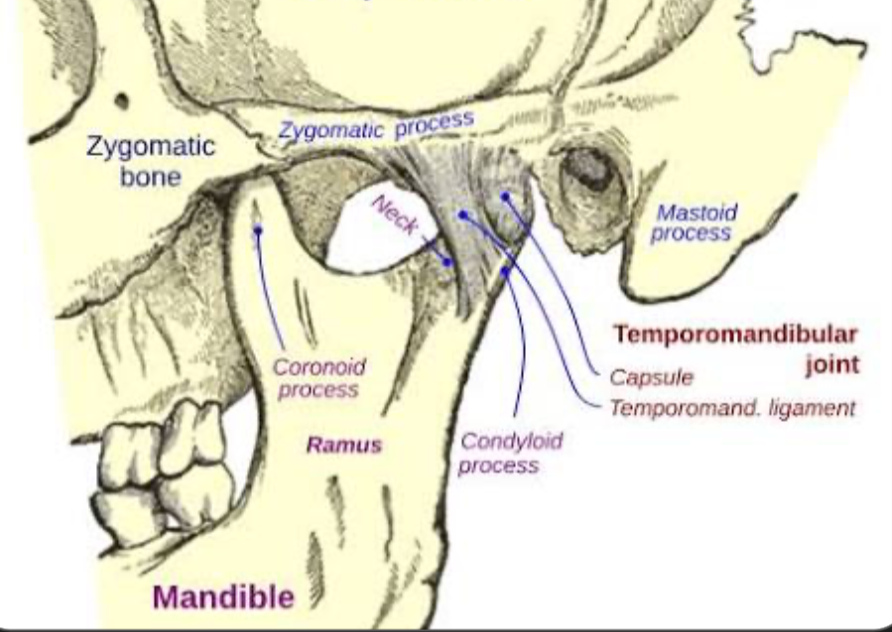
Temporomandibular joint is…
the only mobile joint in the skull
present between the mandibular condyle and mandibular fossa of temporal bone