3 Key skills 1030
 Call Kai
 Learn
 Practice Test
 Spaced Repetition
 Match
 Flashcards
 Knowt Play
1/59

There's no tags or description
Looks like no tags are added yet.
60 Terms
what is plagerism
passing off other peoples or machines work as your own
including words, ideas, sounds, data, or images
you need to credit your sources
can you plagiarize yourself
yes
“self-plagerism” - cannot turn in the same work to multiple classes
what is not plagiarism
original ideas
properly attributed quotations and ideas
your opinions
why do people plagiarize? class discussion (not as pertinent)
insecurity - dont feel like they will be able to write good ideas
time constraints
lack of understanding on the topic
feeling that everyone does it - it is normal, or it would put you at a disadvantage compared to others who dont follow that rule
the psychology of plagiarism
4 causes
One doesn’t value the course they are in or education generally
Emphasis on competition and success over development and cooperation
Perceived inability to achieve goals honestly
Perception that plagiarism is common or accepted
Personality traits related to plagiarism
Dark triad: traits like Machiavellianism (cunning, strategic manipulation, emotional detatchment, disregard for conventional morality, interest in power), narcissism, and psychopathy
less morality-oriented
Avoiding inadvertent plagiarism
Learn, then write in your own words
Use quotation marks (sparingly) when citing
only use direct quotes if there is literally no better way to say something, or to emphasize a point
use citations
ask if youre unsure
what type of information requires a citation
statements of non-obvious facts
statements of scientific facts (discoveries)
Original sources are best
Add page numbers for direct quotes
-Exact format of citations depends on citation style
Have a list of cited works included in your paper
Academic misconduct (what is covered in the student code of conduct policy)
students have rights
but also responsibilities
consequences range from reading about academic integrety through expulsion
Ai policy
expectations from profs and students
instructors set clear expectations
students are responsible to ask if they’re not sure
breaking the rules is academic offense
Is google making us stupid (what were the results of the study on the impact of internet on reading behaviour)
Online reading has had a negative impact on cognition. concentration, comprehension, absorption, and recall rates were all much lower while reading online than offline
step 1 of critiquing writing (understanding)
put yourself in the shoes of the writer, especially if they are a beginner
keep an open mind on your first read through
goal is to help them achieve their goals
what big picture should you focus on when critiquing a paper
is each part of the paper doing its job
is the abstract, and intro, and methods… playing their role well?
parts of an introduction 4
framework
background (other studies)
approach
purpose (goal, question, hypothesis, predictions)
parts of a methods section
sample (will it produce reliable data)
quality
size
representative
justified
Data analysis
parts of the results section
Direction of effect
Effect size
Confidence measures
what are two important parts of figures in a paper
data
accurate?
complete?
Design
honest
clear
engaging
parts of Discussion
Summary of results
re-evaluate hypotheses?
follows intro?
Major insights from the paper
logical?
Does it add nuance and integrate with previous literature
logical
citations
goals of critique
published: learning
unpublished: help author improve work
Good critiques (how should problems in a work be addressed)
solutions>problems
specific>vague
facts>judgement
problems should be treated with clear, factual, specific solutions
the golden rule of writing critique
respect
when critiquing, assume the author is
intelligent, honest, and trying
tell them what they are doing well! focus on the positives
“i” statements for judgements (they are personal opinions
what kind of (care) personality creates profound change?
Radical candor
square of care personalities
what are the x and y axis defining
what are in the four squares
x axis - whether you are willing to challenge the author directly
y axis - how caring you are
ruinous empathy - you care but you arent willing you challenge the author directly

how to accept criticism
do not fear feedback
natural but counter productive
good writing is iterative (takes repeated effort doesnt always land the first time)
we all have blind spots we can all grow:
curse of knowledge
slide faux pas (what not to do) and #1 slides sin
If its bad you wont attract the attention of the listeners
Try not to have overloaded slides
The font has to be easy to read
if text is too small (anything that makes things hard to see)
be careful not to change the font with no cause
Avoid text heavy slides
#1 problem that occurs: too much text
attention should be on the speaker, slides are meant to support the speaker
slides faux pas writing
too much text
should be good animations to balance text
text too small
distracting changes (font)
bad contrast
bad powerpoint (graphs)
small
hard to read
not interpreted
bad powerpoint (images)
low quality
innapropriate
not enough
too small
thoughtless formatting
3 principles of presenting
the speaker is the focus
slides should support the speaker
think of your audience
keep it interesting and clear to follow
style matters
font and colour give first impression and keep things consistent
how to make a good slideshow (this could be split up its very long)
templates and visuals
Ditch the templates (mean)
they often dont meet your needs for formatting
visuals can aid the viewer
offer them metaphor connecting to the concept which supports their understanding
image and text can interact like a meme format
contrasting fonts to the images/ background
if they’re funny and big it will get the viewers attention
images should support topic, not distract from it.
don’t distort them
how to make a good slideshow
visual aesthetics
(these cards are a shit show)
text should be in the negative space of a slide (duh)
match the image to the background
can change the background to the colour of the background of a photo with eyedropper tool
state your main question on an image
contrasting halves
(black and white)
information contrasted with photo
try to reduce the amount of text, only use enough to recall what you want to speak about
create visuals (or use visual examples) to illustrate a point rather than writing it out
nested information
pieces of information that fall into one another (like this)
make sure text is legible
Soft skills
interpersonal and self management abilities
your ability to navigate challenging situations
different from hard skills like applicable knowledge
top ten soft skills
main one: communication (most people hate public speaking)
self motivation
problemm solving
Decisiveness
time management
leadership
flexibility
team work
conflict resolution
responsibility
the spotlight effect (public speaking not attention)
afraid of being the center of attention/being judged
ancient survival system - fight flight freeze
feel exposed like prey
Glossophobia
We let our thoughts sabotage us (mental traps)
focusing only on the negative
fear of fear
some people react more intensely: more biologically prone to anxiety/stress
our fear is usually out of proportion, it is not rational
solution to glossophobia
knowing you’re not alone
3 principles for public speaking
the speaker is the focus, a slide show should support the speaker not the other way around
think of your audience, build content around what the listeners care about, think about the receivers
how you say it, how you present your material is important
how should you hold yourself physically when presenting
body
gaze
voice
open posture
move around but don’t pace (dynamic not nervous)
use your hands (dynamic)
stand tall
you have to face your audience and pay attention to them
gaze when presenting
gaze: Brief eye contact with audience members around the whole room (not just specific people)
voice and tone when presenting
voice:
project (loud and clear)
mouth close to mic
slower than you think (but not too slow! respect your audience members who are taking notes)
Varied (if you maintain energy or lack of energy, it will become monotonous)
Honest/real
Tone:
calm and conversational
enthusiastic, interested and confident,
emphasize and repeat key points
build up to key moments
humor is great (if you’re funny)
bad habits when presenting
hair twirling
rocking
verbal tics (um)
looking down
mumbling,
apologizing…
this will distract your audience
to fix you can: record yourself presenting and get feedback from others
practice restraint
when presenting dont apologize for
accent
speaking ability
little mistakes
knowledge
existing. Dont emphasize your mistakes, it shows insecurity
when presenting (tell a story)
include yourself
use visual language
immersive details
build interest of audience, then reveal
Notes (to memorize or not memorize when presenting)
very hard to engage your audience and read notes at the name time, audience may get bored!
but it is also hard to memorize a whole speech and if you lose your track, you can freeze with no safety net
use presentation mode on powerpoint.
how to present figures (graphs) in public speaking
specific order 4
Will be on the exam >:D
Axes
symbols
pattern
interpretation - explain whats going on
overcome fear with practice
repeatedly over a long period of time
as similar to the performance as possible
with an audience (or in the same room without one)
timing
correlation
causation
defnitions and how are they related r whateva
two variables move together in a measurable pattern
while causation means a change in one variable directly produces a change in another
correlation alone does not prove causation
learn by association
accumulate dead facts which are presented together and become linked in our mind

what phenomena
diagnostic interference

Infer the Cause
we dont have to see a direct connection to recognize a cause and effect/stimulus and cause. we are very good at finding connections.
sometimes we over do this ability. (very common with superstition.
Spurious correlation (will be a midterm q on this)
coincidence…
how do you solve the correlation of ice cream and shark attacks
a statistical test that “holds tempurature constant” would reveal no relationship between ice cream consumption and shark attacks
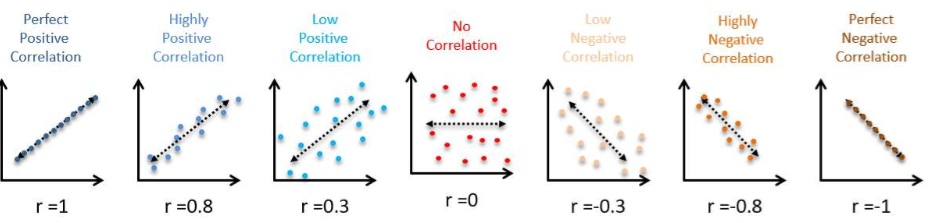
r=0.9
highly positive correltation.
r=0
no correlation
r= -.3
low negative correlation
key for r values
closer the number to zero, worse the correlation.
closer to 1 or -1 bigger the correlation.

name all of them >:D
direction: pos or neg
magnitude
r values
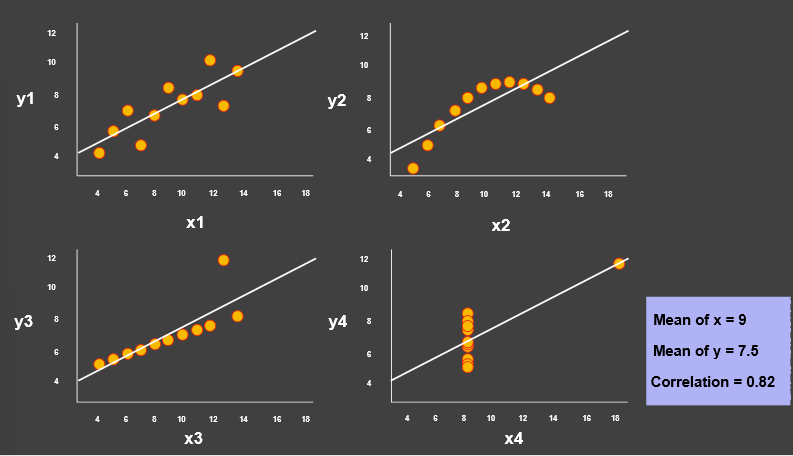
when does the piersons correlation fail to measure a correlation.
when the relationships are non linear

Anscombe’s Quartet
why you should always visualize your data sets
consists of four data sets which visualize the failure of piersons correlation in certain cases.
so important too visualize your data and not just take summary number as an answer