Bio Lab 123 Lab Quiz Study Guide
 Call Kai
 Learn
Learn Practice Test
 Spaced Repetition
 Match
Match Flashcards
 Knowt Play
1/55

There's no tags or description
Looks like no tags are added yet.
Name | Mastery | Learn | Test | Matching | Spaced | Call with Kai | Chat |
|---|
No analytics yet
Send a link to your students to track their progress
56 Terms
Carpals
a group of eight small, irregularly shaped bones that form the foundation of the human wrist, connecting the forearm bones (radius and ulna) to the palm bones (metacarpals)

Clavicle
a slender, S-shaped long bone located horizontally across the top of the chest that connects the breastbone (sternum) to the shoulder blade (scapula)

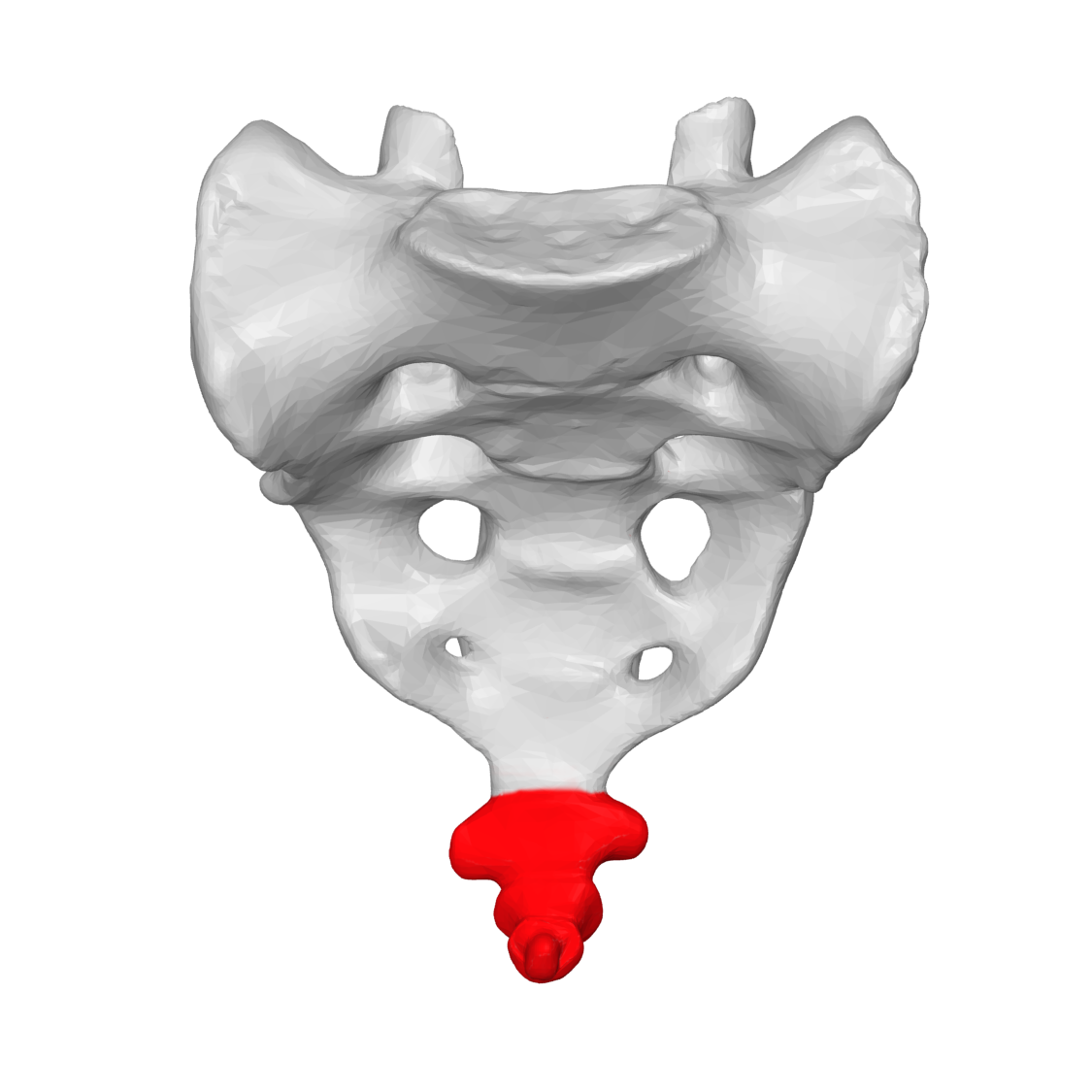
Coccyx
the small, triangular bone at the very base of the spine below the sacrum
Ethmoid bone
a lightweight, cube-shaped skull bone located at the roof of the nose that separates the nasal cavity from the brain

Femur
the longest, heaviest, and strongest bone in the human body, running from the hip to the knee.

Fibula
the slender long bone located on the outer (lateral) side of the lower leg, running parallel to the tibia (shinbone) from just below the knee to the ankle

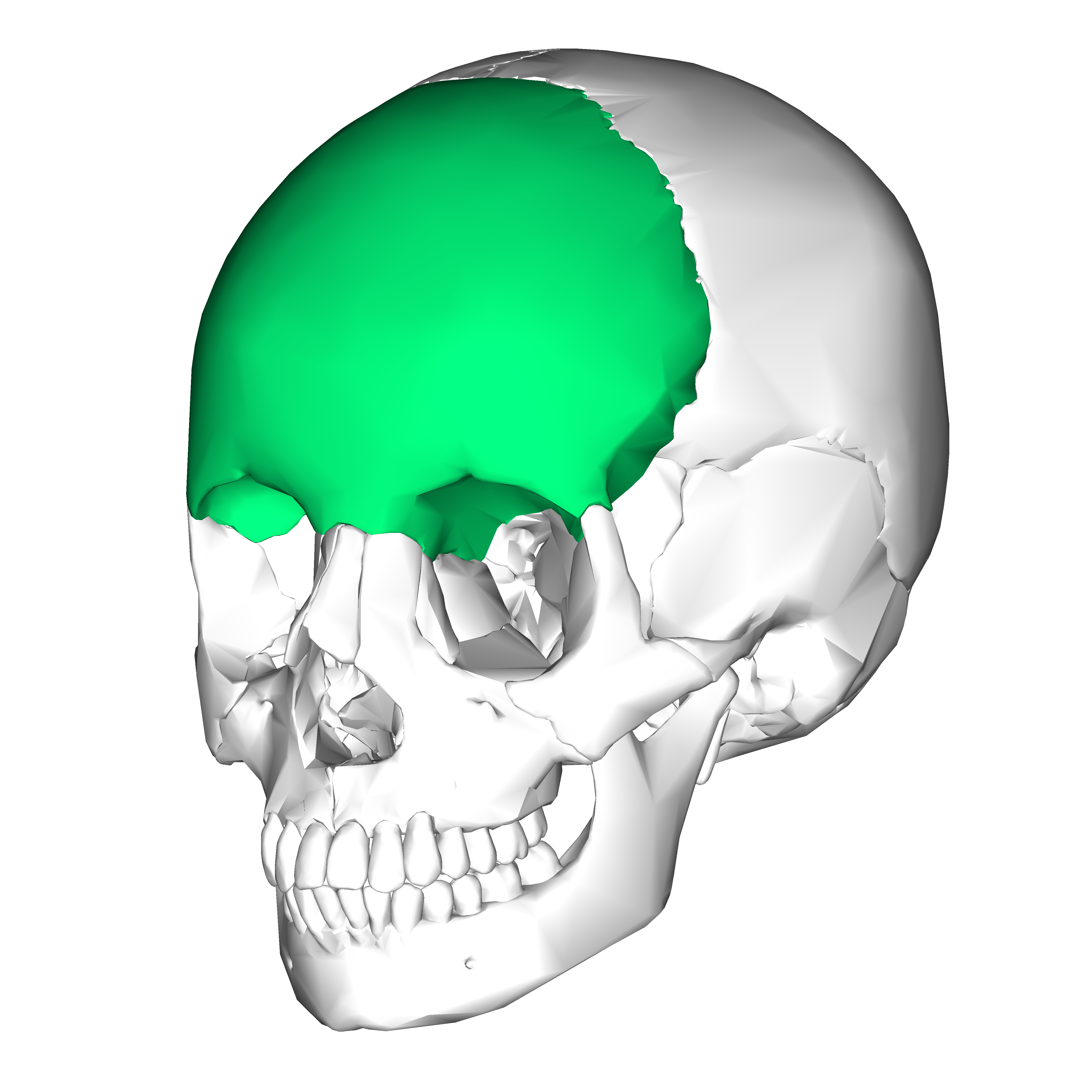
Frontal bone
a shell-shaped, single cranial bone that forms the forehead and the upper part of the eye sockets
Humerus
single long bone located in the upper arm, running from the shoulder to the elbow

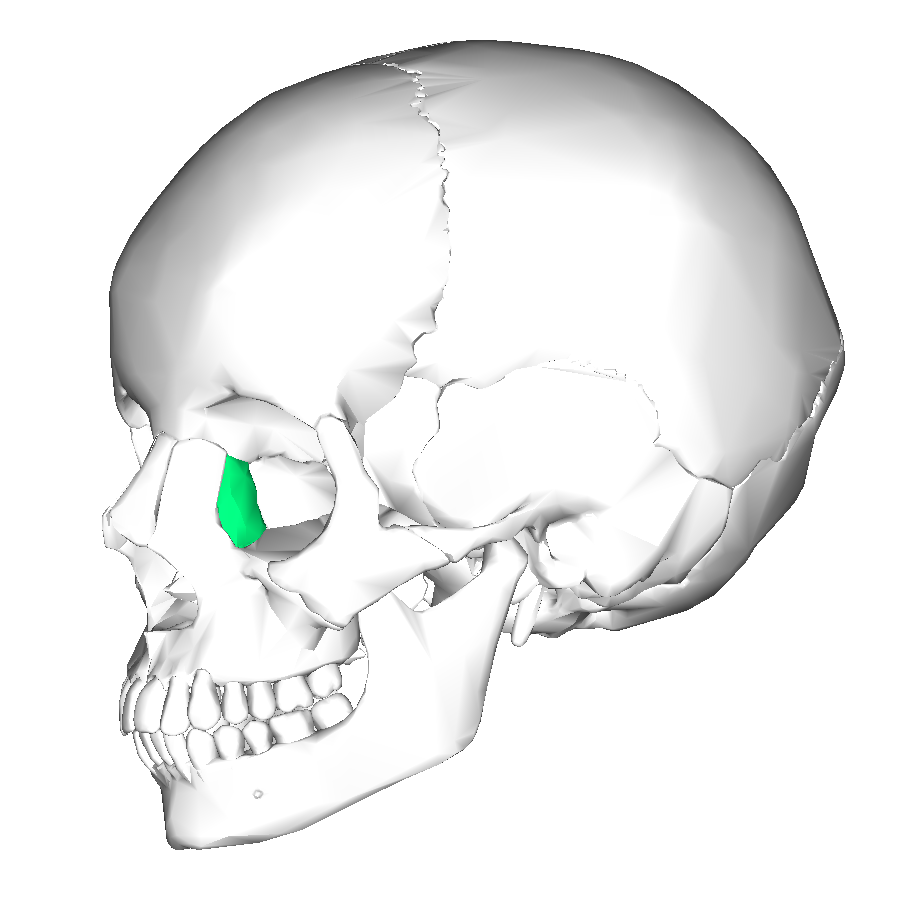
Lacrimal bone
the smallest and most fragile bone of the facial skeleton, roughly the size of a small fingernail, located at the front part of the medial wall of the eye socket (orbit)
Mandible
the largest, strongest, and only movable bone in the human face, commonly known as the lower jaw

Maxilla
large fixed bone of the upper jaw that forms the roof of the mouth, holds the upper teeth, and supports parts of the eye sockets and nose

Metacarpal
the five long bones in the palm of your hand that connect your wrist to your fingers

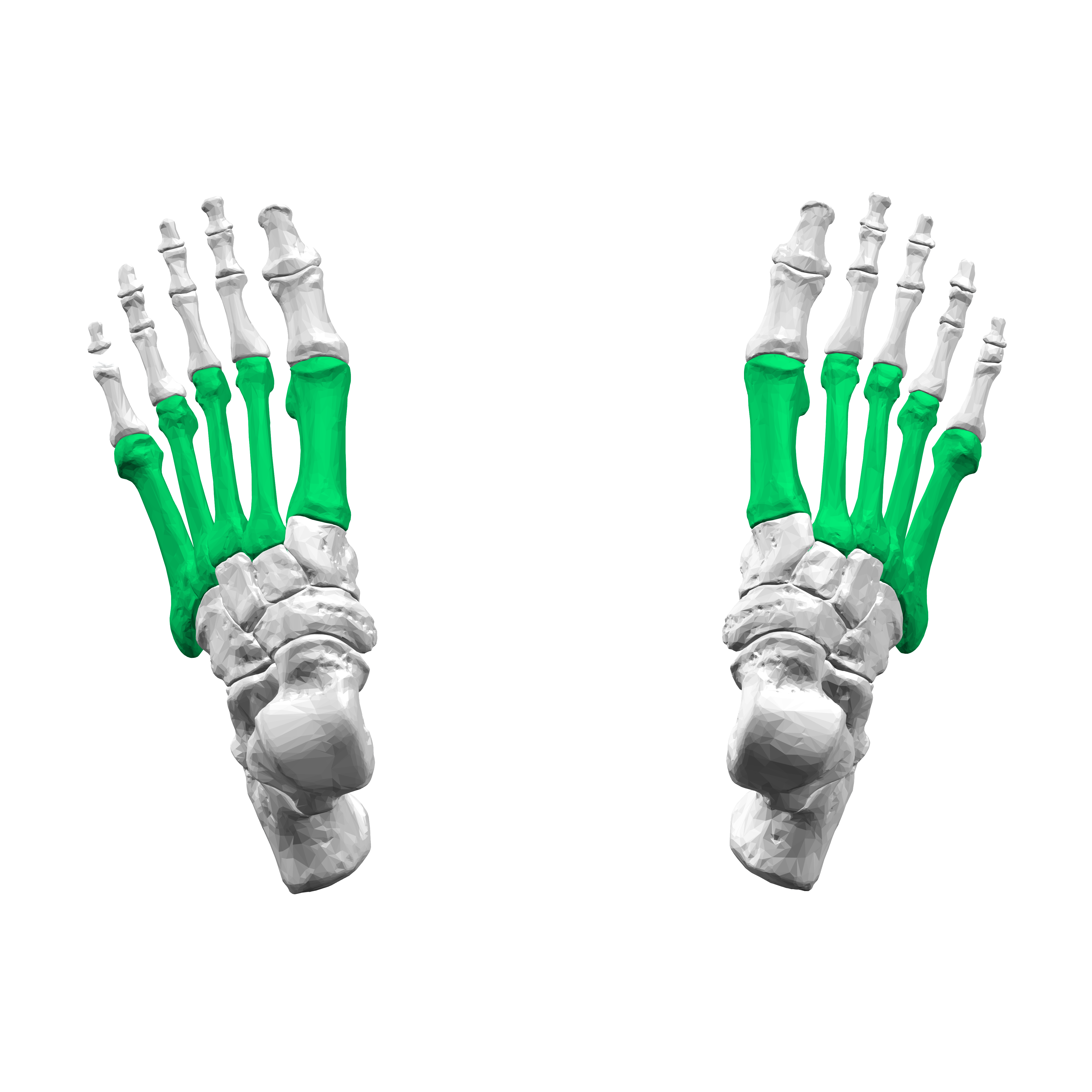
Metatarsal
are a group of five long bones in the middle part of the human foot. They sit between the ankle bones (tarsals) and the toe bones (phalanges).
Nasal bone
a pair of two small, oblong bones located side-by-side at the upper and middle part of the face that form the bridge of the nose

Occipital bone
is a trapezoid-shaped flat bone located at the lower back and base of the skull

Palatine bone
a paired, L-shaped facial bone situated at the back of the nasal cavity between the maxilla and the sphenoid bone

Parietal bone
one of two paired flat bones that form the upper sides and roof of the human skull

Patella
the largest triangular sesamoid bone (a bone embedded in a tendon) in the human body, located at the front of the knee joint

Pelvic bones
a heavy, basin-shaped ring of bones located at the base of the spine that connects your upper body to your lower limbs

Phalanges
small bones that form the structure of your fingers and toes.

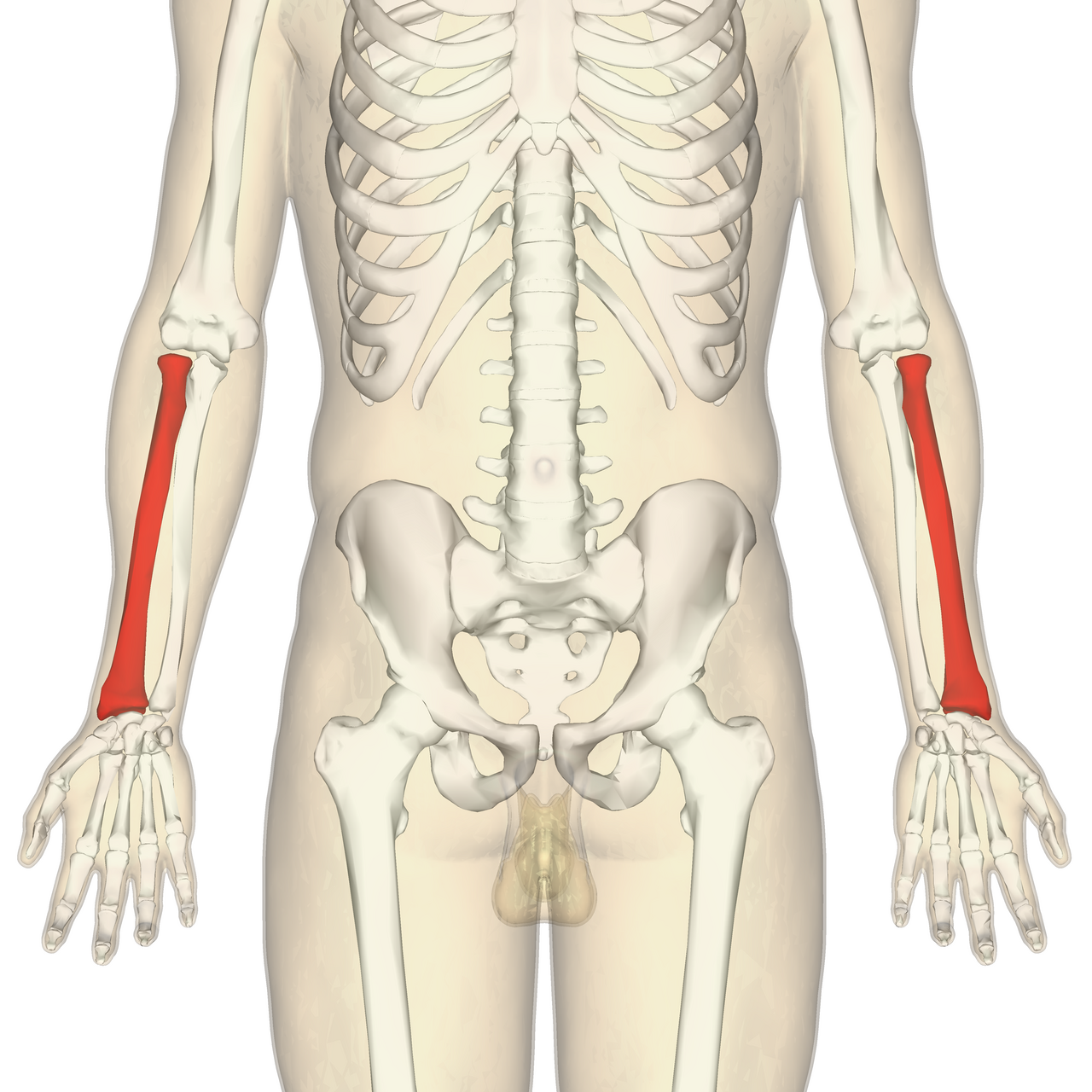
Radius
one of the two long bones in the forearm, located on the lateral (thumb) side
Rib
long, curved bones that form the protective cage around your chest and internal organs

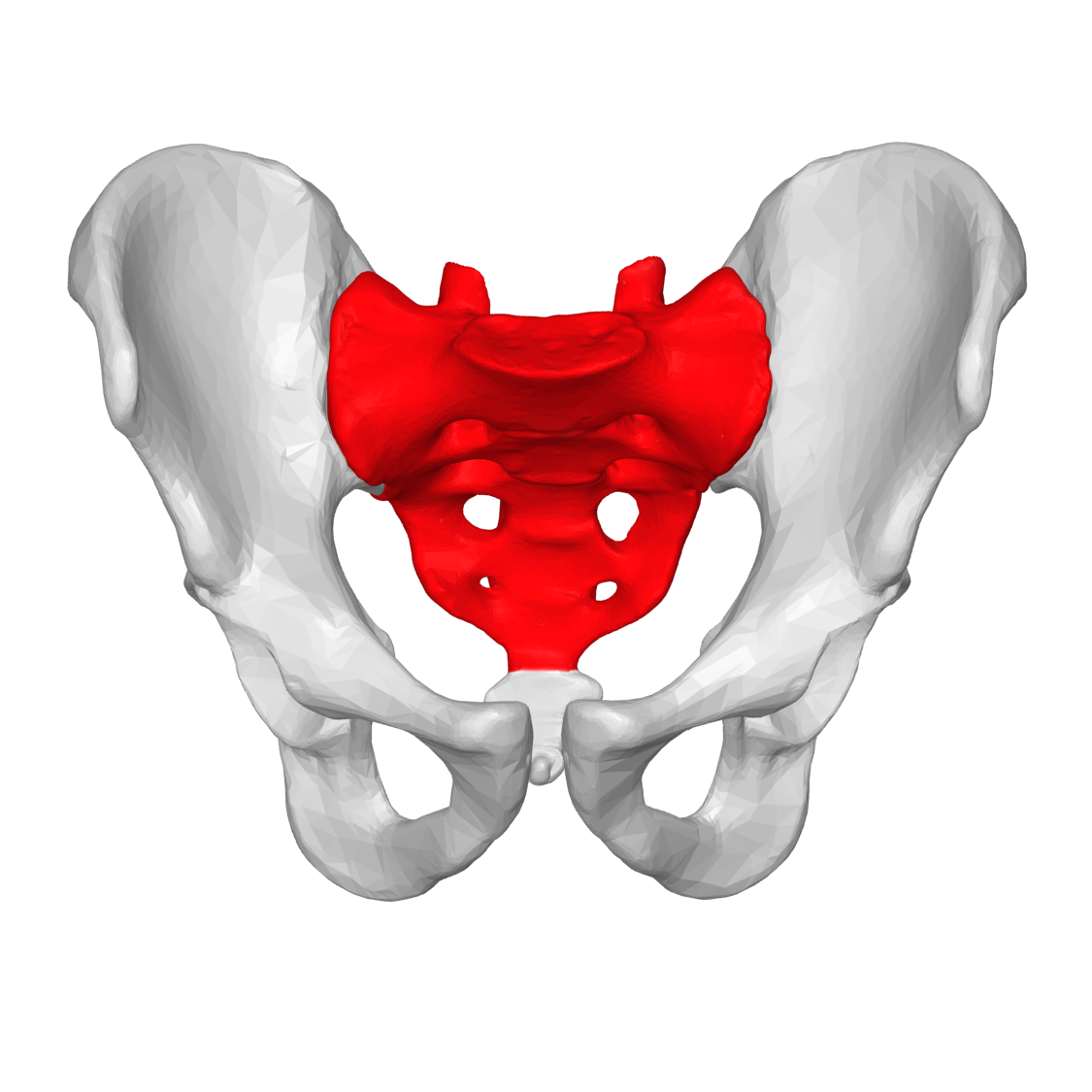
Sacrum
a large, wedge-shaped, triangular bone located at the base of the lumbar spine and wedged between the two hip bones of the pelvis
Scapula
a flat, triangular bone located on the upper back that connects the upper arm to the collarbone.

Sphenoid bone
a complex, butterfly-shaped bone located at the middle base of the skull, right behind the nose and eye sockets

Sternum
Commonly known as the breastbone, is a long, flat, T-shaped bone located in the center of the front chest wall.

Tarsal bones
a cluster of seven short, irregularly shaped bones in the Tarsus (skeleton) region that form the ankle, hindfoot, and midfoot

Temporal bone
a complex, paired cranial bone located on the lateral sides and base of the skull, surrounding the ear canal and protecting vital structures of hearing and balance

Tibia
large weight-bearing bone located in the front and inner side of the lower leg between the knee and the ankle.

Ulna
the inner, longer long bone of the forearm located on the pinky finger side

Vertebrae
33 small interlocking bones that form the spinal column, also known as the spine or backbone.

Vomer bone
a small, thin, plowshare-shaped facial bone that forms the lower and back part of the nasal septum, separating the left and right nasal cavities

Zygomatic bone
commonly known as the cheekbone or malar bone—is a paired, diamond-shaped facial bone that forms the prominent contour of the cheek and contributes to the outer wall and floor of the eye socket (orbit)

Adductors
a group of muscles located in the medial (inner) compartment of the thigh

Biceps brachii
a large, two-headed muscle located on the front of the upper arm between the shoulder and the elbow

Brachilalis
a strong, thick muscle in the upper arm that lies deep beneath the biceps brachii

Deltoid
a large, triangular muscle covering the shoulder joint that gives the shoulder its rounded shape

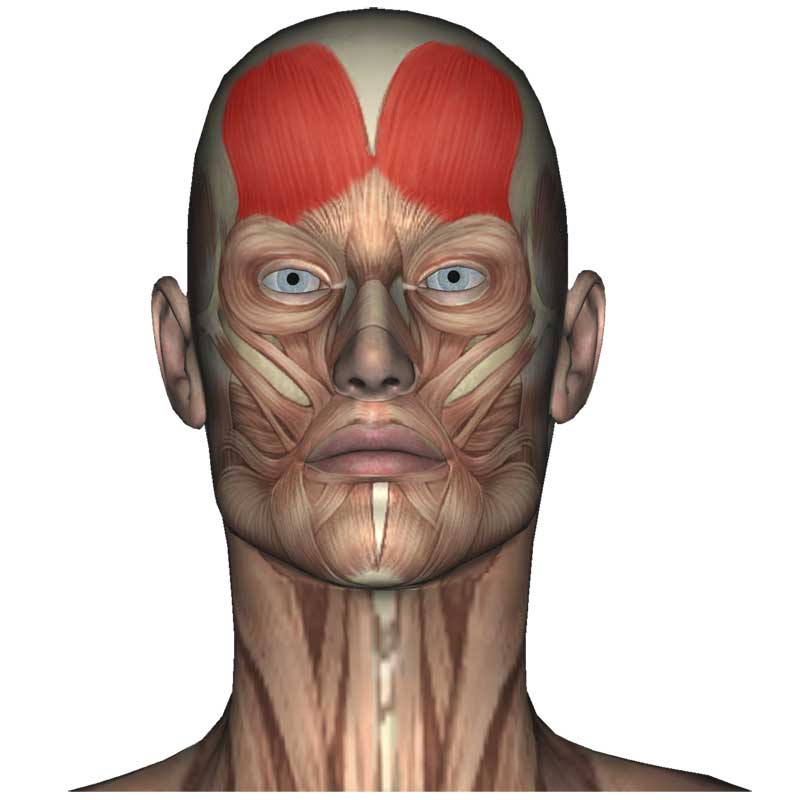
Frontalis
a thin, quadrilateral muscle located on the forehead that forms the anterior part of the occipitofrontalis muscle group
Gastrocnemius
large, superficial muscle located on the back of the lower leg that forms the main visible bulk of the calf

Gluteals
a group of muscles located at the posterior of the pelvic girdle and hip region

Gracilis
a long, slender, strap-like muscle located on the inner (medial) compartment of the thigh

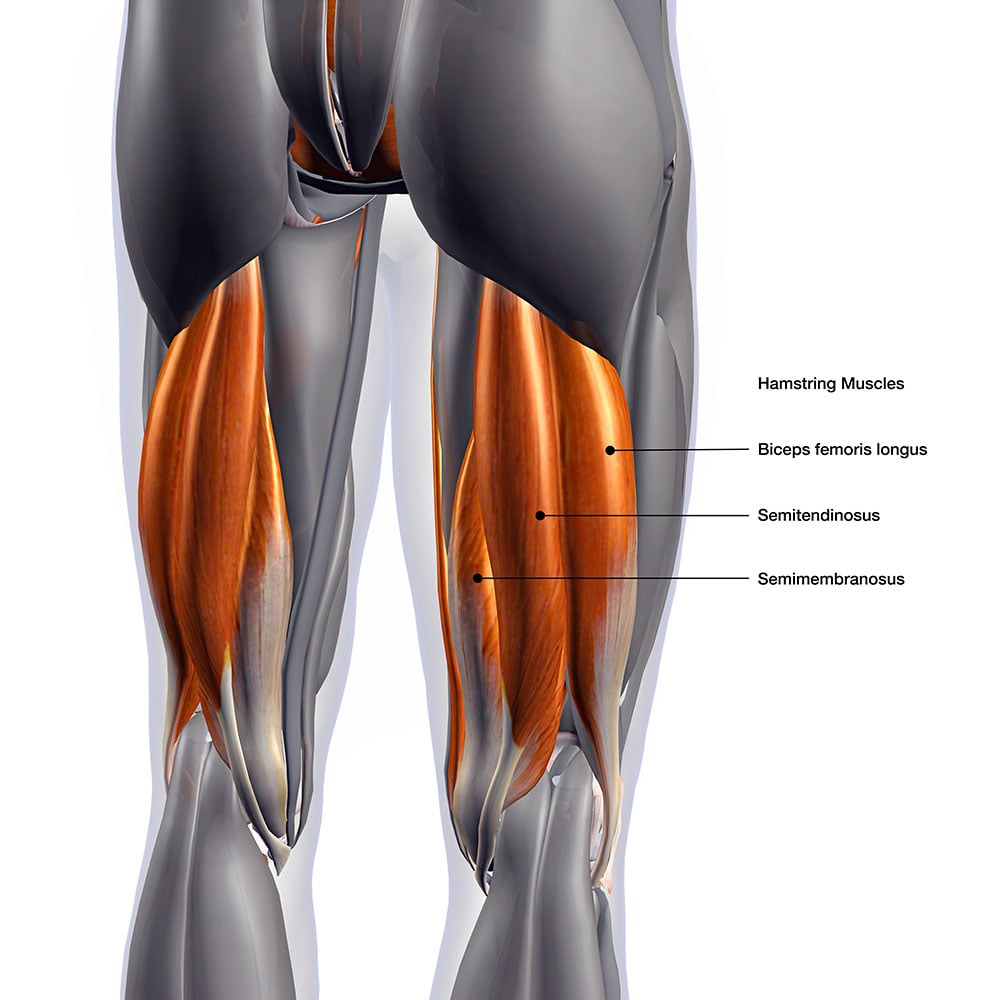
Hamstrings
a group of three muscles located in the back of the thigh that cross both the hip and knee joints to bend the knee and straighten the hip
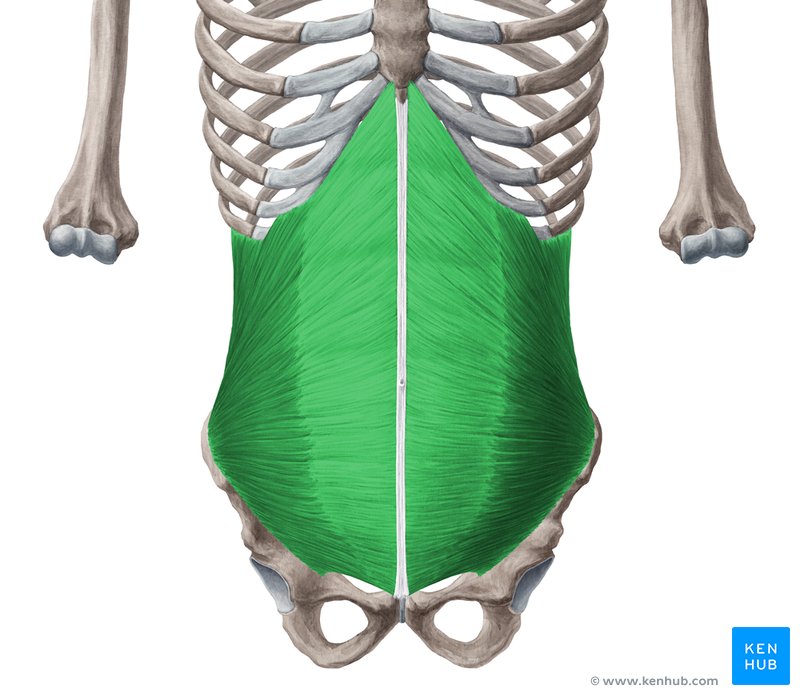
Lateral abdominials
refer to your obliques, the muscles located on the sides of your waist that handle twisting, side-bending, and core stabilization
Latissimus doris
the widest and one of the largest muscles in the human body, spanning the lower and middle back to help control arm and shoulder movements

Masseter
a thick, quadrilateral muscle located on the side of the face that connects the cheekbone to the lower jaw

Pectoralis major
a thick, fan-shaped muscle located on the anterior (front) surface of the chest wall

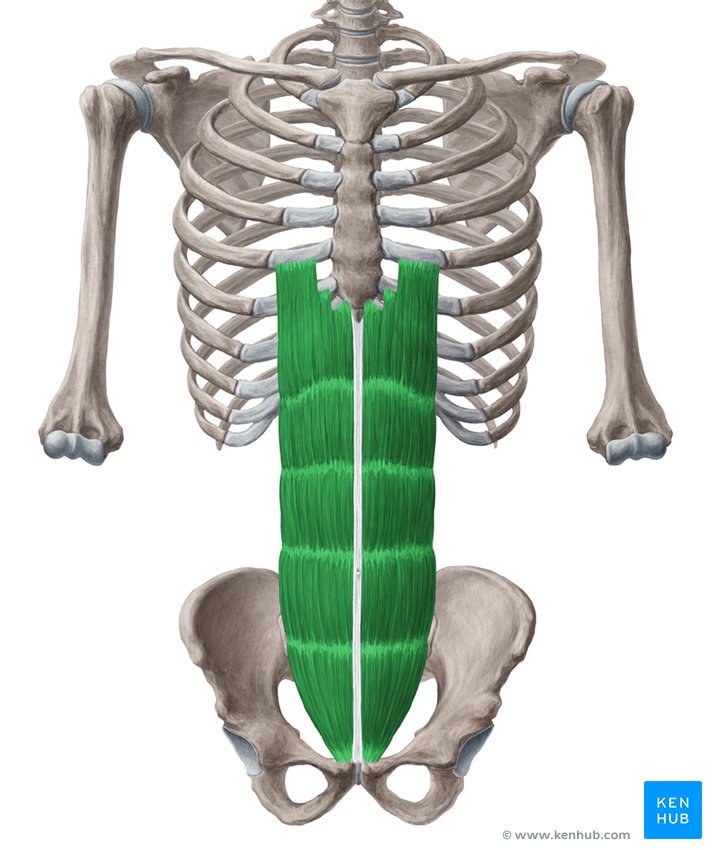
Rectus abdominis
a paired vertical skeletal muscle running down the front of the abdomen, commonly known as the "six-pack".
Quadriceps
a large, powerful muscle group located on the front of the thigh

Rhomboids
a pair of skeletal muscles located in the upper back, deep beneath the trapezius muscle

Sartorius
the longest skeletal muscle in the human body, running diagonally across the front of the thigh from the hip to the knee

Soleus
a large, flat, deep calf muscle located in the lower leg just beneath the gastrocnemius muscle

Sternocleidomastoid
a large, paired superficial muscle running obliquely down the side of the neck from the skull to the collarbone and breastbone

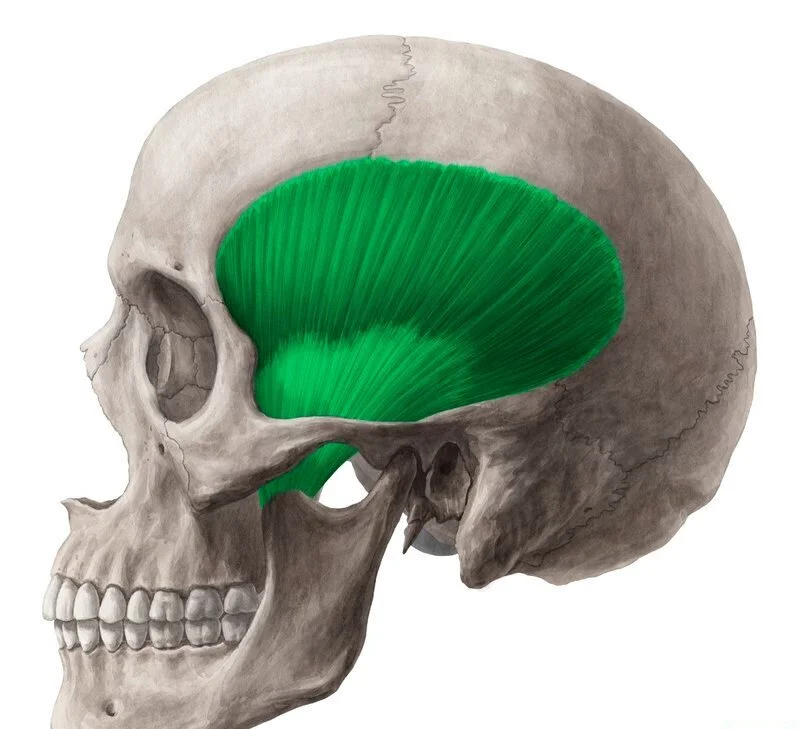
Temporalis
a broad, fan-shaped muscle located on the side of the head within the temporal fossa (the temple
Tibialis
two primary muscles in the lower leg—the tibialis anterior on the front of the shin and the tibialis posterior deep within the back of the calf

Trapezius
a large, paired, trapezoid-shaped superficial muscle on the upper back, neck, and shoulders that controls scapular movement, neck extension, and posture stability

Triceps brachii
a large, three-headed muscle located on the back of the upper arm
