Art History Exam 2
 Call Kai
 Learn
 Practice Test
 Spaced Repetition
 Match
 Flashcards
 Knowt Play
1/52

There's no tags or description
Looks like no tags are added yet.
53 Terms

Colegio de San Gregorio, Valladoid, Spain, built c. 1498

Hans Holbein, The Ambassadors, 1533

Divination tray, Yoruba culture, c. 1659

Plaque depicting a palace shrine, Kingdom of Benin, Nigeria, c. 1520-1640

Gianlorenzo Bernini Saint Teresa of Ávila in Ecstasy, 1645-52

Gianlorenzo Bernini, David, 1623

Gianlorenzo Bernini, Baldacchino, St. Peter’s Basilica, Vatican, Rome, 1624-33

Artemisia Gentileschi, Judith and Holofernes, 1621 (the bloody one)

Diego Velazquez, las Meninas (The Maids of Honor), 1656

Caravaggio, The Calling of St. Matthew, 1599-1600

Caravaggio, Bacchus, 1595-96

Peter Paul Rubens, The Raising of the Cross, 1610
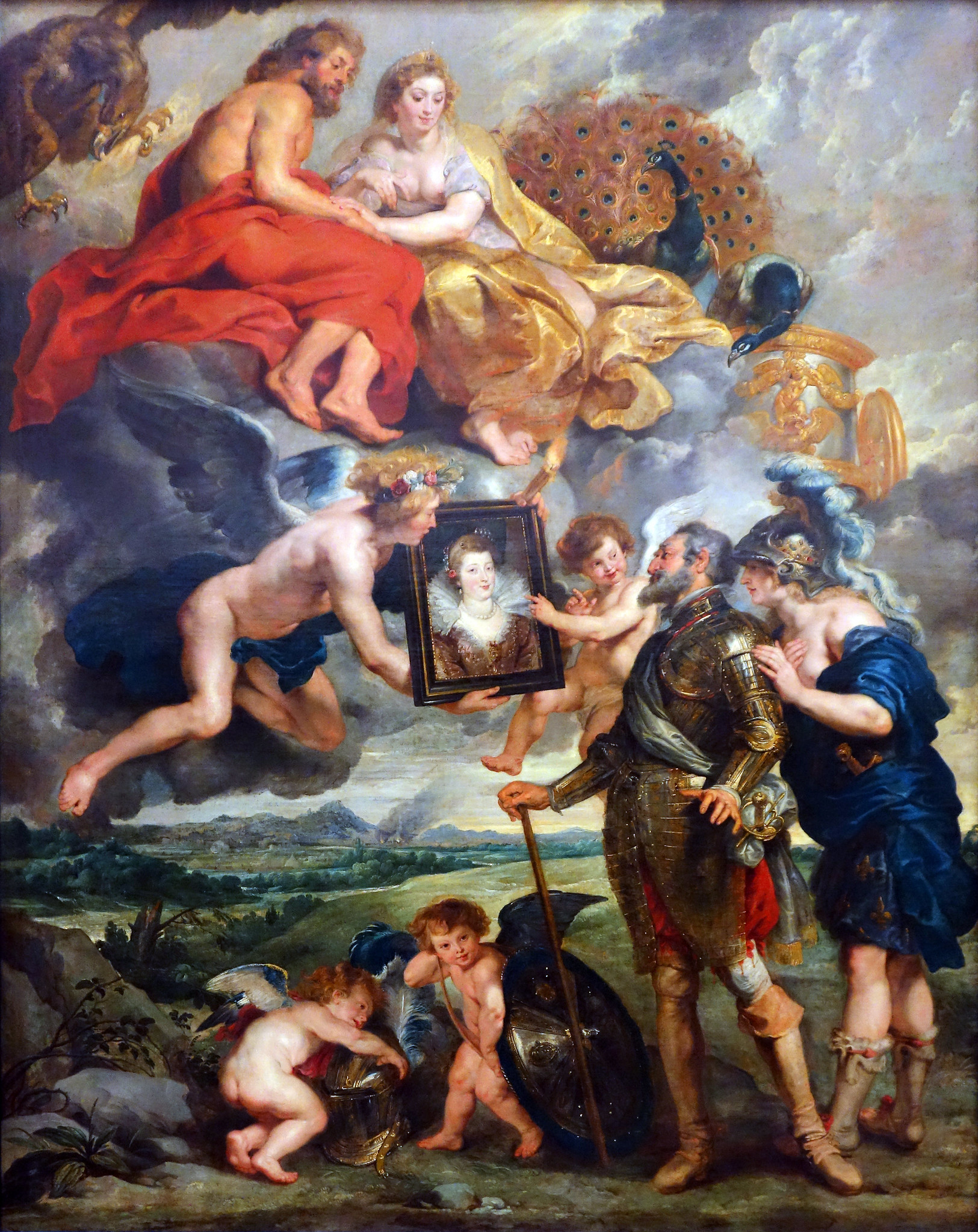
Peter Paul Rubens, Henri IV Receiving the Portrait of Marie De’ Medici, 1621-1625

Rembrandt van Rijn, The Anatomy Lesson of Dr. Nicolaes Tulp, 1632

Judith Leyster, Self Portrait, 1630

Pieter Claesz, Vanitas with a Violin and a Glass Ball, 1628

Clara Peeters, Still Life with Flowers, Goblet, Dried Fruit, and Pretzels, 1611

Clara Peeters, Still Life with Cheeses, Almonds, and Pretzels, c. 1615

Hyacinthe Rigaud, Louis XIV, 1701

Francois Boucher, Triumph of Venus, 1740

Jean-Antoine Watteau, Pilgrimage to the Island of Cythera, 1717

Jean-Honore Fragonard, The Swing, 1767

William Hogarth, The Marriage Contract, (from the series Marriage a la Mode) 1743-45

William Hogarth, Face-to-Face (Tete a Tete) from the series Marriage a la Mode, 1743-45

Joseph Wright, An Experiment on a Bird in the Air-Pump, 1768

Joseph Wright, Lecture on an Orrery, 1763-65

Jean-Antoine Houdon, George Washington, 1788-92

Jacques-Louis David, Oath of the Horatti, 1784

Jacques Louis David, Death of Marat, 1793

Benjamin West, The Death of General Wolfe, 1770

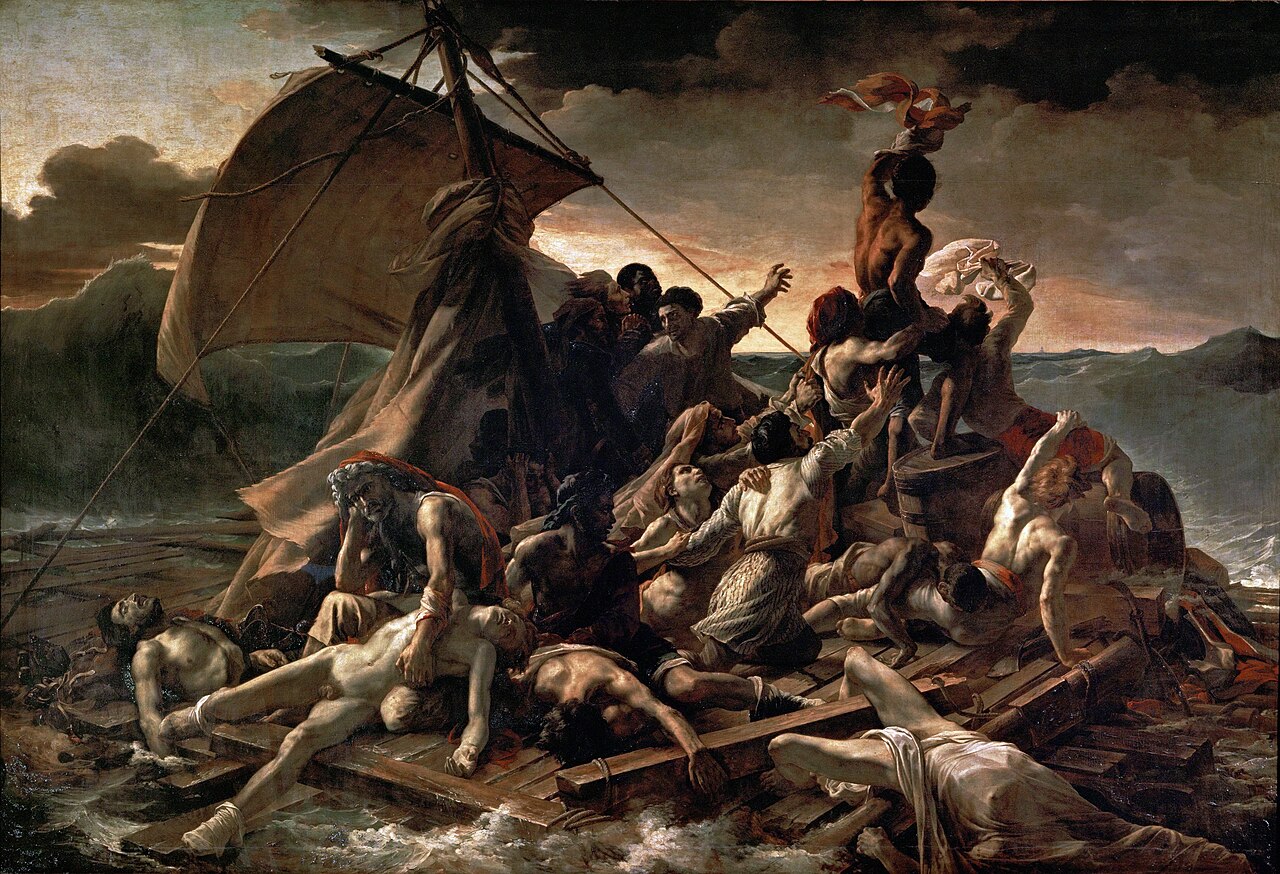
Théodore Géricault, Raft of the Medusa, 1818-19

Francisco Goya, The Sleep of Reason Produces Monsters from Los Caprichos, 1799

Thomas Cole, The Oxbow, 1836

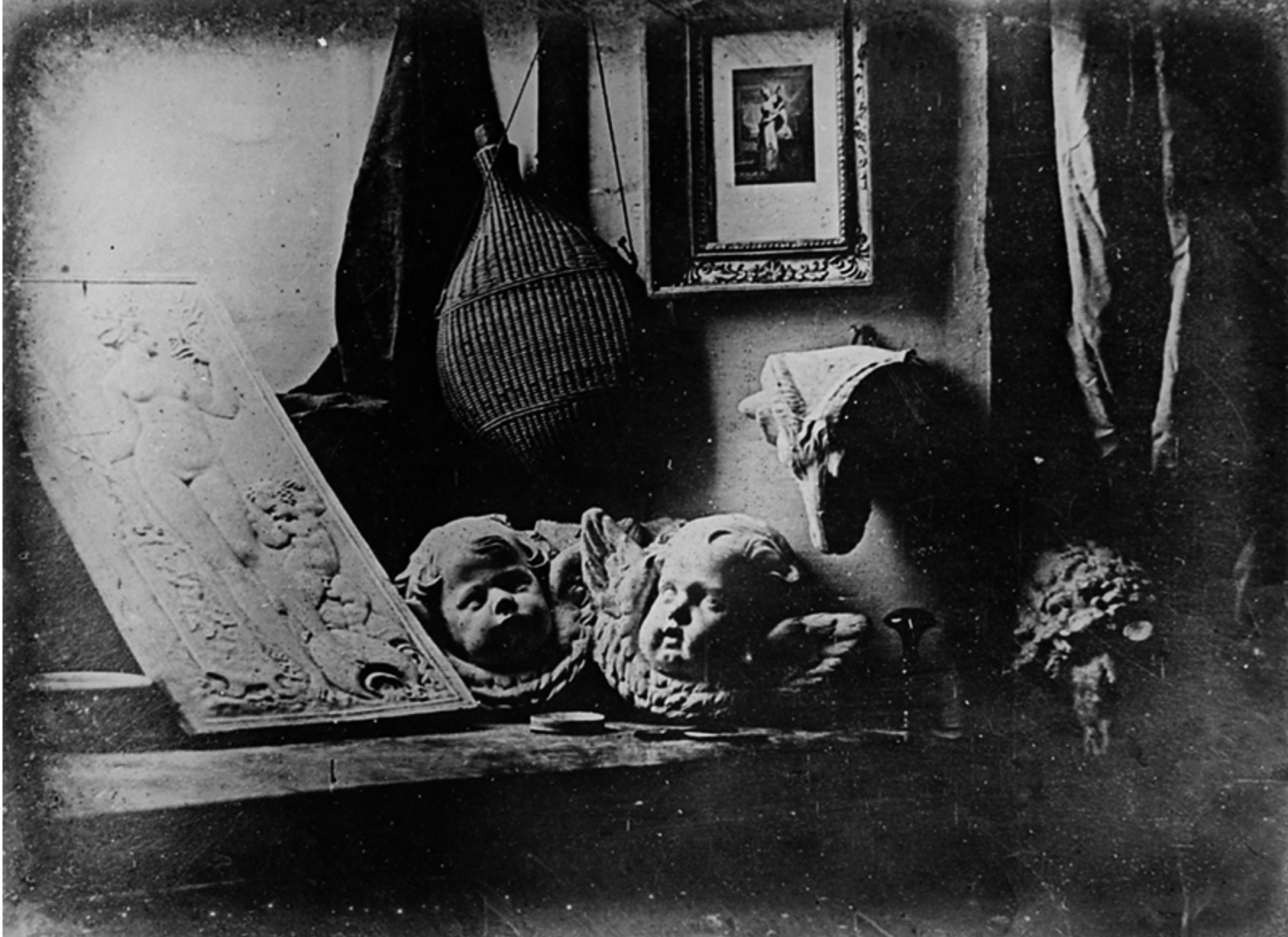
Louis-Jacques-Mandé Daguerre, The Artist’s Studio, 1837

Timothy O’Sullivan, The Home of the Rebel Sharpshooter: Battle Field at Gettysburg, 1863

Gustave Courbet, The Stone Breakers, 1849
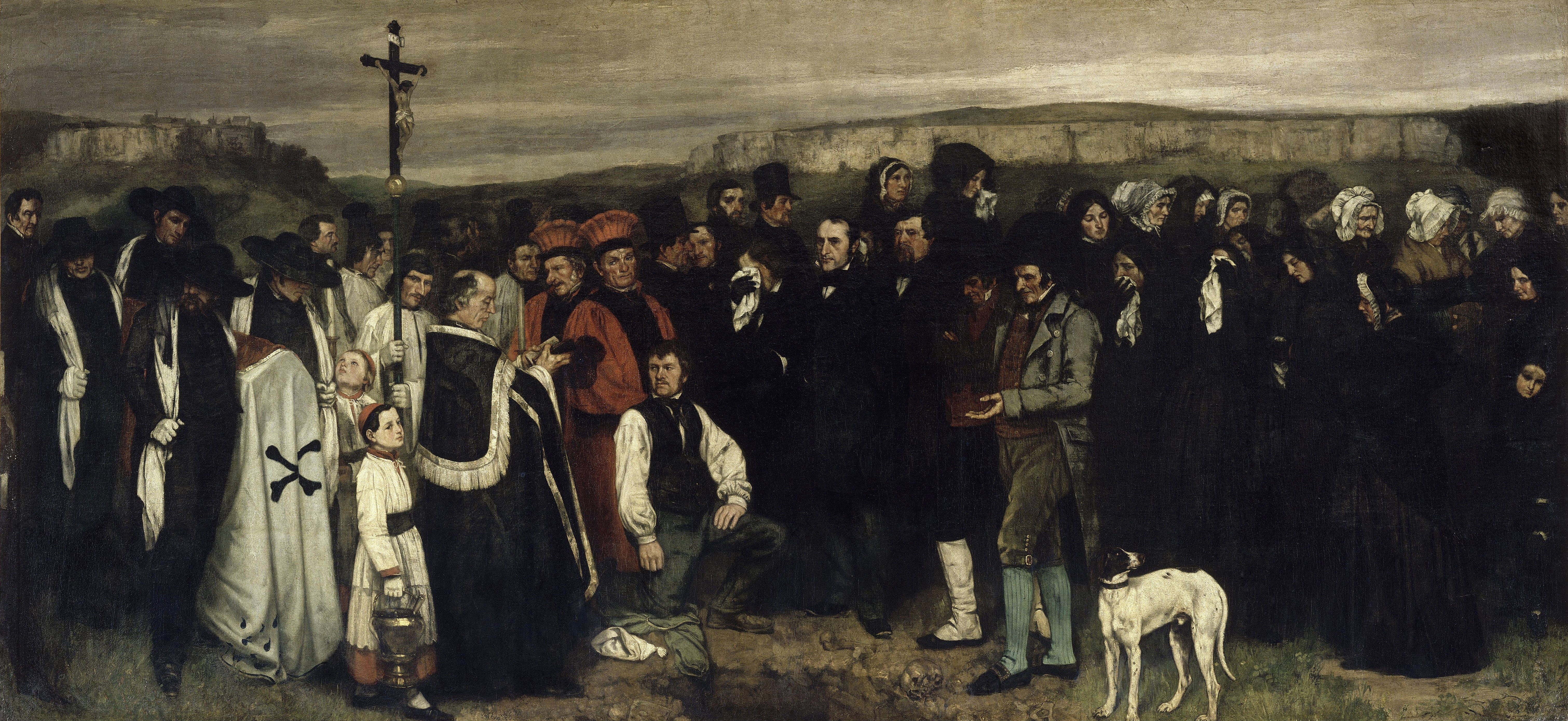
Gustave Courbet, A Burial at Ornans, 1849

Édouard Manet, Olympia, 1863

Édouard Manet, The Luncheon on the Grass, 1863
Mudéjar
A blend of gothic and Islamic design elements (ex. Colegio de San Gregorio, Valladoid, Spain, built c. 1498)

Baroque art
1600-1750; comes from “barroco” meaning irregularly-shaped pearl; emphasis on diagonals, dramatic light, rich colors, theatrical (ex. Gianlorenzo Bernini, Baldacchini, Saint Peter’s Basilica, Vatican, Rome, 1624-33)

Camera Obscura
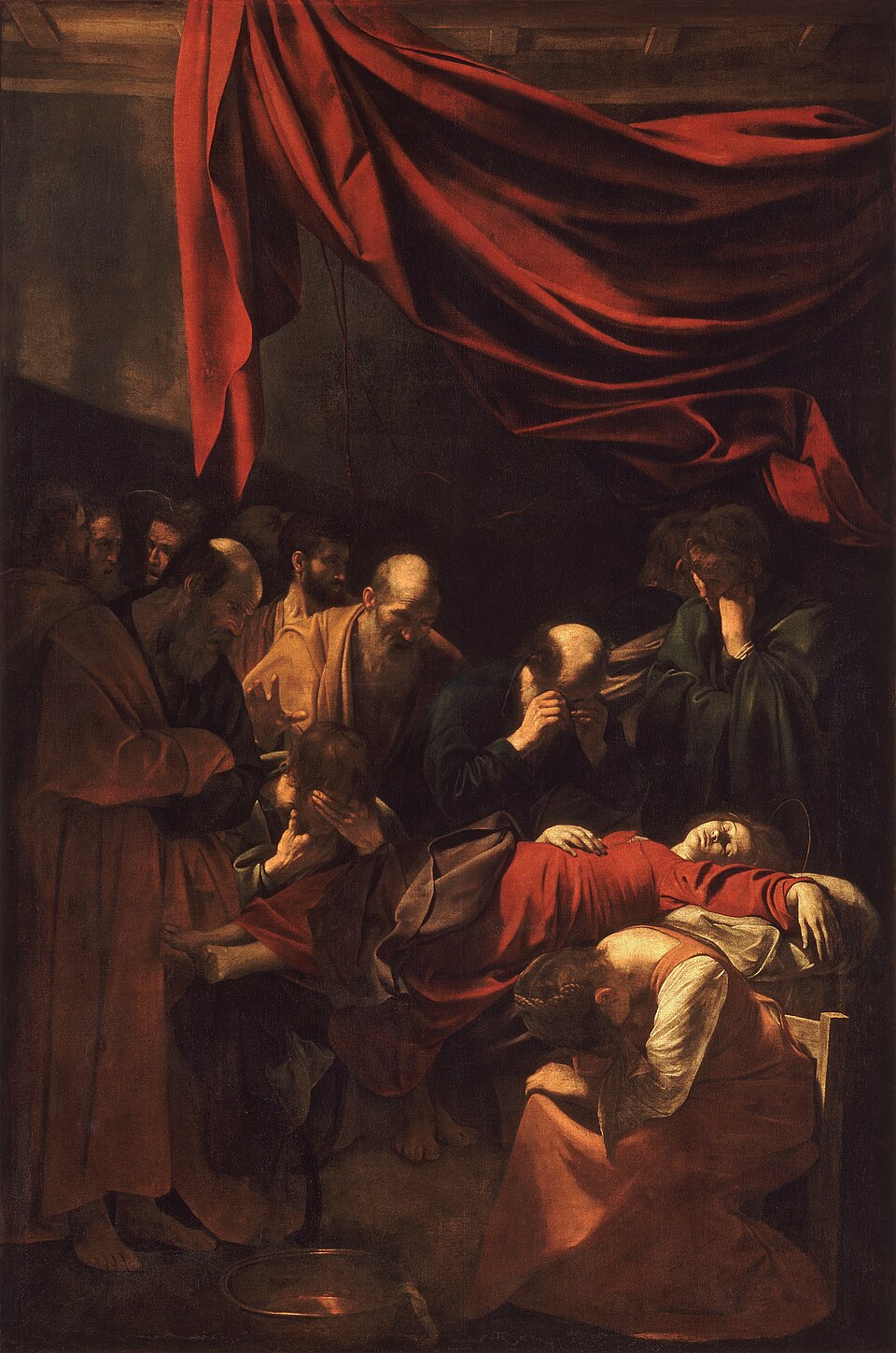
“dark room”; a room with a tiny hole in the wall wherre light would refract upside down. (ex. Caravaggio, Death of the Virgin, 1606)
vanitas
Paintings that act as a reminder of our mortality; originated from Ecclesiastes 1:2 “Vanity of Vanities, Saith the Preacher, Vanity of Vanities, all is Vanity” (ex. Phillipe de Campaigne, Vanitas, c. 1650)

Rococo art
1700-1785; Started after the death of Louis XIV; started in France and spread to Germany and Italy; extravagant art filled with gold white, putti, images of Venus, shells, sensuality; solely for aristocracy (ex. Germain Boffrand, Salon de La Princesse, Hotel de Soubise, Paris, France, 1735-39)

Enlightenment
18th century; the desire for scientific inquiry and the birth of the industrial revolution. (ex. Denis Diderot, Ecyclodeia (Classified Dictionary of Sciences, Arts, and Trades), 1745)

caprichos
caprice, whim, fantasy; from Romanticism and Spain; sketches that made fun of Catholics, but did so ambiguously. (ex. Goya, Los Caprichos, 1799)

fête galante
elegant parties; somewhat of a genre painting, a popular style at parties that kind of portrayed Venus. (Ex. Jean-Antoine Watteau, Pilgrimage to the Island of Cythera, 1717)

Neoclassicism
1750-1830; popular during the American Revolution; emphasized clarity of forms and message; no visible brushwork; classical influence; The antithesis of Rococo. (Ex. Jacques-Louis David, Oath of the Horatii, 1784-85)

“grand manner” history painting
History paintings that are made to be more grand and heroic than the real life counterpart. (Ex. Benjamin West, The Death of General Wolfe, 1770)

Romanticism
1790-1850; born from the trauma of the failures of the French Revolution; unfettered imagination, emotion, expression, interest in hybrid forms, grotesque, caricatures, social commentary. (ex. Theodore Gericault, Raft of the Medusa, 1818-19)
Daguerreotype
1837; a style of photography that produces a direct positive; uses metal; non-reproducible. (Ex. Louis-Jacques-Mandé Daguere, The Artist’s Studio, 1837)
wet collodion photography
1851; a style of photography that uses a liquid bonding agent that clots; you have to process it while wet; Negative capture capable of reproducing paper positives. (Ex. Albert Southworth and Josiah Hawes, Portrait of Albert, 1845-1850)

Realism
1840-1850; not about whether it looks realistic but whether it is realistic to life; looks towards the future. (Ex. Gustave Courbet, A Burial at Ornans, 1849)
