Human Anatomy & Phy 1 (Chapter 7: Skeletal System)
 Call Kai
 Learn
Learn Practice Test
 Spaced Repetition
 Match
Match Flashcards
 Knowt Play
1/10

There's no tags or description
Looks like no tags are added yet.
Name | Mastery | Learn | Test | Matching | Spaced | Call with Kai | Chat |
|---|
No analytics yet
Send a link to your students to track their progress
11 Terms
Skeletal System
The body system that consists of the bones and their associated skeletal cartilage.
How many bones does the human body have?
206 bones
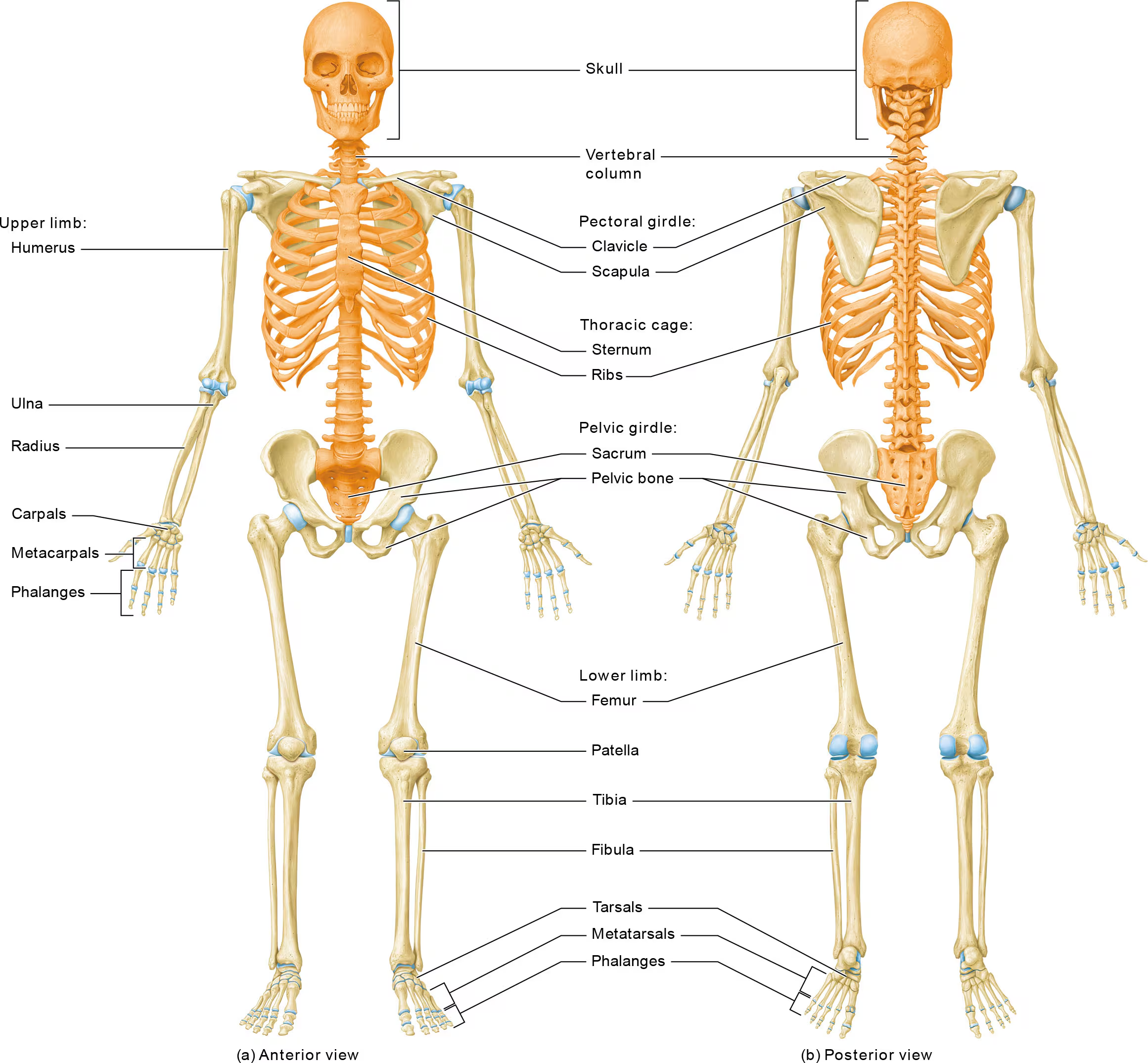
What are the basic parts of the skeleton?
Skull
Vertebral column
Thoracic cage
Pectoral girdle (clavical & scapula)
Upper limb
Pelvic girdle (ilium, ishium, pubis)
Lower limb
What are the 2 structural divisions of the skeleton?
Axial
Appendicular
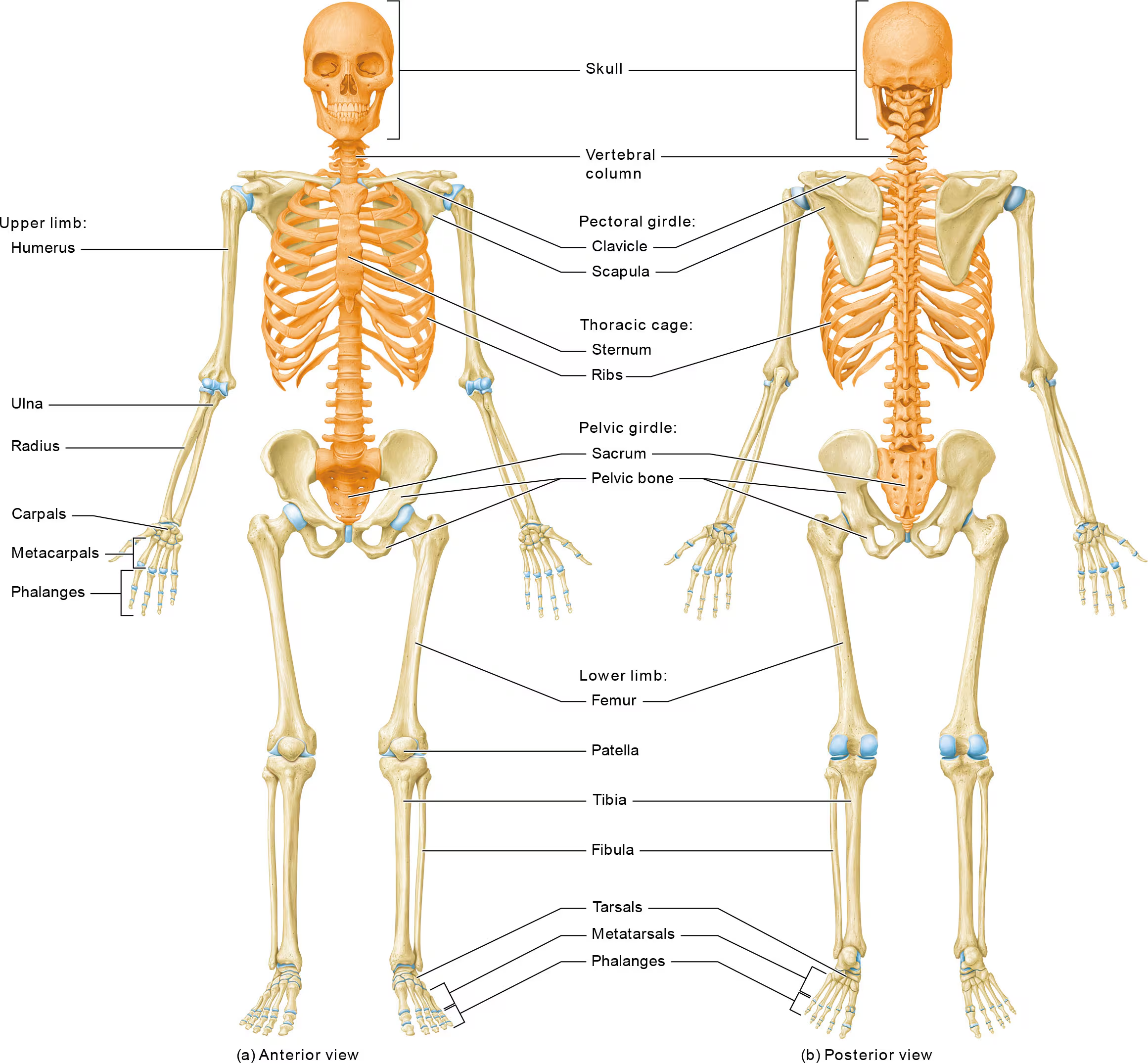
Skeleton Structural Divisions: Axial
Axial skeleton forms the longitudinal axis of the body
Consists of the bones of the skull, vertebral column, and the thoracic cage.
The bones of the axial skeleton are structured largely for protection, as they encase body cavities and protect the underlying organs.
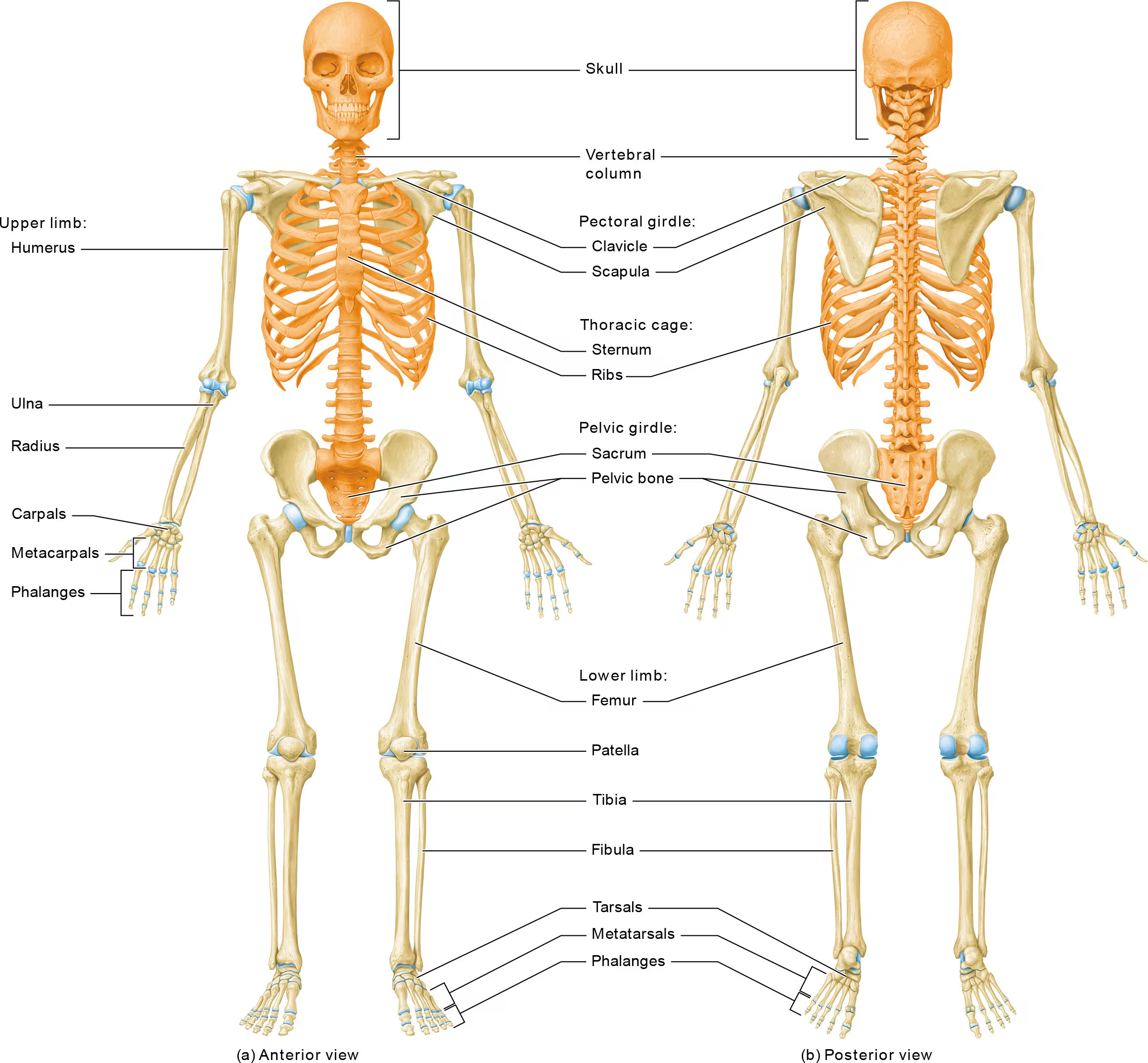
Skeleton Structural Divisions: Appendicular
Consists of the bones of the upper and lower limbs, pectoral and pelvic girdles
These bones are structured largely for motion and act primarily as levers and supportive structures to which muscles attach.
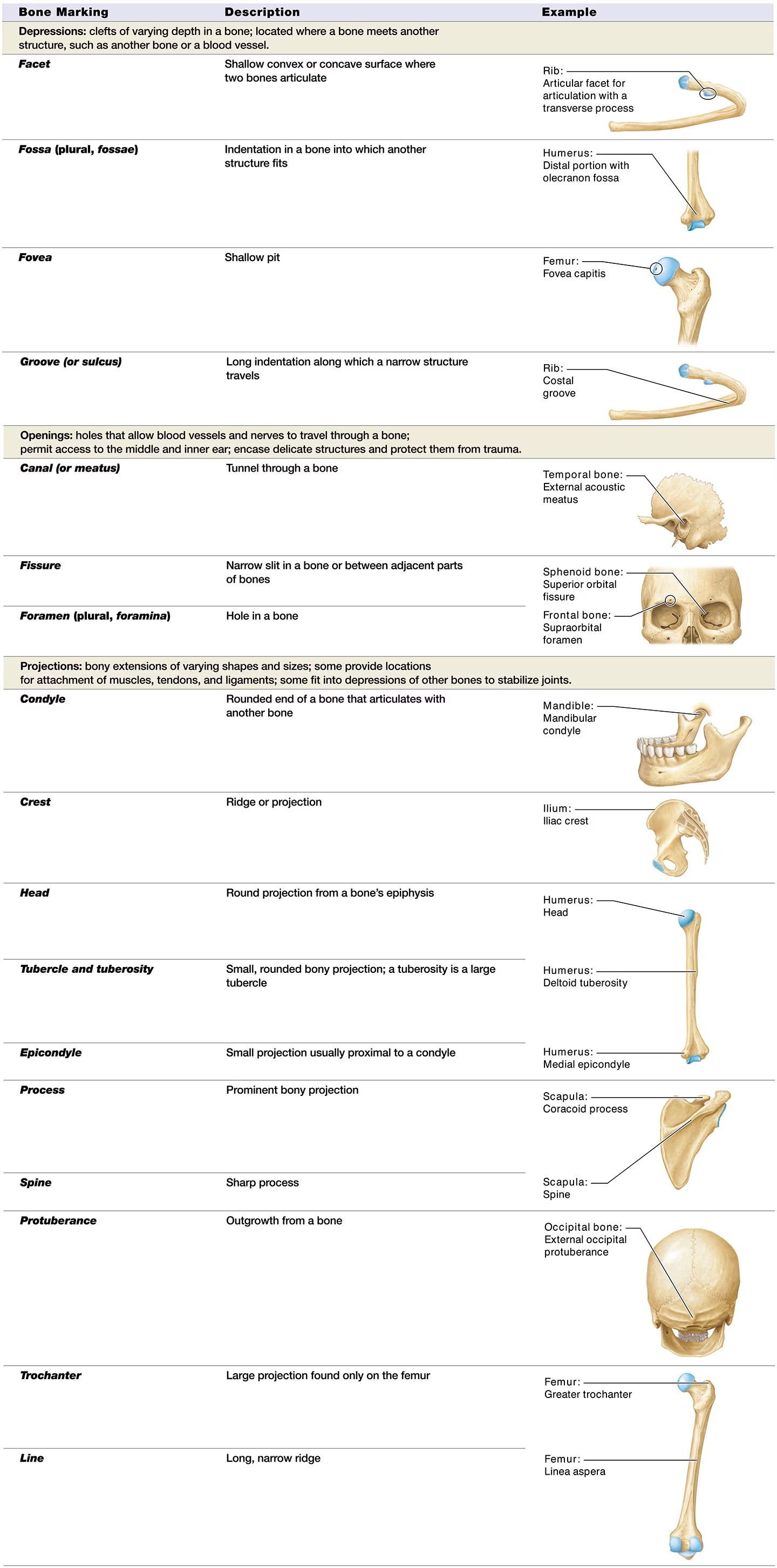
Bone Markings
Bones have a number of surface features: depressions, openings, and projections (collectively known as bone markings)
→ Depressions allow blood vessels and nerves to travel along the bone or provide a place where two bones can articulate (form a joint)
→ Openings enclose delicate structures and allow them to travel through bones
→ Projections provide sites to which ligaments and tendons attach or where bones articulate
What are the 2 groups of bones that consists of the skull?
Cranial bones (cranium and encase the brain)
Facial bones ( form the framework for the face)
Both groups also contribute to the bony structures that house the special sensory organs
Skull: 8 Cranial Bones
Four single bones:
→ Frontal, Occipital, Ethmoid, and Sphenoid Bones
2 paired bones
→ Temporal and parietal bones

Skull: 14 facial bones
Include the paired maxillary, zygomatic, nasal, lacrimal, palatine, inferior nasal conchal bones, as well as the unpaired mandible and vomer.
With the exception of the mandible, all skull bones are united in adults by immovable joints called sutures.
Sutures
A fibrous joint, structurally and a synarthrosis functionally that is found between the bones of the skull.