Exam 2 Material (Plantae, Algae, Fungi)
 Call Kai
 Learn
Learn Practice Test
 Spaced Repetition
 Match
Match Flashcards
 Knowt Play
1/34

There's no tags or description
Looks like no tags are added yet.
Name | Mastery | Learn | Test | Matching | Spaced | Call with Kai | Chat |
|---|
No analytics yet
Send a link to your students to track their progress
35 Terms
All plantae subgroups are descended from a common ancestor that engulfed a…..that lead to…
Cyanobacterium, chloroplast
Algae are..
polyphyletic
Green algae traditionally protists but;
they are the closet living relatives to land plants and transition from aquatic to terrestrial when land plants split with green algae
Plantae (Glaucophyte algae)
Either unicellular or colonial. Live as plankton or attached. Only asexual reproduction. Chloroplasts with distinct bright blue-green color
Plantae - Red Algae (Rhodophyta)
Diverse marine habit. Phycoerythrin.
Green Algae
Unicellular, colonial, multicellular. Marine, freshwater, or moist terrestrial. Cellulose cell walls, supported by water
Similarities between green algae and plants
Chloroplast, thylakoid arrangements, cell walls, sperm, peroxisomes
Most closely related to land plants
Charophyceae (stoneworts) - multicellular and live in freshwaters
Pros of terrestrial life for plants
Light availability, CO2, niches
Cons for terrestrial life for plants
water loss, UV damage, physical support
Hepaticophyta
Cuticle for protection; thin ; asexual or sexual reproduction
Bryophyta (Moss)
woods. dry without dying. lack of vascular tissue = remaining small.
First vascular tissue
cell wall from cellulose, tracheids (structural support with lignin), multicellularity, vessel elements (separate conducting and supp0orting roles)
seedless plants (ferns, horsetails)
vascular tissue; spores but not seeds.
seed plants
vascular tissue. make seeds.
layer of seed
embryo, nutritive tissue, tough protective layer
gymnosperms (cone forming) five groups
ginkgophyta (ginkgoes) ; cycadophyta (cycads) ; cupressophyta ( redwoods, junipers, and yews ) ; pinophyta ( pines, spruces, firs) ; gnetophyta (gnetophytes)
Angiosperms
Flowering plants. The first of their kind.

Microsporidia
All are parasites of animal cells. (Fish insects, humans)

Chytrids
Aquatic ; Fresh water. The only fungi that produce motile cells — both their spores and gametes swim via flagella. Most exhibitalternation of generations. Some are parastitic.

Zygomycetes
Food molds. Live on plant debris. Grows on breads and soft fruits.
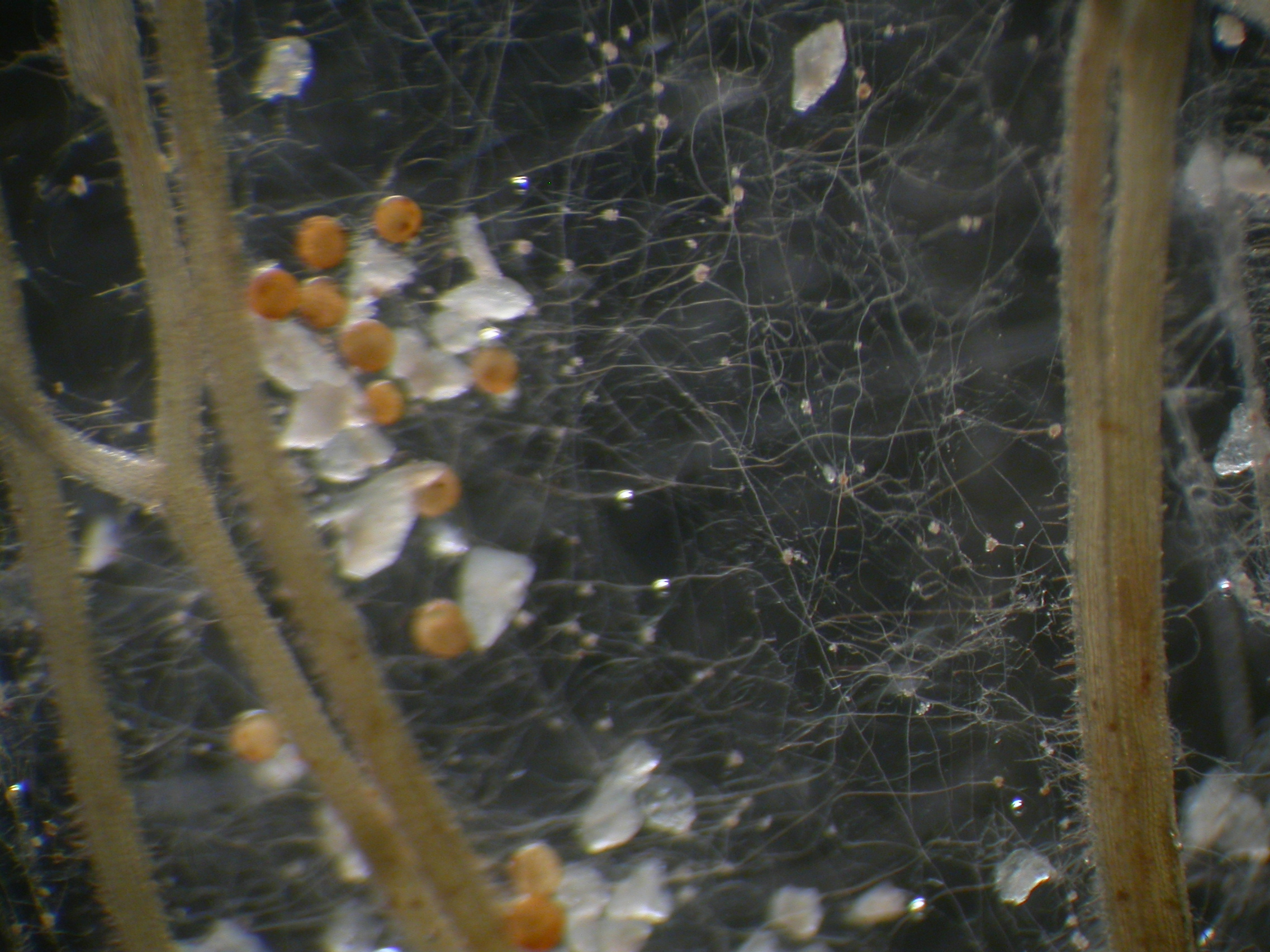
Glomeromycetes
Mutualistic associations w/ plant roots in the form of arbuscular mycorrhizal fungi.
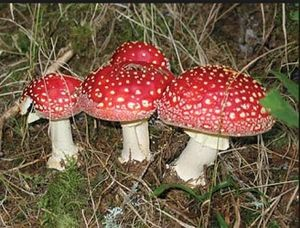
Basidiomycota
Mushroom, boletes, stinkhorns, puffballs, bbrackets. Decompose wood by producing lignin. Produce haploid spores in club-shaped basidia

Ascomycota
Morels, truffles, yeasts, cup fungi, lichen-forming fungi. Lichens are often sensitive to air pollution and are used as bioindictators.
Amoebozoa
Lack cell walls. Take in food by engulfing. Manpulitate body form to move ( squish). abundant in freshwater + wet soils. Some are parasitic. Single cell that contains many nuclei.
plasmodial slime molds
Lobose Amoebae
Cellular Slime molds
Opisthokonta.
Single flagellum.
Fungi
Animals
Choanoflagellates (protists)
Excavata
Feeding groove. Lack mitochondria, but have the genes.
Parabasalids, in animals and often mutualists.
Diplomonads, anaiml guts or water. some parasitic some predatory
Euglenids, freshwater and marine. eyespot. some photosynthesize, some eat others.
Rhizaria
Single-celled amoebae lacking cells walls. Shell-like coverings.Mulitple nuclei. Mitosis or meiosis.
Alveolata
Flattened memebrane-bound vesicles under plasma memebrane. Unicellular.
Ciliates, filter feeds, predators, parasites. Cilia to swim, two nuceli
Apicomplexans, all parasitic, lack cilia, flagella (malaria)
Dinoflagellates, flagella unique, photosynthetic (algae)
Stramenopila
Unique flagella. Acqwuired chloroplasts through secondary endosymbiosis.
Water molds, irish potato famine
Brown algae (kelp) all multicellular, sessile and attached
Diatoms, unicellular, silicia shell are photosynthetic and planktonic
Mycelium
Main body form of fungi.
Hyphae
Single-cell-thick, tubular filaments that grow and branch out to search for food and water.
Zoosporangia
an asexual spore-case or structure produced by certain plants, algae, fungi, and protists in which motile swimming spores, called zoospores, develop
Lichen
a unique, composite organism formed by a symbiotic relationship between a fungus and an alga or cyanobacterium. where a fungus provides structure and protection, while the algal or bacterial partner performs photosynthesis to provide food.