Exam 2- OCEAN 100
 Call Kai
 Learn
Learn Practice Test
 Spaced Repetition
 Match
Match Flashcards
 Knowt Play
1/103

There's no tags or description
Looks like no tags are added yet.
Name | Mastery | Learn | Test | Matching | Spaced | Call with Kai | Chat |
|---|
No analytics yet
Send a link to your students to track their progress
104 Terms
What are the two features of an atom?
nucleus, electrons

What is 1?
Nucleus
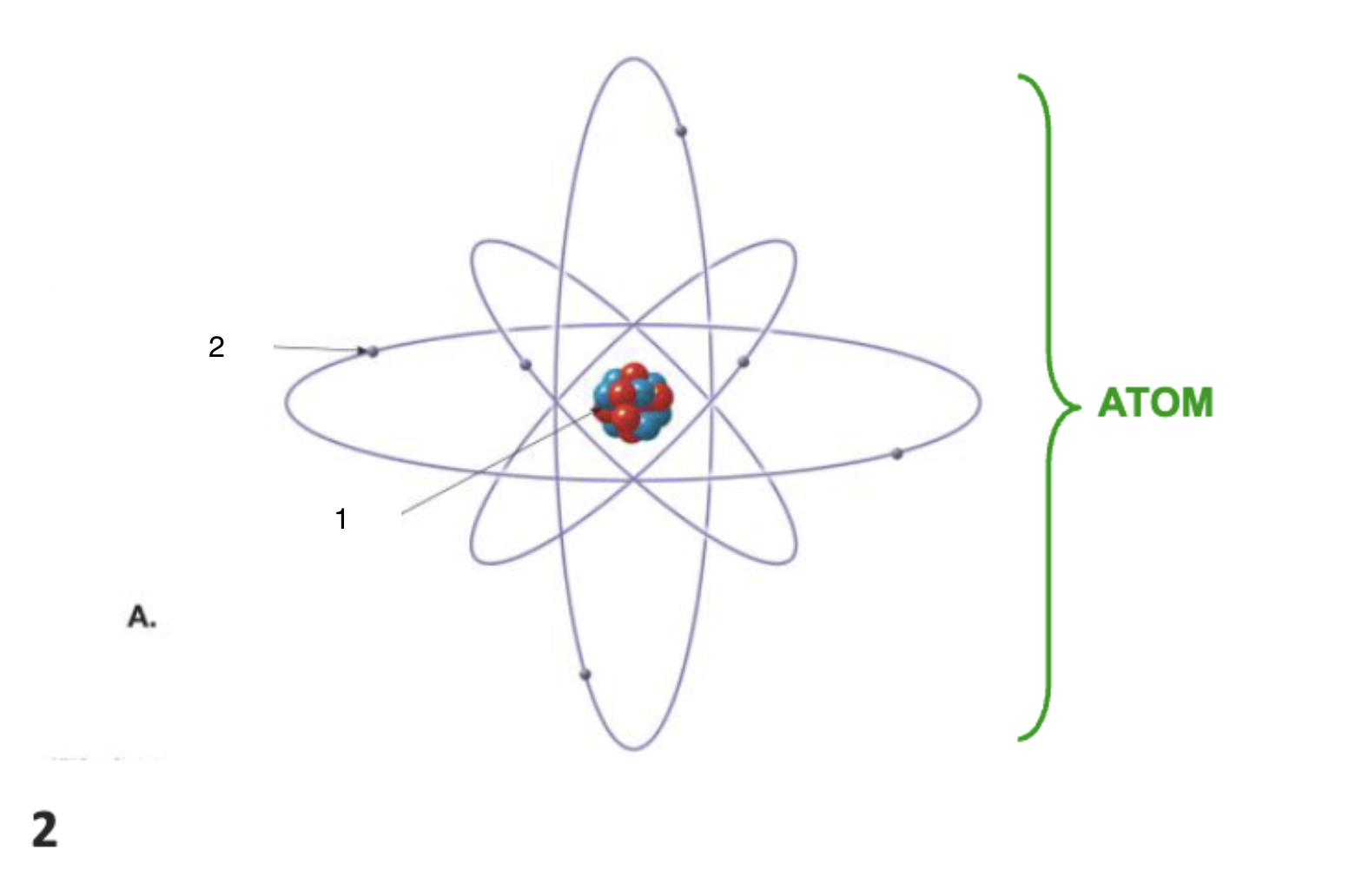
What is 2?
Electrons
What makes up the nucleus?
Protons and Neutrons
What is an ion?
Atom electrically charged
What is a molecule?
Atoms held together by chemical bonds
What are the atoms of a water molecule? (name and amount)
1 oxygen and 2 hydrogen
What is the charge of oxygen?
Negative
What is the charge of hydrogen
Positive
How much electrons does oxygen have on its outer shell and how much does it want?
6 electrons
wants 8 (wants 2 more)
How much electrons does each hydrogen have on its outer shell and how much does it want?
Each have 1 electron
They both want 2 electrons (1 more each)
What is a covalent bond?
Sharing electrons between oxygen and hydrogen
Where do covalent bonds occur?
Inside one molecule
What are hydrogen bonds?
Inter-molecular bonds that connect water molecules together
What 2 important features of water does hydrogen bonds lead to?
Cohesion and Surface Tension
What is the bond angle of a water molecule?
105 degrees
What does it mean that H2O is a polar molecule?
The molecule has a slight positive charge on one end and a slight negative charge on the other end
What does the hydrogen end attract?
It attracts the negative charge of something else
What does the oxygen end attract?
It attracts the positive charge os something else
Why is water called the universal solvent?
The polarity of the water molecule allows water to dissolve just about anything, given enough time
What is Salt made of and what are the charges?
Sodium (+)
Chloride (-)
How does water dissolve salt?
Hydrogen takes away chloride
Oxygen takes away Sodium
When water evaporates, what does it leave behind? What is the result on land?
Salt
Salt can get encrusted on shores
What must you do to water to make it change phases?
Add heat energy or remove heat energy
What are the three phases of water?
Ice (Solid)
Water (Liquid)
Vapour (Gas)
What do the bonds look like for the ice phase?
All molecules hydrogen bonded ans six-sided
What do the bonds look like for the water phase?
Most molecules are hydrogen bonded
What do the bonds look like for the vapour phase?
None of the molecules are hydrogen bonded
What is heat capacity?
The amount of heat required to raise temperature of 1gm of a substance by 1 degrees Celsius
What has the highest heat capacity of any substance?
Water
What does it mean that water has a high heat capacity?
It requires a lot of heat to change temperature
Does it take a short or long time for water to heat up?
A long time
Does water store and release a lot or only a small amount of heat?
A LOT
What is thermal inertia?
Because of hydrogen bonds, water takes a lot of heat energy to heat up
What moderates the climate?
Oceans
Does the ocean have extremes or is it relatively stable?
Relatively stable
What has a larger temperature range, ocean or land?
Land
When it is hot, why is the sand hot but not the ocean?
Because sand has a low heat capacity while ocean has a high heat capacity
What has a larger temperature range, land or ocean?
Land
How does temperature affect density?
As temperature decreases density increases
How does salinity affect density?
As salinity increases density increases
What happens to cold, salty water because of gravity?
It sinks
Where do cold salty waters sink?
At high latitudes (polar/ subpolar regions)
What is downwelling?
Water at surface sinks down
Where is a major cause of downwelling?
Weddell Sea, Antartica
Why is Weddell Sea a major cause of downwelling?
Major ice formation so water is always sinking
At what temperature is density the highest?
4 deg C
Why does ice float?
Because it is less dense
What happens to density once it is less than 4 degrees C?
Water becomes less dense
What temperature is freezing point?
0 degrees celsius
Why is ice less dense?
There is more space, molecules are farther apart, so there is less mass per same volume
What is salinity?
Total amount of dissolved solids (ions) in water
What is the average percentage of salinity of seawater?
35%
What are the most abundant ions in water? What is that combination called?
Chloride, sodium
combined is salt
At what degree latitude is the highest salinity?
At 30 degrees latitude
What sea has a high salinity?
Mediterranean Sea
Where is surface salinity highest? At which conditions of precipitation? Why?
Surface salinity is highest where precipitation is lowest since the rain dilutes salinity
What two things can dilute salinity on Earth?
Rain and Rivers
What is the salinity at high latitudes?
Low salinity
Why is the salinity low at high latitudes?
High precipitation, river runoff, low evaporation, melting iceburgs
What is the latitude of subtropical regions?
About 30 degrees latitudes
What is the salinity at subtropical latitudes?
High salinity
Why is there high salinity at subtropical latitudes?
High evaporation, low precipitation, low runoff
What is the salinity at the equator?
Salinity is in between
Why is the salinity at the equator in between?
High evaporation and high precipitation
Would you float or sink in the Baltic Sea and why?
Sink because the water is not salty
Would you float or sink in the Dead Sea and why?
Float because the water there is very salty
How long ago did the Mediterranean Sea dry up?
5 million years ago
How is it known that the Mediterranean Sea dried up?
Deep canyons and layers of solid rock salt found underneath
What was blocked from the Mediterranean Sea? What does it cause?
Entrance to the Atlantic, causes higher salinity
What is the latitude of the Mediterranean Sea?
35 degrees
What is the salinity of the Mediterranean Sea? (range)
38-39%
What are the three most abundant sources of salts/ions?
continental rocks, volcanic activity, hydrothermal vents
What is the removal mechanisms for ions?
subduction zones
What are the three density structure layers of the oceans? (in order)
Surface Layer
Thermocline
Deep Zone
What is the most dense layer of the ocean
Deep ocean
What is the least dense layer of the ocean?
Surface layer
What is the depth of the surface layer?
0-200 meters
What are the two features of the surface layer?
Mixed warm layer
Driven by surface motion (currents, waves)
What is the depth range of the thermocline layer?
200 m - 1,000 m
What is special about the temperature in the thermocline?
The temperature rapidly decreases with depth, the further the cooler
What is the depth range of the deep zone?
1,000 m - 4,000 m
How would you describe the water in deep zones (4 features)?
Dark, cold, salty, and dense waters
What is the exception of deep zone features?
Hydrothermal vents
In what waters do thermoclines exist?
Tropical and temperate waters
Where are thermoclines absent?
At the poles :3
Why is thermocline absent at the poles?
Because of downwelling where cold, salty waters are sinking
What is thermal expansion?
When the molecules are more spread apart because of warmer waters
What is thermal contraction?
When the waters are more condensed because of colder waters
What is the sound transmission of water?
Really fast
Does ice contract? Why or why not?
It does not contract because there is a lot of space between molecules
What is the finger of death?
Ice that is filled with so much salt that gravity pulls it down killing creatures on the sea floor