Biochem Ch 8
 Call Kai
 Learn
Learn Practice Test
 Spaced Repetition
 Match
Match Flashcards
 Knowt Play
1/51

There's no tags or description
Looks like no tags are added yet.
Name | Mastery | Learn | Test | Matching | Spaced | Call with Kai | Chat |
|---|
No analytics yet
Send a link to your students to track their progress
52 Terms
nucleic acid functions
store info (DNA), transmit info (mRNA), protein synthesis (tRNA, rRNA), process pre-mRNA
nucleotide functions
energy for metabolism (ATP), coenzymes (NAD+), signal transduction (cAMP)
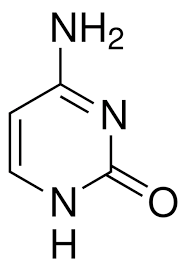
cytosine

thymine
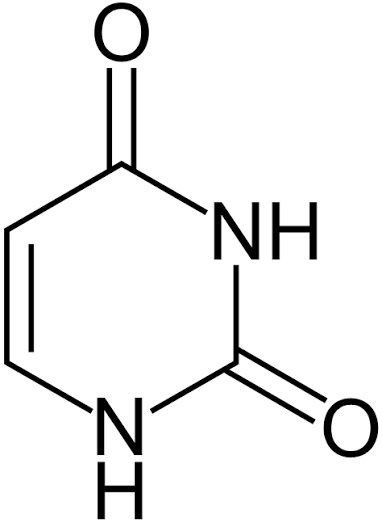
uracil

adenine
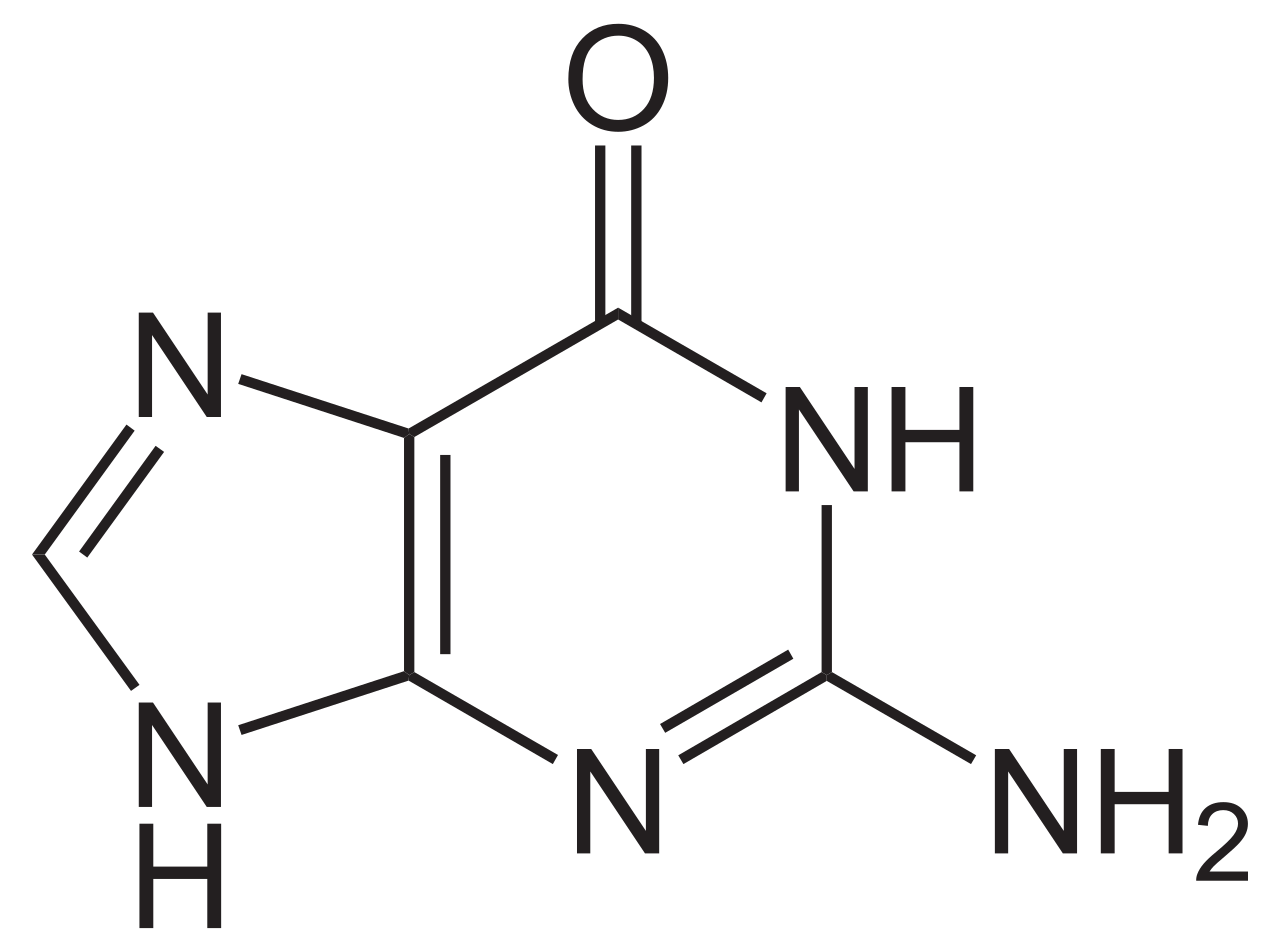
guanine
structures and properties of nitrogenous bases (4)
nitrogen aromatic amines, planar, absorb UV light (260 nm peak), good H bond donors and acceptors
how to determine nucleotide purity
absorbance at 260 nm - 280 nm
nucleobases
nitrogenous base only
nucleosides
nitrogenous base and pentose sugar
nucleotides
nitrogenous base, pentose sugar, and phosphate
nucleoside names
(deoxy)adenosine, guanosine, cytindine, thymidine, uridine
ribose vs deoxyribose
OH vs H on 2’ carbon
prime carbons
in the sugar (normal is in base)
glycosidic bond
bond between base and sugar
conformation of nucleotide favored in DNA
anti conformation (allows more interactions/ H bonds)
how DNA is read
5’ to 3’
phosphodiester bonds
connect nucleotides in phosphate backbone (3’ and 5’ OH)
type of reaction that forms phosphodiester bonds
condensation reaction (between two OH groups)
oligo and poly nucleotides
short and long chains of nucleotides
charge on backbone
negative
RNA structure
single stranded; can adopt 2 and 3 structures by interacting with self (ex. hairpin loops)
number of H bonds between A and T/U
2
number of H bonds between G and C
3
number of H bonds between G and U (soemtimes formed)
2
RNA in basic conditions
faster breakdown
rapid hydrolysis (RNA)
2’ OH group makes RNA unstable (breaks down on its own)
enzaymatic RNA (RNases)
very reactive, very stable (tight cross links); can catalyze reactions
base stacking
bases (planar) in DNA stack together through hydrophobic interactions and van der Waals forces
cause of major and minor grooves
sugar phosphate backbones are not equally spaced along the helix
benefit of major groove
allows specific protein-DNA interactions; can fit an alpha helix from a protein
why additional forms of DNA helix exist
conformational variations of sugar residues, orientations of planes of the bases between the two strands
A form (DNA)
right handed helix, more base tilt (twisted), bases cluster toward backbone
B form (DNA)
right handed helix, mostly planar, bases cluster toward middle
Z form (DNA)
left handed helix, mostly planar, bases cluster toward middle, zigzag backbone
major DNA conformation
B form
what makes melting temp higher in DNA
higher G+C content
hyperchromic effect
allows monitoring of denaturing/renaturing by looking at UV light absorption (closer bases don’t absorb as well)
DNA denaturation process (simple)
high temp/pH causes strands to separate (no covalent bonds broken)
Annealing process (combining strands)
normal temp/neutral pH causes a slow alignment of DNA strands, then quick rebuilding when lined up
factors that cause DNA strands to break (become ssDNA)
disruption of hydrogen bonds via temp, pH, or ionic strength
absorption when DNA is heated (above 80 C)
UV absorbance increases 30-40% (due to strands separating)
hyperchromic shift (purpose; think of other cards)

reflects unwinding of DNA double helix
what happens when temp is lowered
absorption drops (because strands renature)
factors affecting DNA denaturation (and Tm)
DNA length (longer DNA has higher Tm), pH and ionic strength (high salt increases Tm- charges from salt stabilize neg backbone), GC content
Tm
midpoint of melting
Tm if everything is the same
Tm depends on base composition; high CG increases it
cancer cell sensitivity
more sensitive than normal cells to inhibitors of making nucleotides
analogs of glutamine
used to synthesize nitrogenous bases (converted to purines w an enzyme)
azaserine
a drug that inhibits (competitively) enzyme in purine synthesis
truvada
inhibits reverse transcriptase