Measurement Systems: The Metric System
 Call Kai
 Learn
 Practice Test
 Spaced Repetition
 Match
 Flashcards
1/15

Earn XP
Description and Tags
Vocabulary practice flashcards covering basic units, numerical prefixes, and conversion rules of the metric system.
16 Terms
The Metric System
The most widely used system of measurement in the world, which is based upon powers of ten and forms named multiples and fractional parts by adding prefixes to basic units.

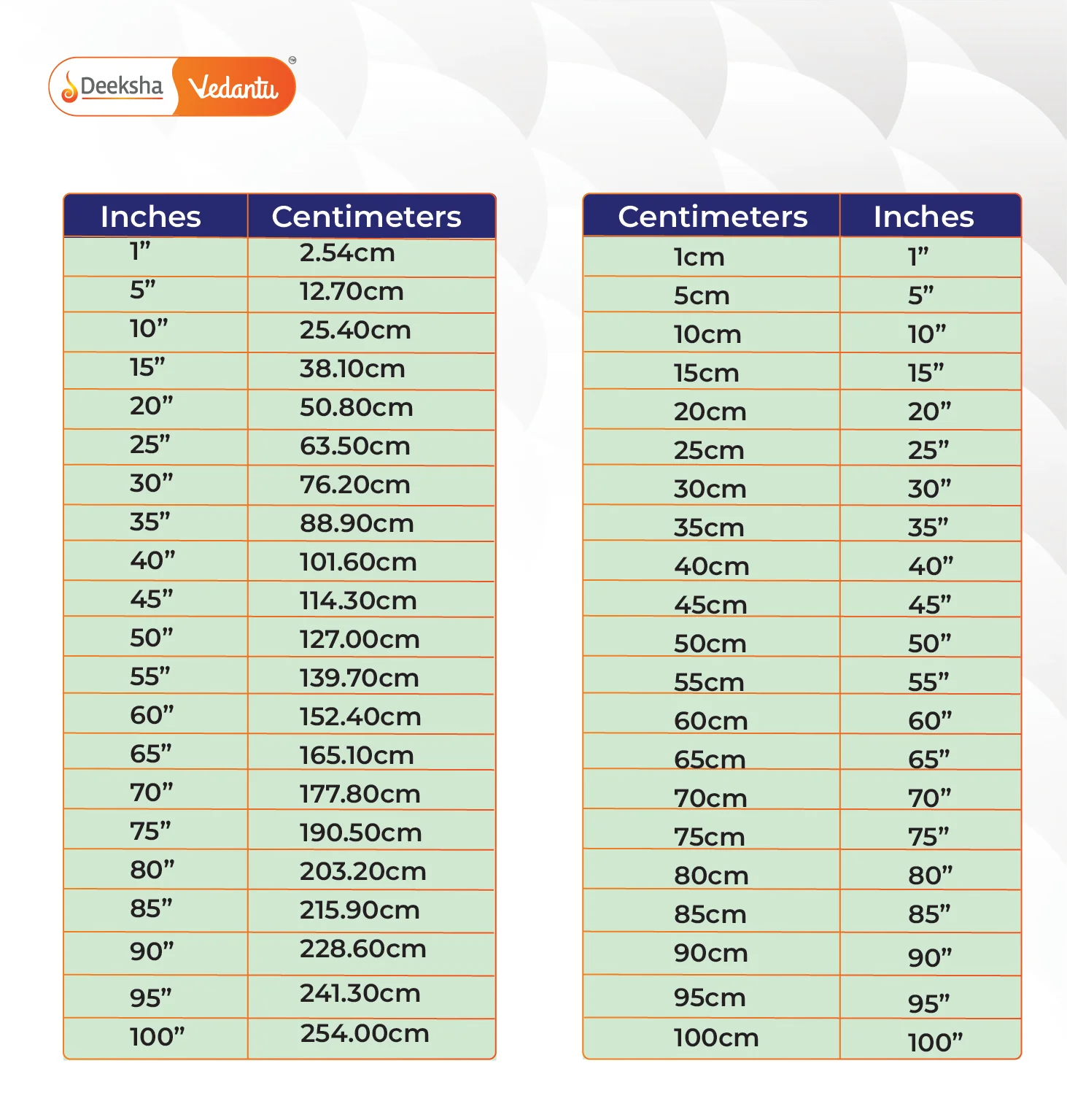
Meter
x1.09 for yards x 39.4 for inches
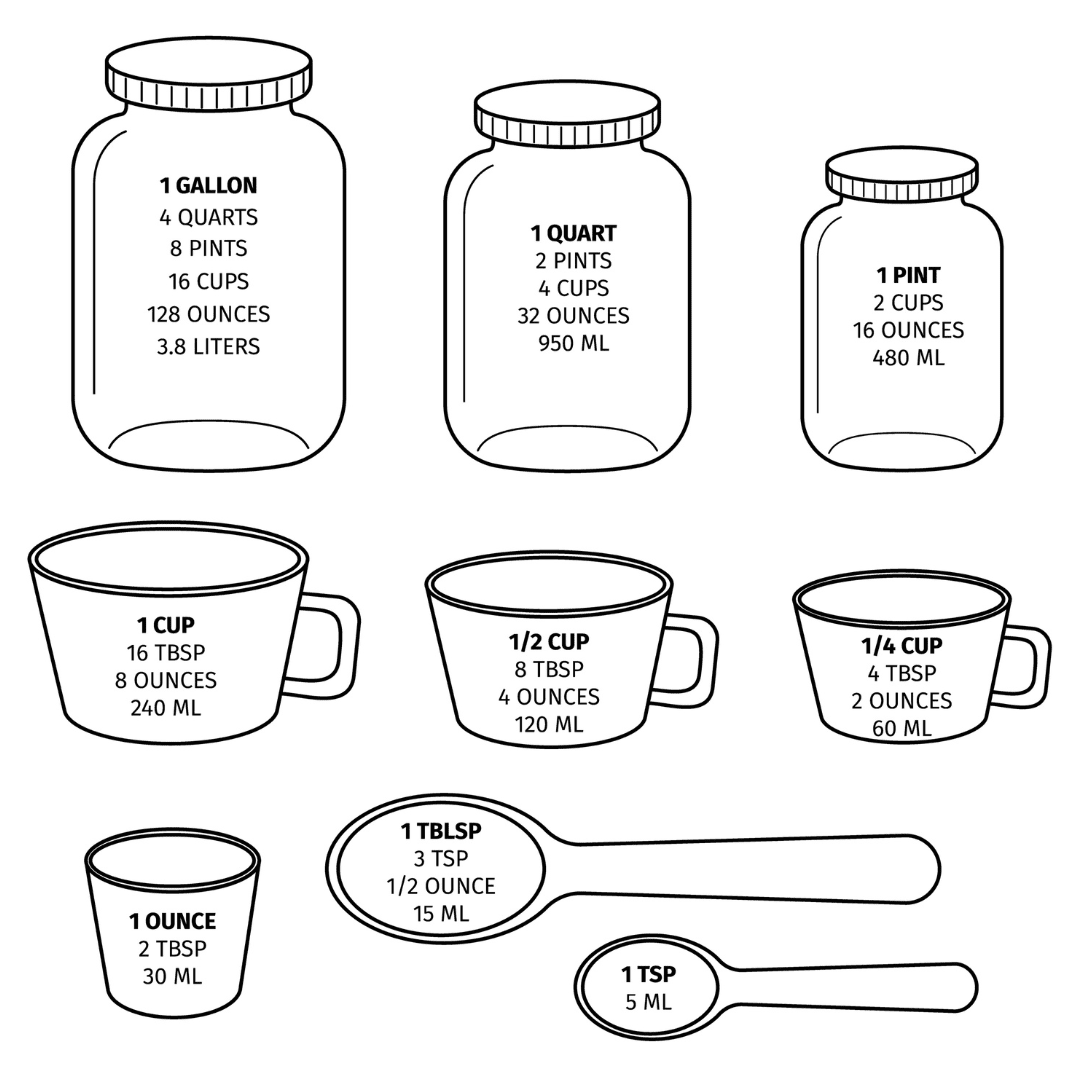
Liter
1 cup = 237 ml
1 fl oz = 30 ml
1 tsp = 5 ml
1 pint = 473 ml
1 qt= 946 ml
1 gal= 3.785 L
1 Tbs= 15 ml

Gram
The basic metric unit of measurement for mass (weight), abbreviated as g.
Mega-
A metric prefix representing a million (1,000,000 or 106), abbreviated with a capital M.
Kilo-
A metric prefix representing a thousand (1,000), abbreviated as k.
Hecto-
A metric prefix representing a hundred (100), abbreviated as h.
Deka-
A metric prefix representing ten (10), abbreviated as dk (with variations such as dam, dag, and dal).
Deci-
A metric prefix representing one tenth (0.1 or 101), abbreviated as d.
Centi-
A metric prefix representing one hundredth (0.01 or 1001), abbreviated as c.
Milli-
A metric prefix representing one thousandth (0.001 or 10001), abbreviated as m.
Micro-
A metric prefix representing one millionth (0.000001 or 1061), abbreviated as H or u.
Nano-
A metric prefix representing one billionth (0.000000001 or 1091).
Pico-
A metric prefix representing one trillionth (1×10⁻¹² or 10121), abbreviated as P.
Metric Conversion Decimal Rule
The rule stating that converting from one metric unit to another involves moving the decimal point the same number of 'steps' in the same direction as it takes to get from one unit prefix to the other.
Unnamed Metric Steps
The two unnamed units located between mega- and kilo-, milli- and micro-, micro- and nano-, and nano- and pico- that each count as distinct steps during conversion.