weight management workshop
 Call Kai
 Learn
 Practice Test
 Spaced Repetition
 Match
 Flashcards
 Knowt Play
1/49

There's no tags or description
Looks like no tags are added yet.
50 Terms
why should there be an intiail consultation
identify any comorbidies or medical reasons for weight gain
what diets can be used for weight loss
reduction diets
metabolic diets
combination diets → weight loss and joint support
what should you do if there is a comorbidity that already exists
use a diet to support this over the weight loss diet
consult the makers ad can have a plan for this
if its a staight forward weight loss what should you do
perform initial exam
weight
bcs
mcs
measurments
photos
talk to the o about the weight loss programme
how do you calculate an initial target weight
depends on the bcs
if 6/9 → IBW= current bw/ 1.1
if 7/9→ ibw= current bw/ 1.2
if 8/9→ ibw= current bw/ 1.3
etc
this target weight becomes the first main target → use this to guide feeding
what is the target bw for a 30kg dog with bcs 9/9
Target weight is 30 / 1.4 as we want to aim for a BCS of 5 = 21.4kg initial target.
how much would you feed this patient if their target bw is 21.4kg
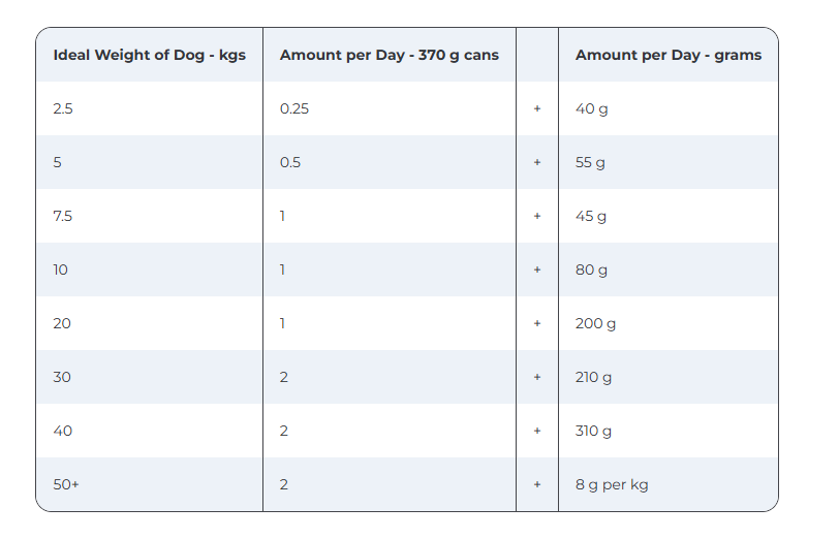
about 200g
how often check in with these patietns
Check this patient back initially weekly, moving to 2 weekly and then 4 weeks if progressing well.
how much weight loss per week is safe
1-2%
what is progression is slow
Slow progress is common and often due to extra calories rather than inadequate exercise.
Small adjustments are usually more successful than major changes.
when is weight loss too fast
greater than 2% per week
what advice can you give if too slow
review all food sources
Reduce calorie intake by around 10% if appropriate.
Increase exercise gradually if medically suitable.
Re-weigh in 2-4 weeks.
what can rapid weight loss result in
• Rapid weight loss can result in loss of muscle mass rather than body fat.
• We want controlled fat loss while preserving lean muscle.
advice for rapid weight loss
Increase food allocation slightly (typically 5-10%).
Assess activity levels and ensure exercise hasn't increased dramatically.
Review for signs of illness such as vomiting, diarrhoea or reduced appetite.
Monitor muscle condition score closely.
how can you approach a feline weight loss case differently
Consider reducing calories by approximately 5-10% if appropriate.
Increase activity with:
Interactive toys
Food puzzles
Short play sessions several times daily
how can we caluclate how much weight a cat needs to gain
use bcs
if 1/9→ ibw= current bw x 1.4
if 2/9→ ibw= current bw x 1.3
etc
if we have a cat with current weight 3.3kg, bcs 3/9 what is the ideal bw
3.3 × 1.2- 4.62kg
are life stage factors needed in weight cases
no → manufacturerrs condiser this
what is true weight gain
increased bcs
associated with overnutrition, low activity, or endocrine disease
what is apparent weight gain
abd distenion without increased bcs
caused include ascites, organomegaly or hypoadrenocorticism
how do we do safe caloric restriction
avoid severe restriction, esp cats
target weight loss: 1-2% per week in dogs. 0.5-1% in cats
maintain lean body mass with adequeate protein and gradual energy reduction
what diseases can obesity lead to and why
Arthritis: Excess weight places additional strain on joints, leading to inflammation, pain, and decreased mobility. This is especially common in older pets.
Diabetes Mellitus: Overweight animals are at higher risk of insulin resistance and developing diabetes, which can require lifelong medication and monitoring.
Shortened Lifespan: Obesity can reduce a pet’s life expectancy by up to 2 years due to increased risk of disease and lower quality of life.
what is metaboli status of neutered animals like
reduced → so fewer calories needed
pros of raw diets
May appeal to owners seeking “natural” feeding
Some anecdotal reports of shinier coats and smaller stools
cons of raw diet
Risk of bacterial contamination (e.g., Salmonella, E. coli) to both pets and humans
Nutritional imbalances if not formulated properly
pros of grain free diets
Suitable for pets with rare grain allergies (often misdiagnosed)
May appeal to owners concerned with fillers or gluten
cons of grain free diets
No proven benefit for most pets
Potential link to canine dilated cardiomyopathy (DCM) in grain-free diets with high legume content
pros of homemade diets
Full ingredient control
Can be tailored to medical needs (with vet/dietitian input)
cons of homemade diets
High risk of nutritional deficiency or excess if not properly formulated
Time-consuming and expensive
what does bcs assess
What is the recommended target weight loss for most dogs?
1-2% per week
Why must weight loss in cats be carefully controlled?
risk hepatic lipidosis
case 1
5-year-old neutered female Labrador Retriever
Current body weight: 39 kg
BCS: 8/9
MCS: Normal
Otherwise clinically healthy
Owner comments:
"She's always hungry."
"Everyone gives her treats."
"She only has one walk each day."
What are Bella`s risk factors?
everyone feeds her
only one walk per day
breed
neutered
excess treats
What area would mostly look at as part of the BCS assessment of the dog.
Diet History
Main Diet
Dry adult maintenance food
Owner measures using a scoop.
Fed by multiple family members.
Approximate intake:
550 g/day
Diet energy density = 360 kcal/100 g
Calculate Bellas daily energy intake
(30 x 39) + 70 = 1240 is what she should have
she is having 1980 (360 x 5.5)
You question the owner a little more.
They begin to warm to you and start to talk more about Bella`s lifestyle from this you discover Bella is also getting:
7 Dental Stix per week @80kcal each
4 Biscuits per day @ 35kcal each
Table scraps estimated at 150kcal/day
What is Bella's new current total kcal intake per day?
1980 so far per day
Plus 4 biscuits at 35kcal each
1 x denta stix at 80kcal
Table scraps 150kcal
so = 2350
Owner says:
"She's happy. She loves food. I don't want to starve her.”
“She isn’t fat, just squidgy”
“I think a little cuddly is good, it's only on the outside”
What do you do?
What do you say?
need to discuss about how the obesity predisposes her to other diseases and illness
link to qol
we can do it in a controlled way so that she isnt going to starve→ want a healthy weight
Bella weighs 39 kg and has a BCS of 8/9.
What is your estimate of ideal body weight/target weight?
39/1.4= 27.8
Owner:
“I will promise to cut out all Bella`s dental sticks”
“I will increase Bella`s walks”
“What if I just feed her less of her biscuits”
“I won't give her the plate scrapings”
Will any of these work?
dont give plate scrapings
slowly increase her walks
can incorporate the dental sticks and biscuits into her daily allowance
EVERYONE NEEDS TO KNOW WHO FEEDS HER
Name one common features of a weight loss diet.
The two-week assessment
Name one thing you would assess
weight and bcs
calculate if this is a healthy percentage
Bella needs to lose 9 kg in total to reach her first target weight.
The safe levels of weight loss for a dog are 1-2% Body weight per week
What would be her 4-week target weight at both 1% and 2%?
Loss in 4 weeks safe
1% = 0.39kg per week x 4 = 1.56kg
2% = 0.78kg per week x 4 = 3.12kg
Bella returns after 4 weeks.
Weight now = 38.8 kg
Total loss = 0.2 kg
How is she doing?
What's the next plan?
good
check in with owner and reassure them what they are doing is right
What is the biggest barrier to successful weight loss?
Three months later Bella has lost 6% of her body weight. What do you think about this?
Is this degree of weight loss safe?
what makes a weight loss programme successful
compliance
monitoring
communication
teamwork
consistency
follow-up