IPR S2) Qualitative designs
 Call Kai
 Learn
Learn Practice Test
 Spaced Repetition
 Match
Match Flashcards
 Knowt Play
1/24

Earn XP
Description and Tags
Flashcards covering vocabulary and concepts from the lecture on Qualitative Research Designs, Content Analysis, and Thematic Analysis.
Name | Mastery | Learn | Test | Matching | Spaced | Call with Kai | Chat |
|---|
No analytics yet
Send a link to your students to track their progress
25 Terms

Qualitative Research
An approach concerned with meanings and experiences, exploring how people make sense of the world and construct meanings through language.

Inductive Reasoning
Also known as bottom-up reasoning, it involves starting with specific data and working up to generate theories and concepts.
Deductive Reasoning
Also known as top-down reasoning, it involves starting with a theory and working down to specifics such as hypothesis testing.
Positivism
A philosophy of science suggesting that true knowledge is gained through scientific methods, typically linked to quantitative studies.
Interpretivism
A philosophical approach suggesting that understanding is only possible in the context of how people perceive and make sense of things.
Reflexive Approach
A method used by researchers to consider and note the influence of their own thoughts, feelings, and reactions on the research process and results.

Unstructured Interview
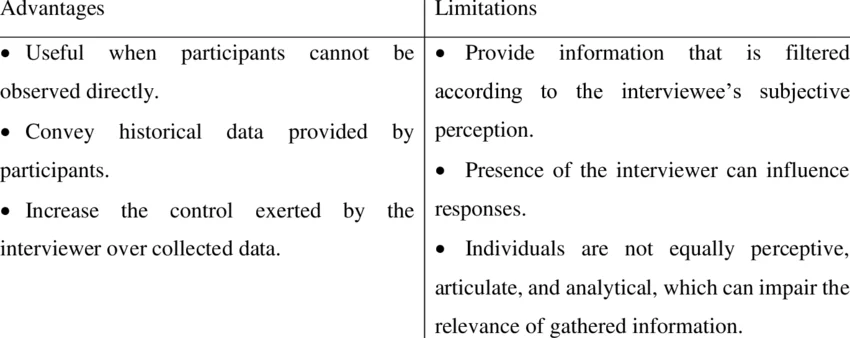
An interview format with no set questions or flow, where the interviewer may only have a set of general topics to cover.

Semi-structured Interview
An interview featuring a series of open questions used as a guide, which remain broadly the same between participants.


Focus Groups
Group interviews that are less artificial than 1:1 interviews, where participant interaction serves as an additional source of data.


Purposive Sampling
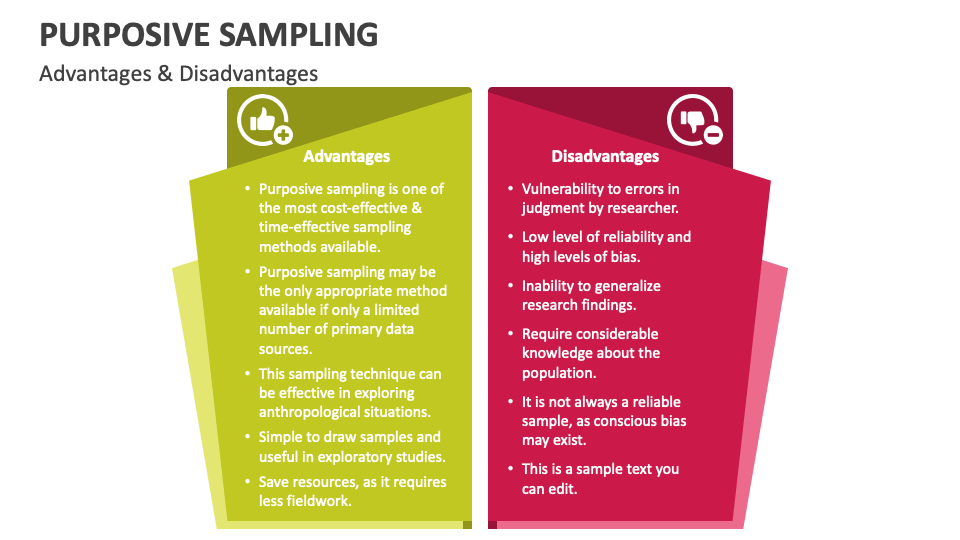
A technique where potential participants are selected based on specific criteria that address the open research question.

Theoretical Sampling
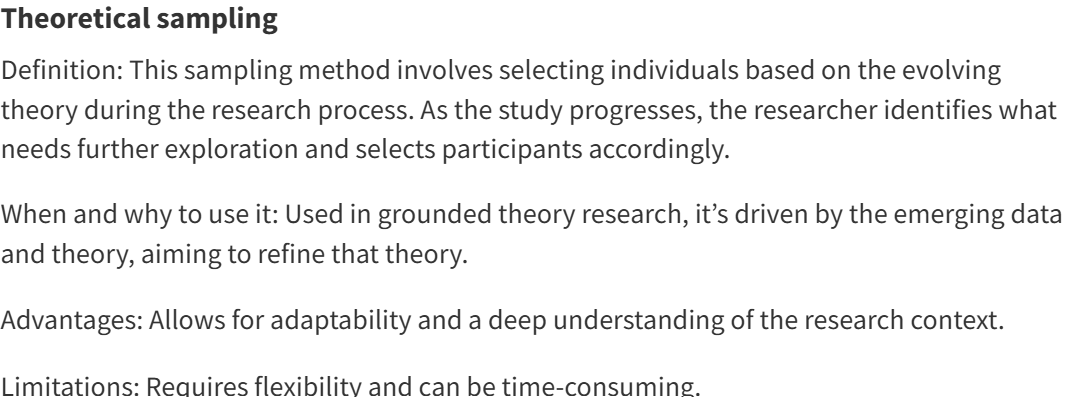
A sampling method used in grounded theory where data collection and analysis happen concurrently.
Content Analysis
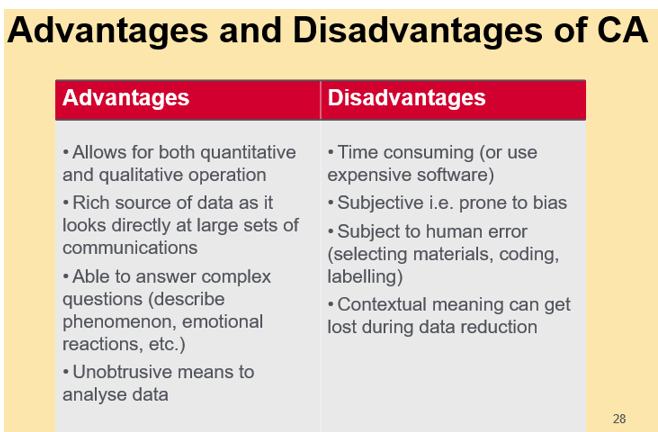
A method used to determine and quantify the presence of certain words, concepts, themes, or phrases within sets of texts in an objective manner.

Thematic Analysis
As defined by Braun and Clarke (2006), a method for identifying, analyzing, and reporting patterns or themes within data.
Reflexive Thematic Analysis
A theoretically flexible approach used to identify patterns of meaning across a dataset across various disciplines.
Theme
A pattern of shared meaning across a dataset that captures a core idea important to the research question.
Familiarisation
The first step of thematic analysis, involving immersion in the data by reading and rereading to become familiar with its breadth and depth.
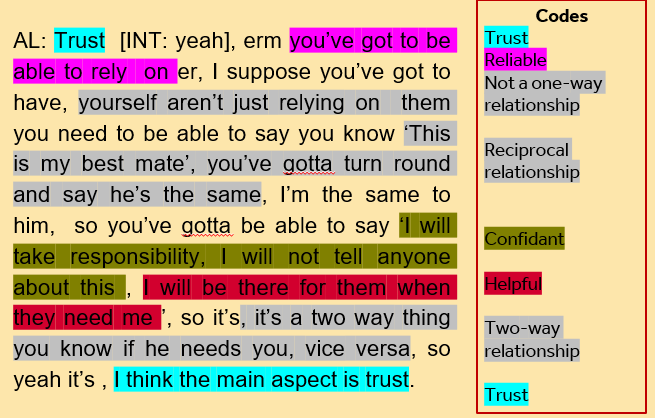
Coding
The process of generating short labels for important features of the data to serve as a method of data reduction and interpretation.
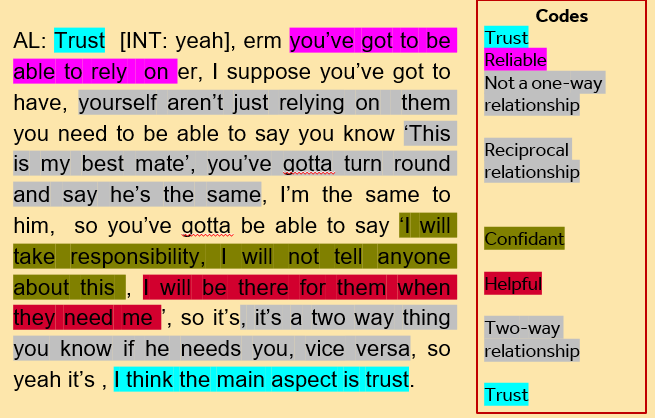
Generating Themes
The phase of thematic analysis where codes are organized into coherent and meaningful patterns relevant to the research question.
Reviewing Themes
The process of checking themes against coded extracts to determine their quality, boundaries, and supporting data.
Defining and Naming Themes
Conducting a detailed analysis to identify the essence and story of each theme and assigning each a short informative name.
Quantitative Content Analysis
The use of content analysis to convert qualitative data into numbers that can describe data, test hypotheses, and facilitate inference.
Intercoder Reliability
Established during the coding stage of content analysis to determine if multiple coders agree on the coding of variables.
Informed Consent
Providing sufficient information about a study, such as the nature of interview questions, so participants can make a judgment about taking part.
Confidentiality
An ethical requirement to ensure quotations or setting descriptions do not accidentally reveal the identities of study participants.
Coding Frame
The heart of qualitative content analysis, used to systematically assign parts of the material to categories for subjective interpretation.