CHEM 241 - Orgo 2 Exam 1
 Call Kai
 Learn
Learn Practice Test
 Spaced Repetition
 Match
Match Flashcards
 Knowt Play
1/54

Earn XP
Description and Tags
Genuinely wtf crash out time
Name | Mastery | Learn | Test | Matching | Spaced | Call with Kai | Chat |
|---|
No analytics yet
Send a link to your students to track their progress
55 Terms
Conjugated pi-system
Double bonds separated by single bonds

Diene
Compounds containing 2 or more double bonds

Thermodynamics is —>
Kinetic is —>
Label which one is faster, which is more stable, which one is (1,2) or (1,4)
Thermodynamic: High Temp, (1,4), more stable product
Kinetic: Low Temp, (1,2), forms faster

Complete the following Hydrohalogenation of a diene reaction
Complete and indicate which is the kinetic and which is the thermodynamic product. At what temp and speed does each occur at:


Complete the following Hydrohalogenation of a diene reaction
Complete and indicate which is the kinetic and which is the thermodynamic product. At what temp and speed does each occur at:


Complete the following Hydrohalogenation of a diene reaction
Complete and indicate which is the kinetic and which is the thermodynamic product. At what temp and speed does each occur at:


Complete the following Hydrohalogenation of a diene reaction
Complete and indicate which is the kinetic and which is the thermodynamic product. At what temp and speed does each occur at:
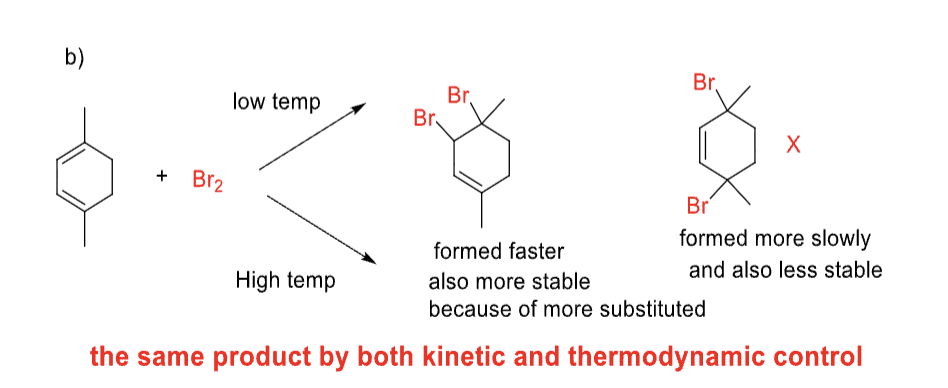

Complete the following Hydrohalogenation/boration of a diene reaction


Complete the following reaction.

Diels Alder Reactions Require


Complete.
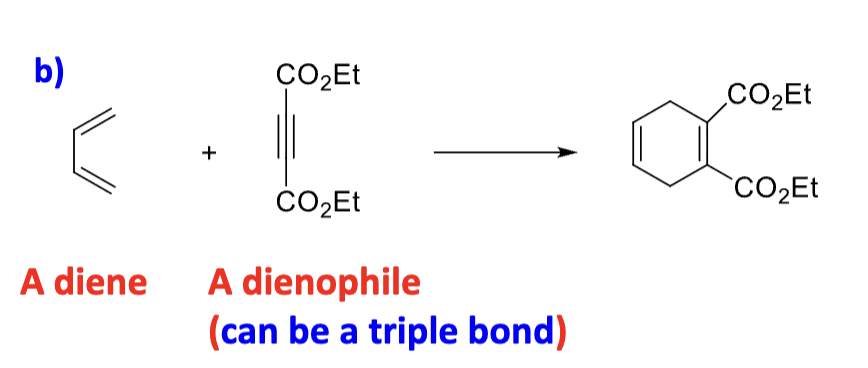

What is special about this product?
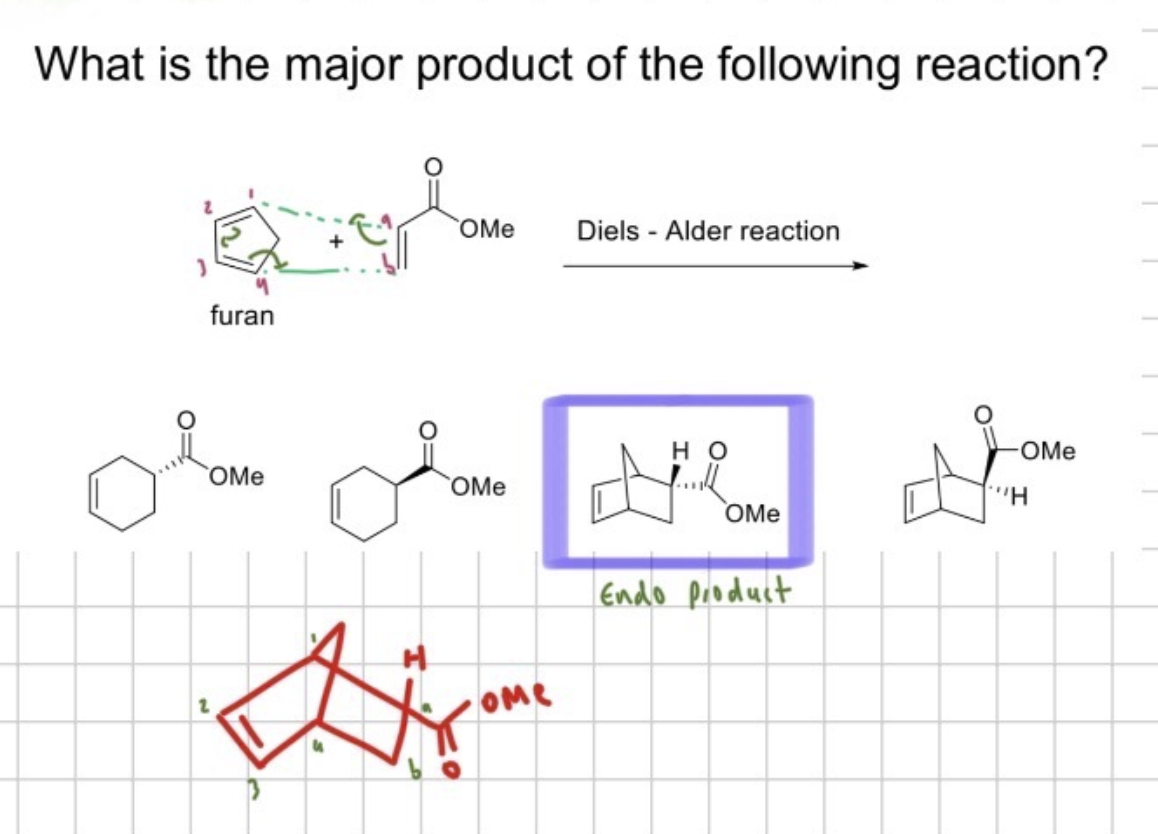
Since the diene is within a ring, it yields an endo product. You draw it like a chair.

Difference between S-cis and S-trans. Draw it.
Which one has higher energy/lower energy?
We use S-cis because its closer and S-trans makes the bonds too far away making it impossible to form a ring.

What is a EDG? What is a EWG?
How can you determine if something is an EWG or an EDG?
EDG: Electrons can be donated into the ring through resonance or the inductive effect.
EWG: Pulls electron density away from the molecule its attached to.
If the atom directly bonded to the ring or diene is MORE electronegative —> EDG
If the atom bonded adjacent to the main attached one is MORE electronegative —> EWG

What are the rules of all Diels-Alder Reactions?
Diene has to adopt a S-cis conformation
EDG on the Diene, EWG on the dienophile
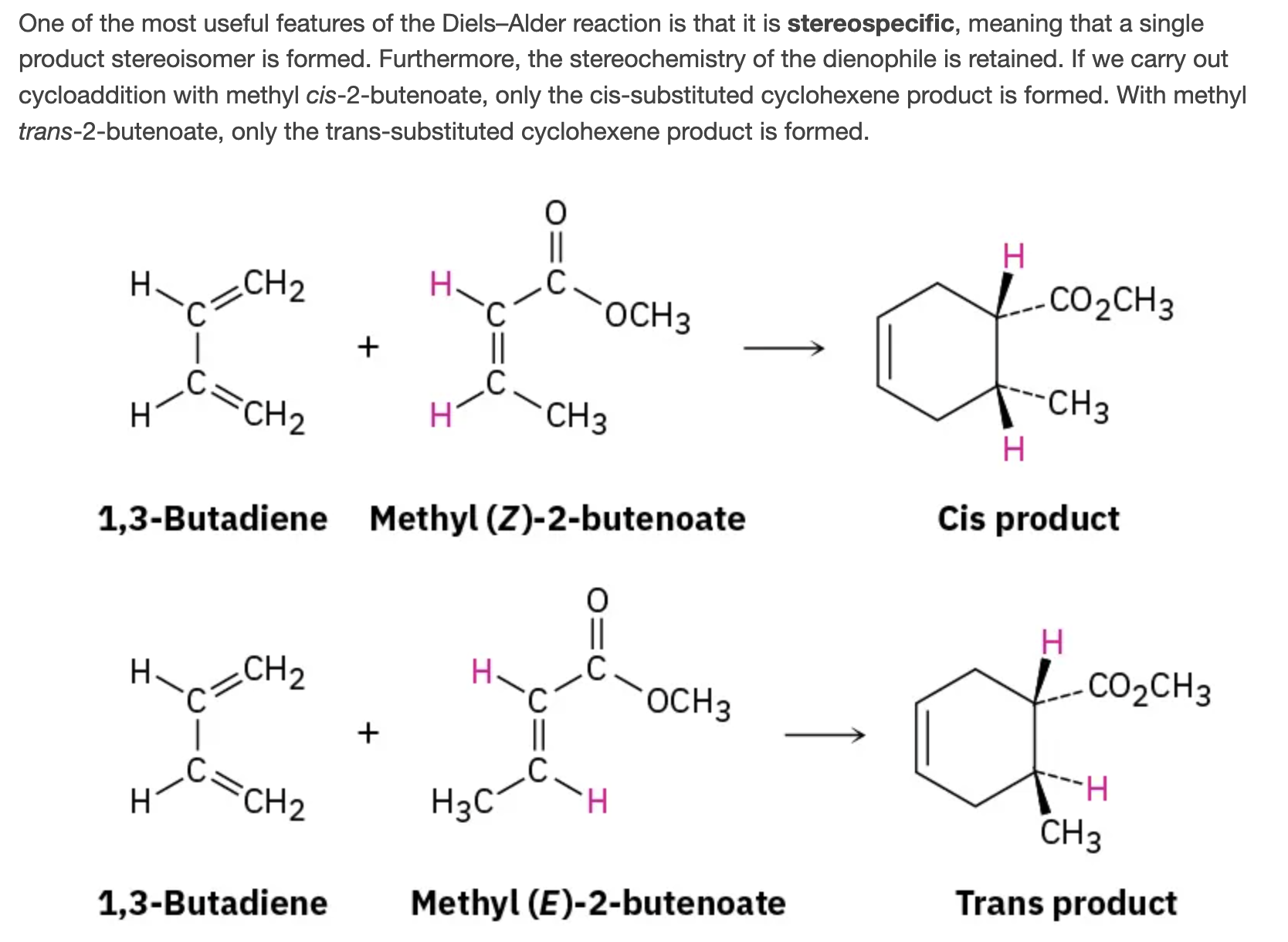
It retains the configuration (stereochem) of the dienophile
If the dienophile is trans —> trans ring (attachments)
If the dienophile is cys —> cys ring (attachments)
Endo Rule: when you start with a cyclic diene you get a chair and the substituent is Endo

Answer this:

Diels–Alder reaction is stereospecific. Explain what this means.
Stereochemistry of the dieneophile is retained.
When you have a diene in a ring what type of product do you get? Endo or Exo? What do endo and exo mean.
Endo is the downward pointed group


When you have a 1-substituted diene, what type of product do you get?
When you have a 2-substituted diene, what type of product do you get?


Complete the reaction
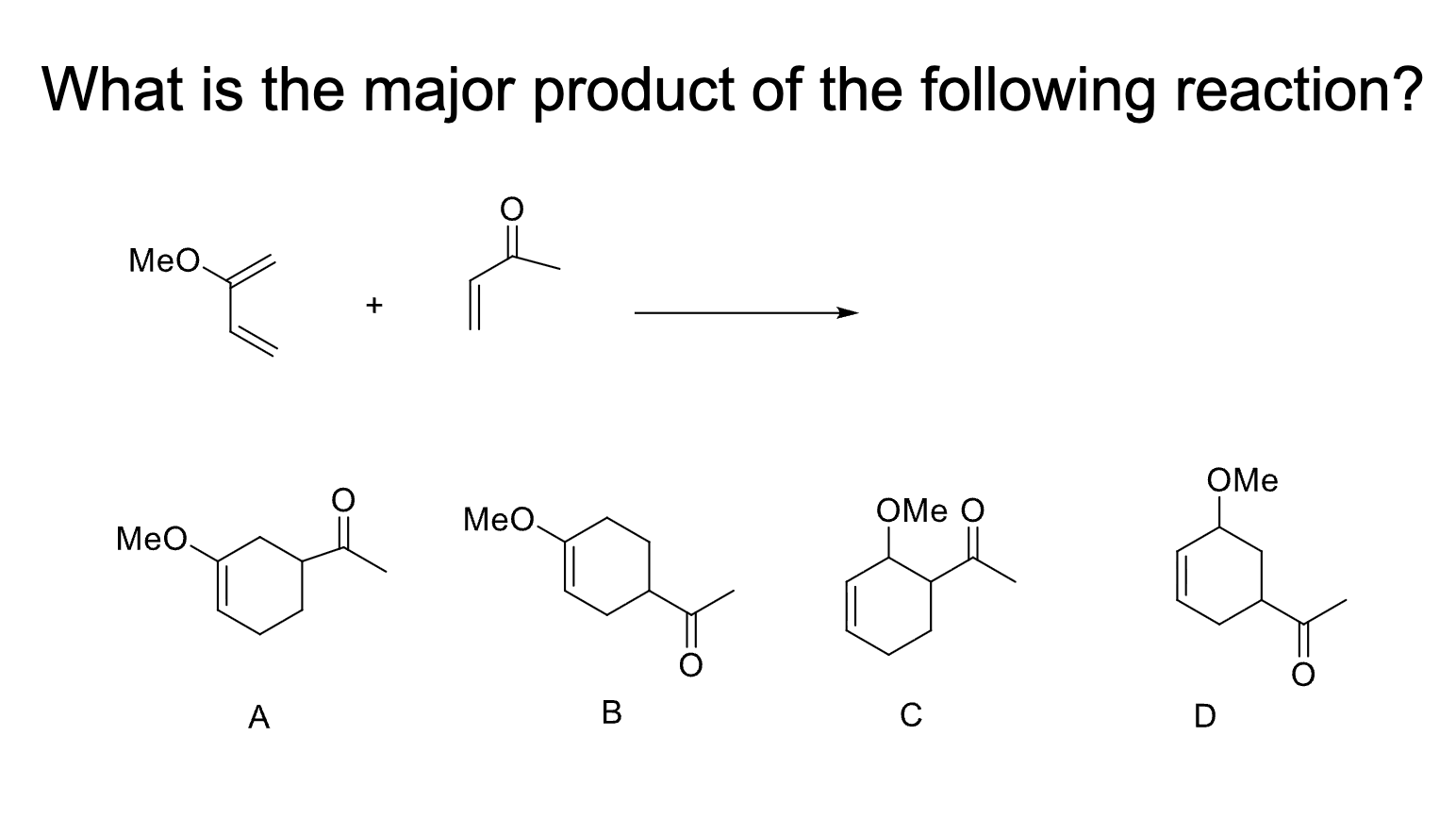
Complete the reaction

What are the 5 criteria for a molecule to be considered aromatic?
Cyclic
No sp3
Conjugated pi system
Planar (7 membered ring or lower)
4n + 2
How many electrons makes up an Anti-aromatic molecule?
4N
How do we determine if a lone pair is a part of the aromatic compound (conjugated pi system)?
Lone pairs (up to 1 for an atom) are only included if a heteroatom is not adjacent to a double bond.
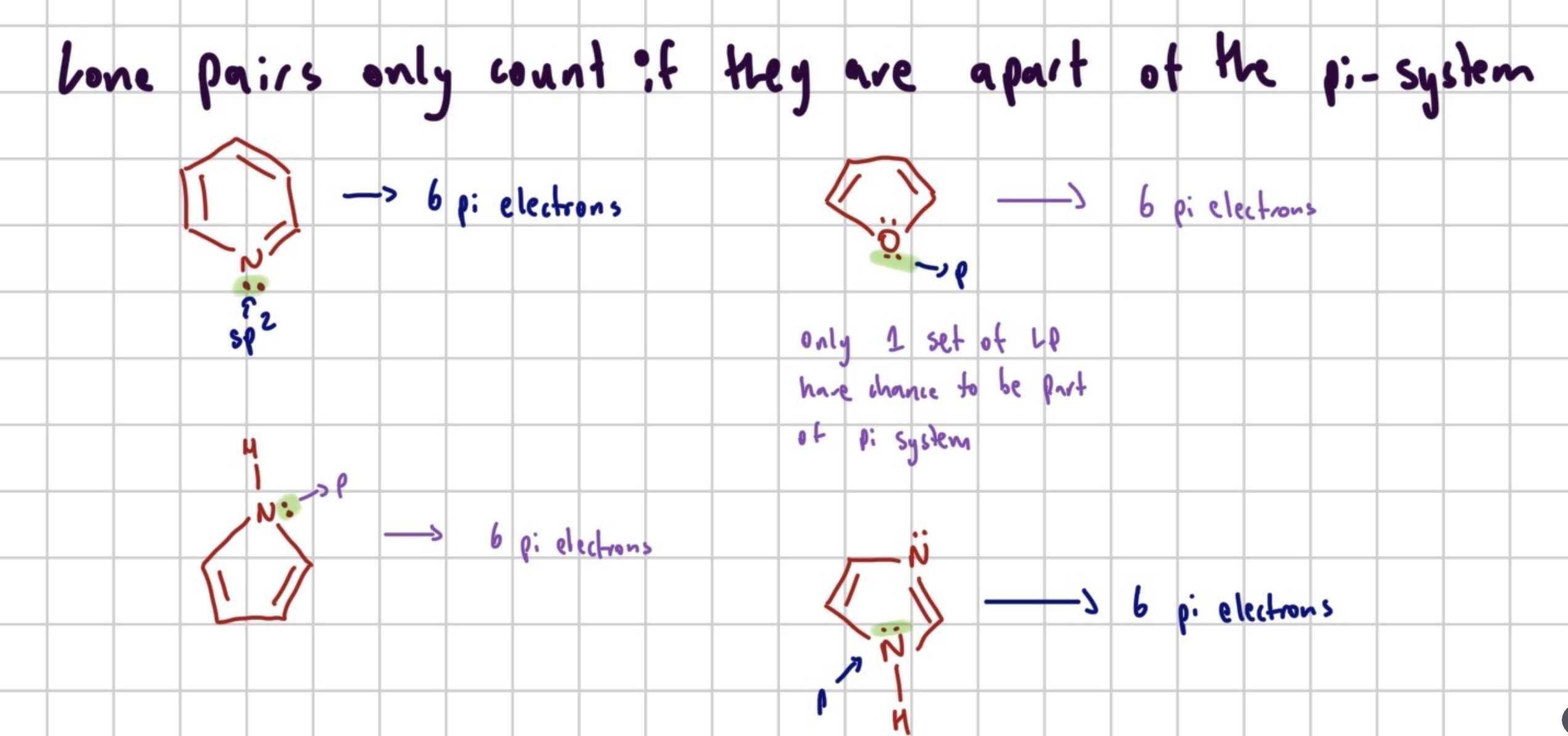

Indicate the aromaticity of the following molecules.
Take note of how it tells you the tub and flat confirmation.

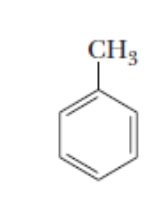
Nomenclature of Benzenes
Whats the name?


Nomenclature of Benzenes
Whats the name?
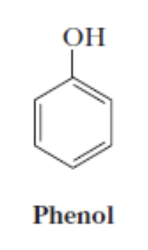
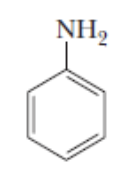
Nomenclature of Benzenes
Whats the name?


Nomenclature of Benzenes
Whats the name?


Nomenclature of Benzenes
Whats the name?

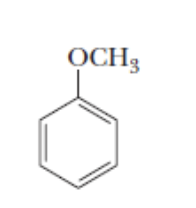
Nomenclature of Benzenes
Whats the name?

How do you name a mono substituted benzene?
Substituent + benzene
How do you name a di-substituted benzene?
Figure out the substituents and their names
The order is alphabetical when doing nomenclature
Get to the 2nd, 3rd substituent in the least number of gaps
Write what carbon # each substituent is attached to and put (-) in between and “benzene” at the end
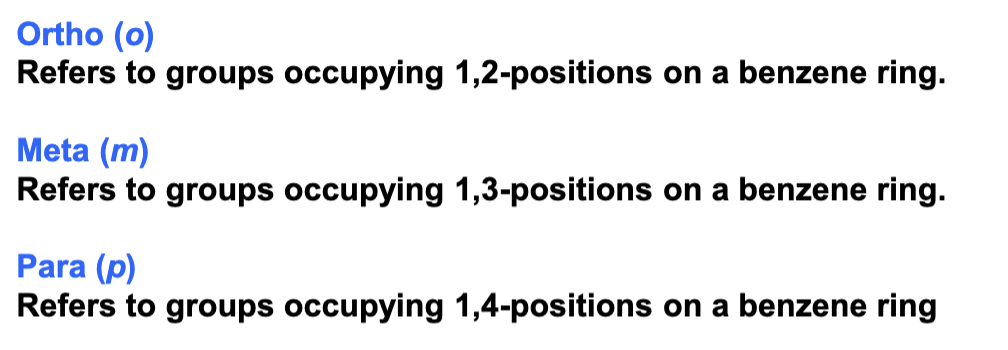
What positions on the Benzene ring do the following 3 correspond to?
Ortho
Meta
Para
How do you name a poly-substituted benzene? (like a tri substituted)
It does not follow solely alphabetical order.
You must try to get the substituents to use up the numbers like 123, with few gaps in between.
The actual name will be in alphabetical order, but numbers will be assigned based on getting the least numbers with the fewest gaps.

Name this.


Propose the mechanism.


Propose the mechanism.


Propose the mechanism.


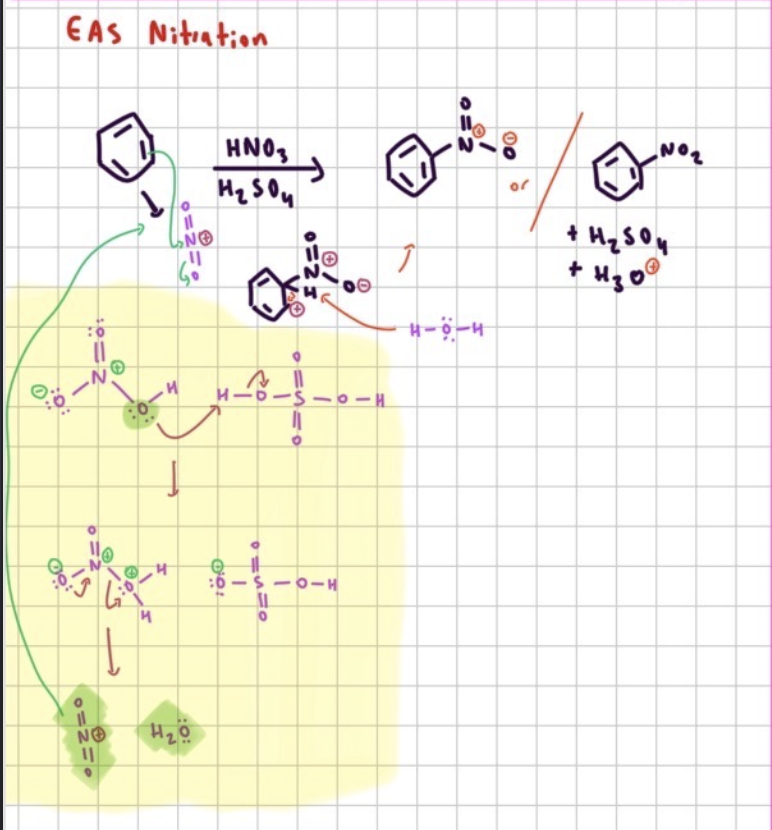

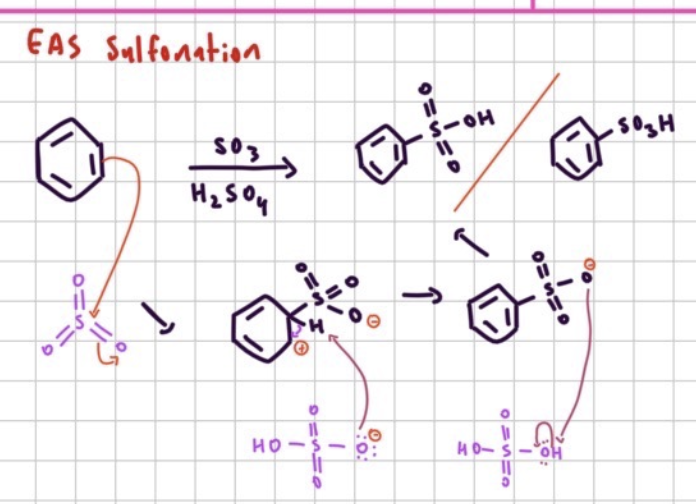
EAS Sulfonation
Propose the mechanism.


Friedel-Crafts Alkylation Limitations
Polyalkylation: Alkylation can continue beyond the mono-substituted step because the product is more reactive than benzene.
So sometimes we use excess benzene to favor mono-substitution
Intermediate can rearrange to form a more stable carbocation
Benzene rings with a strong electron-withdrawing group block the alkylation reaction (No reaction)
What are the strong electron-withdrawing groups on Benzene that block Friedel-Crafts Alkylation?

Friedel-Crafts Acylation has no 1) ________ 2)_________.
It can not happen 3)________________
It has no rearrangement of the acylium ion (carbocation)
It does not undergo multiple substituents, stops at the mono.
It can not happen IF a strong electron withdrawing group is on the Benzene.

Friedel-Crafts Alkylation
Complete these mechanisms.


Friedel-Crafts Acylation
Complete the mechanism.

For the following EAS reactions:
Halogenation
Chlorination
Bromination
Fluorination
Nitration
Sulfination
Friedel-Crafts Alkylation and Acylation
INDICATE the starting materials, including the catalyst. If multiple are possible give them.

When benzene is Mono-substituted during EAS what type of product does an EDG yield and what product does the EWG yield and why?
EDG: Ortho (1,2) and Para (1,4)
This gives the most stable/major resonance contributor
EWG: Meta (1,3)
We don’t make ortho/para because, with resonance, it puts on a + charge adjacent to the EWG.
So the meta position is favored.


What type of product does this form? No need to draw mechanism. Why does this product form?

Why are halogens special? When they are attached to a Benzene when you try to do an EAS, what do they act as?
1) Ortho/Para or Meta
2) Activating (EDG) or Deactivating (EWG)
For 1) and 2), propose a reason as to why.
1) Ortho/Para
Resonance adds a carbocation adjacent to a halogen
2) Deactivating (EWG)
Inductive Effect
They try to avoid 4th resonance (they do not want the + charge directly on them)

The case of Polysubstituted Benzene (EAS)
What are the 3 rules for how you figure out the position of the Electrophile?
1)

Applying the disubstituted rules for EAS
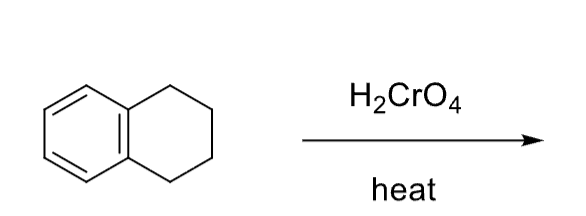
Name the reaction. predict the product.
Oxidation of an aromatic compound
