Biology 1110 Exam 1
 Call Kai
 Learn
Learn Practice Test
 Spaced Repetition
 Match
Match Flashcards
 Knowt Play
1/151

There's no tags or description
Looks like no tags are added yet.
Name | Mastery | Learn | Test | Matching | Spaced | Call with Kai | Chat |
|---|
No analytics yet
Send a link to your students to track their progress
152 Terms
What does it mean to say something is alive?
There is no single, well accepted definition of life
life is recognized by what living things do
What is life?
We define “life” interns of a set of shared characteristics
all living things are compose of one or more cells
living organisms use energy and are made of matter
living organisms interact with their environment
living organisms maintain homeostasis
genetic material provides a blueprint that allows organisms to grow, develop, and reproduce
populations of organisms evolve from one generation to the next
The nature of science
science is a way of thinking
someone wonders about why something is the way it is and then decides to try and find the answer
the scientific method, or the process of science, are the practices that produce scientific knowledge
Science cannot:
tell us morally right or wrong
explain subjective experiences like feelings
address the existence of god or other supernatural beings
The scientific method
make observations
formulate a hypothesis
devise a testable prediction
conduct a critical experiment
draw conclusions and make revisions
Step one: Make observations
on observation is a description, measurement, or record of any object or phenomenon
what we see, hear, smell, read, experience, etc.
Step 2: Formulate a hypothesis
a scientific hypothesis is:
an informed, logical, and plausible explanation for observations of the natural world
a statement, not a question
Step 3: Devise a testable prediction
hypothesis must be
testable
helps us to make predictions expressed as “if…. then” statement
under certain conditions, we will make certain observations
Step 4: Conduct a critical experiment
an experiment is designed to text a hypothesis
it is a repeatable manipulation of one or more aspects of the natural world
experiment makes it possible to decisively determine whether a particular hypothesis is correct
Elements of a well designed experiment (variables)
Variables are characteristics of an object or an individual organisms that can change
in an experiment, the researcher will manipulate or change the independent variable from one group to another
the dependent variable responds, or could potentially respond, to changes in the independent variable
elements of a well designed experiment (experiments)
Experiments are divided into two groups
Control Group:
is maintained under a standard set of conditions
no change in the independent variable
Treatment group:
is the experimental group
is maintained under the same standard set of conditions as the control group
the independent variable, is however, manipulated
elements of a well designed experiment (strategies)
Blind/double-blind strategies
the experimental subjects do not know which treatment (if any) they are receiving
Randomized
the subjects are randomly assigned into experimental and control groups
Step 5: Draw Conclusions, make revisions
what conclusions can you draw from the experiment?
were the predictions and hypothesis supported?
(Step 6): publish
Peer-reviewed publications are found in scientific journals that publish research after it has passed the scrutiny of experts who have no direct involvement in the research under review
scientific literacy
more claims that we are exposed to each day are NOT TRUE
Scientific literacy is an understanding of the basics of science and the scientific process
enables us to evaluate the evidence behind scientific claims and uses critical thinking to make informed decisions
correlation doesn’t equal
causation
Why chemistry in important in Bio?
we are all just a bunch of chemicals
in order for our bodies to move, to think, to grow, to do anything, chemical reactions have to occur
4 main chemical elements essential for life in most organisms
Oxygen: 65% human body mass and 25.5% all atoms in human body
Carbon: 18% human body mass and 9.5% all atoms in human body
Hydrogen: 9% human body mass and 63.0% all atoms in human body
Nitrogen: 3% human body mass and 1.4% all atoms in human body
Atoms
atom is the smallest piece of an element that retains the characteristics of the element
atoms can be broken down further into subatomic particles:
protons and neutrons are located in the nucleus; electrons move rapidly around the nucleus forming a “electron cloud”

chemical bonding
a chemical bond is an attraction force that holds atoms together and link them into a molecule
atoms combine with other atoms in ways that complete their outermost valence shell
they can either share, donate or steal valence electrons
covalent bond
is the sharing of a pair of valence electrons by two atoms
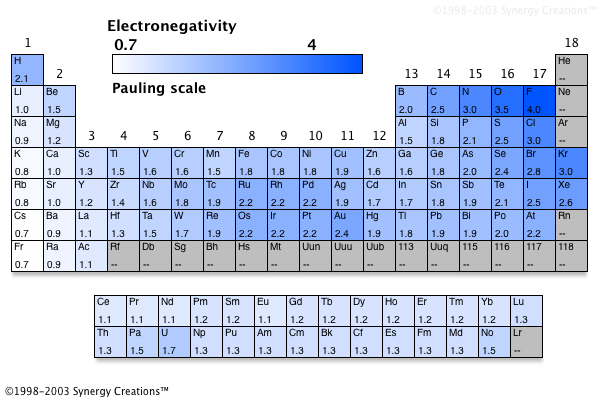
electronegativity
electronegativity is the strength with which atoms pull electrons toward themselves
the more electronegative an atom, the more strongly it pulls shared electrons toward itself
Non polar and Polar Covalent bonds
Non polar covalent bonds: electrons are halfway between the two atoms, shared equally
Polar Covalent: electrons are not shared equally, so partial charges exist on the O and H atoms

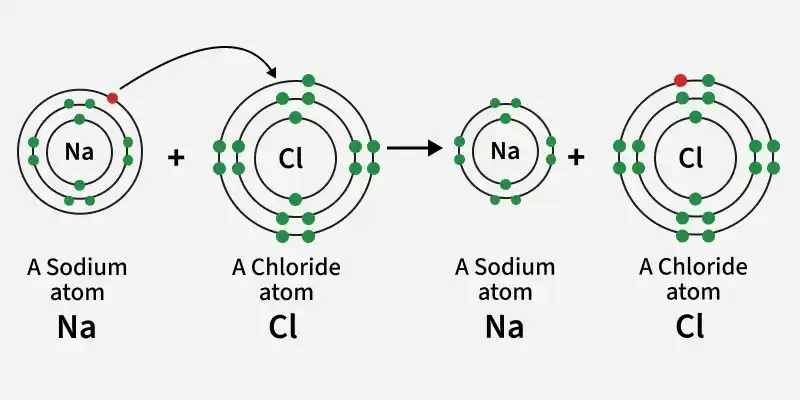
Ionic Bonds
some atoms have such different electronegativity that one atom completely pulls an electron away from the other
electrons will completely transfer over to highly electronegative atoms
Molecular shape
actual shape of more complex molecules is rarely planar
molecular shape is critical! it determines how biological molecules specifically recognize and respond to one another
geometry of bond angles may also impact overall polarity
opiates, such as morphine, and naturally produced endorphins have similar effects because their shapes are similar and the bind to the same receptors in the brain

Bonding and interactions between molecules
In hydrogen bonds, the hydrogen atom from one polar molecule is attracted to an electronegative atom of another
represented as dashed or dotted lines
individually, these are weak bonds that can form and break easily, collectively, many H bonds can be strong overall
Van der Waals dispersion forces are temporary attractive forces due to location of electrons
electrons in outer shells of atoms may be equally or unequally distributed and fleeting attractions to other molecules may arise
hydrogen bonds between water molecules

water emergent properties
Cohesion, adhesion, and surface tension
water as an efficient solvent
Expansion upon freezing
Moderation of temperature
Water and Acid-Base reactions
Cohesion, adhesion and surface tension
attraction between water molecules is call Cohesion
Attraction between water and other polar or charged molecules is called Adhesion
Surface tension- cohesive force caused by stronger attraction between molecules at surface of liquid
Water as an effective solvent
hydrophilic (“Water-loving”) molecules
ions and polar molecules stay in solution due to their interactions with water’s partial charges
hydrophobic (“water-fearing”) molecules
Uncharged and non polar compounds do not dissolve in water.
Hydrophobic molecules interact with each other through hydrophobic interactions
Expansion upon freezing
as the water freezes into ice, it forms a relatively open crystal structure
ice is less dense than liquid water- this is why ice floats
ice forms an insulating “blanket” on waters surface
Ice: water molecules are less likely to move apart due to decrease heat energy. Hydrogen bonds are more stable, resulting in an orderly array of molecules
Liquid water: water molecules are in rapid motion, and hydrogen bonds continually break and re-form
moderation of temperature
water has a very high specific heat (specific heat- amount of energy needed to raise the temperature of 1 gram of a substance by 1 degree celsius)
water resists changes its temperature- cools and heats up very slowly
Water and Acid-base Reactions
water molecules dissociate into Hydrogen ion H+ and a Hydroxide ion OH-
H2O — H+ + OH-
only one water molecules in every 554 million is dissociated, concentration of each ion in pure water is 10-7 M (0.0000001 M)
10-7 H+ and 10-7 OH-=10-14 ions
The pH scale expresses proton concentration [H+] in a solution- negative base 10 logarithmic scale
pH= -log[H+]
pH= -log[10-7]=7 for pure water
The pH reveals acidic or basic solutions
Acids: substances that give up protons during chemical reactions (adding acid to solution increases proton concentration of solution)
Bases: Substances that acquire protons during chemical reactions

pH scale
acids have a pH of less than 7
Bases have a pH of greater than 7

Carbon provides a molecular skeleton
organic molecules: molecules that contains carbon bonded to other elements, linked in a chain or ring
except for water, almost all molecules found in organisms contain carbon

(Functional groups with biological importance) Amino
-NH2
Examples: Amino Acids
Properties: weakly basic (can accept H+); polar; forms part of peptide bonds

(Functional groups with biological importance) Carbonyl ketone/ aldehyde
-CO
Examples: Steroids, waxes, proteins
properties: Polar; highly chemically reactive; forms hydrogen bonds

(Functional groups with biological importance) Carboxyl
-COOH
Examples: Amino Acids, Fatty Acids
Properties: Acidic (gives up H+ in water); forms part of peptide bonds

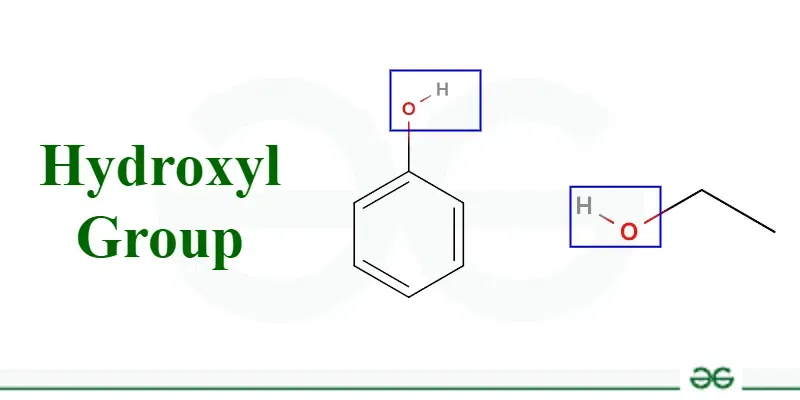
(Functional groups with biological importance) Hydroxyl
-OH
Examples: steroids, alcohol, carbohydrates, some amino acids
Properties: polar; forms hydrogen bonds with water
(Functional groups with biological importance) Methyl
-CH3
examples: may be attached to DNA, proteins, and carbohydrates
properties: non polar

(Functional groups with biological importance) Phosphate
-PO42-
Examples: Nucleic acids, ATP, and phospholipids
properties: Polar; weakly acidic and thus negatively charged at typical pH of living organisms

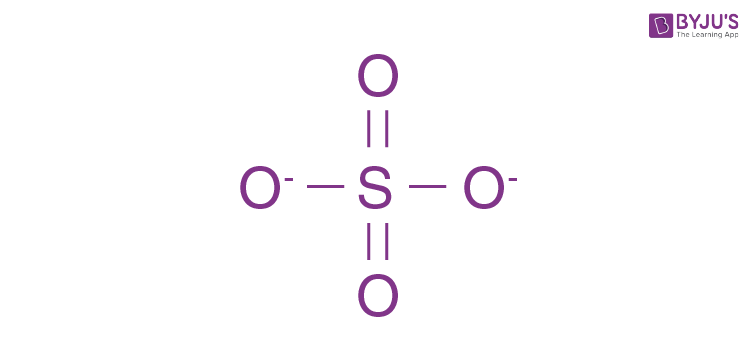
(Functional groups with biological importance) Sulphate
-SO42-
examples: may be attached to carbohydrates, proteins, and lipids
properties: polar; negatively charged at typical pH
(Functional groups with biological importance) Sulfhydryl
-SH
Examples: proteins, amino acid cysteine
properties: polar; forms disulfide bridges in many proteins

small organic molecules can assemble int large molecules
biological macromolecules (except lipid) are also call polymers - large molecules made of smaller subunits
a monomer is a single structural unit of a polymer
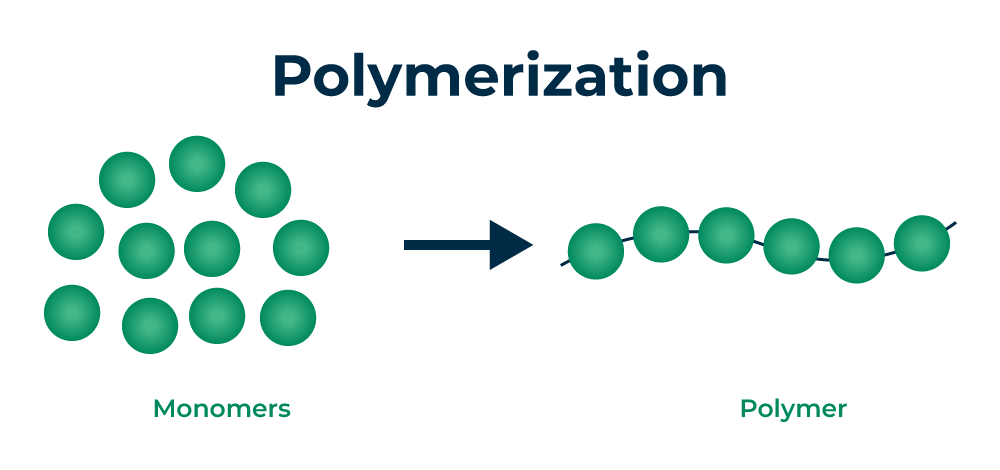
forming macromolecules
Condensation (dehydration) reactions join monomers into polymers
result in the loss of water molecules

breaking macromolecules
hydrolysis is the reverse reaction of dehydration
breaks polymers apart by adding a water molecule

(4 major organic molecules) carbohydrates
Structure: the general formula is Cn(H2O)n, where n is a whole number
Key Functions: simple carbohydrates are broken down to make ATP, used as a source of energy. Larger carbohydrates store energy or may play a structural role, as in plant cell walls. Some carbohydrates function as molecular tags, allowing recognition of specific cells and molecules
Examples: simple sugars such as glucose; large polymers such as starch and cellulose
(4 major organic molecules) Lipids
structure: lipids are non polar molecules primarily composed of carbon and hydrogen, with some oxygen
Key functions: lipids are key part of cell membranes and function as hormones and in energy storage. In animals, they act as insulators and shock absorbers
Examples: phospholipids, estrogen, testosterone, triglycerides
(4 major organic molecules) proteins
structure: a polypeptide is a structural unit composed of a linear sequence of amino acids. A protein is a functional unit composed of one or more polypeptides
key functions: proteins play a key role in cell structure and preform diverse cellular functions, including gene expression and regulation, movement , defense, signing, metabolism, and transport.
(4 major organic molecules) Nucleic acids
Structure: linear sequence of nucleotides. DNA is double stranded.
Key Functions: DNA stores genetic information in genes. RNA is made from DNA and provides access to that information
examples: DNA and RNA
Carbohydrates
Composed of Carbon, Hydrogen, and Oxygen atoms
Cn(H2O)n
Commonly found as:
Monosaccharides (One sugar)- simple sugars
disaccharides (two sugars)
polysaccharides (many sugars)- polymers
Monosaccharides
the most common types have five or six carbons
may exist in a linear structure, but in living cells they usually occur in a ring structure
Molecules with identical formulas but different structures and called Isomers

Isomers
differing effects of isomers demonstrate that organisms are sensitive to even subtle variations in molecules
ibuprofen: reduces inflammation and pain
Albuterol: relaxes bronchial (airway) muscles, improving airflow in asthma patients

Disaccharide
compose of two monosaccharides
joined by dehydration reaction- the bond formed is call a glycosidic bond
Examples: Sucrose, Maltose, Lactose

energy storage polysaccharides
polymers of glucose
starch- stored in chloroplasts of plant cells (moderately branched) (a-1,4-glycosidic linkages from linear chains and a-1,6-glycosidic linkages from branches)
Glycogen- stored in liver and muscle cells (highly branched)(a-1,6-glycosidic linkages create more branches in glycogen)
the way the glucose molecules are linked allows branching and highly solubility in water
structural polysaccharides
cellulose: the way the glucose molecules are linked allow straight, rodlike molecules held together by hydrogen bonds (unbranched)( B-1, 4-glycosidic linkages from chains without any branching)
leads to a rigid structure that is insoluble in water and undigestible by humans
Peptidoglycan- cell walls of bacteria
Chitin- cell walls of fungi; exoskeletons of insects, arachnids, crustaceans
proteins involved in gene expression and regulation
Make mRNA from a DNA template; synthesize polypeptides from mRNA; regulate genes
Examples: RNA polymerase assists in synthesizing RNA from DNA
Motor proteins
Initiate movement
Example: myosin provides the contractile force of muscle
Defense proteins
protects organisms against disease
Examples: antibodies help destroy bacteria or viruses
metabolic enzymes (proteins)
increase rate of chemical reactions important in energy balance
example: hexokinase is an enzyme involved in glucose metabolism
cell-signaling proteins
enable cells to communicate with each other and to sense the environment
Example: notch proteins coordinate growth of cells in developing animals
structural proteins
support and strengthen structures
Examples: actin provides shape to the cytoplasm of plant and animal cells. Collagen gives strength to tendons
transporters (proteins)
mediate movement of solutes across membranes
Examples: glucose transporters move glucose from outside cells to inside cells, where it can be used for energy
Nonpolar and polar amino acid drawing
amino group: positively charged at neutral pH
Carboxyl group: negatively charged at neutral pH

Amino acids like to form polypeptides
amino acids are joined together when a bond forms between a carboxyl group of one amino acid and an amino group of another
the resulting C-N bond is called a peptide bond
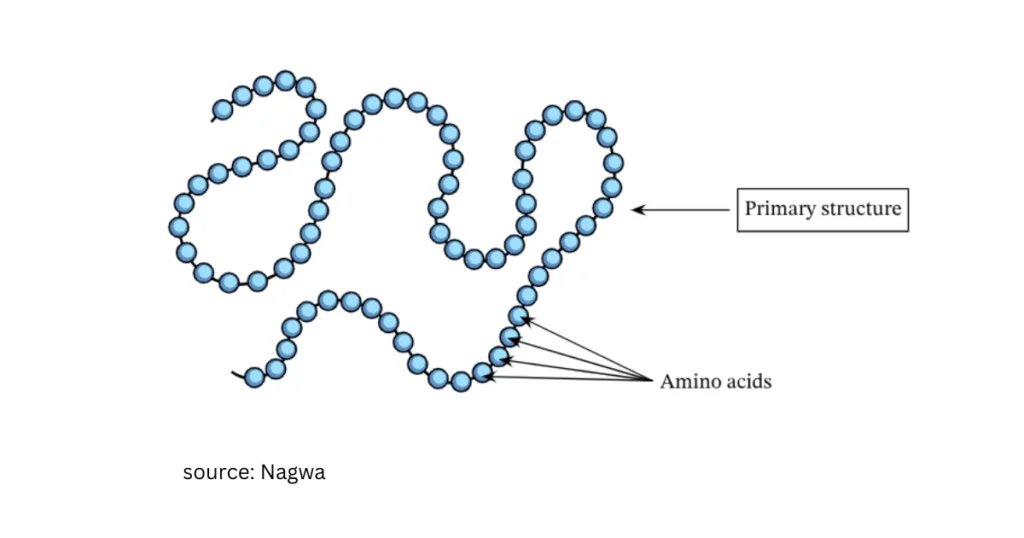
a linear chain of amino acids

primary (1o) structure
unique sequence of amino acids
limitless number of possibilities (know proteins from <100 to ~30,000 amino acids)
Specific order of R-group determines a protein’s fold, properties, and functions
secondary (2o) structure
formed by hydrogen bonds between an amino group of one amino acid and a carboxyl group of another

Tertiary (3o) Structure
Overall distinct shape of polypeptides
Formed by interactions between R-groups
hydrogen bonds, hydrophobic interactions, van der walls forces, ionic interactions, disulfide (covalent) bonds
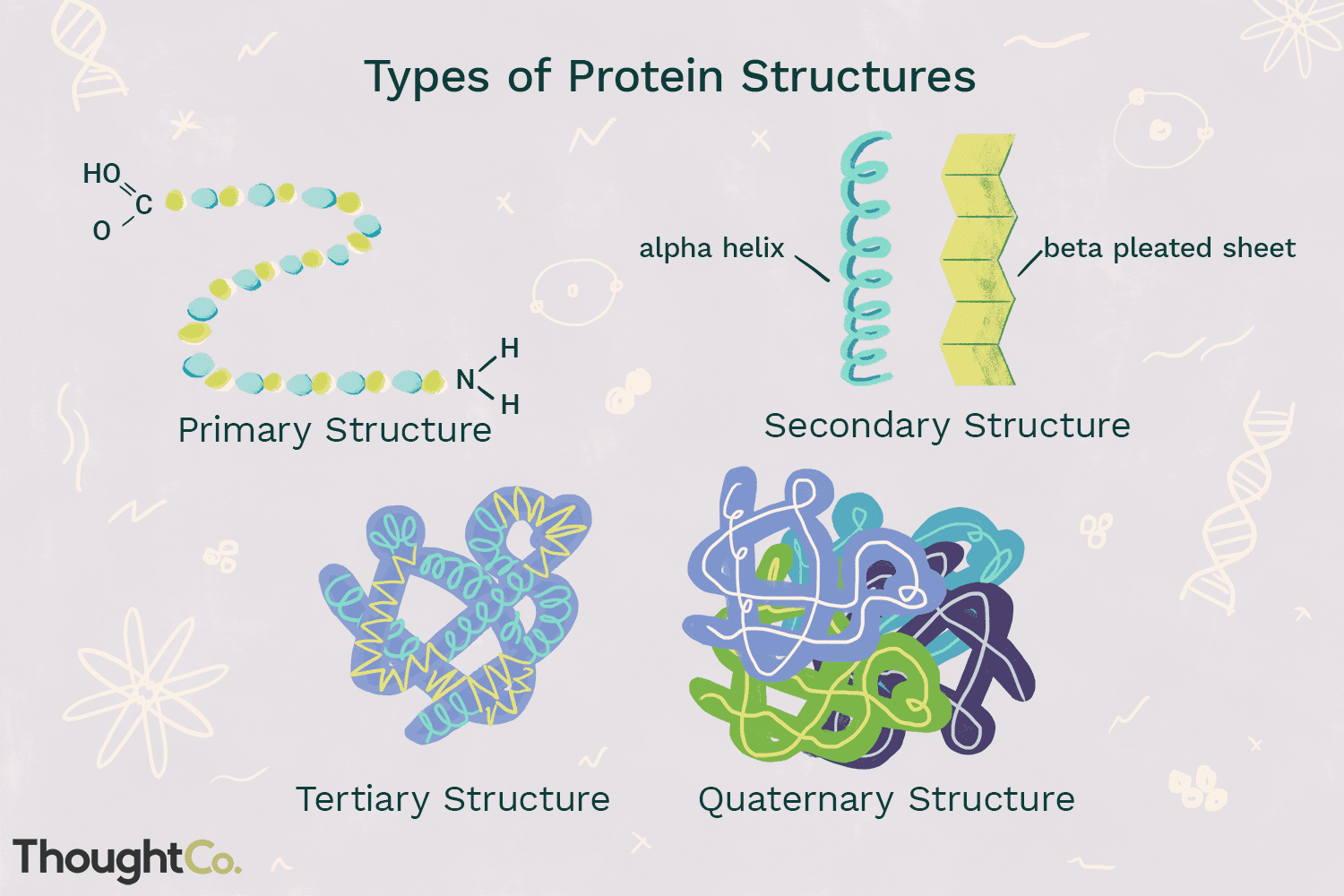
Quaternary (4o) structure
results when two or more separate polypeptide chains interact with each other to form one functional protein

AI can be used to predict the three-dimensional structure of proteins
Demis Hassabis, John Jumper, and colleagues from DeepMind developed AlphaFold, an AI program that can predict the structure of proteins
in 2022, DeepMind released the 3D structures of more than 200 million proteins predicted by alphafold
in 2024, they were awarded the Nobel Prize in chemistry for this achievement
Can be applied in structural biology, drug discovery, protein-protein interactions prediction of protein functions, vaccine design.
Normal folding is crucial to function
Normal protein folding is crucial and often spontaneous folded molecule is more energetically stable
a denatured (unfolded) protein is unable to function normally

Nucleic acids
nucleic acids are macromolecules responsible for the storage, expression, and transmission of genetic information.
two Classes:
Deoxyribonucleic (DNA) store genetic information encoded in the sequence of nucleotide monomers
Ribonucleic acid (RNA) decodes DNA into instructions for linking together a specific sequence of amino acids to form a polypeptide chain, involved in translation
nucleic acids are polymers of…
nucleotides

polymerization of nucleotides
dehydration reactions link the OH group of the sugar of one nucleotide to a phosphate group of another
Nucleic acids, like proteins, have directionality
one end has a free 5’ phosphate
other end has a free 3’ hydroxyl group (OH)
DNA structure
A DNA molecules consists of two strands of nucleotides coiled around each other to form a double helix
the two strands run in opposite directions- antiparallel
the two strands are held together by hydrogen bonds between complementary bases on opposite strands
Adenine (A) pairs with thymine (T) via two hydrogen bonds
Cytosine (C) pairs with guanine (G) via three hydrogen bonds

RNA structure
RNA usually remains single-stranded
the sugar is ribose (not deoxyribose)
RNA has uracil (U) instead of thymine (T)
Base pairing can occur within a single strand, leading to formation of hairpins

lipids
lipids are not polymers (no monomers that are linked together by dehydration reactions)
the unifying feature is they do not dissolve in water (hydrophobic)
predominantly hydrocarbon (made only of C and H)
three types: fat (triglycerides), phospholipids, steroids
fats provide long term energy storage
Triglycerides - three fatty acids linked to a glycerol
two groups of fatty acids: carboxyl group, 14-20 carbons

phospholipids are a major component of the…
cell membrane
steroids
all contain the same four-ring structure
cholesterol regulates the fluidity of animal cell membranes and its used to synthesize other steroids

all cells share common features
all cells have:
proteins: preform most of the cell’s functions
nucleic acids: store, transmit, and process information
carbohydrates: provide chemical energy, carbon, support, and identity
cell (plasma) membrane: serves as a selectively permeable membrane barrier
structure of bacteria cell

Eukaryotic cells
three key differences between eukaryotic and prokaryotic cells:
eukaryotic cells are generally much larger
eukaryotic genetic material is enclosed in a nucleus
eukaryotic cytoplasm is compartmentalized into a larger number of distinct organelles
Eukaryotic cells may be multicellular or unicellular
animal cell image

plant cell image

important functions of biological membranes
selective uptake and export of ions and molecules
cell compartmentalization
protein sorting
anchoring of the cytoskeleton
production of energy intermediates such as ATP
cell signaling
cell and nuclear division
adhesion of cells to each other and to the extracellular matrix
4 interacting parts of the eukaryotic cells
nucleus
cytosol
endomembrane system
semiautonomous organells
nucleus
location of most genomes
gene regulation
organization and protection of chromosomes via nuclear matrix
cytosol
coordination of responses to the environment
coordination of metabolism
synthesis of the proteome
organization and movement via cytoskeleton and motor proteins
semiautonomous organells
Mitochondria
synthesis of ATP
synthesis and modification of other organic molecules
chloroplasts (plants and algae)
photosynthesis
Endomembrane system
Nuclear envelope
boundary that surrounds the nucleus
Endoplasmic reticulum
protein secretion and sorting
glycosylation
lipid synthesis
metabolic functions and accumulation of Ca2+
Golgi apparatus
protein secretion and sorting
glycosylation
lysosome/vacuoles
degradation of organic molecules
storage of organic molecules
accumulation of water (plant vacuoles)
peroxisomes
breakdown of toxic molecules such as H2O2
breakdown and synthesis of organic molecules
Plasma membrane
uptake and excretion of ions and molecules
cell signaling
cell adhesion
the nucleus controls protein production
nucleus is composed of DNA and proteins = chromatin
messenger RNA (mRNA) is synthesized in the nucleus and it matches the sequence of DNA
mRNA carries the protein “recipe” through a nuclear pore to ribosomes, where the protein is synthesized
assembly is ribosomes is happening in nucleolus
Endoplasmic reticulum
part of the endomembrane system; it is an extension of the nuclear envelope
The rough ER
has bound ribosomes
involved in synthesis and sorting of proteins, and glycosylation
it is a membrane factory for the cell-it grows in place adding membrane proteins and phospholipids to its own membrane
The smooth ER
lacks ribosomes
function is detoxification, carbohydrate metabolism, calcium storage, and synthesis and modification of lipids
the Golgi apparatus
Golgi completes protein folding and further modifies products of the ER, sort an packages materials into transport vesicles.

from ER to Golgi and out…

lysosomes
some transport vesicles leaving the Golgi carry enzymes that catalyze hydrolysis reactions
they originate in the rough ER, Golgi apparatus usually detects these specific enzymes by recognizing a sugar attached to hem, then packages them into the vesicles that eventually become lysosomes
Acid hydrolyses the break down macromolecules work best at low pH
Vacuoles
Vacuoles are prominent organelles in plant cells, fungal cells, and certain proteins
most plant cells lack lysosomes, cellular digestion occurs in large central vacuoles, which also helps regulate the size and water balance of plant cells

peroxisomes
peroxisome catalyze a variety of chemical reactions
in mammals, they breakdown toxins in cells of the liver
contain enzymes that remove hydrogen atom from various substrates and transfer them to oxygen, producing hydrogen peroxide (during alcohol detoxification for example)
catalase breaks down H2O2 yielding water as oxygen gas
mitochondria
mitochondria extracts energy from food (sugars, lipids) to make ATP
folds in the mitochondrial membrane are called Cristae
these are the sites for the chemical reactions of cellular respiration- ENERGY extraction/ATP production
